Reviving Pitted Chrome Faucets: Complete Guide
Expert techniques to restore damaged chrome faucets, from basic cleaning to advanced polishing and professional options.
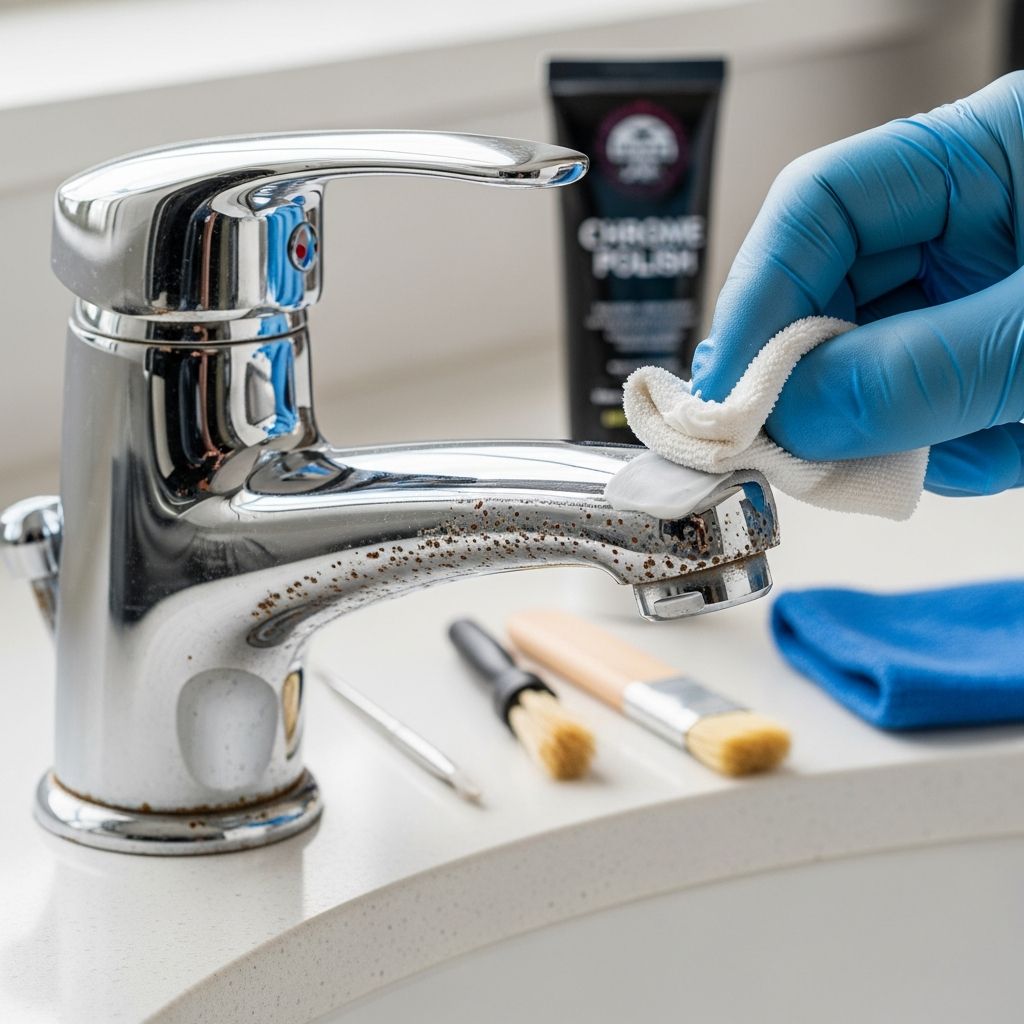
Chrome faucets enhance kitchens and bathrooms with their sleek, reflective finish, but exposure to hard water, minerals, and daily use often leads to pitting, dullness, and corrosion. Pitting occurs when the thin chrome plating wears away, exposing underlying metal to rust and damage. This guide provides original, detailed strategies to assess damage, clean effectively, polish for restoration, and maintain your fixtures for years. Whether dealing with light tarnish or deep pits, these methods prioritize safety and results using accessible tools.
Understanding Chrome Faucet Damage
Chrome is a plating over brass or steel, typically 0.3-0.5 microns thick, making it vulnerable to pitting from acidic water, high mineral content, or abrasive cleaners. Pitting appears as small craters or rough patches, often accompanied by discoloration or rust. Early intervention prevents escalation, as untreated pits spread and compromise functionality. Differentiate pitting from mere staining: stains wipe off, while pits feel textured under fingernail.
- Common Culprits: Hard water deposits (calcium, lime), soap scum buildup, infrequent cleaning.
- Severity Levels: Light (dull spots), moderate (visible scratches), severe (exposed base metal, flaking).
- Assessment Tip: Run water over the faucet; persistent roughness indicates pitting beyond surface level.
Addressing issues promptly extends fixture life, potentially saving hundreds on replacements. Standard faucets from brands like Delta or Moen respond best to these techniques due to quality plating.
Essential Tools and Materials
Gather these items before starting to ensure efficient, scratch-free work. Focus on soft, non-abrasive options to protect the delicate chrome layer.
| Category | Items | Purpose |
|---|---|---|
| Cleaning Basics | Mild dish soap, warm water, microfiber cloths (multiple), soft-bristle toothbrush | Initial grime removal without damage |
| Natural Abrasives | Baking soda, white vinegar (diluted), lemon juice | Tackling mineral buildup and light pits |
| Polishing | Non-abrasive chrome polish, jeweler’s rouge (fine grit), aluminum foil | Restoring shine and smoothing minor imperfections |
| Advanced | Soft sponge, chrome sealant spray | Deep cleaning and protection |
Avoid steel wool, harsh chemicals, or undiluted acids, as they exacerbate pitting.
Step-by-Step Cleaning Process
1. Daily and Routine Maintenance
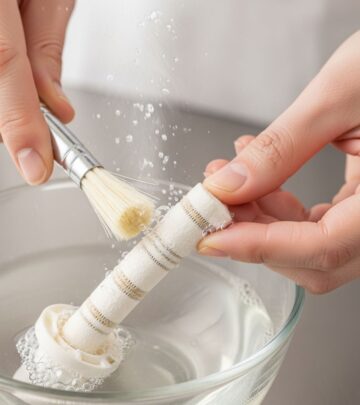
Prevent pitting with weekly upkeep. Mix 1 tsp mild dish soap in 1 quart warm water. Dip a microfiber cloth and wipe faucet, handles, and spout. For crevices, wrap a microfiber around a toothbrush handle. Rinse thoroughly and dry immediately with a clean cloth to avert water spots. This simple routine removes soap residue and minerals before they harden.
2. Removing Hard Water Stains and Light Pitting
Hard water leaves chalky deposits mimicking pits. Soak a cloth in equal parts white vinegar and water (dilute to 50% to safeguard finish). Apply to affected areas for 15-20 minutes. Gently scrub with a soft toothbrush in circular motions. For stubborn spots, sprinkle baking soda paste (3:1 baking soda to water) and scrub lightly. Rinse and dry. Vinegar’s mild acidity dissolves calcium without etching chrome.
- Pro Tip: Test vinegar on inconspicuous area first.
- Frequency: Monthly for hard water areas.
3. Polishing for Mirror-Like Shine
Post-cleaning, apply chrome polish sparingly to a microfiber cloth. Buff in small circles, using light pressure. For enhanced results, follow with jeweler’s rouge on a fresh cloth, progressing from medium to fine grit. This fills micro-pits and evens the surface. Buff until reflective. Seal with a water-repellent spray for protection.
Advanced Restoration Techniques
Addressing Moderate Pitting and Scratches
For visible pits or scratches, escalate gently. Ball up aluminum foil, dampen with soapy water, and rub pits in circular motions. Foil’s soft aluminum acts as a fine abrasive, smoothing without gouging. Alternatively, use phosphoric acid from cola (pour over pits, let sit 10 minutes, scrub). Rinse copiously. These methods lift rust and minor corrosion.
Lemon Juice and Natural Polishes
Lemon’s citric acid polishes effectively. Cut a lemon half, dip in baking soda, and rub directly on pits. The fizzing action loosens debris; wipe residue and rinse. Ideal for organic shine without chemicals.
Deep Pitting Solutions
Severe damage may require disassembly. Consult manufacturer manuals for removable parts. Soak in diluted vinegar overnight, then polish. If base metal shows, stop DIY—pits indicate plating failure.
Prevention Strategies for Longevity
Proactive care minimizes pitting recurrence.
- Install water softener or aerators to filter minerals.
- Daily wipe-downs with microfiber.
- Apply automotive chrome sealant quarterly.
- Use filtered water for rinsing.
- Opt for PVD (physical vapor deposition) chrome on new fixtures—thicker and durable.
Quality upfront pays off: Standardized brands ensure part availability.
Professional Options and When to Replace
DIY limits hit with extensive pitting. Replating via electroplating restores factory finish but requires specialists. Costs $50-150 per faucet; search local metal finishing shops. Weigh against $100-300 new faucet. Replace if leaks, structural weakness, or >50% pitting—safety first.
Frequently Asked Questions (FAQs)
What causes pitting on chrome faucets?
Pitting results from hard water minerals eroding the thin chrome layer, plus neglect, abrasives, or acidic cleaners exposing base metal to corrosion.
Can I fix deep pits at home?
Light to moderate pits yes, via polishing and abrasives. Deep pits exposing metal need professional replating or replacement to avoid further decay.
Is vinegar safe for chrome?
Diluted yes (1:1 with water, short soaks). Undiluted or prolonged use etches the surface.
How often should I polish faucets?
After deep cleans or monthly in hard water areas for sustained shine.
Does baking soda scratch chrome?
No, as a paste it’s mildly abrasive, safe for gentle scrubbing unlike harsh powders.
Quick Comparison of Methods
| Method | Best For | Time | Tools Needed |
|---|---|---|---|
| Soap & Water | Routine | 5 min | Cloth, soap |
| Vinegar Soak | Stains | 20 min | Vinegar, cloth |
| Baking Soda Paste | Light Pits | 10 min | Baking soda, water |
| Aluminum Foil | Rust/Pits | 15 min | Foil, soap |
| Chrome Polish | Shine | 5 min | Polish, cloth |
Combine methods progressively for optimal results. Patience yields professional-grade outcomes.
References
- 7 Alluring Techniques: How to clean old chrome water faucet — Hot2Cold Air Conditioning. 2023. https://hot2coldairconditioning.com/how-to-clean-old-chrome-water-faucet/
- How to Repair Damaged Chrome Finish on Faucet: A Helpful Guide! — Sunny Bliss. 2023. https://sunnybliss.com/how-to-repair-damaged-chrome-finish-on-faucet/
- How to repair damaged chrome finish — Homebuilding.co.uk. 2023-10-01. https://www.homebuilding.co.uk/advice/how-to-repair-damaged-chrome-finish
- CLEANING CHROME FAUCETS — YouTube (Queen of Clean). 2020. https://www.youtube.com/watch?v=Y-aamj4uPCw
- How To: Restore POLISH Bathroom Fixtures You Won’t Believe — YouTube (Chrome and Car Restoration). 2022. https://www.youtube.com/watch?v=V1DCKSyrR4
Similar Articles


Read full bio of Sneha Tete