Saltillo Tile Restoration: Step-By-Step Guide To Revive Floors
Expert guide to restoring the beauty and durability of traditional Saltillo tile floors through cleaning, sealing, and ongoing care.
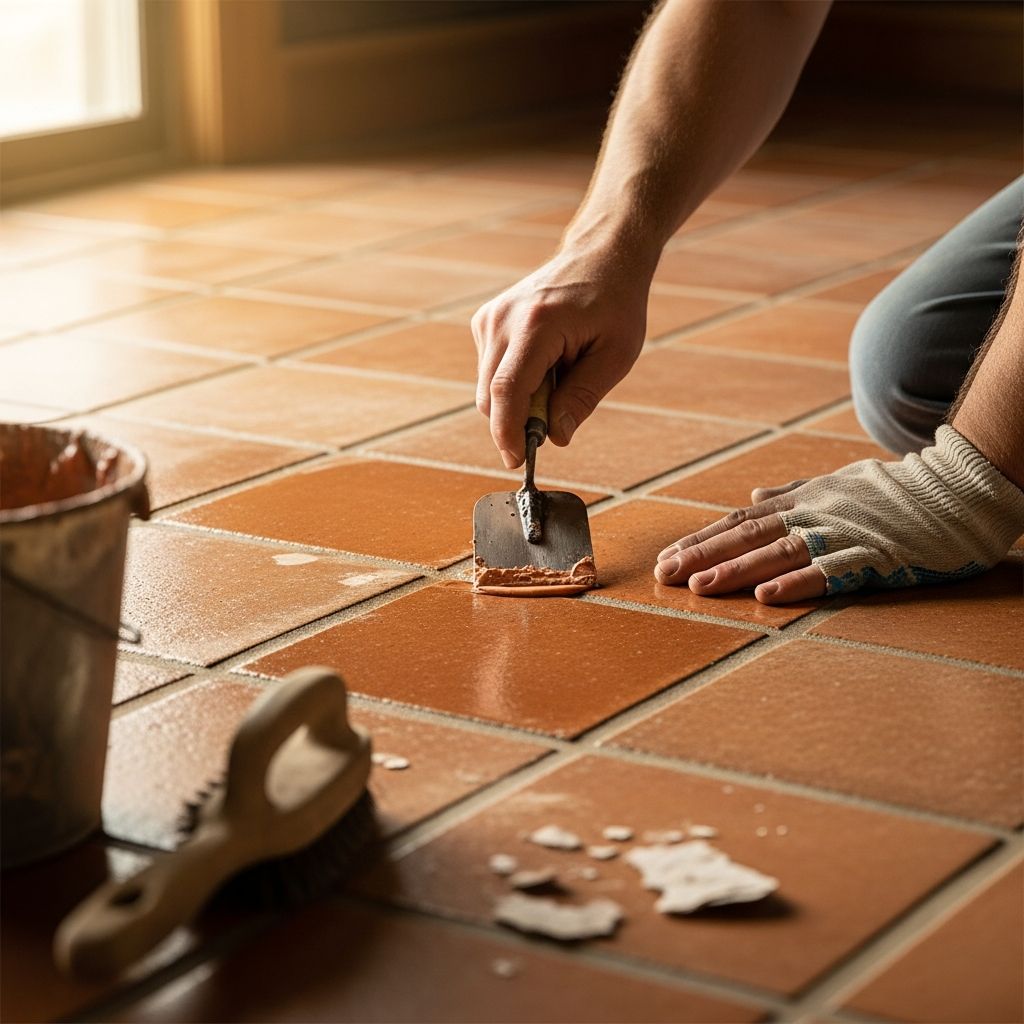
Reviving Saltillo Tile Floors
Saltillo tiles, crafted from natural terracotta clay mined in Mexico, bring a warm, rustic elegance to homes, particularly in Southwestern and Mediterranean-style interiors. Hand-formed and sun-dried, these porous tiles develop a unique patina over time but often lose their vibrancy due to wear, dirt buildup, and sealant degradation. Restoring them involves a systematic process of preparation, thorough cleaning, sealer removal if needed, fresh sealing, and buffing to achieve a renewed luster. This guide provides a complete roadmap for homeowners to tackle the project confidently, whether addressing minor dullness or extensive damage.
Understanding the Unique Nature of Saltillo Tiles
Unlike glazed ceramic or porcelain tiles, Saltillo tiles are unglazed and highly absorbent, making them susceptible to stains from spills, moisture, and foot traffic. Their earthy tones—ranging from soft oranges to deep reds—fade under harsh cleaners or improper sealing, leading to efflorescence (white mineral deposits) or a hazy appearance. Recognizing signs of needed restoration is crucial: if water beads on the surface when tested, the sealer is intact; if it absorbs quickly, restoration is overdue. Early intervention prevents cracks and grout deterioration, preserving both aesthetics and structural integrity.
Essential Tools and Materials for the Job
Gathering the right supplies ensures efficiency and avoids damage. Key items include:
- pH-neutral cleaners designed for natural stone to safely remove grime without etching the clay;
- abrasive pads or nylo-grit brushes (around 180 grit) for stripping old sealers;
- stripping solutions compatible with water-based acrylic or polyurethane sealers;
- high-quality penetrating sealers, such as water-based acrylics for gloss or satin finishes;
- short-napped rollers, lamb’s wool applicators, or sponges for even application;
- buffing cloths, soft brushes, or low-speed floor machines for polishing;
- protective gear like gloves, goggles, and knee pads; plus fans for drying.
Invest in products from reputable suppliers to match your tile’s porosity and desired sheen. Test sealers on inconspicuous areas to confirm compatibility.
Step-by-Step Preparation Before Restoration
Success starts with meticulous prep work to protect surrounding areas and address underlying issues. Begin by clearing the space of furniture and rugs, then sweep or vacuum thoroughly to eliminate loose dirt and debris. Inspect each tile for cracks, chips, or loose grout—hammer out severely damaged ones and replace with matching Saltillo tiles, allowing them to set fully before proceeding.
Protect baseboards, walls, and adjacent flooring with painter’s tape and drop cloths. Ensure excellent ventilation by opening windows and using fans, as cleaning agents can produce strong fumes. For sealed grout, note that flaking often requires targeted cleaning before full restoration. This phase, though time-consuming, prevents contaminants from redepositing during cleaning.
Deep Cleaning to Remove Years of Buildup
Cleaning is the cornerstone of restoration, targeting embedded dirt, old wax residues, and efflorescence. Start with grout lines using a stainless steel brush or steam extraction for stubborn darkening. Apply a pH-neutral cleaner diluted per instructions, letting it dwell to loosen grime without aggressive scrubbing that could scratch the surface.
For deeper restoration, use a rotary scrubber with a black stripping pad or hi-lo brush to exfoliate the top sealer layer lightly. Avoid acidic or alkaline products, which erode the clay. Rinse multiple times with clean water, then employ wet vacuums or mops to extract residue. Allow 24-48 hours of forced-air drying—critical for porous tiles to prevent sealer adhesion issues. Patience here yields dramatically cleaner, more uniform results.
Stripping Away Old, Failing Sealers
If tiles appear hazy, cloudy, or flaky, stripping the old topical sealer is necessary. Identify the type: water-based acrylics strip easier than urethanes. Apply a dedicated stripper directly to sections, dwelling for 1+ hours until bubbling indicates softening. Agitate with abrasive pads in circular motions, working small areas to maintain control.
For large floors, rent a floor machine to save labor. Rinse repeatedly, neutralizing residues as per product guidelines, and dry thoroughly. This reveals the tile’s natural texture, ready for enhancement. Professionals often combine stripping with color sealing for consistency on abraded spots.
| Sealer Type | Pros | Cons | Best For |
|---|---|---|---|
| Water-Based Acrylic | Easy to apply/remove, low odor, quick dry | Less durable in high-traffic | Indoor residential use |
| Polyurethane | High durability, glossy finish | Harder to strip, stronger fumes | Commercial or heavy-use areas |
| Penetrating | Deep protection, matte/natural look | Multiple coats needed | Porous clay preservation |
Applying New Sealant for Protection and Shine
With clean, dry tiles, sealing locks in beauty and repels stains. Choose based on finish preference: high-gloss for vibrancy or satin for subtlety. Pour into a paint tray and apply thin coats with a roller or sponge, working in 4×4 foot sections to avoid lap marks. Feather edges for seamless blending.
Allow 2-4 hours between 3-5 coats, testing absorption on bare spots. Dilute stains if coloring for even tone, using a grout sponge and wire brush for pros. Full cure takes 48-72 hours—avoid traffic during this period. This multi-layer approach ensures deep penetration into the porous clay.
Polishing and Buffing for a Professional Finish
Buffing elevates sealed tiles to a showroom gleam. Use a soft microfiber cloth or low-speed buffer in circular motions, applying light pressure. For extensive areas, a machine with a white polishing pad enhances uniformity without heat buildup. Work methodically, checking for even sheen, and re-buff lightly after 24 hours if needed.
This step not only boosts shine but integrates minor imperfections into the tile’s rustic character, mimicking handcrafted authenticity.
Long-Term Maintenance Strategies
Restored Saltillo thrives with proactive care. Dust mop daily, use walk-off mats at entrances, and clean weekly with pH-neutral soap. Address spills immediately to prevent absorption. Felt pads under furniture prevent scratches; avoid steam cleaners or high-pressure washes.
Test sealer annually with the water bead method. Reseal every 3-5 years based on wear, focusing on high-traffic zones. Routine inspections catch grout wear early, extending the floor’s lifespan significantly.
Frequently Asked Questions
Can I restore Saltillo tiles myself, or do I need professionals?
DIY is feasible for small areas with proper tools, but large or heavily damaged floors benefit from pros using industrial equipment.
How long does the full restoration process take?
Expect 3-7 days, including multi-day drying between cleaning, stripping, and sealing.
What if my grout is stained or crumbling?
Clean first; regrout if loose, using sanded epoxy for durability on rustic tiles.
Is it safe to use on outdoor patios?
Yes, with UV-resistant sealers, but ensure proper drainage to avoid moisture issues.
How do I match new tiles to old ones?
Select from the same kiln batch or antique overstock; light abrasion helps blend.
References
- Restoring Shine to Saltillo Tiles — LayorCare. Accessed 2026. https://www.layorcare.com/restoring-shine-to-saltillo-tiles
- Stone Restoration and Maintenance Corner: Restoring Saltillo Tile — Slippery Rock Gazette. Accessed 2026. http://www.slipperyrockgazette.net/index.cfm/pageId/3994/Stone%20Restoration%20and%20Maintenance%20Corner:%20Restoring%20Saltillo%20Tile/
- Saltillo Tile Restoration – Orange, Texas – How to clean mexican tile — YouTube (Clay Imports channel). 2026. https://www.youtube.com/watch?v=yqJ1Oo4t4wY
- How To Clean And Maintain Mexican Saltillo Tile — Clay Imports. Accessed 2026. https://clayimports.com/blogs/all-about-natural-terracotta/how-to-clean-and-maintain-mexican-saltillo-tile
- Saltillo Tile Restoration & Care: Everything You Need To Know — Today’s Homeowner. Accessed 2026. https://todayshomeowner.com/flooring/guides/saltillo-tile-restoration/
- Staining and Sealing Saltillo Tile the Correct Way! — California Tile Restoration. Accessed 2026. https://californiatilerestoration.com/staining-and-sealing-saltillo-tile-the-correct-way/
Similar Articles





Read full bio of Sneha Tete