Reviving Stamped Concrete with Paint
Transform faded stamped concrete surfaces into vibrant, durable patios and driveways using proven painting techniques for lasting outdoor beauty.
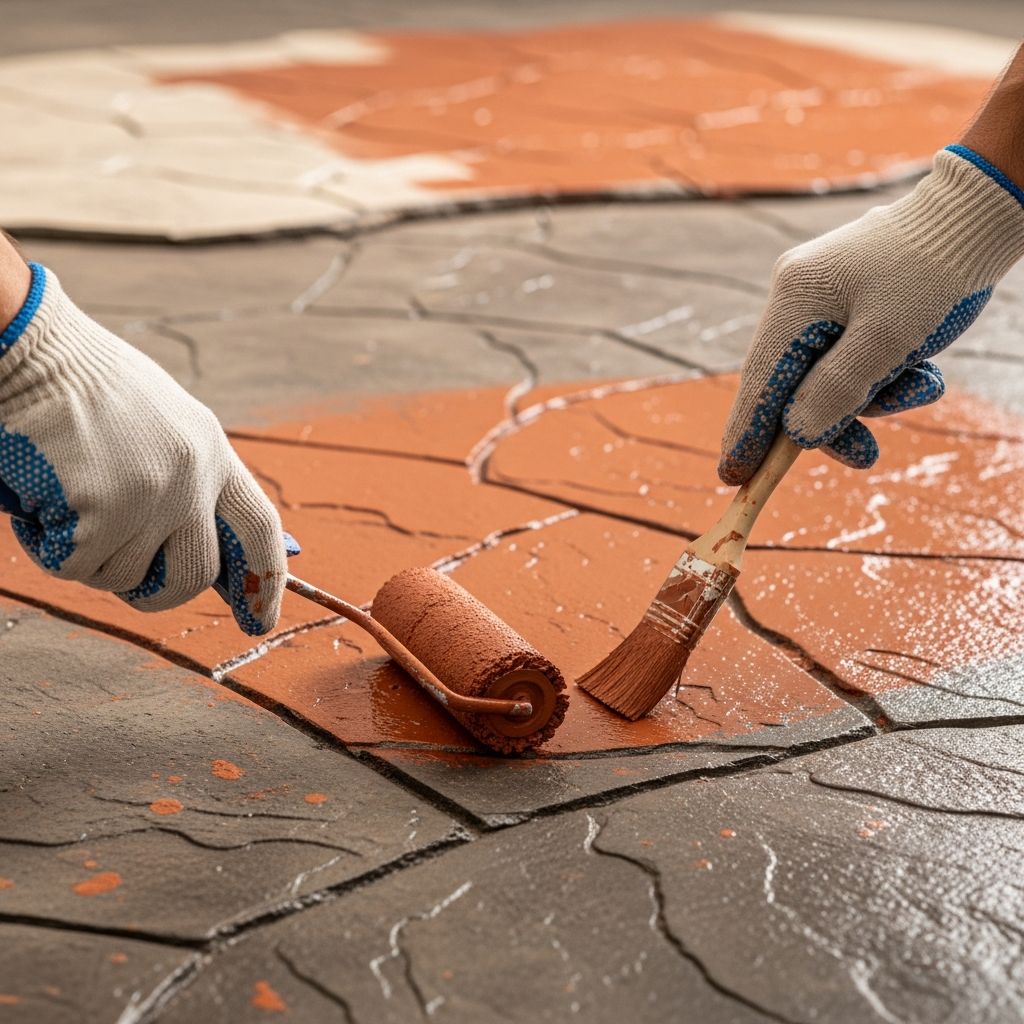
Stamped concrete offers a stylish, stone-like appearance for patios, driveways, and walkways, but sun exposure, foot traffic, and weather can cause fading and wear. Painting provides an effective way to restore vibrancy and protect the surface. This guide details the complete process, from preparation to finishing touches, ensuring professional results for DIY enthusiasts.
Understanding Stamped Concrete and Painting Benefits
Stamped concrete mimics natural textures like brick or slate through molds pressed into wet concrete. Over time, sealers wear off, colors dull, and cracks form, diminishing appeal. Painting not only refreshes the hue but also seals minor imperfections and adds UV protection. Unlike staining, which penetrates deeply, paint forms a surface layer that’s easier to apply but requires proper adhesion prep for longevity.
Key advantages include cost-effectiveness compared to replacement, customization of colors to match home aesthetics, and increased durability against elements. Homeowners report success with this method on driveways and pool decks, achieving results that last 5-10 years with maintenance.
Essential Tools and Materials for the Project
Gather these items before starting to streamline the work:
- Pressure washer or stiff-bristle broom for cleaning
- Concrete etching solution or grinder for surface prep
- Concrete patching compound and trowel for repairs
- Paint roller, brushes, and sprayer for application
- Primer designed for concrete
- Exterior-grade concrete paint (acrylic or epoxy-based)
- Clear sealer for topcoat protection
- Protective gear: gloves, goggles, respirator
- Drop cloths and painter’s tape
Opt for products labeled for stamped or textured surfaces to ensure even coverage over patterns.
Step-by-Step Surface Preparation
Proper prep is 80% of success; skipping it leads to peeling paint.
Thorough Cleaning
Begin by removing dirt, oils, and old sealer. Use a pressure washer at 2000-3000 PSI with a concrete-safe detergent. For stubborn grime, apply a degreaser and scrub with a stiff brush. Rinse completely and let dry 24-48 hours. Test for remaining sealer by pouring xylene on a small area—if sticky after 30 seconds, strip it with a sealant remover.
Repairing Damage
Inspect for cracks, chips, or spalling. Fill cracks wider than 1/8 inch with patching compound, smoothing with a trowel. For deeper damage, undercut edges and apply in layers, allowing cure times per product instructions (typically 24 hours). Sand smooth once hardened to blend with surrounding texture.
Etching for Adhesion
Stamped surfaces are often smooth; etch to create a profile for paint grip. Mix muriatic acid per label (1:10 ratio with water), apply with a plastic sprayer, and neutralize after 10-15 minutes with baking soda solution. Rinse twice and dry fully. Alternatively, light sanding or grinding works for sealed areas.
Choosing the Right Paint and Primer
Select paints formulated for concrete to resist cracking and fading. Acrylic paints offer flexibility and breathability, ideal for patios. Epoxy paints provide superior durability for driveways but require two-part mixing.
Compare options in this table:
| Type | Best For | Durability | Application |
|---|---|---|---|
| Acrylic Latex | Patios, walkways | Medium (5-7 years) | Easy, roller/brush |
| Epoxy | Driveways, garages | High (10+ years) | Sprayer, two coats |
| Stain (alternative) | Subtle refresh | Medium | Sprayer, penetrates |
Always prime first with a concrete bonding primer to block stains and enhance adhesion. Test colors on a small area, as stamped textures affect final shade.
Applying Primer and Paint Layers
With prep complete, work on a dry day above 50°F.
- Mask edges and cover nearby plants.
- Apply primer evenly with a 3/8-inch nap roller for texture penetration. Back-roll to avoid puddles. Dry 4-6 hours.
- Apply first paint coat thinly, using circular motions over stamps. Maintain wet edge to prevent lap marks.
- Wait 4 hours, then add second coat for opacity.
- For driveways, third coat boosts protection.
Use a sprayer for large areas, tipping 45 degrees over patterns. Avoid overworking wet paint.
Sealing for Long-Term Protection
After paint cures (24-48 hours), apply 2-3 coats of solvent or water-based sealer. Roll on thinly, allowing 4 hours between coats. Solvent sealers penetrate better but emit fumes; water-based are eco-friendlier. This step guards against UV fading, moisture, and abrasion, extending life significantly.
Common Mistakes and Troubleshooting
Avoid these pitfalls:
- Inadequate cleaning: Leads to peeling; double-rinse always.
- Rushing dry times: Causes bubbling; use fans if humid.
- Wrong paint type: Interior paints fail outdoors.
- Ignoring texture: Test application methods first.
If paint bubbles, sand and recoat. For poor adhesion, strip and rep Prep.
Maintenance Tips for Painted Stamped Concrete
Reseal every 2-3 years. Sweep debris weekly, hose monthly. Use pH-neutral cleaners; avoid acids. Repair chips promptly to prevent spread. In freeze-thaw climates, clear snow gently.
Advanced Techniques: Staining vs. Painting
For subtle changes, consider antiquing stains over paint. Apply with sprayer in circular motions, multiple coats wet-on-wet for depth. This enhances stamp details without full coverage. Combine with tinted sealers for custom hues.
Cost Breakdown and Time Estimates
Expect $0.50-$2 per sq ft for materials. A 400 sq ft patio takes 3-5 days. Labor savings make DIY worthwhile.
| Item | Cost (400 sq ft) |
|---|---|
| Cleaning/Etch | $50-100 |
| Paint/Primer | $200-400 |
| Sealer | $150-300 |
| Tools | $100 |
FAQs
Can you paint over sealed stamped concrete?
Yes, but strip or etch the sealer first for adhesion.
How long does painted stamped concrete last?
5-10 years with proper sealing and maintenance.
Is painting better than staining stamped concrete?
Painting covers completely; staining adds translucent depth—choose based on desired opacity.
What if my concrete has deep cracks?
Consult a pro; major structural issues need professional repair before painting.
Can I paint in cold weather?
No, maintain 50°F+ for curing.
Environmental and Safety Considerations
Wear PPE during etching and painting. Dispose of chemicals per local regs. Choose low-VOC paints for eco-friendliness. Pressure washing conserves water compared to replacement.
References
- How to Restore Faded Stamped Concrete — Direct Colors. 2023. https://directcolors.com/diy/recolor-faded-stamped-concrete/
- Can You Paint Stamped Concrete? – Complete Guide — Kansas City Stamped Concrete Pros. 2024. https://kansascitystampedconcretepros.com/blog/can-you-paint-stamped-concrete/
- How to Restore Faded Stamped Concrete — Concrete Network. 2023. https://www.concretenetwork.com/fix-concrete-color/changing-concrete-color.html
- Preparing Old, Sealed Concrete for Stain or Paint — Brad the Painter. 2022. https://www.bradthepainter.com/preparing-old-concrete-for-stain-or-paint/
- How To Restore and Recolor Stamped Concrete — Walttools (YouTube). 2023. https://www.youtube.com/watch?v=hzpd-HCtBJ0
Similar Articles




Read full bio of Sneha Tete