Reviving Stiff Leather: Natural Softening Techniques
Discover safe, effective methods to restore flexibility to hardened leather using household items and expert tips for long-lasting results.
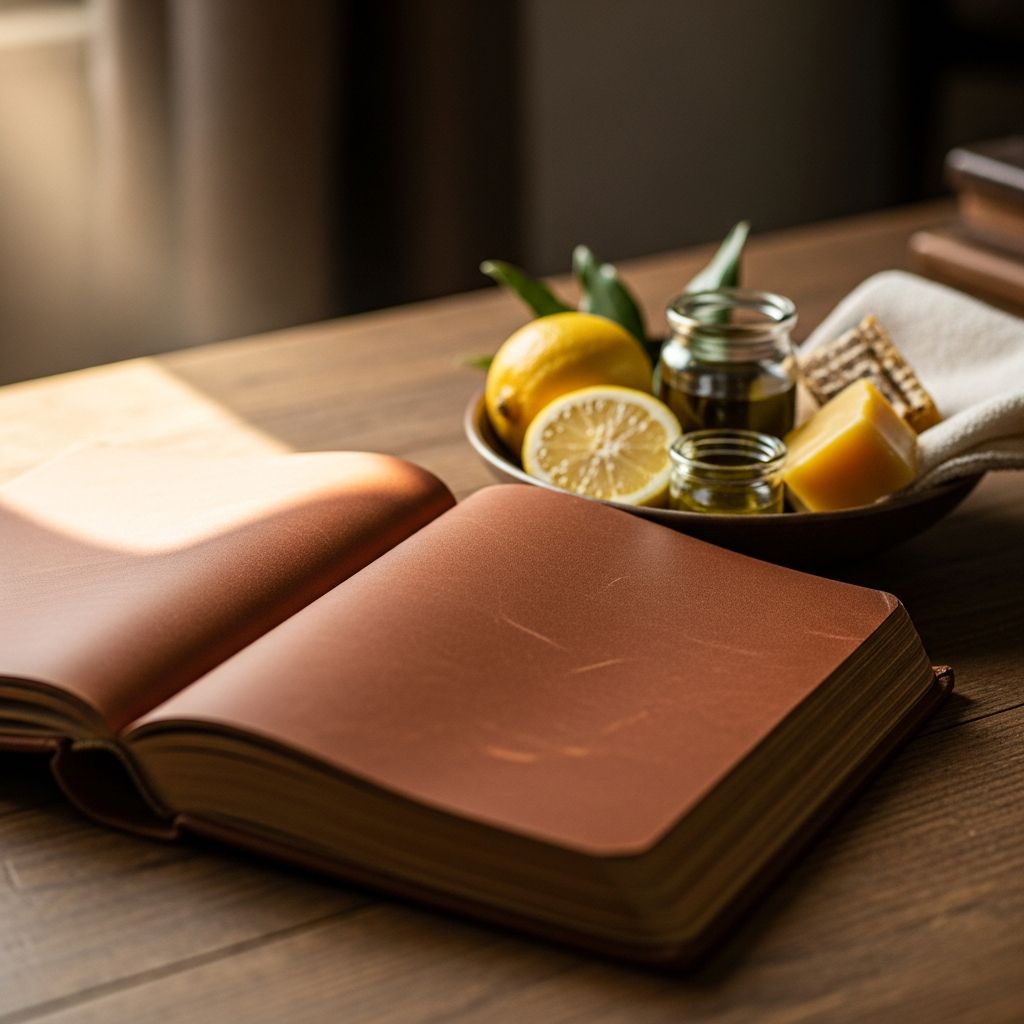
Leather goods such as jackets, boots, bags, and furniture often lose their flexibility over time due to exposure to elements, improper storage, or lack of maintenance. Restoring softness requires careful application of moisturizers that penetrate the material’s fibers without causing damage. This guide explores reliable methods drawn from leather care practices, emphasizing preparation, application, and aftercare to achieve supple results.
Understanding Leather Types and Softening Needs
Leather varies in structure, affecting how it responds to softening agents. Full-grain and top-grain leathers, derived from the outer hide, retain natural pores and benefit most from oil-based treatments. These types absorb conditioners deeply, regaining pliability. Suede and nubuck, with their napped surfaces, demand specialized care to avoid matting or staining—oils are generally unsuitable here.
Stiffness arises from dried-out natural oils in the hide. Factors like sunlight, heat, and humidity accelerate this process. Before treatment, identify your leather type: smooth and shiny indicates finished leather; rough texture signals unfinished varieties. Always test methods on inconspicuous areas to prevent discoloration.
- Full-grain leather: Highest quality, rugged; ideal for oil softening.
- Top-grain leather: Sanded for uniformity; responds well to conditioners.
- Corrected-grain leather: Processed heavily; use light applications.
- Suede/nubuck: Avoid oils; opt for brushing and suede-specific sprays.
Preparation Steps for Optimal Results
Success hinges on clean, dry leather. Dust and grime block absorption, leading to uneven softening. Begin by wiping the surface with a soft, damp cloth, then air-dry completely—never use heat for drying at this stage.
For deeper cleaning, employ a mild leather cleaner or saddle soap. Apply with a sponge in gentle circles, rinse with a water-dampened cloth, and dry in a shaded, ventilated area. This opens pores, preparing fibers for conditioning.
| Step | Action | Time Required |
|---|---|---|
| 1. Dust removal | Soft brush or cloth | 5 minutes |
| 2. Cleaning | Mild soap solution | 10-15 minutes |
| 3. Drying | Air dry shaded | 1-2 hours |
Effective Natural Oil Methods
Natural oils mimic leather’s original lubricants, penetrating fibers to restore bounce. Preferred options include jojoba, coconut, and neatsfoot oil over common kitchen varieties due to stability and absorption rates.
Jojoba and Coconut Oil Application
Jojoba oil, chemically similar to skin sebum, offers non-greasy conditioning. Coconut oil provides antimicrobial benefits but solidifies in cool temperatures—warm gently before use.
- Warm the leather in indirect sunlight for 10-15 minutes to dilate pores.
- Apply a dime-sized amount to a lint-free cloth.
- Massage in circular motions, focusing on creases and stiff spots.
- Let absorb for 4-12 hours; repeat 2-3 times for severe dryness.
- Buff with a dry cloth for sheen.
These oils suit boots and jackets, enhancing durability without residue buildup.
Neatsfoot Oil for Heavy-Duty Revival
Derived from cattle feet, neatsfoot oil deeply nourishes vegetable-tanned leathers. Dilute with water for lighter finishes to prevent over-darkening.
- Test on hidden seam first.
- Apply sparingly with fingers or cloth.
- Ideal for saddles and work gloves.
Household Alternatives: Alcohol and Vaseline
For quick fixes without specialty products, combine rubbing alcohol and petroleum jelly. Alcohol evaporates, carrying moisture into fibers; Vaseline seals it in.
- Dab 70% isopropyl alcohol on a cotton pad; wipe evenly until shiny.
- Allow 30 minutes to dry fully.
- Apply thin Vaseline layer with circular rubs.
- Leave overnight; wipe excess next day.
This duo excels on full-grain items but skip for breathable or aniline leathers.
Heat-Based Softening Techniques
Controlled warmth relaxes fibers temporarily, aiding conditioner penetration. Misuse risks cracks or burns.
Steam Method
Expose to bathroom steam from a hot shower for 15-20 minutes. Follow with conditioner while damp.
Hairdryer Approach
Hold dryer 6-8 inches away on low heat, moving constantly for 2-3 minutes per section. Pre-apply conditioner.
Both suit jackets; avoid direct flame or high heat on thin leathers.
Commercial Conditioners: Reliable Standards
Formulated for leather, products like Lexol or Bick 4 contain lanolin and oils balanced for pH neutrality. They outperform DIY for frequent use.
- Select type-specific (e.g., for boots vs. furniture).
- Apply with dauber; let sit 8 hours.
- Polish for protection.
Pros and Cons of Popular Oils
| Oil Type | Pros | Cons | Best For |
|---|---|---|---|
| Olive Oil | Accessible; initial softening | Darkens unevenly; rancid smell; clogs pores | One-time emergency only |
| Coconut Oil | Antibacterial; easy apply | Solidifies; potential allergies | Shoes, bags |
| Jojoba Oil | Non-greasy; long-lasting | Costlier | All smooth leathers |
| Neatsfoot | Deep penetration | Darkens; not for pigmented | Rawhide, saddles |
Olive oil, while tempting, risks long-term degradation—experts favor alternatives.
Preventing Future Stiffening
Proactive care extends leather life. Store in breathable bags away from humidity extremes; condition quarterly.
- Clean after exposure to salt or mud.
- Avoid prolonged sun or heaters.
- Use silica packs in storage.
Frequently Asked Questions
Can olive oil safely soften leather?
Olive oil provides temporary softness but darkens material, may rancidify, and clog fibers—use sparingly or opt for jojoba/neatsfoot instead.
What’s the fastest way to soften a leather jacket?
Steam exposure followed by conditioner or coconut oil massage works in hours.
Does Vaseline work alone on leather?
No; pair with alcohol prep for absorption, as Vaseline alone sits on surface.
How often should I condition leather?
Every 3-6 months for daily items; more for harsh conditions.
Can I soften suede with these methods?
No—use suede brushes and erasers; oils damage nap.
Advanced Tips for Longevity
For vintage pieces, layer treatments: oil first, then conditioner. Monitor for mold in humid climates—treat promptly with alcohol wipes. Custom blends (jojoba + vitamin E) enhance results for artisanal care.
Invest in quality tools: horsehair brushes for buffing, applicator pads for even spread. Track applications in a log to refine routines per item.
Leather revival transforms worn favorites into like-new treasures. Consistent, gentle methods yield resilient, flexible results enduring years.
References
- How to Soften Leather Safely: Step-by-Step Instructions — Latigo Leathers. 2023. https://laticoleathers.com/blogs/news/how-to-soften-leather
- How to Soften Leather the Right Way — Moonster Leather. 2023. https://moonsterleather.com/blogs/news/how-to-soften-leather
- How to Soften Leather Jacket Quickly and Safely — Daniel Smart Mfg. 2023. https://danielsmartmfg.com/blogs/news/how-to-soften-leather-jacket-quickly-and-safely
- Can I Use Olive Oil on Leather? — Creative Colors International. 2023. https://wecanfixthat.com/olive-oil-on-leather/
- Olive Oil as a Leather Conditioner: Test and Result — YouTube (Video Transcript). 2023. https://www.youtube.com/watch?v=Zj1gtRD0VFM
Similar Articles



Read full bio of Sneha Tete