Reviving Vintage Dollhouses
Unlock the charm of antique dollhouses with expert restoration techniques that blend preservation and creativity for timeless play.
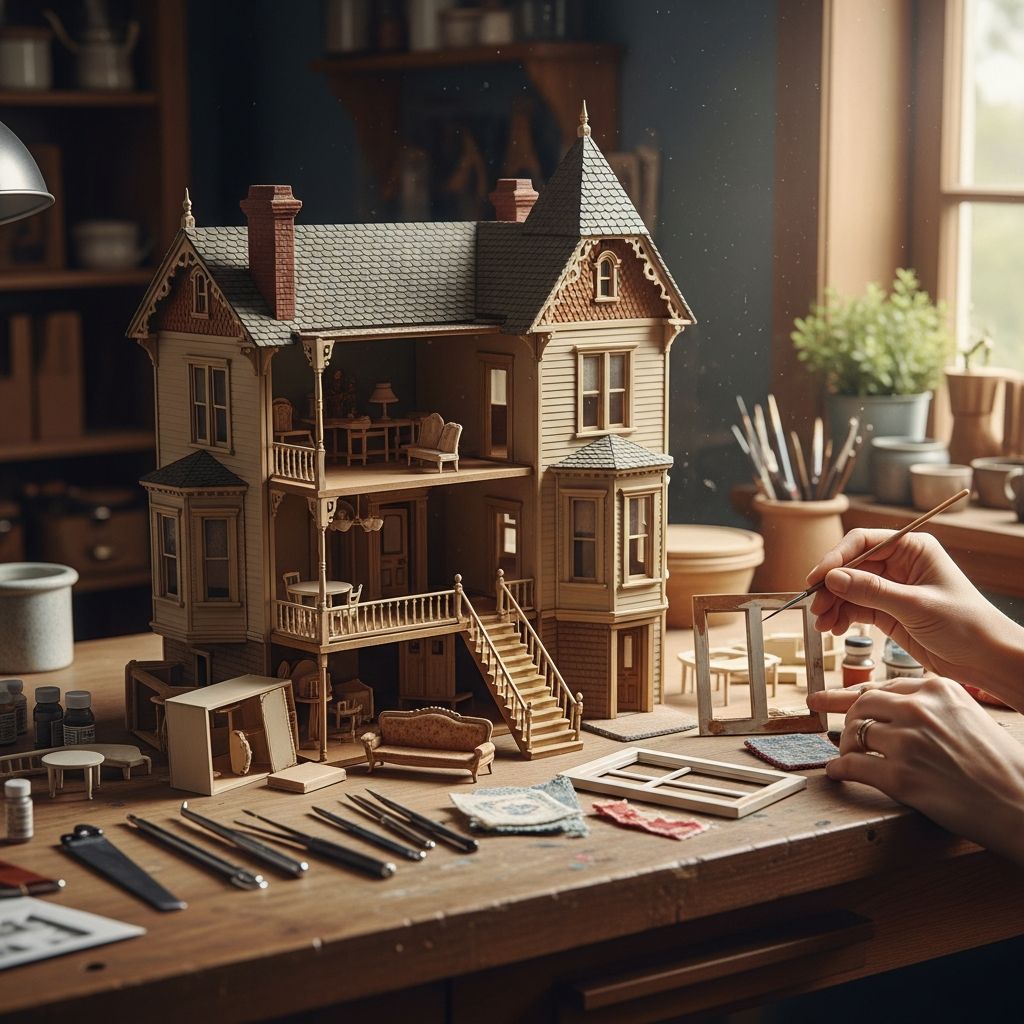
Restoring an antique dollhouse transforms a dusty relic into a vibrant centerpiece of joy and nostalgia. These miniature homes, often passed down through generations, carry stories within their tiny walls. With careful planning and hands-on skills, anyone can breathe new life into them, preserving their historical value while enhancing playability.
Assessing Your Dollhouse’s Condition
Before diving into repairs, conduct a thorough inspection. Examine the structure for loose joints, cracked walls, missing pieces, and signs of wear like peeling paint or faded wallpaper. Check roofs, floors, doors, and windows for damage. Note any electrical wiring if present, as older models sometimes include it. Document issues with photos to track progress.
- Structural integrity: Look for warped wood or separated panels.
- Surface condition: Identify dirt, stickers, or old adhesives.
- Missing elements: Catalog absent trim, stairs, or furniture.
- Functional parts: Test moving components like doors and shutters.
This initial evaluation guides material purchases and repair priorities, ensuring a systematic approach.
Gathering Essential Tools and Materials
Equip yourself with basic woodworking tools and restoration supplies. A disassembly kit includes screwdrivers, pliers, and nut drivers for hardware. Cleaning requires scrapers, sandpaper (from 120 to 220 grit), soapy water, and tack cloths. For repairs, stock wood glue, filler putty, MDF sheets for replacements, primer, paints, and wallpaper.
| Category | Items | Purpose |
|---|---|---|
| Cleaning | Glue scraper, sandpaper, soapy water | Remove old layers and smooth surfaces |
| Repair | MDF sheets, wood glue, filler | Replace damaged parts and fill gaps |
| Finishing | Primer, acrylic paints, wallpaper | Protect and decorate interiors |
| Assembly | Screws, nuts, clamps | Secure components firmly |
Budget around $20-50 for most projects, sourcing from hardware stores.
Disassembling the Dollhouse Safely
Take the house apart methodically to access all areas. Label screws, nuts, and bolts in bags by location. An extra pair of hands helps with larger models. Remove roofs, walls, floors, and accessories one section at a time. For wired houses, carefully extract electrical strips using needle-nose pliers, avoiding damage to wood.
Store parts in a labeled box. This step reveals hidden damage and prevents scratches during cleaning. If glued joints resist, apply heat from a hairdryer to loosen adhesive gently.
Cleaning and Surface Preparation
Old dollhouses accumulate grime, stickers, and residue. Start with a glue scraper to lift stickers and peeling paper. Wipe surfaces with hot, soapy water using a soft cloth—dish soap mixed with steaming water works wonders on stubborn wallpaper. Let it sit before scraping.
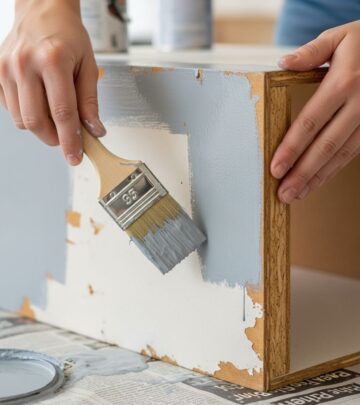
Sand cleaned areas with 220-grit paper to scuff for paint adhesion. For wooden floors, use Murphy’s Oil Soap and stiff brushes. Wipe down with a tack cloth to remove dust. Avoid over-sanding delicate moldings; focus on flat surfaces. This preps a flawless base for new finishes.
Repairing and Replacing Structural Elements
Address damage next. For cracked walls or bases, align pieces and secure with wood glue and clamps. Fill gaps with painter’s putty, sanding smooth once dry. Replace thin MDF floors prone to warping: Measure precisely, trace old pieces onto new 1/8-inch sheets, and cut with a bandsaw or jigsaw.
Rebuild stairs using scrap dowels for strength. For missing trim or railings, fabricate from balsa wood or match originals. Secure loose doors and windows with tiny hinges or glue. Professional restorers re-fabricate lost elements and replace glass panes for authenticity. Test fits before permanent assembly.
Priming and Painting Interiors and Exteriors
Apply a high-quality primer to all surfaces, blocking stains and ensuring paint durability. Use spray primer for even coverage in tight spaces. Once dry, paint exteriors in period-appropriate colors like soft greens or creams, applying two thin coats with a brush or airbrush.
For interiors, select semi-gloss acrylics for easy cleaning. Paint rooms individually before wallpapering. Add details like hand-painted chair rails with fine brushes for intricate effects. Allow full drying between coats to prevent peeling.
Updating Floors and Walls with Fresh Designs
New floors elevate the look. Cut vinyl sheets or thin plywood to fit, gluing securely. For walls, apply self-adhesive wallpaper from budget stores—peel, stick, and trim with an X-Acto knife on a cutting mat.
Choose patterns evoking Victorian or mid-century styles to match the dollhouse era. For tough spots, score edges first. Sand any bubbles smooth. This creates cozy, realistic rooms without professional skills.
Reassembling with Precision
Rebuild in reverse order: floors first, then walls, roofs, and accessories. Match hardware to labeled bags, replacing lost nuts from spares. Widen grooves if needed for snug fits. Clamp glued joints overnight. The satisfaction of seeing it stand tall rewards the effort.
Strengthen weak points with hidden dowels or braces, ensuring stability for play.
Adding Custom Touches and Accessories
Personalize with turned balusters from a lathe, gilded accents, or scrap wood furniture. Raid bins for shingles or awnings. Clean original pieces or craft replicas. These details make the dollhouse unique and heirloom-worthy.
Preservation Tips for Longevity
Display away from direct sun to prevent fading. Use low-VOC paints for safety. Periodically dust with a soft brush. For valuable antiques, consult conservators for structural work.
Common Challenges and Solutions
| Challenge | Solution |
|---|---|
| Stubborn wallpaper | Hot soapy spray, let sit, then scrape |
| Missing hardware | Match sizes from hardware assortments |
| Warped wood | Steam straighten or replace sections |
| Delicate details | Use fine brushes and magnification |
FAQs
What materials are best for dollhouse floors?
1/8-inch MDF or thin plywood offers durability and easy cutting for custom fits.
Can I restore a dollhouse with wiring?
Yes, but remove old wiring first for safety unless rewiring professionally.
How long does restoration take?
A weekend for basic projects; weeks for intricate repairs.
Is special paint needed?
Acrylics in miniature sizes work best for smooth, non-toxic finishes.
How to value an antique dollhouse?
Research maker marks; restored pieces gain sentimental and market value.
References
- Repair and Remodel a Doll House — Instructables. N/A. https://www.instructables.com/Trash-to-Treasure-Doll-House/
- How To Make An Old Dollhouse New – Part 1 — Cottage in the Mitten. N/A. https://cottageinthemitten.com/how-to-make-an-old-doll-house-new-part-1/
- DIY | How to Restore An Antique Dollhouse — The Hurried Hostess. N/A. https://hurriedhostess.com/diy-how-to-restore-an-antique-dollhouse/
- A Wonderful Dollhouse Before & After: The Restoration Begins — Between Naps on the Porch. N/A. https://betweennapsontheporch.net/a-wonderful-dollhouse-before-after-the-restoration-begins/
- Historic Dollhouse Restoration — Conservation & Design International. N/A. https://www.conservation-design.com/historic-dollhouse-restoration
Similar Articles



Read full bio of medha deb