Reviving Your Lawn: Complete Seeding Guide
Transform patchy grass into a lush, vibrant yard with expert seeding techniques for new lawns and repairs.
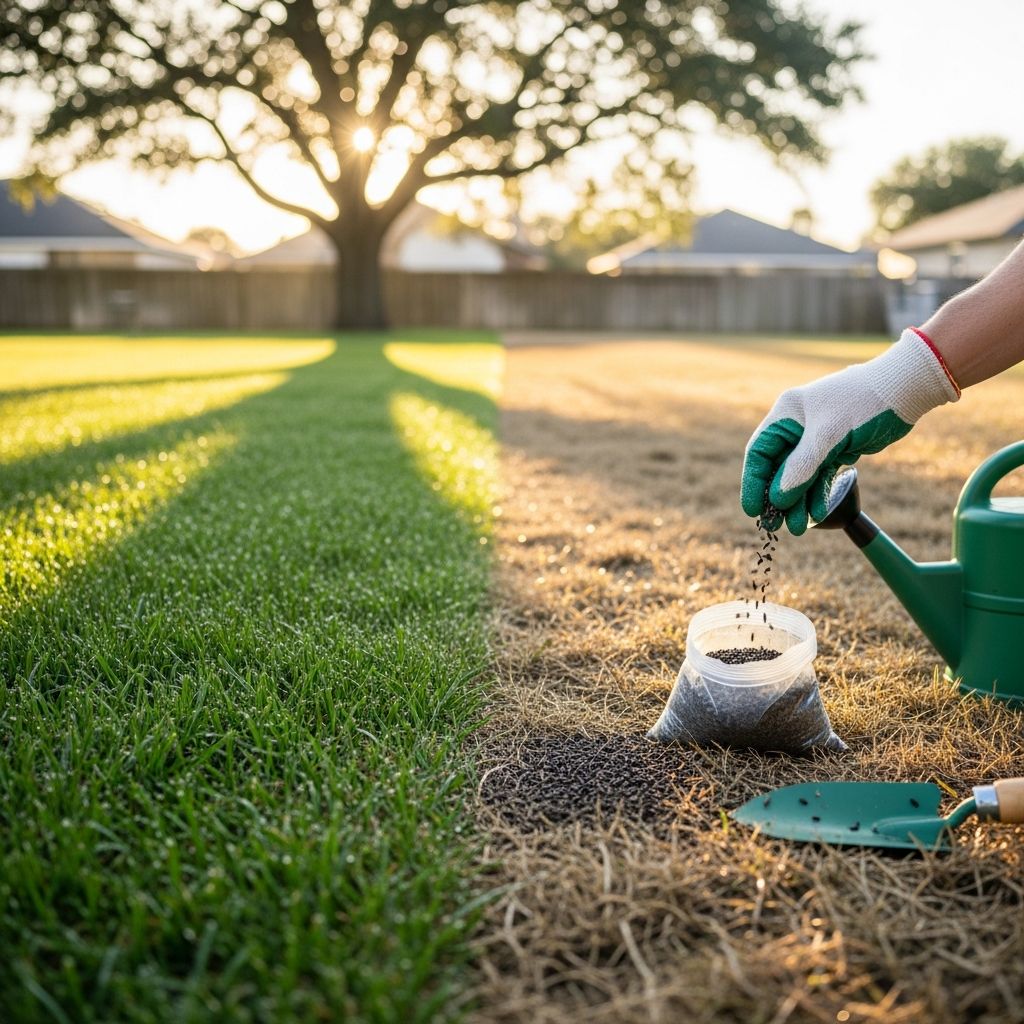
Establishing or repairing a lawn through seeding offers a cost-effective path to a lush, green landscape. Whether starting fresh or patching bare spots, proper techniques ensure robust growth and long-term vitality. This guide details every phase, drawing on established practices for optimal results.
Selecting the Ideal Grass Variety
Choosing the right grass seed is foundational to success, as varieties differ in climate tolerance, shade resistance, and maintenance needs. Cool-season grasses like tall fescue and perennial ryegrass thrive in northern regions with distinct winters, germinating effectively at soil temperatures around 55°F. Warm-season options such as bermudagrass and zoysiagrass excel in southern climates, requiring warmer conditions of 65-70°F for germination.
Assess your yard’s sunlight, foot traffic, and soil type. For shady areas, opt for fine fescue; sunny, high-traffic spots suit Kentucky bluegrass blends. Seeding rates typically range from 5-10 pounds per 1,000 square feet, varying by species—consult seed packaging for precise amounts. High-quality seeds from reputable suppliers minimize weed contamination and boost germination rates.
| Grass Type | Ideal Soil Temp (°F) | Germination Time | Best For |
|---|---|---|---|
| Tall Fescue | 55 | 6-8 weeks | Shade, drought tolerance |
| Bermudagrass | 65 | 7-10 weeks | Full sun, heat |
| Perennial Ryegrass | 55 | 5-7 weeks | Quick cover, traffic |
| Zoysiagrass | 70 | 10 weeks | Warm climates, dense turf |
Determining the Perfect Planting Window
Timing aligns seeding with natural growth cycles for maximum establishment. For cool-season grasses, fall (late August to early October) or early spring (March to May) provides mild temperatures and moisture without summer heat stress. Warm-season grasses seed best in late spring through early summer (April to July), allowing full acclimation before winter.
Avoid extreme heat or frost, as these hinder germination. Soil thermometers help confirm readiness—aim for consistent daytime temps above 50°F for cool types and 65°F for warm ones. In transitional zones, blended seeds accommodate variable conditions.
Site Preparation for New Lawns
A nutrient-rich, well-drained seedbed is crucial. Begin by clearing debris, weeds, and old vegetation. For total renovation, apply a non-selective herbicide like glyphosate, waiting 2-3 weeks for die-off, then mow low and remove clippings.
Test soil pH (ideal 6.0-7.0) via local extension services; amend with lime for acidity or sulfur for alkalinity. Till or aerate to 4-6 inches deep to loosen compaction, especially in clay soils—add gypsum or compost for better structure. Level with topsoil, filling low spots, and roll for firm contact. Rake to create a fine, crumbly surface free of clods.
- Remove rocks, roots, and trash.
- Soil test and amend pH/nutrients.
- Till/aerate 4-6 inches.
- Level and roll soil.
- Water lightly to settle.
Overseeding Existing Lawns
Thicken thin areas without full removal. Mow to 1-1.5 inches, dethatch with a power rake to expose soil, and aerate for better seed-soil contact. Apply starter fertilizer high in phosphorus, then broadcast seed evenly. Rake lightly to incorporate, avoiding surface coverage that leads to desiccation.
Water immediately to moisten, maintaining consistent dampness. Expect visible sprouts in 5-14 days, with full integration in 4-6 weeks. This method rejuvenates without disruption.
Step-by-Step Seeding Process
Uniform distribution prevents patchy growth. Calculate seed needs by measuring area. Divide total seed in half; apply first pass east-west, second north-south using a broadcast spreader for evenness.
Lightly rake seeds into top 1/4 inch of soil, then roll or tamp gently. Cover with thin straw mulch or peat moss to retain moisture and deter birds, but avoid thick layers that block light.
- Choose spreader settings per seed label.
- Overlap passes slightly.
- Seed in calm weather.
Watering and Early Care Essentials
Germination demands vigilance—keep top inch moist with light, frequent waterings (2-3 times daily) for 2-3 weeks. Transition to deeper, less frequent sessions (1 inch weekly) once rooted, promoting drought resistance.
Overwatering causes rot; underwatering desiccates seedlings. Use sprinklers for even coverage, watering early morning to minimize evaporation and disease.
Fertilizing for Strong Roots
Apply starter fertilizer (high phosphorus, low nitrogen) at seeding to fuel root development. Wait 4-6 weeks post-germination for balanced follow-up feeds. Soil tests guide rates—over-fertilizing burns tender growth.
For new lawns, one light application suffices initially; established ones benefit from seasonal programs.
Spot Repair Techniques
Address bare patches promptly. Loosen soil, remove dead grass, add compost, and seed matching your lawn type. Top with 1/4 inch mulch, water consistently. Avoid generic mixes that clash aesthetically.
Overcoming Common Obstacles
Weeds compete early—pre-emergents after establishment, hand-pull otherwise. Pests like grubs require monitoring. Uneven terrain? Grade properly to prevent puddling. Patience yields density; overseed annually if needed.
Long-Term Maintenance Strategies
Mow high (2.5-3.5 inches) once reaching one-third above target height, sharpening blades for clean cuts. Aerate yearly, fertilize per soil tests, and overseed fall for resilience. Proper care sustains vibrancy.
Frequently Asked Questions
When is the best time to seed a lawn?
Fall for cool-season grasses; late spring for warm-season. Match soil temps to variety.
How much seed do I need?
5-10 lbs per 1,000 sq ft—check labels for specifics.
Can I seed over existing grass?
Yes, after mowing low, dethatching, and aerating.
How often to water new seeds?
Lightly 2-3 times daily until germination, then weekly deeply.
What if my soil is clay-heavy?
Add gypsum, compost; till deeply for drainage.
References
- How To Plant Grass From Lawn Seed – Outsidepride Seed — Outside Pride. Accessed 2026. https://www.outsidepride.com/seed/grass-seed/lawn-seed-planting-directions/
- Preparing a Lawn for the Planting of Grass Seed — Mike’s Backyard Nursery. 2019-03. https://mikesbackyardnursery.com/2019/03/preparing-a-lawn-for-the-planting-of-grass-seed/
- Planting Your Florida Lawn — University of Florida IFAS Extension. Accessed 2026. https://gardeningsolutions.ifas.ufl.edu/lawns/maintenance-and-care/planting-your-florida-lawn/
- How to Grow a Lawn From Scratch (DIY Guide + Lessons Learned) — YouTube (Video Description). Accessed 2026. https://www.youtube.com/watch?v=FJYDXC9x8z4
- How to Plant Grass Seed: 5 Simple Steps for a Lush Lawn — Barusa (Barenbrug USA). Accessed 2026. https://www.barusa.com/homeowner/challenges-solutions/how-plant-grass-seed-5-simple-steps-lush-lawn
Similar Articles




Read full bio of Sneha Tete