Reviving Your Lawn: Fix Bare Spots Effectively
Discover proven techniques to restore patchy grass, from seed to sod, ensuring a lush yard with minimal effort and maximum results.
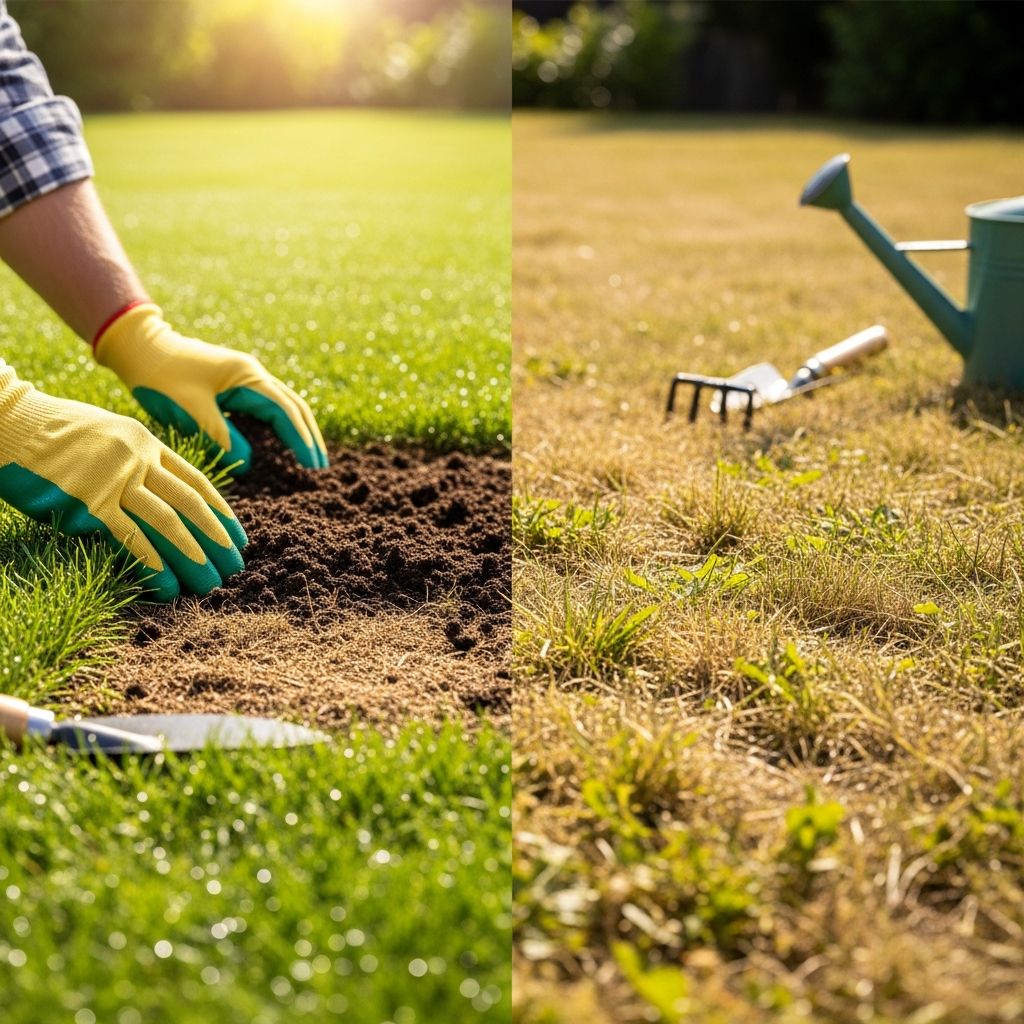
A lush, green lawn enhances your home’s curb appeal and provides a perfect outdoor space for relaxation and play. However, bare spots can appear due to various factors, leaving unsightly patches that detract from the overall beauty. Whether caused by heavy foot traffic, pet urine, harsh weather, or poor soil conditions, these spots are common and fixable with the right approach. This comprehensive guide outlines practical methods to restore your lawn, drawing from reliable lawn care practices to help you achieve professional results at home.
Understanding the Root Causes of Bare Patches
Before diving into repairs, it’s crucial to pinpoint why bare areas develop. Identifying the cause prevents recurring issues and informs the best repair strategy. Common culprits include:
- Pet urine: High nitrogen content burns grass, creating yellow dead zones that turn bare.
- Heavy traffic: Frequent walking, playing, or vehicle parking compacts soil and wears out grass.
- Weather extremes: Drought, frost, or excessive rain can kill grass roots.
- Poor soil quality: Compacted, nutrient-poor, or overly shady soil hinders growth.
- Pests and diseases: Grubs, fungi, or weeds can devastate sections of turf.
Inspect your lawn closely. For pet spots, dilute urine immediately with water. Redirect traffic with paths or stepping stones. Test soil pH (aim for 6.0-7.0) and amend as needed. Addressing these ensures your repairs last.
Assessing Your Lawn Type for Optimal Repair
Not all lawns are alike; repair methods vary by grass type. Cool-season grasses like Kentucky bluegrass, fescue, and ryegrass thrive in northern climates and reseed easily in spring or fall. Warm-season varieties such as Bermuda, Zoysia, or St. Augustine spread via rhizomes or stolons, making plugs or sod preferable over seeding.
| Grass Type | Best Season for Repair | Recommended Method |
|---|---|---|
| Cool-Season (Bluegrass, Fescue) | Spring/Fall | Seeding or Patch Mix |
| Warm-Season (Bermuda, St. Augustine) | Late Spring/Summer | Plugs or Sod |
Match your repair materials to existing turf for seamless blending. Mismatched seeds lead to patchy appearances.
Method 1: Reseeding for Budget-Friendly Fixes
Reseeding suits small to medium bare spots and is the most economical option. Start by mowing the area short and raking away dead grass and debris to expose soil. Loosen the top 1-2 inches with a rake or cultivator for better seed contact.
Select a high-quality seed blend matching your lawn. Premium mixes with mulch and fertilizer, like those retaining moisture, simplify the process. Spread seed at the labeled rate, cover lightly with 1/4-inch topsoil or peat moss, and press down gently.
Water immediately and keep soil consistently moist—lightly once or twice daily. Germination occurs in 5-14 days, with mowable height in 3-4 weeks. Avoid herbicides for 6 weeks pre-seeding.
- Pro Tip: Use a seed starter fertilizer after the second mow to boost growth.
Method 2: Grass Plugs for Natural Spreading
For spreading grasses, plugs harvested from healthy areas offer a cloned, perfect match. This technique shines with Bermuda or Couch varieties that grow laterally.
Dig plugs (2-3 inches diameter) from vigorous lawn sections using a plugger tool. Remove dead material from the bare spot, space plugs 6-12 inches apart, and firm them into loosened soil. Water deeply to settle roots.
Plugs establish quickly in warm soil, filling in as they spread. Ideal for larger areas without buying sod. Combine with fertilizer and growth regulators for faster lateral expansion.
Method 3: Sod Patches for Instant Results
When speed matters, sod provides mature grass immediately. Purchase pieces matching your lawn type from a garden center.
Prepare by excavating the bare area slightly deeper than sod thickness (about 1 inch). Level with topsoil, lay sod snugly without overlapping, and roll or tamp for soil contact. Water thoroughly the first two weeks, then normally.
Sod roots in 2-4 weeks; wait 30-60 days before fertilizing. Best for high-visibility spots or quick fixes before events.
Advanced Option: All-in-One Repair Mixes
Busy homeowners love pre-mixed products combining seed, mulch, and fertilizer. These often feature color-changing mulch to signal watering needs.
Rake the spot, apply evenly per instructions, water, and maintain moisture. Results appear in weeks with less effort. Eco-variants use compost or organic seeds for sustainable repairs.
Essential Aftercare for Lasting Success
Post-repair care determines longevity. Key practices include:
- Water consistently: Daily light for seeds/plugs; deep weekly for sod.
- Delay mowing until 3-4 inches tall; use high setting initially.
- Fertilize appropriately: Starter for new growth, standard after establishment.
- Protect from traffic: Use barriers or signs until rooted.
- Monitor for issues: Weed early, treat pests promptly.
Tailor watering to weather—reduce in rain, increase in heat. Proper aftercare yields a uniform lawn.
Seasonal Timing for Best Outcomes
Timing maximizes success. Cool-season repairs peak in early fall or spring when soil is cool and moist. Warm-season fixes align with late spring soil warming. Avoid summer heat or winter freezes, which stress new growth.
In transitional zones, hybrid approaches work best. Always check local extension services for regional advice.
Preventing Future Bare Spots
Proactive steps keep your lawn resilient:
- Aerate annually to relieve compaction.
- Overseed thin areas yearly.
- Core aerate before repairs for better results.
- Choose durable grass cultivars for high-traffic zones.
- Maintain balanced fertility via soil tests.
These habits minimize repairs and promote thick turf.
Frequently Asked Questions (FAQs)
Can I repair bare spots in summer?
Possible with shade-tolerant seeds or sod, but water diligently to combat heat. Fall is preferable.
How long until I can walk on repaired areas?
Seeds: 4 weeks; plugs: 2 weeks; sod: 10-14 days with care.
What if my bare spot is shaded?
Use fine fescue or shade mixes; improve light by pruning overhead branches.
Is it okay to mix repair methods?
Yes, combine seeding with plugs for faster coverage in large spots.
How do I handle pet damage?
Flush with water, reseed with urine-resistant varieties like fescue.
Tools and Materials You’ll Need
Gather these for efficient work:
- Rake, shovel, or plugger tool
- Grass seed, plugs, or sod
- Topsoil, compost, or repair mix
- Hose or sprinkler with fine mist
- Fertilizer and soil test kit
Invest in quality tools for repeated use.
References
- How to Repair Bare Spots in Your Lawn — Fleet Farm. 2023. https://everyday.fleetfarm.com/articles/repair-lawn-bare-spots
- This FIXES Bare Spots Better Than Grass Seed — YouTube (Ryan Knorr Lawn Care). 2023-05-15. https://www.youtube.com/watch?v=oYUtYnadaBY
- How to Repair Bare Spots in Your Lawn — Pennington Seed. 2024. https://www.pennington.com/all-products/grass-seed/resources/how-to-repair-bare-spots-in-your-lawn
- Repairing Lawn Bare Spots — GrowTrax. 2023. https://growtrax.com/blogs/lawn-care-blog/repairing-lawn
- How to Fix a Bare Spot in the Lawn – 3 Tips — YouTube (Lawn Care Nut). 2022-06-10. https://www.youtube.com/watch?v=SaPx8I5jn2I
Similar Articles


Read full bio of medha deb