Rewiring an Old House: A Practical Homeowner’s Guide
How to modernize your home’s wiring safely, legally, and with minimal disruption.
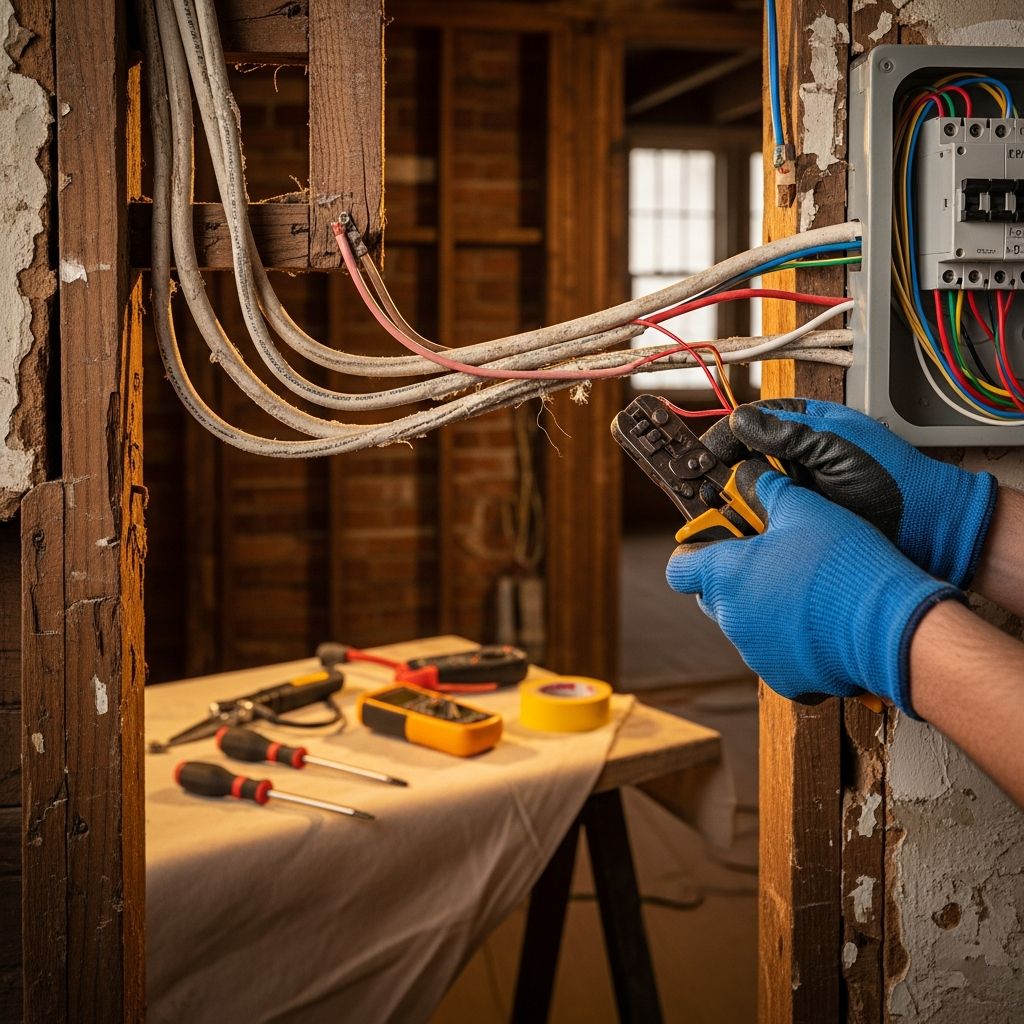
Rewiring an older home is one of the most valuable safety upgrades you can make, but it is also one of the most disruptive and technical projects a homeowner will ever face. This guide explains how to approach an electrical overhaul strategically, protect your investment, and keep your family safe.
Why Old Houses Often Need New Wiring
Many older homes were designed for a world of table lamps, a radio, and perhaps a single window air conditioner—nothing like today’s heavy mix of electronics, appliances, and HVAC systems. Over time, aging wires, overloaded circuits, and outdated designs can create serious fire and shock hazards. Upgrading wiring is not about cosmetic improvement; it is about adapting a historic structure to modern electrical demands.
Rewiring allows you to add grounded outlets, modern protective devices, and dedicated circuits for large appliances. It also gives you a rare opportunity to tidy up decades of piecemeal electrical work, remove unsafe DIY alterations, and create a clean, well-documented layout for future projects.
- Increased safety through modern materials and protections.
- Greater capacity for high-demand appliances and electronics.
- Improved reliability, with fewer tripped breakers and flickering lights.
- Better resale value and fewer obstacles during inspections or insurance renewals.
Warning Signs Your Wiring Is Outdated
Not every old house needs a full gut and rewiring, but certain clues strongly suggest that your system is past its prime. Pay attention to both visual signs and how the electrical system behaves day to day.
If several of these issues appear together, it is wise to schedule a professional electrical inspection and discuss whether a phased or complete rewiring project is appropriate for your home.
- Frequent breaker trips or blown fuses when you run everyday appliances.
- Flickering or dimming lights when larger devices (like microwaves) turn on.
- Warm, buzzing, or discolored outlets and switch plates.
- Two-prong, ungrounded receptacles throughout the house.
- Old wiring methods still in use, such as knob-and-tube or brittle cloth-covered cable.
- Extension cords and power strips acting as permanent fixtures because of too few outlets.
Planning a Rewiring Strategy That Fits Your Life
A successful rewiring project starts long before the first hole is cut in a wall. Clear planning helps keep costs realistic, disruption manageable, and the final result aligned with how you actually live in the space.
Think beyond simply replacing old wires. Use this opportunity to map how you use each room and what you might need in the next decade so you do not have to open the walls again anytime soon.
Evaluate How You Use Power Room by Room
- List typical and peak appliance use in each space (kitchen, home office, media room, workshop, etc.).
- Note where you constantly wish you had more outlets or better lighting.
- Consider future additions: EV chargers, hot tubs, home theaters, or a rental unit.
- Share this list with your electrician to influence circuit layout and outlet placement.
Decide on Phased vs. Whole-House Rewiring
Some homeowners choose to rewire the entire house at once; others stage the work by floor or by system. The right choice depends on budget, the condition of existing wiring, and how much disruption you can tolerate.
Ask your electrician to explain safety implications of a partial approach. In some homes, mixing very old wiring with new circuits can create complexity that is not worth the small savings of delaying part of the work.
Permits, Codes, and Why They Matter
Electrical work is heavily regulated for good reason. Local codes are designed to prevent overloads, shocks, and fires, and permits ensure that the work is inspected for basic compliance. Trying to skip this step can create major problems when you sell the house or file an insurance claim.
While requirements vary by location, most full or partial rewiring projects require a permit, inspection, and documentation of the new panel schedule. A reputable electrician will obtain permits on your behalf and coordinate inspections.
- Ask upfront which permits are required and who is responsible for obtaining them.
- Confirm that your project will be inspected at rough-in (before walls are closed) and at final.
- Keep copies of permit numbers, inspection reports, and electrical diagrams with your house records.
Choosing the Right Electrician for an Older Home
Older houses present unique challenges: hidden junction boxes, mixed generations of wiring, and fragile finishes you may want to preserve. General electrical experience is not enough; look for professionals who can explain how they approach vintage structures specifically.
When comparing candidates, focus not only on price but also on clarity of communication, thoroughness of their proposed scope, and their plan to protect your home’s finishes and cleanliness during the work.
- Verify license, bonding, and insurance, and ask for proof rather than taking a verbal assurance.
- Request references from clients with similar aged homes or comparable project sizes.
- Ask how they minimize wall damage and whether they patch and rough-finish affected areas.
- Insist on a written estimate that breaks down labor, materials, permits, and contingencies.
Understanding Costs and Budgeting Wisely
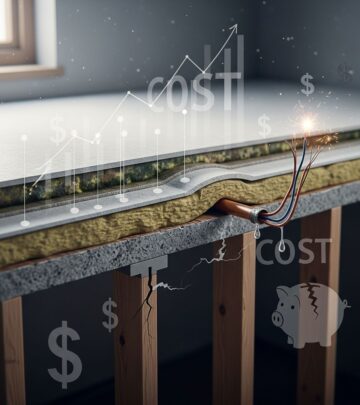
The cost of rewiring an old house varies widely depending on size, access to walls and ceilings, regional labor rates, and how much existing work must be undone. Instead of chasing a single exact figure, think in terms of ranges and scenarios.
Use the following table as a conceptual framework rather than a quote. Actual pricing should come from licensed professionals familiar with your home and local regulations.
| Factor | How It Affects Cost | Budgeting Tip |
|---|---|---|
| Home size and layout | Larger homes and complex floor plans require more cable, devices, and labor time. | Get separate estimates for each floor or zone to see where most costs concentrate. |
| Accessibility of wiring paths | Open basements, attics, and crawl spaces make it easier to run new lines. | Clearing storage areas before work starts can reduce labor hours. |
| Condition of existing system | Complex, unsafe, or heavily modified wiring takes longer to trace and replace. | Allow a contingency line in your budget for surprises inside the walls. |
| Panel and service upgrades | New panels, service masts, or meter upgrades add material and coordination costs. | Ask whether your current service can safely support planned loads. |
| Level of finish work | Extensive patching, repainting, or plaster restoration increases overall project cost. | Decide ahead of time whether this is also an opportunity for a broader remodel. |
Modern Safety Features Worth Adding
Rewiring is not just a swap of old cable for new; it is a chance to bring your home up to contemporary safety standards. Today’s electrical systems integrate protective devices that dramatically reduce the risk of shock and fire, particularly in kitchens, baths, and outdoor spaces.
Discuss these features with your electrician and confirm where each will be installed. A slightly higher upfront cost can yield major long-term protection and peace of mind.
- Grounded outlets: Three-slot receptacles provide a path for fault current, reducing shock risk for modern electronics and appliances.
- GFCI protection: Required in damp locations such as bathrooms, kitchens, garages, and exterior outlets to reduce the risk of shock.
- AFCI protection: Helps detect dangerous arcing conditions that could ignite surrounding materials.
- Dedicated circuits: Separate circuits for heavy-draw appliances like ranges, dryers, and HVAC equipment prevent overloading.
- Surge protection: Whole-house surge devices add a layer of defense for sensitive electronics during power disturbances.
How to Prepare Your Home and Minimize Disruption
Rewiring is invasive by nature, but thoughtful preparation makes it more manageable. Expect some dust, noise, and temporary loss of power in various areas of the home as circuits are rerouted and tested.
Coordinate closely with your electrician to understand which spaces will be impacted when, and consider relocating people or pets temporarily if the work is extensive or if anyone in the home is sensitive to noise and dust.
- Clear furniture and wall decor from areas where electricians will work, especially along likely wire paths.
- Remove valuables and delicate items from shelves to avoid damage from vibration or accidental bumps.
- Discuss daily start and end times for work, and clarify which rooms need to be accessible on specific days.
- Prepare a temporary “power station” with safe extension cords if part of the home will be without outlets for a short period.
Upgrading Wiring While Preserving Historic Character
Many homeowners worry that rewiring will destroy original plaster, trim, or other period details. In reality, a careful contractor can often route new wiring strategically to reduce visible damage while still achieving a safe, code-compliant system.
Discuss your priorities around original finishes before the project begins. In some cases, minor access holes can be cleverly placed behind baseboards, in closets, or in other low-visibility locations, then patched afterward.
- Ask whether existing chases, closets, or built-ins can hide new wiring runs.
- Clarify in writing who is responsible for patching and what level of finish is included.
- Consider combining rewiring with planned renovations to tackle both projects with the same wall openings.
After the Rewiring: What Homeowners Should Do
Once the dust has settled and the inspectors have signed off, take a few final steps to protect your investment and make the system easier to understand for future owners or contractors.
Documenting the new layout and components can save time and money later when you remodel, troubleshoot a problem, or sell the home.
- Label every breaker clearly with the rooms and major devices it serves.
- Ask for an updated single-line diagram or panel schedule and store it with your house records.
- Maintain a digital and paper copy of permits, inspection sign-offs, and warranties.
- Walk through the home with your electrician to test key outlets, switches, and safety devices.
Frequently Asked Questions About Rewiring an Old House
Do I always need to rewire the entire house?
No. Some homes only require targeted upgrades, such as new circuits in the kitchen or replacement of especially risky wiring like knob-and-tube. A professional evaluation will help you decide whether localized fixes, a phased approach, or a full rewire is the safest and most economical choice.
Can I live in the house while it is being rewired?
In many cases, yes, particularly if the project is done in stages, but you should expect inconvenience. Portions of the house may be without power at various times, and you will need to accommodate dust, noise, and access to walls and ceilings. For very extensive projects, a short-term relocation can make the process smoother.
Is this a DIY-friendly project?
Full rewiring is rarely an appropriate DIY project because it involves detailed code requirements, load calculations, panel work, and coordination with inspections. Homeowners can often handle minor tasks such as patching small holes after inspections, but the core electrical work should be performed by qualified professionals.
How long does rewiring take?
Timeframes vary, but even a modest home can require several days to a few weeks of intermittent work, depending on accessibility, scope, and inspection schedules. Larger homes or those with complex layouts and fragile finishes may take longer, especially if the work is phased to allow the family to remain in place.
Will rewiring increase my home’s value?
Modern, well-documented electrical systems are attractive to buyers and often reduce friction during inspections and appraisals. While the exact impact on value depends on your market, updated wiring is commonly viewed as a major plus and can distinguish your older home from others still running on outdated systems.
Rewiring an old house is a significant project, but with thoughtful planning, careful hiring, and clear expectations, you can dramatically improve safety and comfort while preserving the home’s character. Treat the process as a long-term investment in both your property and your peace of mind.
Similar Articles








Read full bio of Sneha Tete