Robellini Palm Care: Expert Tips For Lush, Healthy Growth
Unlock the secrets to thriving Robellini palms with expert tips on light, water, soil, and more for lush indoor and outdoor growth.
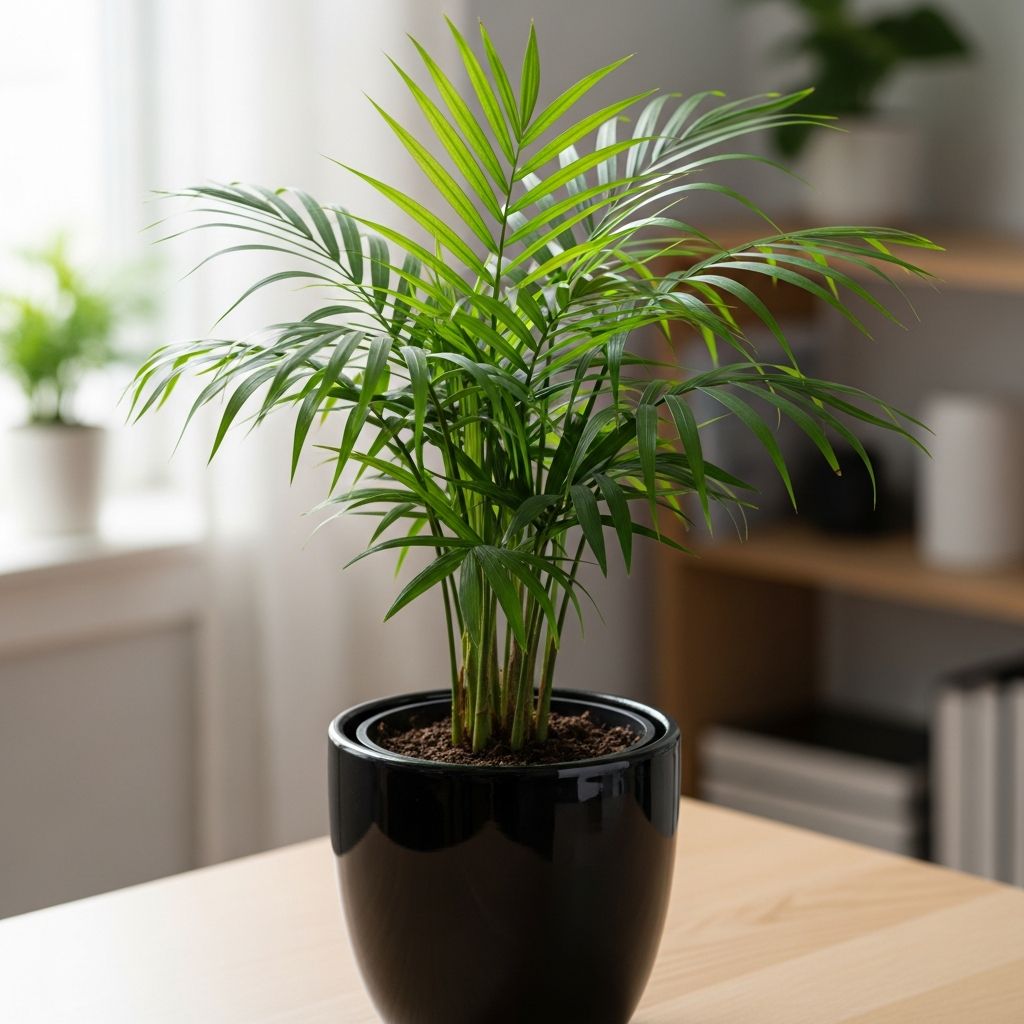
Mastering Robellini Palm Care: Your Complete Guide to Lush Growth
The Robellini palm, scientifically known as Phoenix roebelenii and commonly called the pygmy date palm, brings a touch of tropical elegance to homes and gardens. This compact, slow-growing palm features feathery, arching fronds that can reach 6 to 10 feet tall, making it perfect for small spaces or as an accent plant. Native to Southeast Asia, it adapts well to both indoor pots and outdoor landscapes in suitable climates. Success with this plant hinges on understanding its preferences for light, moisture, and nutrients, allowing it to flourish without common pitfalls like leaf scorch or root rot.
Ideal Growing Conditions for Vibrant Fronds
Robellini palms thrive in environments mimicking their humid, tropical origins. They prefer temperatures between 65°F and 85°F (18°C-29°C), tolerating down to 25°F once established but needing protection from frost in colder zones. Indoors, position away from drafts, heaters, or air conditioners to prevent stress. Outdoors, USDA zones 9-11 are ideal, with coastal areas providing the humidity they crave.
Light: Balancing Brightness and Protection
**Bright, indirect light** is the gold standard for Robellini palms. Indoors, place near east- or west-facing windows for morning sun or filtered southern exposure. They tolerate lower light but grow leggy and sparse without adequate brightness—aim for 8-12 hours of moderate light daily, supplementing with grow lights if needed. Outdoors, partial shade (2-6 hours direct sun) suits inland plants, while full sun (6+ hours) works near coasts with higher humidity. Too much intense afternoon sun scorches fronds, turning tips brown.
- Indoor tip: Rotate the pot weekly for even growth.
- Outdoor tip: Acclimate gradually to avoid sunburn.
Humidity: Creating a Tropical Microclimate
Medium to high humidity (50-60%) keeps fronds supple. Indoors, mist leaves weekly, use a pebble tray with water, or run a humidifier. Group with other plants to boost ambient moisture. Outdoors in dry climates, mulch around the base retains soil moisture.
Watering Wisely: Avoiding the Soggy and Dry Extremes
Water when the top 50% of soil dries out—test with a finger or moisture meter. Thoroughly soak until excess drains, then empty saucers to prevent root rot, a top killer of these palms. Frequency varies: 2-3 times weekly for potted plants in warm weather, less in winter or cooler conditions. Established outdoor plants tolerate drought but perform best with consistent moisture without waterlogging.
| Season | Indoor Watering | Outdoor Watering |
|---|---|---|
| Spring/Summer | Every 5-7 days | 2-3 times/week |
| Fall/Winter | Every 10-14 days | Weekly or as needed |
Newly planted palms need frequent watering the first year to establish roots.
Soil and Potting: Foundations for Healthy Roots
Opt for well-draining mixes like those for palms or tropicals, blending peat moss, perlite, and sand. Amend garden soil with organic matter for outdoors. Plant on mounds or slopes to enhance drainage—aerial roots that develop later aid this process. Repot every 2-3 years in spring when roots crowd, choosing a pot just 2 inches larger to keep slightly root-bound, which they prefer.
- Avoid heavy clay soils outdoors.
- Use containers with drainage holes indoors.
Fertilization: Fueling Steady Growth
During spring through fall, apply a balanced, slow-release palm fertilizer high in nitrogen and potassium (e.g., 8-2-12 ratio) every 1-3 months. Granules work well for pots; liquid for soil drenches. Overfeeding causes tip burn—dilute and follow labels. Winter rest means no feeding.
Pruning and Maintenance: Keeping It Tidy and Safe
Robellini palms aren’t self-cleaning, so manually remove dead, fully brown fronds from the trunk base. Leave yellowing ones as they nourish the plant.
Wear thick gloves and eye protection
—sharp spines can injure. Trim spent frond tips if ragged, but avoid over-pruning to prevent stress. Clean dust from leaves monthly with a damp cloth for better photosynthesis.Pest and Disease Management: Staying Vigilant
Common foes include spider mites (webs, stippling), scale (bumps on fronds), and mealybugs (white fluff). Inspect regularly; treat with insecticidal soap or neem oil, focusing on undersides. Root rot from overwatering shows as wilting despite moisture—repot in dry mix. Fungal leaf spots call for better air circulation.
| Issue | Symptoms | Solution |
|---|---|---|
| Spider Mites | Yellowing, fine webs | Increase humidity, soap spray |
| Scale | Brown bumps, sticky honeydew | Alcohol swabs, neem oil |
| Root Rot | Soggy soil, mushy roots | Repot, reduce water |
Indoor vs. Outdoor Cultivation: Tailored Strategies
Thriving Inside: Container Kings
Perfect for apartments, Robellini palms add height without overwhelming. Use large pots (10-20 gallons for maturity), bright spots, and consistent care. Winter indoors near sunny windows; shed some leaves normally.
Outdoor Landscapes: Tropical Accents
Cluster for impact in patios or borders. Cold-hardy to 25°F, protect young plants. Drought-tolerant once rooted, but salt-sensitive—avoid seashores.
Propagation and Repotting: Expanding Your Collection
Propagate by offsets (pups) at the base: sever with roots, pot in moist mix. Seeds are slow (months to germinate). Repot gently in spring to minimize root disturbance.
Troubleshooting Common Robellini Problems
- Brown tips: Low humidity, fluoride in water, or fertilizer burn—use distilled water, flush soil.
- Yellow fronds: Overwatering or nutrient lack—adjust and fertilize.
- Leggy growth: Insufficient light—relocate or add grow lights.
- No growth: Cold temps or pot-bound—warm up and repot.
Frequently Asked Questions (FAQs)
Can Robellini palms produce dates?
Yes, mature females yield small, edible dates, but indoor plants rarely fruit without pollination.
Is the Robellini palm pet-safe?
No, all palm parts are toxic if ingested by pets—keep out of reach.
How fast does a Robellini palm grow?
Slowly, adding 6-12 inches yearly to 10 feet max.
Can I grow Robellini palms in low light?
They survive but won’t thrive—expect sparse fronds.
What’s the best fertilizer for Robellini palms?
Palm-specific with micronutrients, applied seasonally.
With diligent care, your Robellini palm will reward you with years of graceful beauty. Monitor seasonally and adjust as needed for peak health.
References
- North Carolina Extension Gardener Plant Toolbox: Phoenix roebelenii — NC State University. 2023. https://plants.ces.ncsu.edu/plants/phoenix-roebelenii/
- Roebelenii Palm Plant Guide — Central Florida Plant Guide. 2024. https://centralfloridaplantguide.com/roebelenii-palm-plant-guide/
- How to Care for a Pygmy Date Palm — The Sill. 2023. https://www.thesill.com/blogs/plants-101/how-to-care-for-a-pygmy-date-palm
- Pygmy Date Palm Care Tips Video Transcript — YouTube (Educational Channel). 2022. https://www.youtube.com/watch?v=esgBVc7UAas
- Robellini Palm Care Instructions [PDF] — The Home Depot. 2021. https://images.thdstatic.com/catalog/pdfImages/02/02234ba5-130d-4495-a62b-a8dcefb0987a.pdf
Similar Articles




Read full bio of medha deb