Safe Bleach Disposal: Step-By-Step Guide For Home Use
Learn essential methods to dispose of Clorox bleach responsibly, protecting health, environment, and plumbing systems effectively.
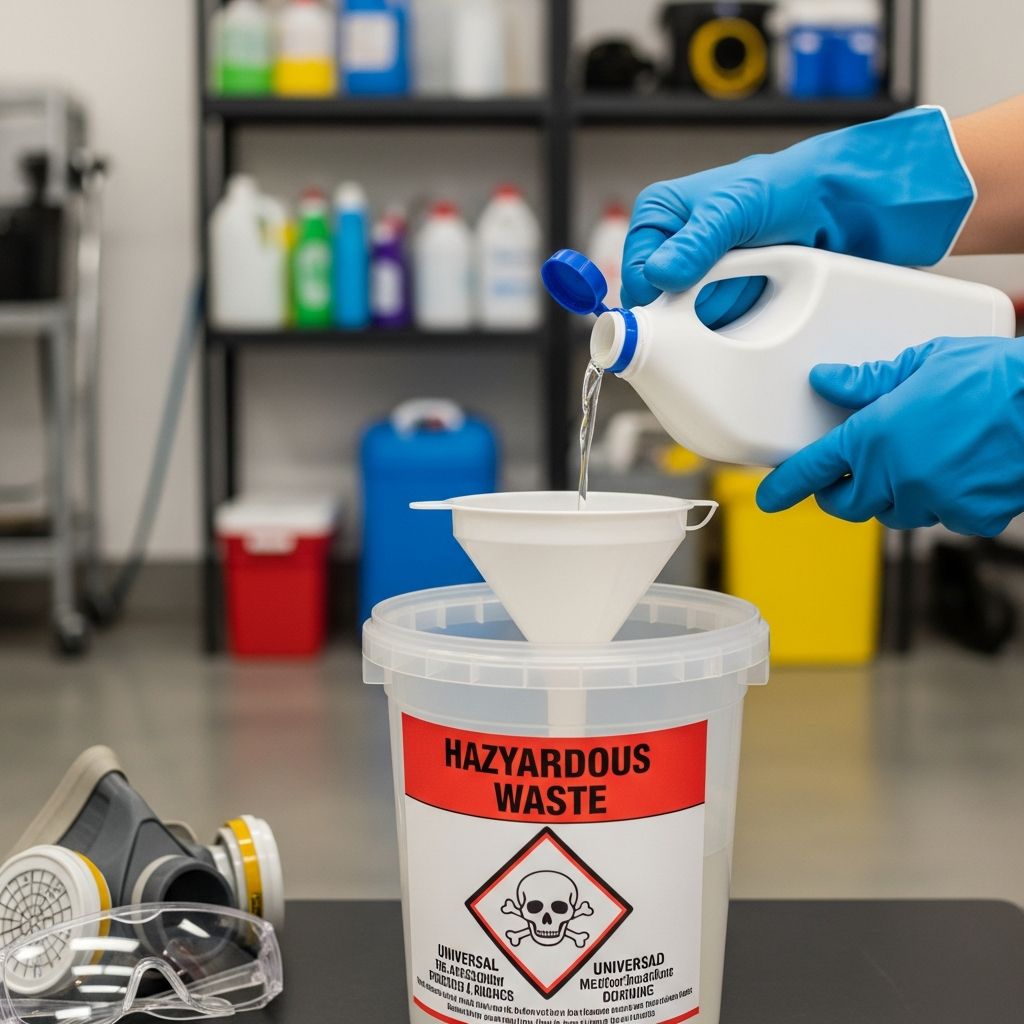
Household bleach, such as Clorox, contains sodium hypochlorite, a potent disinfectant that requires careful handling during disposal to prevent harm to humans, animals, waterways, and infrastructure. Proper methods ensure environmental protection and regulatory compliance.
Understanding Bleach Hazards
Bleach poses risks including skin irritation, eye damage, respiratory issues from fumes, and toxic reactions when mixed with ammonia, acids, or vinegar, producing harmful gases like chloramine. It can kill beneficial septic bacteria and harm aquatic life even in diluted forms. Always verify local regulations, as disposal rules vary by municipality.
Primary Disposal Options
Choose methods based on quantity, bleach condition (used, unused, expired), and local facilities. Prioritize professional handling for large volumes.
- Hazardous Waste Facilities: The most reliable option for any amount of unused, expired, or concentrated bleach. Transport in original, leak-proof containers to designated drop-off sites. Many locations offer free household hazardous waste services with quantity limits—call ahead.
- Neutralization for Small Amounts: Use sodium metabisulfite to deactivate bleach: mix 1 teaspoon with 2.5 gallons water, then add 1 gallon solution per 1/3 cup bleach. Dispose cautiously after.
- Dilution and Drain Pouring: For minimal quantities (<1 cup), dilute 1/3 cup bleach in 1 gallon water, pour slowly down sink or toilet while running cold water. Limit to 1/4 cup per flush for toilets. Avoid septic systems or garbage disposals.
Step-by-Step Dilution Process
For drain disposal, follow these precise steps to minimize risks:
- Wear gloves, goggles, and protective clothing in a well-ventilated area.
- In a bucket, add 1 gallon water first, then slowly pour no more than 1/3 cup bleach—never reverse order to avoid splashes.
- Stir gently if needed, then transport to sink or toilet.
- Pour steadily down drain with cold water running for 1-2 minutes post-pour.
- Rinse bucket and area thoroughly.
| Quantity | Dilution Ratio | Best Method | Notes |
|---|---|---|---|
| <1> | 1 gal water : 1/3 cup bleach | Toilet flush (1/4 cup increments) | Flush each portion separately. |
| 1/2-1 cup | 1 gal water : 1/3 cup bleach | Sink drain | Run water 1 min after. |
| >1 cup | N/A | Hazardous waste facility | Do not dilute large amounts. |
Storage Before Disposal
Keep bleach viable longer by storing in cool, dry, dark places away from sunlight and heat, tightly sealed in original containers. Elevated, locked cabinets prevent child access. Donate unexpired bleach to neighbors or community groups instead of discarding. Check expiration: effectiveness drops after 6-12 months.
Handling Spills and Cleanup
Contain spills immediately with absorbent materials like sand, neutralize if possible, then wash residues to sanitary sewer after facility approval. Avoid drains or waterways directly due to aquatic toxicity. Ventilate and use PPE during cleanup.
Environmental and Health Precautions
- Never mix with ammonia, acids, or organics—fatal gases result.
- Bleach harms plants and soil microbes; avoid outdoor dumping.
- Protect pets and wildlife from contact.
- For labs or high concentrations (>10%), limit sink disposal to 500mL and collect waste professionally.
Septic users: high volumes disrupt bacterial balance—opt for facilities.
Recycling Empty Containers
Rinse jugs multiple times with water, replace lid, and check local recycling guidelines. Most centers accept triple-rinsed bleach bottles as plastic.
Professional Services
Junk removal or hazardous waste companies handle bulk disposal for a fee. Verify services include chemicals. Small businesses may access free drop-offs.
Frequently Asked Questions
Can I pour bleach down the drain?
Yes, for small diluted amounts (<1 cup total), but never undiluted or in large quantities. Follow 1:10 dilution and flush with water.
Is expired bleach safe to use or dispose?
Expired bleach loses potency but remains hazardous. Treat as unused waste—take to facilities, don’t dilute for drain.
What if bleach contacts skin or eyes?
Rinse immediately with water for 15+ minutes; seek medical help for eyes or severe exposure.
Does bleach harm septic systems?
Yes, concentrated amounts kill essential bacteria—avoid or use sparingly.
How to find local hazardous waste sites?
Contact municipal offices or search government sites for free household programs.
Regulatory Compliance
Adhere to federal, state, local rules: Clorox SDS mandates approved disposal without contaminating food/water. Labs require EHS-managed waste for non-disinfectant bleach.
References
- How to Dispose of Bleach Safely and Responsibly — Angi. Accessed 2026. https://www.angi.com/articles/how-to-dispose-of-bleach.htm
- Clorox Regular Bleach Safety Data Sheet — The Clorox Company. 2015-06-12. https://www.thecloroxcompany.com/wp-content/uploads/cloroxregular-bleach12015-06-12.pdf
- How to Dispose of Bleach Safely — Bob Vila. Accessed 2026. https://www.bobvila.com/articles/how-to-dispose-of-bleach/
- Clorox Regular Bleach Safety Data Sheet — The Clorox Company. 2016. https://www.thecloroxcompany.com/wp-content/uploads/cloroxregularbleach27-13-16pde.pdf
- Bleach Handling and Disposal Guidelines — University of Michigan EHS. 2025-02. https://ehs.umich.edu/wp-content/uploads/2025/02/Bleach.docx
- Sodium Hypochlorite Use, Storage, Disposal — Medsolut. Accessed 2026. https://medsolut.com/en/blog/sodium-hypochlorite-and-chlorine-use-storage-disposal/
- Hazardous Waste Disposal — Whatcom County. Accessed 2026. https://www.whatcomcounty.us/3298/Hazardous-Waste
Similar Articles




Read full bio of Sneha Tete