Safe Disposal of Rit Dye: Complete Guide
Learn expert methods to dispose of Rit dye safely, protect your plumbing, and minimize environmental impact after every project.
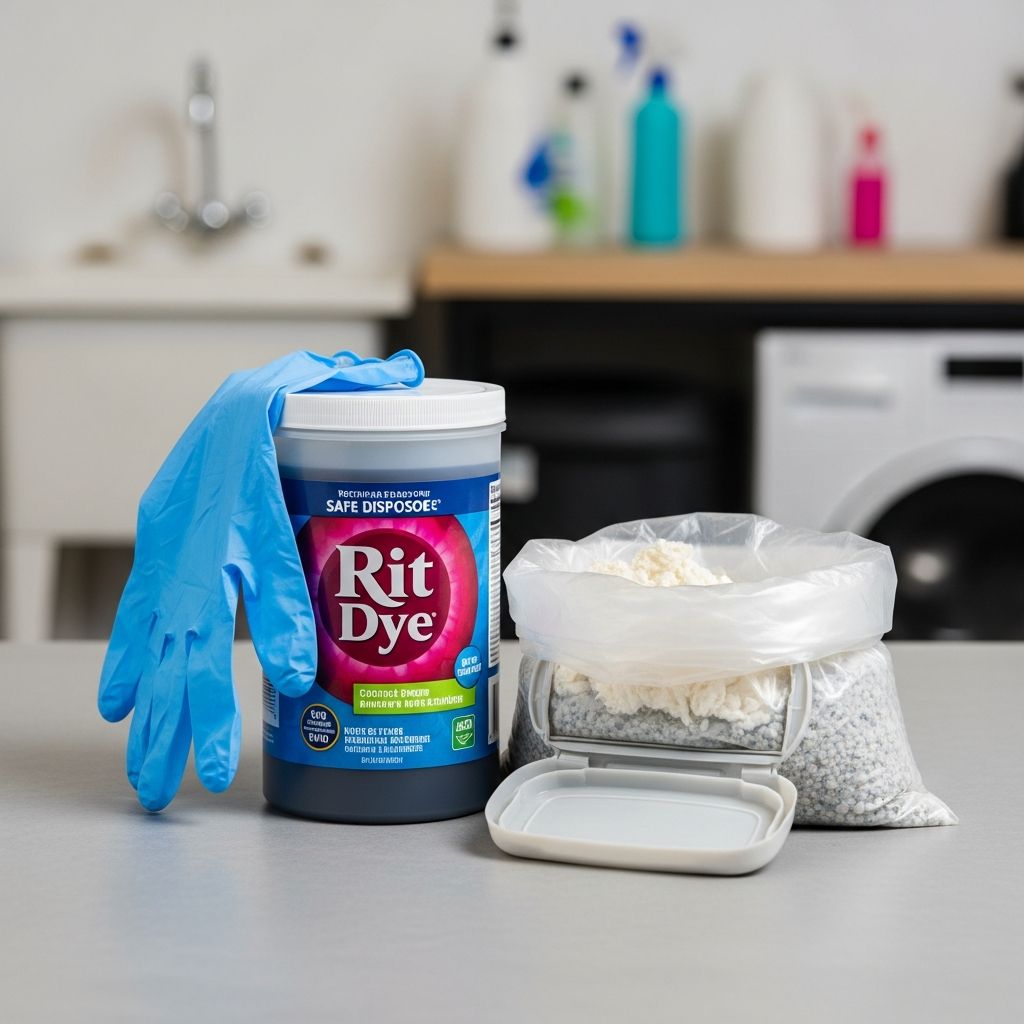
Rit dye, a popular choice for revitalizing fabrics, wood, and synthetics, is formulated with nontoxic ingredients that simplify post-project cleanup. Unlike harsher industrial dyes, Rit products allow straightforward disposal through household plumbing without risking clogs or environmental harm.
Understanding Rit Dye Composition and Safety Profile
Rit dyes consist primarily of acid, disperse, and direct dyes combined with sodium chloride, making them vegan and free from animal testing. The Consumer Product Safety Commission has verified their nontoxic nature, ensuring they pose minimal risk to users and waterways when handled correctly. This composition enables safe flushing via toilets or drains, even in homes with septic systems—a key advantage over solvent-based alternatives.
Available in powder and liquid forms, Rit offers all-purpose lines for natural fibers like cotton and wood, plus DyeMore for synthetics such as polyester golf balls or plastic accessories. Both variants share the same disposal-friendly profile, though users must dilute residues properly to prevent temporary staining on surfaces.
Primary Disposal Methods for Leftover Dye
The simplest approach for excess Rit dye solution is direct flushing. Fill a container with the dye bath, then pour it slowly into a toilet or drain while running cold water to dilute and carry it away. This method works for both small craft sessions and larger projects like dyeing bedsheets.
- Toilet flushing: Ideal for concentrated leftovers; multiple flushes ensure complete clearance.
- Sink or tub drain: Suitable for diluted baths; follow with hot soapy water rinses.
- Septic compatibility: Rit explicitly confirms safety for septic tanks, as the dyes biodegrade without disrupting bacterial balance.
Avoid dumping undiluted dye outdoors, as the salt content can harm grass roots, mimicking winter road salt’s effects. Always check local regulations, though Rit’s profile aligns with most municipal wastewater guidelines.
Cleanup Strategies After Dyeing Sessions
Spills and residues demand prompt attention to avoid stains. For liquid dye on surfaces, blot immediately with paper towels, then clean with dish soap and warm water. Powder spills require sweeping into a dustpan before vacuuming to prevent airborne particles.
| Surface Type | Cleanup Steps | Tools Needed |
|---|---|---|
| Fabric/Clothing | Pre-wash in warm soapy water; rinse thoroughly | Detergent, warm water |
| Stainless Steel Pots | Scrub with bleach solution; rinse and dry | Bleach, sponge |
| Plastic Containers | Wipe with detergent; run bleach cycle if reusable | Detergent, bleach |
| Wood Surfaces | Wipe with hot soapy water; sand if stained | Soap, sandpaper |
For machine-dyed items, run a hot bleach cycle post-use: add 1 cup chlorine bleach to high water level with old towels for 30+ minutes. This removes residues from drums and dispensers.
Handling Dye in Washing Machines and Appliances
Rit revolutionized home dyeing by proving compatibility with standard washers. After stovetop or machine dyeing, clean thoroughly to maintain appliance longevity.
- Run hottest cycle with detergent and 2 cups bleach plus towels.
- Wipe lid, dispensers, and seals with bleach-dampened cloths.
- For front-loaders, clean drawer separately and flush with hot water.
Top-loaders follow similar steps: fill to max, add bleach/detergent, agitate with rags. This prevents color transfer in future loads.
Storage Tips to Extend Dye Shelf Life
Rit dyes boast indefinite shelf life with proper storage. Keep powders in airtight containers in cool, dry pantries away from moisture. Liquids require tight caps in stable temperatures to avoid separation.
- Powder: Original packaging or glass jars; label with color/date.
- Liquid: Upright storage; shake before use if settled.
- Best practices: Avoid garages or humid basements; check for clumping before projects.
Revive old dye by dissolving in hot water; test on scraps first.
Environmental Considerations and Best Practices
While nontoxic, responsible use minimizes impact. Dilute thoroughly before disposal to aid municipal treatment plants. For eco-projects, strain dye baths through fabric filters to capture solids, then compost plant-based residues if applicable.
Rit supports sustainable crafting: reuse baths for multiple items by maintaining simmer temperatures, reducing waste. Pair with color removers for error correction without discarding materials.
Special Scenarios: Color Remover and DyeMore Disposal
Rit Color Remover, used for stripping hues from fabrics or wood, follows identical disposal rules—flush residues safely. DyeMore, for synthetics, may require hotter baths but shares nontoxic flushing approval.
On wood: Mix remover with hot water (160°F), apply, rinse after 1-2 hours. Dispose rinse water via drain.
Frequently Asked Questions (FAQs)
Can I dispose of Rit dye in septic systems?
Yes, Rit products are fully safe for both sewer and septic systems, as confirmed by the manufacturer.
Will Rit dye stain my plumbing?
No, when diluted and flushed properly, it won’t harm pipes or leave permanent marks.
How do I clean dye spills on carpet?
Blot excess, apply dish soap solution, rinse with cold water, and dry thoroughly.
Is Rit dye safe for outdoor disposal?
Avoid lawns due to salt content; use drains or toilets instead.
Can I reuse dye baths?
Yes, simmer and add fresh dye for lighter shades on subsequent items.
What if my dye powder clumps?
Store in dry areas; break up clumps and dissolve in hot water for use.
Advanced Tips for Eco-Friendly Dyeing
Minimize waste by calculating dye amounts precisely: 1 bottle or package per pound of fabric. Experiment with natural mordants like aluminum sulfate for fixation, filtering leftovers for reuse. Integrate Rit into upcycling: dye thrifted clothes, removing old colors first for vibrant results.
For large-scale projects, batch-process in utility sinks, disposing in stages. Track local water quality reports; Rit’s low heavy-metal profile supports compliance everywhere.
In community workshops, designate cleanup stations with bleach sprays and strainers. Educate participants on flushing protocols to foster safe habits.
References
- MSDS for #01273 – RIT DYE LIQUID — Blick Art Materials. Accessed 2026. https://www.dick-blick.com/msds/DBH_SDS_012733085.pdf
- How to Use Rit Color Remover — Rit Dye. Accessed 2026. https://www.ritdye.com/instructions/how-to-use-rit-color-remover/
- How To Dispose Of Rit Dye — Hunker. Accessed 2026. https://www.hunker.com/12273625/how-to-dispose-of-rit-dye/
- Rit Color Remover Decolouriser — Patin-a. Accessed 2026. https://www.patin-a.de/en/rit-colour-remover-decolouriser
- FAQs | Rit Dye — Rit Dye Store. Accessed 2026. https://ritdye.store/pages/faqs
- Recycling Dye Bath Leftovers: A Practical Solution — YouTube (Rit Dye related). Accessed 2026. https://www.youtube.com/watch?v=pz4W2V3qfBQ
- Are Rit products safe for sewer or septic systems? — Rit Dye. Accessed 2026. https://www.ritdye.com/faq/are-rit-products-safe-for-sewer-or-septic-systems/
Similar Articles








Read full bio of medha deb