Safe Paint Stripper Disposal Guide
Master the art of responsibly discarding paint strippers to protect your home, family, and the environment from hazardous waste risks.
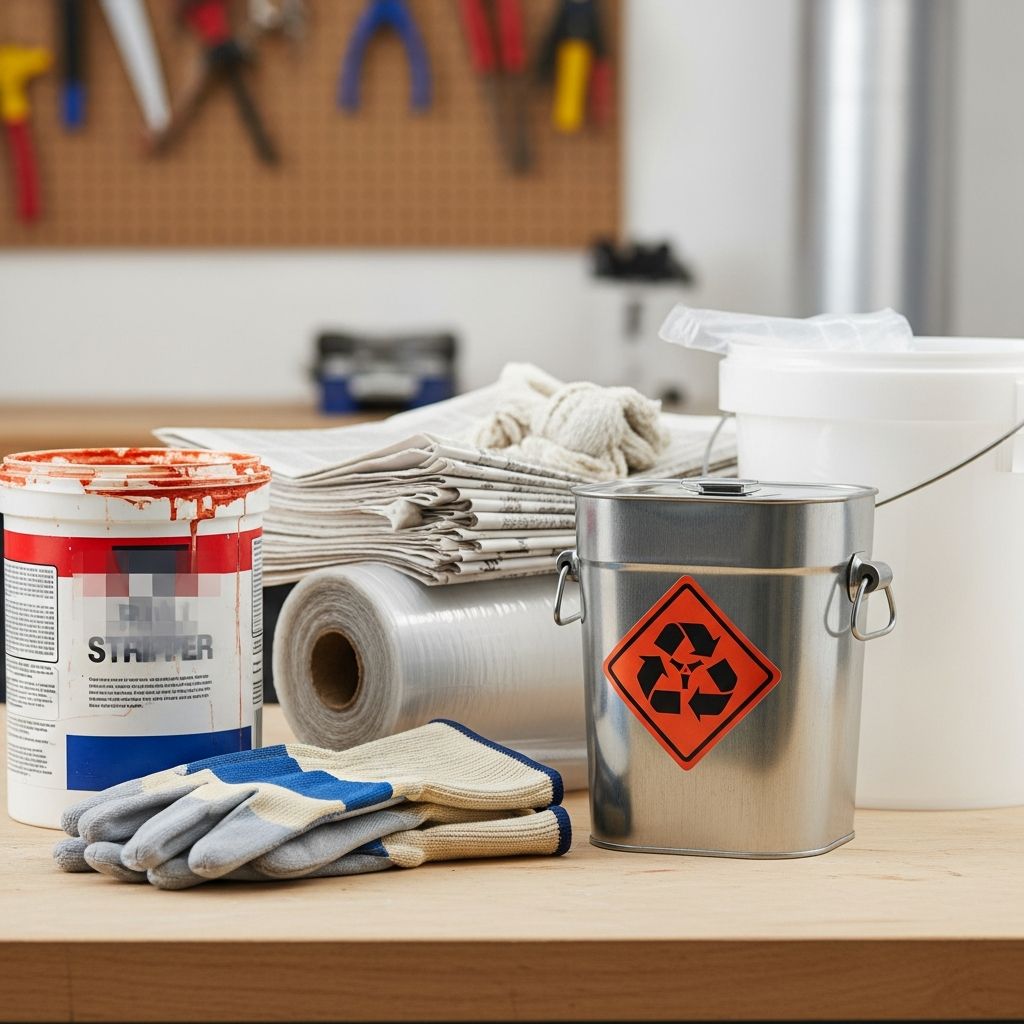
Paint strippers, powerful chemicals used to remove old coatings from surfaces, require careful handling during disposal to avoid environmental contamination and health hazards. These substances often contain volatile solvents like dichloromethane, making improper disposal risky for waterways, soil, and air quality. This guide outlines practical, regulation-compliant strategies for homeowners and DIY enthusiasts to manage leftover strippers responsibly.
Understanding Paint Strippers and Their Risks
Paint strippers come in various forms, including liquid solvents, gels, and pastes, each designed to soften and lift paint layers. Solvent-based types, common for tough jobs, evaporate quickly but leave residues that are toxic if released into ecosystems. Water-based alternatives are milder but still demand proper waste management.
Key risks include groundwater pollution from leaching solvents and fire hazards from flammable vapors. Federal and state agencies classify many strippers as hazardous waste, prohibiting drain or trash disposal without treatment. Always check product labels for specific warnings, as formulations vary.
Assessing Your Paint Stripper Type
Before disposal, identify the stripper category:
- Solvent-Based: Contains methylene chloride or N-methyl-2-pyrrolidone (NMP); highly volatile and regulated.
- Water-Based: Lower volatility, often biodegradable, but residues may still require special handling.
- Gel or Paste: Thicker formulas reduce drips but concentrate waste volume.
Use the Material Safety Data Sheet (MSDS) or label to confirm composition. This step determines allowable methods, as solvent types cannot be poured down drains.
Step-by-Step Preparation for Disposal
1. Minimize Waste Generation
Prevent excess by purchasing only needed amounts. For ongoing projects, decant small quantities into reusable containers, avoiding contamination of the main supply. Gels should not be returned to original packaging due to altered viscosity from evaporation.
2. Contain and Neutralize Residues
Transfer used stripper to sealable metal or plastic containers labeled “Hazardous Waste.” For brushes and tools, rinse with minimal solvent, capturing rinsate. Avoid skin contact; wear gloves and work in ventilated areas.
3. Drying Techniques for Solids
Spread thin layers of stripper residue on absorbent materials like newspapers in a well-ventilated outdoor space. Allow full evaporation until cracker-dry—test by probing with a tool; if it resists penetration, it’s ready for regular trash. This method suits small volumes of latex-related wastes but not pure solvents.
Effective Solvent Recovery Methods
Recycling extends stripper life and reduces disposal needs. The “three-jar system” separates clean solvent from contaminants:
- Jar 1: Collect dirty solvent from cleaning.
- Jar 2: Let settle; skim clear top layer for reuse.
- Jar 3: Store purified solvent.
Gravity separation works because pigments sink, leaving reusable top layers. Repeat until jars fill, then process bottoms as waste.
Absorbent Neutralization for Solvents
Use commercial kitty litter or oil-dry products to solidify liquid solvents. Pour into a glass or sturdy plastic jar, shake vigorously, and let absorb. Once clumped and dry, discard as solid waste per local rules. This technique handles oil-based paints, thinners, and strippers effectively.
| Method | Best For | Pros | Cons |
|---|---|---|---|
| Drying | Latex residues | Simple, low-cost | Not for liquids; weather-dependent |
| Three-Jar Recycle | Solvents | Reuses material | Requires storage space |
| Absorbent Kitty Litter | Thinners, oils | Quick solidification | Product cost |
Locating Professional Disposal Options
Household hazardous waste (HHW) facilities accept strippers free or low-cost. Search county websites or call waste services for events and drop-offs. Programs like PaintCare in California manage paints and solvents statewide.
- Verify acceptance: Some sites take only dried paint; others handle liquids.
- Prepare: Seal containers, note contents, avoid mixing wastes.
- Alternatives: Retailers like paint stores may offer take-back.
For businesses, commercial haulers comply with EPA rules. Never use curbside trash for liquids.
Legal Requirements and Regional Variations
U.S. regulations ban untreated hazardous liquids in landfills. States like California prohibit drain dumping entirely. Check local ordinances—some allow dried solids in municipal waste, others mandate HHW sites.
Transport safely: Use secondary containment like trays to prevent spills. Fines for violations can exceed $1,000.
Safety Precautions During Handling
Work outdoors or ventilate; strippers emit fumes causing dizziness or worse. PPE includes respirator, goggles, nitrile gloves, and coveralls. Store in cool, dry places away from ignition sources.
Common Mistakes to Avoid
- Drain Dumping: Clogs pipes and pollutes water.
- Mixing Wastes: Creates dangerous reactions.
- Improper Sealing: Leads to leaks and odors.
- Assuming All Dry: Liquids remain hazardous.
FAQs
Can I pour paint stripper down the drain?
No, it’s illegal and environmentally damaging. Collect and dispose via HHW facilities.
How do I know if my stripper is hazardous?
Check labels for “flammable,” “corrosive,” or solvent listings like dichloromethane.
Is drying safe for all strippers?
Only for non-volatile, small amounts. Pure solvents require absorption or professional disposal.
What if no HHW site is nearby?
Contact waste authorities for events or mail-back programs. Store securely until available.
Can I recycle stripper containers?
Triple-rinse empties; check local rules—metal cans often recyclable post-cleaning.
Advanced Tips for Frequent Users
Invest in reusable tools and low-VOC strippers to cut waste. Track disposal volumes for tax-deductible donations to community cleanups. Maintain a waste log for compliance.
For large projects, consider professional abatement services versed in regulations.
References
- Paint Stripping – Canada.ca — Environment and Climate Change Canada. 2018. https://www.canada.ca/content/dam/eccc/migration/main/lcpe-cepa/documents/codes/dichloromethane/dichloromethane-eng.pdf
- Paint Management – CalRecycle — California Department of Resources Recycling and Recovery. 2023. https://calrecycle.ca.gov/paint/
- What You Should Know About Using Paint Strippers — U.S. Consumer Product Safety Commission. 1985 (authoritative guidance). https://www.cpsc.gov/s3fs-public/423%20Paint%20Stripper%20Publication.pdf
- Learn More about Klean Strip® Painter’s Solvent — Klean Strip. 2023. https://kleanstrip.com/tutorials/learn-more-about-klean-strip-painters-solvent/
- Paint | Montgomery County, PA — Montgomery County, PA Official Website. 2023. https://www.montgomerycountypa.gov/1996/Paint
Similar Articles



Read full bio of Sneha Tete