Propane Tank Storage: Comprehensive Guide To Safe Handling
Master essential guidelines for storing propane tanks to prevent hazards and ensure compliance with safety regulations.
Safe Propane Tank Storage Guide
Propane tanks power grills, heaters, and generators, but improper storage poses fire and explosion risks. Following strict guidelines minimizes hazards and complies with regulations.
Why Proper Storage Matters
Propane, a flammable liquefied gas under pressure, requires careful handling. Leaks can ignite easily, causing fires or blasts. U.S. regulations like OSHA 1910.253 mandate protected, ventilated storage at least 20 feet from combustibles to prevent accidents. California standards echo this, prohibiting unventilated enclosures. Adhering prevents violations—OSHA issued 58 citations in 2019 for improper storage near flammables.
Choosing the Right Outdoor Location
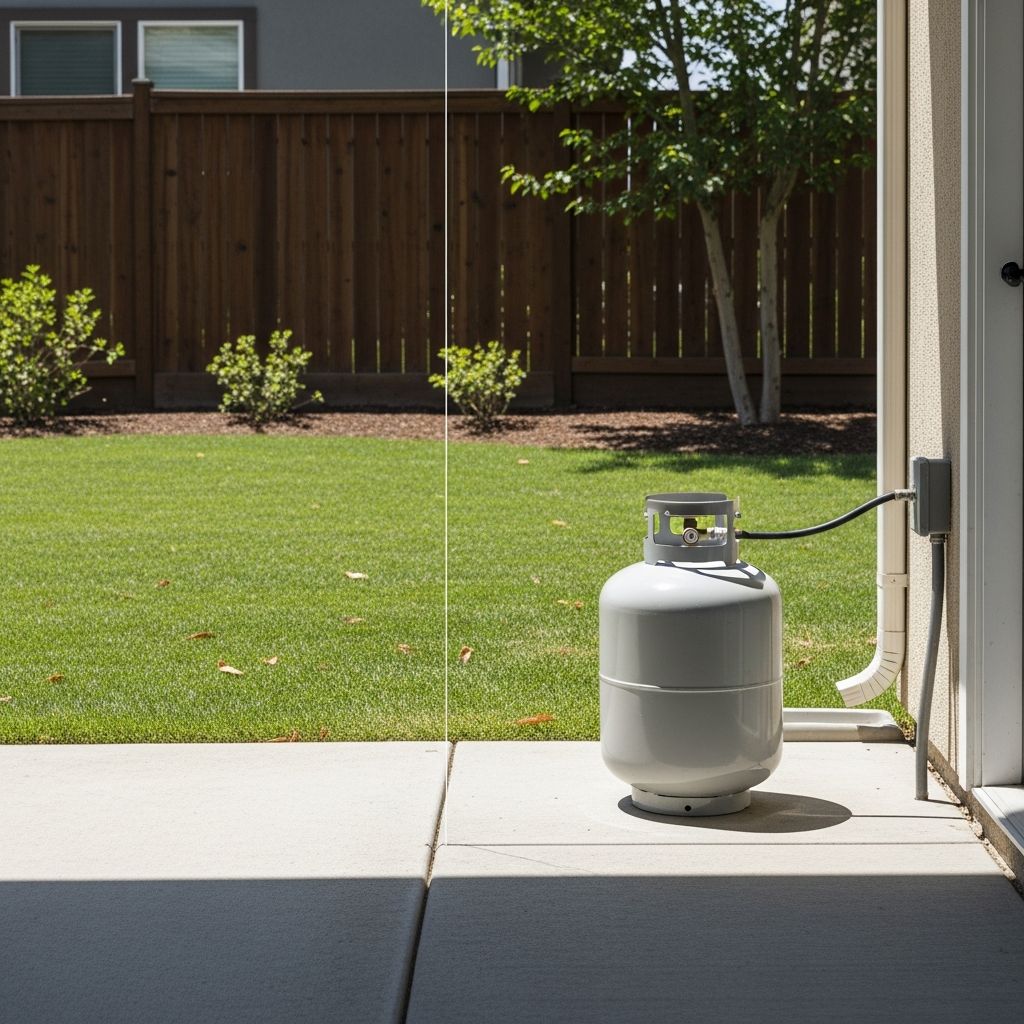
Store tanks exclusively outdoors in open, well-ventilated areas. Avoid garages, sheds, basements, or enclosed spaces where vapors accumulate. Ideal spots are shaded, flat, dry surfaces away from direct sun, which can exceed safe temperatures.
- Select ground-level areas that drain well, avoiding low spots collecting water.
- Position at least 20 feet from buildings, exits, stairways, or high-traffic zones.
- Maintain 20-foot separation from highly combustible materials like oil, wood piles, or gasoline.
- Keep minimum 10 feet from ignition sources: flames, sparks, electrical equipment.
For multiple tanks, use dedicated safety cages or cabinets with ventilation, elevated off ground on non-combustible bases.
Positioning Cylinders Correctly
Always store propane cylinders upright on their base ring. This keeps the relief valve in vapor space, preventing leaks if activated. Horizontal storage is prohibited for grill tanks; forklift cylinders may lay flat if relief devices face upward.
| Cylinder Type | Approved Position | Key Reason |
|---|---|---|
| Portable Grill (1-20 lb) | Upright only | Valve contacts vapor space |
| Forklift/Industrial | Upright or horizontal (valve at 12 o’clock) | Prevents liquid release |
| Large Stationary | Upright, secured | Stability against tipping |
Secure with chains, straps, or brackets around the upper third to prevent falling. Isolate charged and empty cylinders.
Temperature and Environmental Controls
Never expose tanks to temperatures over 120-125°F, including heat sources like flames, arcs, steam lines, or hot vehicles. Oregon OSHA allows sun exposure if under 125°F, but check manufacturer limits.
- Shade tanks; avoid direct sunlight or reflective surfaces.
- Protect from weather: use ventilated covers, not plastic tarps trapping heat.
- Elevate on pallets or bases preventing rust from ground moisture.
Handling Full vs. Empty Tanks
Treat empty tanks as hazardous due to residual pressure. Store separately from full ones if possible. Close valves tightly and install plugs or caps on outlets for all disconnected cylinders. Mark empties clearly to avoid confusion.
Storage for Residences and Businesses
Residential Best Practices
Homeowners: Place spare tanks away from grills, patios, or garages—ideally on porch edges or dedicated stands. Keep out of reach of children and pets in low-traffic spots. Avoid under active appliances.
Commercial and Industrial Sites
Businesses must follow OSHA 1910.253(b)(2): well-protected, dry, ventilated areas away from elevators and combustibles. Use approved lockers for indoor-adjacent storage, ensuring no unventilated cabinets. For LP gases, 20-foot separation from flammable liquids per 1910.110.
Safe Transportation Rules
Transport upright, secured to prevent rolling or tipping—use tie-downs, crates, or stabilizers. Never leave in closed vehicles, especially hot ones; ensure ventilation. Close valves, plug if needed, and avoid passenger compartments. During unloading, park away from public roads and storage. No smoking.
Common Mistakes to Avoid
- Storing indoors or near heat sources.
- Laying tanks sideways.
- Placing near flammables or exits.
- Leaving valves open or uncapped.
- Overlooking securing mechanisms.
Equipment for Secure Storage
Invest in:
- Cylinder cages or lockers with ventilation and locks.
- Non-combustible pallets or stands.
- Valve protection caps/plugs.
- Warning signs for restricted areas.
Inspection and Maintenance
Regularly check for dents, rust, or damage. Test valves for leaks with soapy water. Recertify per DOT schedules: 12 years for 20-lb tanks. Remove damaged tanks from service immediately.
Frequently Asked Questions
Can I store propane tanks in my garage?
No, garages lack ventilation; store outdoors only to prevent vapor buildup.
How far from my house should tanks be?
At least 20 feet from buildings or ignition sources for safety.
Is it okay to lay propane tanks on their side?
No for most; upright ensures relief valve functions properly.
What if temperatures exceed 120°F?
Move to shade or cooler area; avoid exposure above limits.
Do empty tanks need special storage?
Yes, store separately, upright, with valves closed—residual gas remains.
Regulatory Compliance Summary
| Regulation | Key Requirement |
|---|---|
| OSHA 1910.253(b)(2) | 20 ft from combustibles, ventilated, protected |
| CA Title 8 §4650 | No unventilated enclosures, 20 ft separation |
| LP Gas 1910.110 | 20 ft from flammable tanks |
Compliance reduces risks and fines. Consult local fire codes for additions.
References
- The Key to Understanding OSHA Propane Regulations — SafeStart. 2023. https://safestart.com/news/the-key-to-understanding-osha-propane-regulations/
- OSHA Violations for Safety Lockers & Cylinder Storage — Justrite. 2021. https://www.justrite.com/osha-violations/safety-lockers-cylinder-storage
- §4650. Storage, Handling, and Use of Cylinders — California Department of Industrial Relations. Accessed 2026. https://www.dir.ca.gov/title8/4650.html
- Safety Guide for Portable Propane Cylinders — Propane Education & Research Council (PERC). 2024. https://propane.com/safety/safety-guide-for-portable-propane-cylinders/
- Safety Tips for Storing Propane Tanks — The Compliance Center. 2023. https://www.thecompliancecenter.com/help-center/articles/safety-tips-for-storing-propane-tanks/
- OSHA FACT SHEET Compressed Gas Safety — Oregon OSHA. 2022. https://osha.oregon.gov/oshapubs/factsheets/fs09.pdf
- How to safely store & transport a propane tank — Ferrellgas. 2024. https://www.ferrellgas.com/tank-talk/blog-articles/how-to-safely-store-transport-a-propane-tank/
Similar Articles



Read full bio of medha deb