Safe and Simple Trailer Hitch Ball Removal: A Complete DIY Guide
Everything you need to safely loosen, remove, and replace a stubborn trailer hitch ball at home.
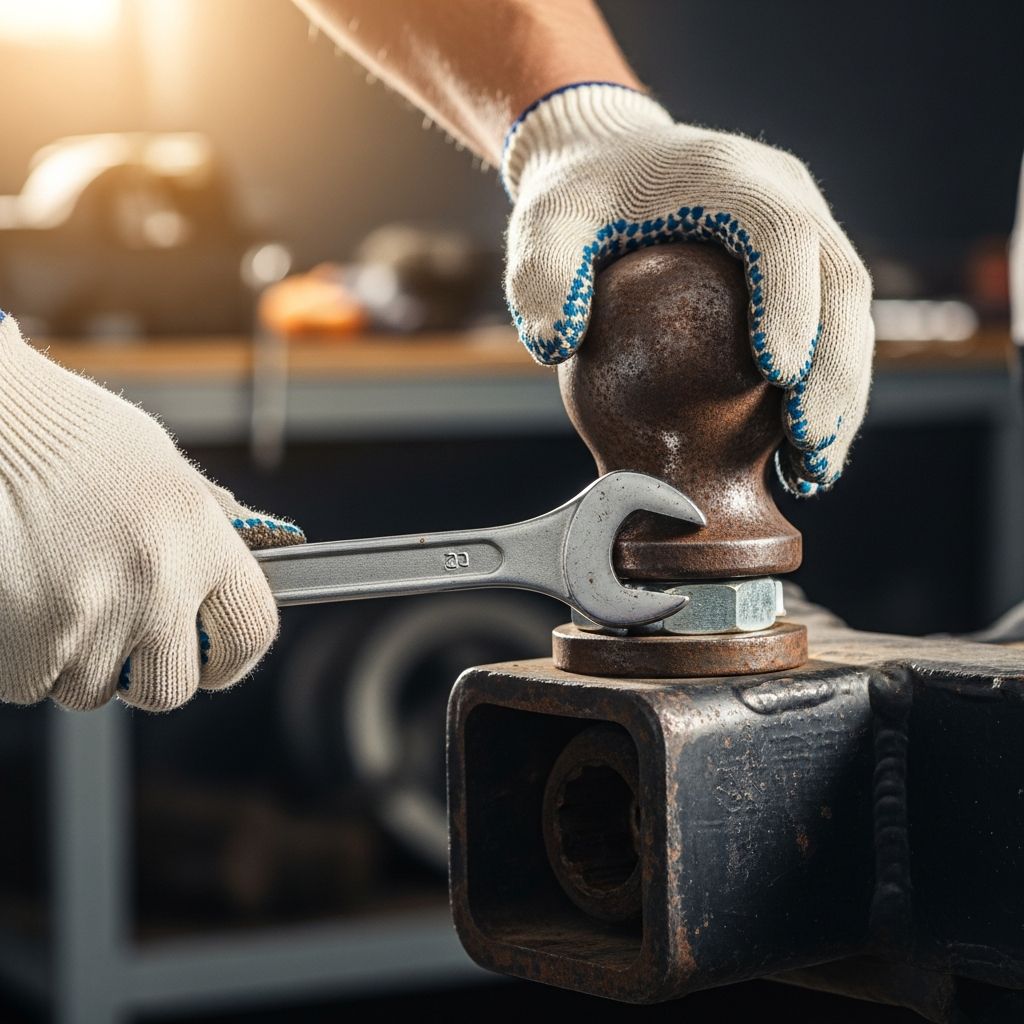
Whether you are upgrading towing equipment, changing ball sizes to match a new trailer, or simply retiring a worn-out component, knowing how to remove a trailer hitch ball is an essential DIY skill for anyone who tows. This guide explains the entire process step by step, from preparation and safety to dealing with rusted or stubborn parts, using clear language and practical techniques.
Why You May Need to Remove a Trailer Hitch Ball
Trailer hitch balls are not one-size-fits-all. Different trailers often require different ball diameters and shank sizes, so being able to swap them out ensures a safer and more compatible towing setup. In addition, regular inspection and occasional replacement of the hitch ball help prevent wear-related failures and allow for cleaning and rust treatment on the ball mount.
There are several common reasons to remove a trailer hitch ball:
- Switching to a different ball size to match a new or borrowed trailer.
- Replacing a worn, pitted, or visibly corroded ball or nut.
- Cleaning and repainting a rusty ball mount or drawbar.
- Upgrading to a higher-rated ball for heavier towing loads.
- Storing the mount without the ball to reduce theft risk or shin injuries.
Understanding the Parts of a Hitch Ball Assembly
Before turning a single wrench, it helps to understand how the hitch ball is attached. A standard ball consists of a rounded towing ball on top, a threaded shank in the middle, and a nut and washer underneath that clamp it to the ball mount or drawbar. The shank passes through a hole in the mount, and the nut underneath locks everything in place when tightened to the correct torque.
On most passenger vehicles, the ball mounts into a receiver-style hitch: a square tube bolted or welded to the frame. The ball mount slides into the receiver and is held with a hitch pin and clip. Removing the hitch ball itself usually takes place with the ball mount removed from the vehicle so it can be clamped securely for leverage and safety.
Tools and Materials You May Need
Many hitch balls can be removed with basic hand tools, but heavily corroded parts may need extra help. Gathering the right tools first keeps the job safe and efficient.
Basic hand tools
- Large adjustable wrench or correctly sized box-end/combination wrench for the nut.
- Second wrench or large locking pliers to hold the ball from rotating.
- Socket and breaker bar, if a large socket is available for the nut size.
- Standard pliers for cotter pins or clips (if present on older setups).
Support and safety equipment
- Sturdy bench vise or heavy-duty clamps to hold the ball mount.
- Work gloves to protect your hands from sharp edges and rust.
- Safety glasses to shield your eyes from rust flakes or metal shards.
- Wheel chocks if you are working with the mount still in the vehicle.
For stuck or rusted hitch balls
- Penetrating oil or rust dissolver spray.
- Wire brush or small wire wheel for cleaning threads.
- Rubber mallet or hammer for light tapping.
- Heat source such as a propane torch (for experienced DIYers only).
- Cutoff tool or angle grinder with metal-cutting disc as a last resort.
Preparation and Safety Before Loosening Anything
Because the hitch ball is part of the towing connection, it can be under substantial load if the trailer is still attached. Never attempt to remove the ball while the trailer coupler is engaged or while the vehicle is parked on an incline that could allow movement. Always disconnect the trailer first, secure it with wheel chocks or a tongue jack, and move the tow vehicle to a stable, flat surface.
If possible, pull the entire ball mount out of the hitch receiver and transfer it to a workbench. Clamping the mount in a vise gives you better control of the tools and keeps the ball from moving unexpectedly. Working at bench height instead of on the ground also reduces strain and makes it easier to apply steady pressure in the correct direction.
Step-by-Step: Removing a Standard Hitch Ball
Most hitch balls that are not badly rusted will come off with a straightforward approach using wrenches and a bit of leverage. Use the following general procedure as a baseline before moving on to more aggressive methods.
- Secure the ball mount.
Place the ball mount into a sturdy vise with the shank and nut accessible. Tighten the vise jaws firmly around the drawbar so it cannot twist when you apply torque. If a vise is not available, lay the mount on the ground and brace it under a heavy object, but ensure it cannot slip.
- Inspect the nut and threads.
Check for cotter pins, locking tabs, or deformed sections that may prevent the nut from turning. Clean off dirt and surface rust with a wire brush so the wrench can seat fully on the nut. This step helps prevent rounded corners and slipping tools.
- Apply penetrating oil.
Spray the threads where they emerge from the nut, as well as the interface between nut and washer. Allow the oil to soak for several minutes or longer. On older hitches, applying the oil earlier in the day and returning later often makes the job noticeably easier.
- Hold the ball steady.
Attach a second wrench, large pipe wrench, or locking pliers to the flats or base of the ball to keep it from turning. Alternatively, if the ball has two flats near the top, fit a wrench there. Resist the temptation to rely solely on the vise to stop rotation.
- Turn the nut counterclockwise.
Fit the primary wrench or socket on the nut and pull steadily in the loosening direction. A long-handled wrench or breaker bar gives more leverage and usually works better than sudden jerks. If the nut begins to move, continue turning it until it comes free, then remove the ball and washer from the mount.
Dealing with Stubborn or Rusted Hitch Balls
When corrosion, old thread-locking compounds, or years of exposure have essentially frozen the nut in place, you may need a combination of techniques. Work carefully, escalating your efforts in stages to avoid damaging the mount or injuring yourself.
Extended soaking with penetrating oil
If the nut refuses to move after the first attempt, soak the threads again and walk away. Giving the oil more time lets it creep into the tiny gaps between the threads, breaking rust bonds gradually. Tapping around the nut lightly with a hammer can also help distribute the oil and loosen scale without mushrooming the metal.
More leverage, not more force
Rather than hitting the wrench with a hammer, slip a length of pipe over the handle to extend it and increase leverage. This approach allows greater torque with better control and less chance of the wrench slipping off and causing injury. Always make sure you are pulling in a balanced stance, so if the nut suddenly breaks free, you do not lose your footing.
Using controlled heat
For experienced DIYers with proper safety gear, carefully applied heat can expand the nut relative to the shank and break the rust bond. A propane torch aimed at the nut (not the ball or mount) for a short time may be enough to allow loosening once it cools slightly. Avoid overheating painted surfaces or plastic components, and never use open flame near flammable liquids or in enclosed spaces.
Last-resort cutting methods
If every other option fails, cutting the nut off may be the most efficient solution. A cutoff wheel or angle grinder can slice through one side of the nut, after which a chisel can spread it open so it can be removed. This method will destroy the nut and usually the ball, but it allows you to reuse the ball mount instead of replacing the entire assembly.
Cleaning and Inspecting After Removal
Once the ball is off, take the opportunity to inspect the mounting hole, the face of the ball mount, and surrounding areas for wear or damage. Elongated holes, cracks, or severe pitting indicate that replacing the ball mount is safer than reusing it. Small amounts of surface rust can usually be removed with a wire brush and treated with a rust-inhibiting primer or paint.
If the mount is in good condition, clean off the remaining oil and debris before installing a new ball. A clean mating surface helps the new ball seat properly and allows the washer and nut to clamp evenly. This ensures that torque values are meaningful and reduces the chance of loosening while towing.
Installing a New Trailer Hitch Ball
Proper installation of a replacement ball is as important as removing the old one. The goal is to choose the correct ball for your towing needs, seat it firmly, and tighten it to the manufacturer’s specified torque so it will not work loose in service.
Choosing a replacement hitch ball
Match the ball size to the trailer coupler marking, which usually indicates the required diameter. Also confirm the shank diameter and length fit the ball mount hole and thickness. Finally, verify the weight rating on the ball exceeds the loaded weight of the trailer, including cargo and fluids.
| Factor | What to Check | Why It Matters |
|---|---|---|
| Ball diameter | Match trailer coupler size marking. | Prevents sloppy fit and unexpected uncoupling. |
| Shank diameter | Must match drawbar hole size. | Provides proper clamping and load transfer. |
| Shank length | Long enough for washer and full nut engagement. | Ensures complete thread contact for strength. |
| Weight rating | Equal to or greater than trailer’s loaded weight. | Reduces risk of failure under heavy loads. |
| Finish and material | Chrome, stainless, or coated steel. | Improves corrosion resistance and longevity. |
Basic installation steps
- Insert the new ball’s shank through the cleaned hole in the ball mount from the top side.
- Place the washer on the shank underneath, then thread the nut on by hand to avoid cross-threading.
- Clamp the ball mount in a vise or hold the ball with a wrench, then tighten the nut with a torque wrench to the manufacturer’s specified value.
- Reinstall the ball mount into the receiver, secure it with the hitch pin and clip, and double-check all connections before towing.
Key Safety Tips for Hitch Ball Removal and Installation
Safe towing begins long before the trailer rolls. Properly handling the hitch ball and related components helps prevent injury in the driveway and failures on the road. Keep the following reminders in mind throughout the process.
- Never work on the hitch ball while the trailer is still connected or bearing weight.
- Always wear eye protection when brushing rust, using power tools, or cutting metal.
- Use tools that fit correctly; undersized or oversized wrenches increase the risk of slipping.
- Do not exceed the recommended torque on the nut, especially when using long breaker bars.
- After installation, recheck the nut for tightness after the first few tows, then periodically as part of routine maintenance.
Frequently Asked Questions About Trailer Hitch Ball Removal
How do I know which way to turn the nut?
Most trailer hitch ball nuts follow standard right-hand threads. Facing the nut, turning it counterclockwise will usually loosen it, and turning it clockwise will tighten it. If the nut does not budge, double-check that the wrench is fully seated and that there are no locking devices in place.
Can I remove the hitch ball without taking the mount off the vehicle?
It is technically possible, but typically less safe and more awkward. Working under the bumper or near the rear of the vehicle reduces leverage and may put you in an unstable position. Whenever possible, remove the ball mount completely and secure it in a vise or on a bench before loosening the ball.
What if the ball keeps spinning while I try to loosen the nut?
This usually happens when the ball is not clamped securely and there is no opposing force on the shank. Use a second wrench, pipe wrench, or locking pliers on the flats or base of the ball while turning the nut with your main wrench. Clamping the mount firmly in a vise also reduces movement significantly.
Is using heat safe for every hitch ball?
Heat can be effective but must be used carefully. Avoid applying intense heat for long periods or near fuel lines, plastic components, or painted surfaces that could ignite or release fumes. If you are unsure, focus instead on penetrating oil, leverage, and, as a last resort, cutting methods that do not involve open flame.
When is it better to replace the entire ball mount?
If you notice cracks, a visibly stretched or oval mounting hole, severe rust that flakes off in chunks, or deformation from previous impacts, replacing the whole ball mount is often the safest choice. A new mount is generally far less expensive than the potential damage or injury from a hitch failure.
Ongoing Maintenance to Prevent Future Problems
A few simple habits make future hitch ball removal and installation much easier. Regular care also boosts overall towing safety and extends the life of the hitch components by resisting rust and wear. Treat the hitch as part of the vehicle’s maintenance schedule rather than a set-and-forget accessory.
- Inspect the hitch ball, mount, and receiver for rust, cracks, and looseness several times a year.
- Apply a thin film of grease on the ball to reduce coupler wear and protect the finish.
- Use anti-seize compound on the shank threads during installation to ease future removal.
- Rinse road salt and dirt off the hitch area after winter driving to slow corrosion.
- Store removable ball mounts indoors when not in use for extended periods.
Similar Articles




Read full bio of Sneha Tete