Safe Window Film Cleaning Guide
Master the art of cleaning window film to keep it pristine and scratch-free with proven techniques and safe materials for lasting clarity.
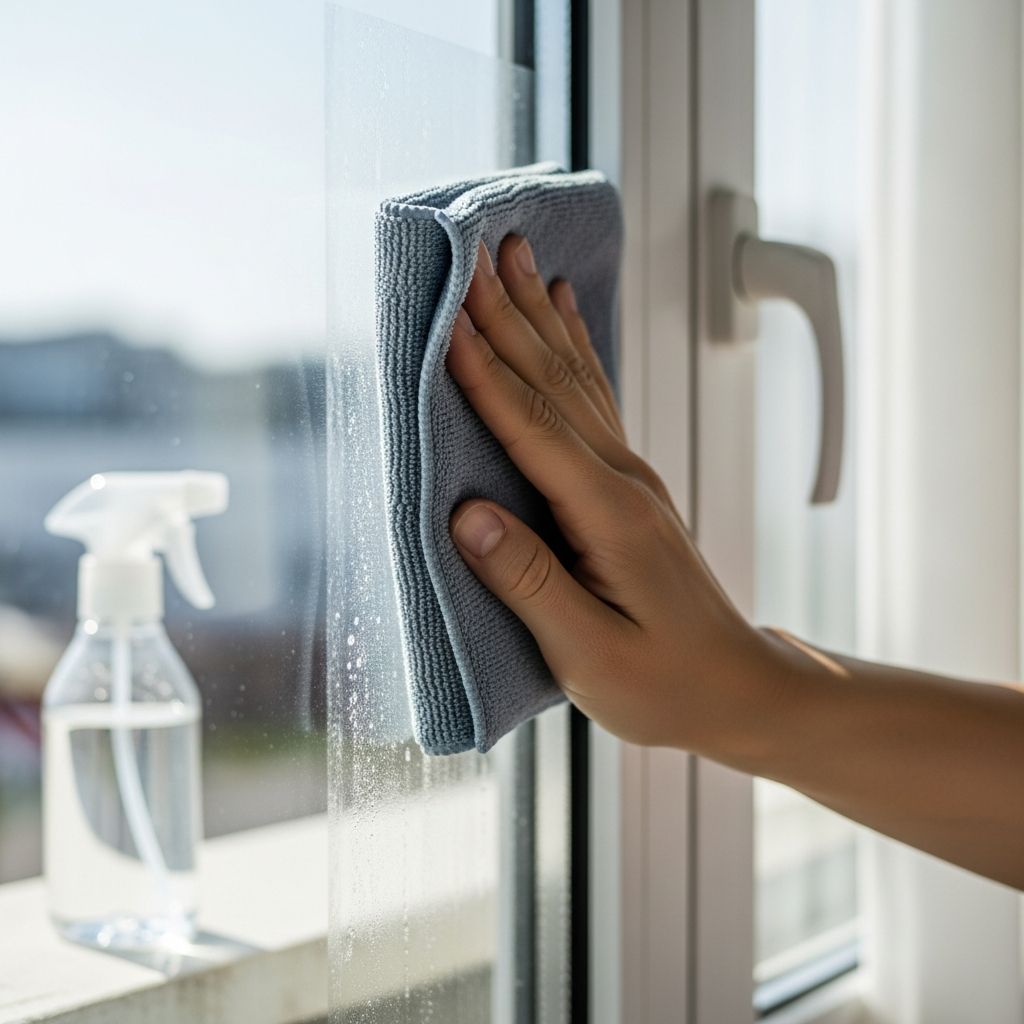
Window film enhances privacy, reduces glare, blocks UV rays, and improves energy efficiency, but improper cleaning can lead to scratches, bubbles, or peeling. This guide provides detailed, safe methods to maintain your window film’s appearance and functionality using gentle techniques and appropriate materials.
Understanding Window Film Materials
Window films are typically made from durable polyester or vinyl layers with adhesive backing. These surfaces are sensitive to abrasives, harsh chemicals, and excessive pressure, which can cause micro-scratches or degrade the adhesive over time. Regular maintenance preserves the film’s optical clarity and extends its lifespan, often 10-20 years with proper care.
Key factors affecting film durability include exposure to direct sunlight, environmental pollutants, and cleaning habits. High-quality films from reputable installers resist fading and yellowing, but all require non-aggressive upkeep.
Essential Tools for Scratch-Free Cleaning
Gather these items before starting to ensure safe handling:
- Microfiber cloths: Lint-free and soft, ideal for dusting and wiping without leaving residue.
- Soft sponges: Non-abrasive types for applying solutions gently.
- Plastic scrapers: For stubborn debris, specifically designed for films to avoid gouging.
- Rubber squeegee: With premium rubber blade for streak-free drying.
- Spray bottle: For custom cleaning mixtures.
Avoid paper towels, steel wool, or rough pads, as they trap particles that scratch the surface.
Recommended Cleaning Solutions
Choose mild, film-safe formulas to prevent chemical damage:
- Dish soap and warm water: A few drops in a spray bottle dilutes effectively for everyday dirt.
- Baby shampoo solution: Gentle alternative with distilled water for streak-free results.
- Isopropyl alcohol: Pure form on cotton for smudges; dilute for general use.
- Commercial glass cleaners: Ammonia-free options like those without harsh solvents.
| Solution Type | Best For | Mixing Ratio | Warnings |
|---|---|---|---|
| Dish Soap | Daily grime | 1 tsp per quart water | Avoid excess suds |
| Baby Shampoo | Sensitive films | 1:10 with distilled water | No residue buildup |
| Isopropyl Alcohol | Smudges | Undiluted for spots | Test small area |
| Glass Cleaner | Quick cleans | As per label | Ammonia-free only |
Always test solutions on a small, inconspicuous area first.
Preparation Before Cleaning
Proper prep prevents damage:
- Assess film condition: Check for lifts, bubbles, or damage. Wait 15-30 days post-installation for curing.
- Dust dry: Use a microfiber cloth to remove loose particles, preventing scratches during wetting.
- Work in shade: Avoid direct sun to prevent solution drying too fast and streaking.
- Protect edges: Be cautious near frames where film is most vulnerable.
Step-by-Step Cleaning Process
Follow this sequence for optimal results:
Step 1: Initial Dry Wipe
Gently dust the entire surface with a dry microfiber cloth in one direction, following the film’s cut lines to avoid edge lift.
Step 2: Apply Solution
Spray or dampen a soft cloth/sponge with solution. Saturate evenly but avoid drips. Cover from top to bottom.
Step 3: Gentle Wiping
Use circular or straight motions aligned with film lines. Light pressure lifts dirt without stress. For tough spots, let solution sit 1-2 minutes.
Step 4: Rinse if Needed
Wipe with a clean, damp cloth to remove residue. Fresh water prevents soap buildup.
Step 5: Dry Thoroughly
Squeegee or microfiber dry in sections, pushing water to edges. Prevent spots or trapping moisture under film.
Repeat for heavily soiled areas, but limit sessions to avoid wear.
Handling Stubborn Stains and Spots
For fingerprints, bird droppings, or adhesive:
- Rubbing alcohol: Dab on cotton cloth for quick dissolution.
- Plastic scraper: Angle low to lift debris gently.
- Acetone sparingly: For glue; evaporate fast, safe in small doses on polyester.
Never use razor blades or abrasives. Patience with soaking outperforms force.
Common Mistakes to Avoid
Steer clear of these pitfalls:
- Ammonia-based cleaners: Cause hazing or delamination.
- Abrasive tools: Even mild scratches accumulate.
- Excessive force: Lifts edges or bubbles film.
- Improper drying: Leads to water intrusion.
- Hot water/steam: Warps sensitive films.
Seasonal and Long-Term Maintenance
Weekly: Quick dust and wipe for interiors.
Monthly: Full clean for exteriors exposed to pollen or pollution.
Yearly: Professional inspection for commercial or high-exposure installs.
For exteriors, use extendable tools. In winter, avoid freezing solutions. Store tools clean and dry.
Special Considerations for Different Film Types
| Film Type | Cleaning Notes | Solution Preference |
|---|---|---|
| Solar Control | UV-stable; gentle soap | Dish soap mix |
| Privacy/Decorative | Edge-sensitive | Baby shampoo |
| Security | Thicker; alcohol OK | Isopropyl |
When to Call a Professional
Seek experts for: extensive bubbling, large scratches, residue from old film, or post-storm damage. Certified installers ensure warranty compliance.
Frequently Asked Questions (FAQs)
Can I use Windex on window film?
Only ammonia-free versions. Opt for film-specific cleaners to be safe.
How soon after installation can I clean?
Wait 15-30 days for adhesive to cure fully.
Will hard water spots damage film?
Dry promptly; mineral deposits etch if left. Use distilled water rinses.
Is exterior cleaning different?
Yes, use softer tools and avoid ladders if possible; focus on downward strokes.
What if my film bubbles after cleaning?
Moisture trapped; dry thoroughly next time or consult installer.
Benefits of Proper Window Film Care
Maintaining your film saves on replacements, sustains energy savings (up to 30% on cooling), and keeps views unobstructed. Consistent habits yield professional results at home.
References
- Cleaning Window Film: Best Practices and Techniques — AP Tinting. Accessed 2026. https://www.aptinting.com/cleaning-window-film-best-practices-and-techniques/
- How to Clean Window Film: A Comprehensive Guide — StickPretty. Accessed 2026. https://www.stickpretty.com/how-to-clean-window-film-a-comprehensive-guide/
- How to Clean and Care for your Window Film — Total Tinting LLC. Accessed 2026. https://totaltintingstl.com/how-to-clean-and-care-for-your-window-film/
- How to Remove Old Window Film FAST | No Scratches — Total Window Service (YouTube). Accessed 2026. https://www.youtube.com/watch?v=jXrYj3RiY-0
- Safe Tips for Cleaning Tinted Windows — MGT Films. Accessed 2026. https://mgtfilms.com/blog/safe-tips-for-cleaning-tinted-windows/
- Window films Cleaning Tips — Lowes (PDF). Accessed 2026. https://pdf.lowes.com/productdocuments/d27ca73d-ef49-422c-b7d0-f6a7eaef4432/66008195.pdf
- How to Clean and Care for Windows After Window Film is Applied — Evolution Window Films. Accessed 2026. http://www.evolutionwindowfilms.com/blog/title/how-to-clean-and-care-for-windows-after-window-film-is-applied/id/79/
Similar Articles



Read full bio of Sneha Tete