Safely Cap Gas Lines: 5-Step Home Safety Guide
Master the essential steps for securely capping gas lines during renovations or appliance removals to protect your home from leaks and hazards.
Safely Cap Gas Lines: Complete Guide
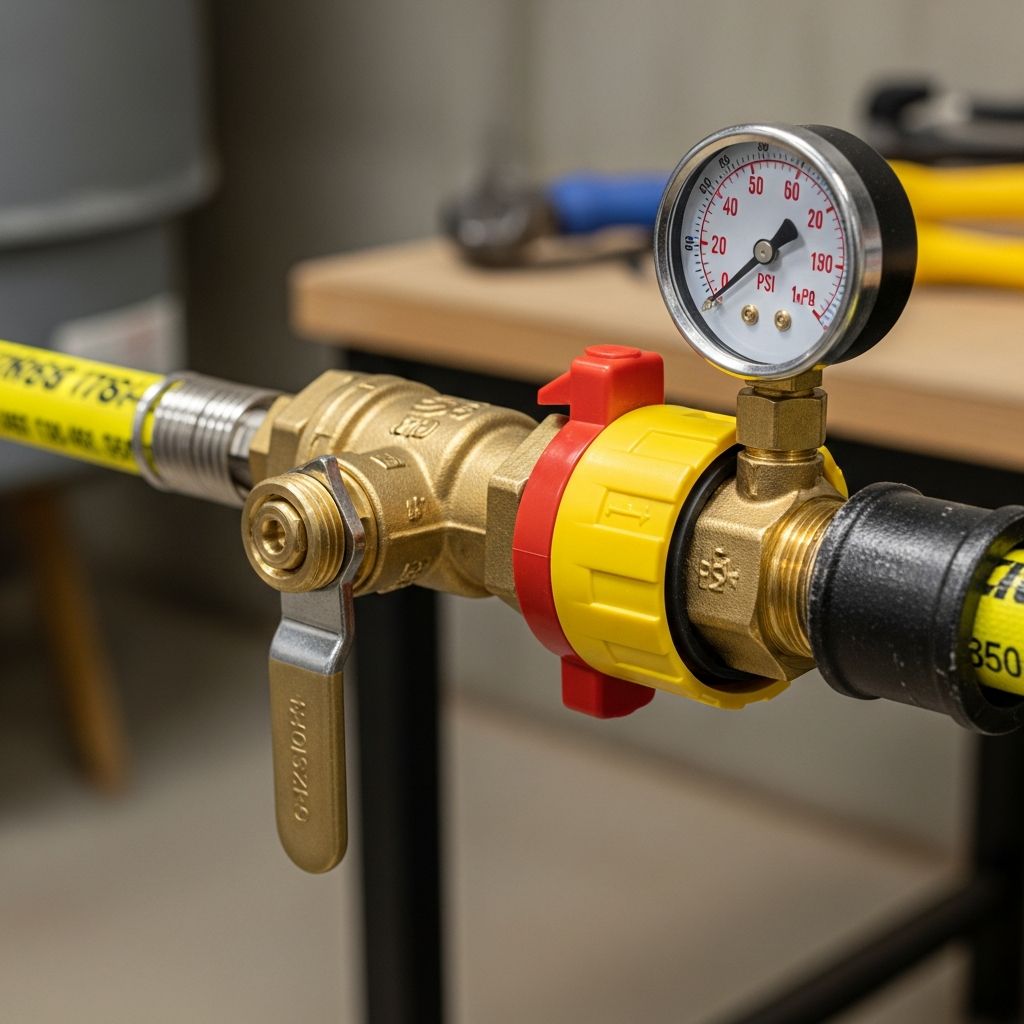
Properly sealing unused gas lines is crucial for household safety, especially when removing appliances like stoves, dryers, or heaters. This process prevents potential leaks that could lead to fires, explosions, or carbon monoxide exposure. While basic steps can be outlined, professional involvement is often required due to strict codes and risks involved.
Why Capping Gas Lines Matters for Home Safety
Gas lines supply natural gas or propane to appliances, but when no longer needed—due to renovations, switching to electric systems, or appliance upgrades—they must be securely closed off. An open or improperly capped line poses severe dangers, including gas accumulation that ignites easily or displaces oxygen, leading to poisoning.
Regulatory standards like NFPA 54 and NFPA 58 mandate protection against physical damage, corrosion, and leaks. For instance, piping must be supported, covered adequately underground (at least 12 inches, or 18 inches in high-risk areas), and sealed at wall penetrations to block water and pests. Capping ensures compliance and eliminates flow to unused sections.
Essential Tools and Materials for the Job
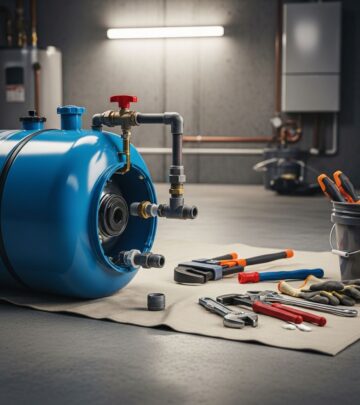
Gathering the right equipment beforehand streamlines the process and enhances safety. Here’s what you’ll need:
- Adjustable pipe wrench or large pliers: For secure tightening without damaging threads.
- Pipe dope or yellow gas-rated PTFE tape: White tape is unsuitable; yellow is designed for gas to prevent degradation.
- Black iron gas pipe cap: Matches gas line threads; avoid galvanized for water use.
- Wire brush and clean rags: To remove debris and old sealant.
- Soapy water solution and spray bottle: For leak detection via bubble formation.
- Small mirror: To inspect hard-to-reach joints.
- Nail protection plates: If enclosing in walls to shield from punctures.
Verify the cap size matches your pipe—common sizes are 1/2-inch or 3/4-inch. Pipe dope provides a reliable seal by filling microscopic gaps.
Preparation: Shutting Down Gas Supply Securely
Before any work, locate and turn off the gas. Start with the appliance’s individual shut-off valve if available. If not, access the main supply valve, typically near the meter or inside a utility room, and close it fully. Confirm by checking that no gas flows to other appliances.
Disconnect the appliance, then test for residual gas using soapy water on nearby joints—no bubbles should appear. Ventilate the area by opening windows and avoiding sparks or flames. Use a gas detector if possible for added assurance.
Step-by-Step Capping Procedure
Follow these detailed steps methodically to achieve a gas-tight seal:
- Clean the pipe end thoroughly: Wipe away dirt, rust, or old tape with a rag. Use a wire brush for stubborn residue, ensuring no particles enter the pipe, as they could cause future blockages or leaks.
- Select and prepare the cap: Choose a threaded black iron cap matching the pipe diameter. Inspect threads for damage.
- Apply sealant: Coat male pipe threads evenly with pipe dope using a brush, or wrap yellow PTFE tape clockwise (3-5 layers). Avoid excess to prevent contamination.
- Hand-tighten first: Screw the cap on by hand until snug, feeling increasing resistance from tapered threads.
- Wrench-tighten securely: Use the pipe wrench to turn another 1-2 full rotations until firm. Wipe away squeezed-out sealant.
| Step | Common Mistakes to Avoid | Pro Tip |
|---|---|---|
| Cleaning | Allowing debris inside pipe | Vacuum gently if needed |
| Sealing | Using white tape | Yellow tape only for gas |
| Tightening | Over-tightening (strips threads) | Stop at firm resistance |
Leak Testing: Verifying Your Work
Restoring gas flow without testing invites disaster. Slowly reopen the shut-off valve. Prepare a 1:10 dish soap-to-water mix in a spray bottle. Generously spray the cap joint, threads, and surrounding area. Watch for bubbles, which indicate escaping gas—re-tighten or reseal if present.
Use a mirror for 360-degree inspection, especially under pipes. If no bubbles form after 5 minutes, the seal holds. For enclosed lines, consider professional pressure testing for thorough validation.
Protecting Capped Lines in Walls or Floors
Capped lines behind drywall or flooring need safeguards. Install steel nail plates over studs or joists directly in front of the pipe. These 16-18 gauge plates prevent screws or nails from penetrating during future work.
For exterior walls, wrap pipes in protective coating or sleeves, sealing penetrations to exclude moisture and rodents. Underground lines require minimum cover depths per NFPA 54: 12 inches generally, 18 inches under traffic areas.
Legal and Code Compliance Essentials
Gas work falls under strict regulations like AS/NZS 5601.1 in Australia or NFPA standards in the US. Only licensed gas fitters should perform capping to meet local building codes. Permits may be required; check with your utility provider or authority.
In rental properties, gas safety checks every two years by accredited fitters ensure cap-offs comply with regulations like Gas Safety (Gas Installation) Regulations 2018. Non-compliance risks fines, voided insurance, or liability in incidents.
Cost Breakdown and Professional Services
DIY saves money but heightens risks; professional capping typically costs $150-$300, covering labor, materials, and testing. Factors influencing price include location accessibility, pipe size, and testing needs.
Hire certified plumbers via reputable services. They provide warranties, code certification, and emergency response if issues arise post-job.
Common Scenarios Requiring Gas Line Capping
- Appliance removal: Stoves, dryers, fireplaces.
- Renovations: Kitchen/bathroom remodels disconnecting gas.
- System upgrades: Converting to electric or new piping.
- Damage detection: Corroded or leaking lines.
Always cap rather than abandon lines, as uncapped ends invite hazards.
Frequently Asked Questions (FAQs)
Can I cap a gas line myself?
No, it’s not recommended due to risks of improper sealing leading to leaks or explosions. Professionals ensure code compliance.
What sealant is best for gas pipes?
Pipe dope or yellow PTFE tape; avoid standard white tape, which degrades with gas.
How do I know if my cap is leaking?
Spray soapy water on the joint after restoring gas—bubbles signal a problem.
Do I need permits for capping?
Often yes; consult local codes and utilities before starting.
What if the line is underground?
Ensure proper cover depth and professional excavation/testing per NFPA 54.
Maintenance Tips for Long-Term Reliability
After capping, inspect annually during routine home checks. Monitor for corrosion or damage signs. If reopening later, professionals must verify integrity. Integrate gas detectors near capped areas for early warnings.
References
- How to Cap a Gas Line: Step-by-Step Guide — Melbourne Gas Plumber. 2023. https://melbournegasplumber.com.au/how-to-cap-a-gas-line/
- How To Cap OFF an Unused Natural Gas Line — YouTube (Video Transcript). Accessed 2026. https://www.youtube.com/watch?v=8kQzRkauVKs
- LPG Service and Installation Guide — Railroad Commission of Texas. 2020 (authoritative standard). https://www.rrc.texas.gov/media/mibhexcz/lpg-service-install-sg.pdf
- How to Safely Cap a Gas Line (Step-by-Step Guide) — Young Plumbing (YouTube). 2025-09-10. https://www.youtube.com/watch?v=hsb4yQlzkjA
- Understanding how we manage gas cap offs — Detector Inspector. Accessed 2026. https://www.detectorinspector.com.au/gas-cap-offs/
Similar Articles


Read full bio of medha deb