Safely Handling Drain Cleaner Spills: 4 Essential Steps
Expert guidance on neutralizing and cleaning hazardous drain cleaner spills to protect your home and health effectively.
Safely Handling Drain Cleaner Spills
Drain cleaners, packed with powerful corrosive agents like lye or sulfuric acid, can cause severe burns, eye damage, or respiratory issues if spilled. Immediate action with proper safety protocols ensures minimal harm to people, surfaces, and the environment.
Recognizing the Dangers of Drain Cleaner Chemicals
These products rely on harsh substances to dissolve clogs from hair, grease, and soap buildup. Lye (sodium hydroxide) generates intense heat during reactions, while sulfuric acid eats through organic matter aggressively. Contact with skin leads to chemical burns, and vapors can irritate lungs or eyes. Blindness risks from splashes underscore the need for vigilance during use.
In homes, spills often occur on bathroom floors, kitchen counters, or near sinks amid hurried plumbing fixes. Unlike mild household cleaners, these demand specialized response to neutralize their pH extremes—highly alkaline for lye-based or acidic for others.
Essential Protective Gear for Spill Response
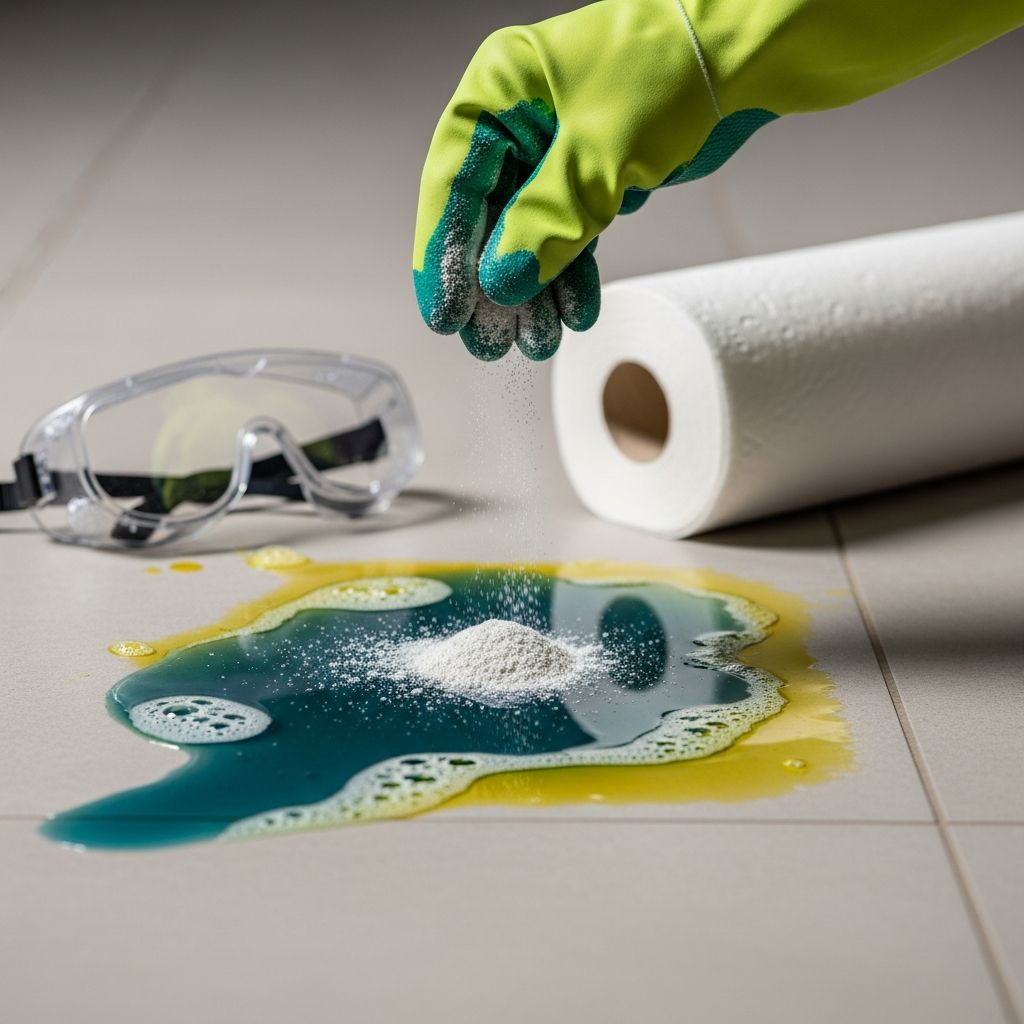
Before approaching any spill, equip yourself fully. Rubber gloves provide a barrier against corrosive penetration, while goggles shield eyes from splashes. Coveralls or old clothing prevent skin exposure, and a respirator filters toxic fumes if ventilation is poor.
- Gloves: Thick nitrile or rubber, avoiding fabric types that absorb chemicals.
- Eye protection: Sealed goggles, not glasses, for full coverage.
- Footwear: Closed-toe shoes to avoid foot contact.
- Respirator: NIOSH-approved for vapors, especially in confined spaces.
Having this gear ready in a spill kit near drain cleaning supplies turns panic into control.
Immediate Steps When Discovering a Spill
Time is critical—corrosives etch surfaces and harm skin rapidly. First, evacuate the area to protect others, especially children and pets. Warn nearby people and avoid tracking the spill.
- Assess from afar: Note spill size, location, and any ongoing reactions like bubbling.
- Ventilate: Open windows and doors or use fans to disperse fumes safely.
- Isolate ignition sources: Extinguish flames if the cleaner is flammable-reactive.
- Protect drains: Place absorbent socks or rags around floor drains to block spread.
If skin or eyes contact the spill, rinse immediately with cool water for 15 minutes and seek medical help. Do not neutralize on skin—water dilution is priority.
Containment Techniques to Limit Spread
Preventing expansion buys time for cleanup. Use absorbent materials to build barriers. Vermiculite, cat litter, or commercial spill pillows encircle the spill, soaking up liquid.
For larger spills, create dikes with clay-based absorbents. Avoid pushing liquid toward drains or edges, as wastewater systems aren’t equipped for corrosives. Cordon off with tape or cones to deter access.
| Spill Size | Containment Method | Materials Needed |
|---|---|---|
| Small (pint or less) | Rags or paper towels | 4-6 absorbent pads |
| Medium (quart) | Spill socks/pillows | Vermiculite, gloves |
| Large (gallon+) | Call professionals | Evacuate, notify authorities |
This table outlines scalable responses based on volume.
Neutralizing Corrosive Drain Cleaners
Drain cleaners are extremes on the pH scale: lye-based above 13 (caustic), acid-based below 2. Neutralization balances to around 7, but generates heat and gases—proceed cautiously.
For alkaline (lye) spills: Sprinkle citric acid, ascorbic acid (vitamin C powder), or vinegar slowly. Test pH with strips until neutral.
For acidic (sulfuric) spills: Apply sodium bicarbonate (baking soda) or soda ash gradually. Watch for fizzing reactions.
Never mix acid and base cleaners, as explosions can occur. Allow full reaction before absorption, wearing PPE throughout.
Absorption and Cleanup Procedures
Once neutralized, absorb residues. Layer spill pillows or vermiculite over the area, letting it pull in liquid. For powders, sweep gently or wet with solvent first to avoid dust.
Scoop into sealed plastic bags or buckets labeled “Hazardous Waste.” Wipe surfaces with soap and water, rinsing repeatedly. Dispose via hazardous waste services—never regular trash or drains.
- Work from spill edges inward to contain.
- Use fresh absorbents for multiple passes.
- Decontaminate tools by rinsing with neutralizing agent.
Post-Cleanup Decontamination and Disposal
Remove and wash PPE separately. Launder exposed clothing promptly. Mop floors with neutralizing solution, then detergent. Air out the space for hours.
For waste, check local regulations—many areas require drop-off at facilities. Triple-bag absorbents and label clearly. Document the incident for insurance or records.
Preventing Future Drain Cleaner Mishaps
Proactive habits reduce risks. Store cleaners in original, sealed containers on high shelves away from kids. Inspect for leaks regularly.
Use mechanical alternatives like drain snakes or enzymes first—they’re safer for pipes and users. When pouring, employ funnels and work over sinks with trays beneath.
| Risk Factor | Prevention Strategy |
|---|---|
| Overpouring | Measure exact amounts; use smaller containers. |
| Slippery floors | Place mats; clean pre-use. |
| Mixing products | Label and store separately; read labels. |
| No PPE | Kit nearby; train household members. |
These measures cut spill likelihood significantly.
Alternatives to Chemical Drain Cleaners
Opt for non-chemical options to sidestep hazards. Plumbing snakes manually remove clogs without corrosives. Enzyme cleaners break down organics biologically over time.
High-pressure water jetters blast debris effectively in commercial settings, adaptable for homes. Boiling water or baking soda-vinegar combos handle minor issues safely.
When to Call Professionals
Large spills, unknown chemicals, or reactions beyond control warrant experts. Fire departments or environmental services handle neutralization and disposal professionally. Symptoms like persistent burns need ER visits immediately.
Frequently Asked Questions
What if drain cleaner gets on my skin?
Rinse with cool water for 15+ minutes; remove clothes. Seek medical aid—do not apply creams.
Can I use bleach on a spill?
No—mixing amplifies dangers. Stick to specified neutralizers.
How long to ventilate after cleanup?
At least 2-4 hours or until odor-free.
Is it safe for septic systems?
Chemicals harm bacteria; use enzymes instead.
What about spills on carpet?
Blot, neutralize, absorb; may need pro extraction.
References
- Are Chemical Cleaners Bad for Commercial Drains? — Goodway. 2021-12. https://www.goodway.com/hvac-blog/2021/12/are-chemical-cleaners-bad-for-commercial-drains/
- Weekly Safety Meeting – Spill Prevention and Response — Safety Matters Weekly. N/A. https://safetymattersweekly.com/weekly-safety-meeting-spill-prevention-and-response/
- 2.6 Chemical Spill Response — University of Michigan Environment, Health & Safety. N/A. https://ehs.umich.edu/csp/2-6-chemical-spill-response/
- Spills, Leaks, and Releases — Iowa State University Environmental Health and Safety. N/A. https://www.ehs.iastate.edu/spills-leaks-releases
- Guide for Chemical Spill Response — American Chemical Society. N/A. https://www.acs.org/about/governance/committees/chemical-safety/publications-resources/guide-for-chemical-spill-response.html
Similar Articles








Read full bio of Sneha Tete