Sanitizing Pool Water Effectively
Discover proven methods to keep your swimming pool safe, clear, and inviting with expert sanitization techniques and alternatives to traditional chemicals.
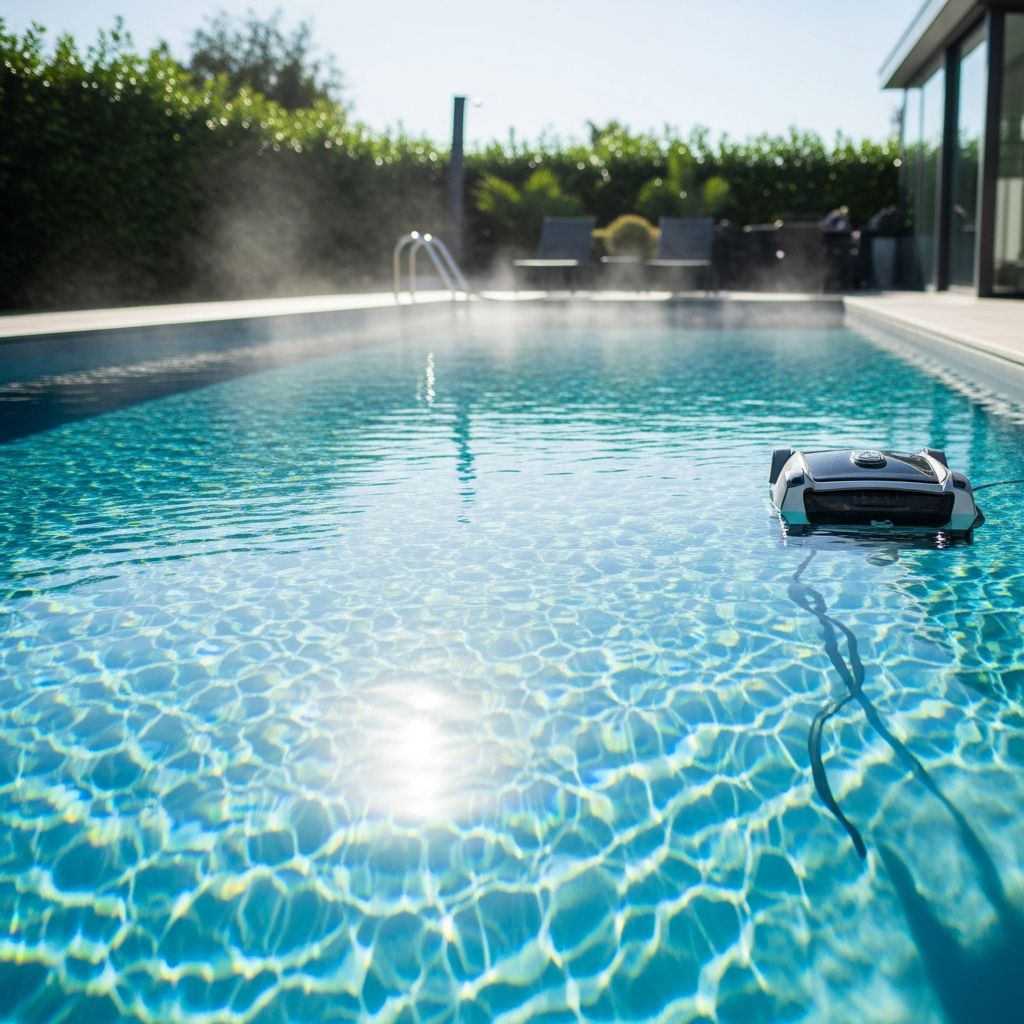
Keeping swimming pool water clean and safe requires consistent sanitization to eliminate bacteria, algae, and contaminants introduced by swimmers, environment, and weather. Proper methods prevent health risks and maintain crystal-clear water.
Why Sanitization Matters for Pool Health
Sanitizers destroy pathogens like E. coli and oxidize swimmer waste, ammonia, and debris, ensuring water remains hygienic. Without effective treatment, pools become breeding grounds for harmful microorganisms, leading to cloudy water, odors, and infections. Balanced chemistry, including pH between 7.2-7.8, enhances sanitizer performance while preventing corrosion or scaling.
Primary Sanitization Methods
Choose from chemical and advanced systems based on pool type, usage, and preferences. Each offers unique benefits for disinfection and maintenance.
Chlorine: The Gold Standard
Chlorine, often as hypochlorous acid, inactivates pathogens and algae while oxidizing contaminants. Available in liquid, granules, tablets, or gas forms, it’s versatile for all pool types except salt systems alone.
- Liquid Chlorine: Fast-acting, added directly; short shelf life requires prompt use.
- Granules/Tablets: Longer-lasting; calcium hypochlorite granules or trichlor tablets stabilize levels.
- Gas Chlorine: Pure and potent but restricted to professionals due to hazards.
For outdoor pools, combine unstabilized calcium hypochlorite with cyanuric acid (30-50 ppm) to counter UV degradation. Maintain free chlorine at 1-3 ppm, shocking to 5-10 ppm weekly.
Bromine: A Reliable Alternative
Bromine excels in hot water, reactivating via shock without full replacement. Install an automatic brominator for steady release; ideal for spas and indoor pools where chlorine volatilizes faster.
Advanced Non-Chlorine Systems
Reduce chemical dependency with technology-driven options that complement or replace traditional sanitizers.
Saltwater Chlorine Generators
Salt cells electrolyze sodium chloride into chlorine, providing hands-off sanitization. Popular for residential pools, they minimize handling while delivering consistent levels; requires periodic cell cleaning and salt replenishment (3000-4000 ppm).
UV and Ozone Systems
UV systems expose water to germicidal light during filtration, destroying microorganisms without chemicals. Ozone generators produce O3 gas to oxidize contaminants powerfully, often paired with low-dose chlorine.
| Method | Pros | Cons |
|---|---|---|
| UV | Near chemical-free; kills pathogens effectively | Requires electricity; no residual sanitation |
| Ozone | Strong oxidation; clear water | High upfront cost; supplemental sanitizer needed |
Ionizers and Minerals
Copper-silver ionizers release measured ions to combat algae and bacteria, cutting chlorine needs by 50-70%. Mineral systems like Frog combine low chlorine with sanitizing minerals for softer water and reduced irritation.
Other Options: Hydrogen Peroxide and Biguanide
Hydrogen peroxide (e.g., Baquacil) suits chlorine-sensitive users, relying on UV for activation; less potent, demands strict filtration. Biguanide (PHMB) prevents algae without halogen smell but requires oxidizers.
Step-by-Step Sanitization Guide
Follow this routine for optimal results, adjusting for pool size and bather load.
- Test Water: Use kits for chlorine (1-3 ppm), pH (7.2-7.8), alkalinity (80-120 ppm), calcium hardness (200-400 ppm).
- Balance Chemistry: Adjust pH first, then alkalinity; add stabilizer if needed.
- Add Sanitizer: Dilute in bucket, pour into skimmer or broadcast evenly with pump running; evening dosing avoids UV loss.
- Shock Weekly: Boost to 10 ppm post-heavy use or storms using cal hypo or liquid.
- Run Filter: 8-12 hours daily; backwash as needed.
- Prevent Algae: Use algaecides with quaternary ammonium or polyquat formulas.
Common Challenges and Fixes
Address issues promptly to restore balance.
- Cloudy Water: Shock and flocculant; improve filtration.
- Algae Growth: Brush surfaces, superchlorinate, add algaecide.
- High Cyanuric Acid: (>100 ppm) Dilute by partial drain/refill.
- Skin/Eye Irritation: Verify pH/chlorine; consider bromine or minerals.
Choosing the Right System
Compare based on lifestyle:
| Factor | Chlorine | Bromine | Salt | UV/Ozone |
|---|---|---|---|---|
| Cost | Low | Medium | Medium upfront | High upfront |
| Maintenance | High | Medium | Low | Low |
| Effectiveness | High | High | High | High w/ residual |
| Best For | Budget pools | Spas/hot water | Low-effort | Chemical-free |
Hybrid approaches, like salt + UV, maximize efficiency.
Safety and Best Practices
Store chemicals cool/dry, never mix types. Wear gloves/goggles; keep kids/pets away. Consult pros for gas or complex installs. Pre-swim showers reduce contaminants by 90%.
FAQs
How often should I test pool water?
Daily for public pools, 2-3 times weekly for residential; more during peak use.
Can I switch from chlorine to salt?
Yes; drain partially, add salt, install generator. Compatible with existing filters.
Is bromine safer than chlorine?
Similar safety; milder odor, better stability in heat.
What if chlorine levels won’t hold?
Check stabilizer (30-50 ppm), UV exposure, or high bather load; shock and retest.
Are chemical-free pools possible?
Near-chemical-free with UV/ozone + minerals, but residuals recommended for safety.
Implement these strategies for a safe, enjoyable pool season. Regular monitoring ensures long-term success.
References
- Sanitize Wise: Chlorine-Saving Methods and Alternatives — SwimmingPool.com. 2023. https://www.swimmingpool.com/blog/sanitize-wise/
- Swimming Pool Sanitizers: The 7 Best Options to Consider — River Pools and Spas. 2024-01-15. https://www.riverpoolsandspas.com/blog/swimming-pool-sanitizers-best-options
- Swimming pool disinfectants — NCBI/NIH. 2020-05-12. https://www.ncbi.nlm.nih.gov/books/NBK562983/
- Different Ways to Keep Your Pool Water Clean — The Pool Factory. 2023-08-20. https://www.thepoolfactory.com/blogs/pool-care/different-ways-to-keep-your-pool-water-clean
- Chlorine Alternatives to Sanitize Your Swimming Pool — Latham Pool. 2024-03-10. https://www.lathampool.com/blog/maintain/chlorine-alternatives-to-sanitize-your-swimming-pool/
Similar Articles





Read full bio of Sneha Tete