Satin vs Semi-Gloss Polyurethane: Key Differences
Discover how satin and semi-gloss polyurethane finishes differ in shine, durability, and ideal uses for your woodworking projects.
Polyurethane finishes are essential for protecting wood surfaces in homes, offering a durable barrier against wear, moisture, and daily use. Among the popular options, satin and semi-gloss stand out for their balance of aesthetics and functionality. While both provide robust protection, they differ significantly in appearance, maintenance needs, and suitability for various projects. This comprehensive guide breaks down these differences, helping DIY enthusiasts and professionals choose the right finish for stunning, long-lasting results.
Understanding Polyurethane Basics
Polyurethane is a versatile synthetic resin used as a topcoat on wood. Available in oil-based, water-based, and hybrid formulas, it hardens into a tough, clear layer that enhances wood’s natural beauty while shielding it from scratches, spills, and UV damage. Finishes are categorized by sheen levels, ranging from flat (no shine) to high-gloss (mirror-like). Satin and semi-gloss occupy the middle ground, each appealing to different preferences and practical needs.
The choice between them impacts not just looks but also how the surface feels underfoot or to the touch, its cleaning requirements, and its performance in high-traffic areas. By grasping these fundamentals, you can make informed decisions that align with your project’s demands.
Sheen Levels: Visual Appeal Compared
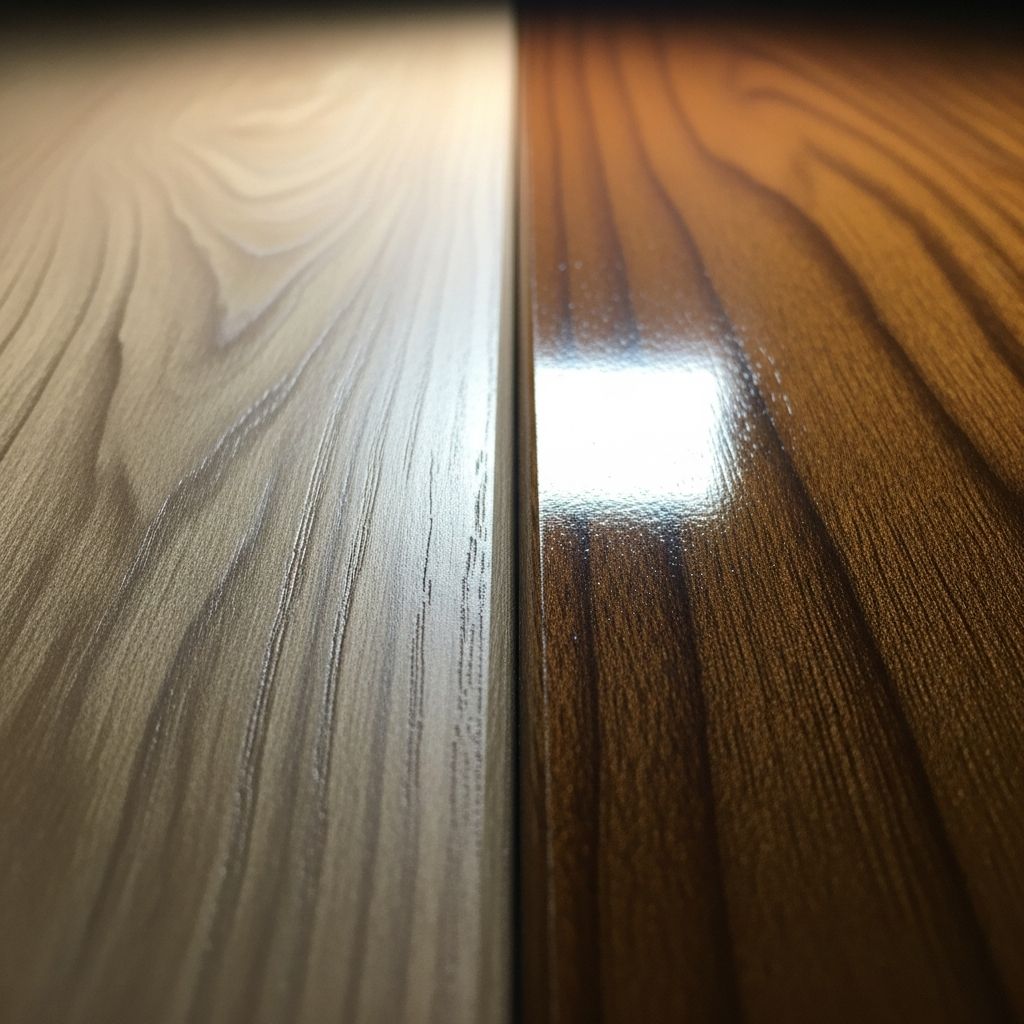
Sheen defines the light-reflecting quality of a finish, influencing a room’s ambiance and perceived cleanliness. Satin polyurethane delivers a soft, low-luster glow, mimicking the subtle patina of aged wood. It scatters light evenly, reducing glare and creating a warm, inviting surface ideal for cozy interiors.
Semi-gloss, on the other hand, offers a brighter, more reflective shine. This higher sheen highlights wood grain details sharply, making colors pop and surfaces appear freshly waxed. However, it can emphasize imperfections like brush marks or dust nibs if not applied meticulously.
| Finish Type | Sheen Level (Gloss Units) | Visual Effect |
|---|---|---|
| Satin | 20-35 GU | Subtle, velvety glow; hides flaws |
| Semi-Gloss | 35-70 GU | Bright, shiny; amplifies details |
Gloss units (GU) measure reflectivity under standardized lighting, per ASTM standards. These values guide manufacturers in labeling products consistently.
Durability and Protective Qualities
Both finishes form a hard shell, but their formulations affect longevity. Satin often incorporates matting agents to reduce shine, which can slightly compromise surface hardness compared to semi-gloss. Yet, modern water-based satins rival oil-based counterparts in toughness, resisting yellowing and chemicals effectively.
Semi-gloss excels in demanding environments due to its denser film build-up. It withstands abrasion better, making it a go-to for tabletops and cabinets. In tests by the Wood Floor Business journal, semi-gloss coatings endured 20% more Taber abrasion cycles than equivalent satins before showing wear.
- Impact Resistance: Semi-gloss bounces back from dents; satin may dent deeper.
- UV Protection: Both block fading, but semi-gloss reflects more light.
- Moisture Barrier: Semi-gloss seals tighter against water penetration.
Maintenance and Cleaning Ease
Cleaning is where sheen shines—or doesn’t. Satin’s muted surface conceals fingerprints, smudges, and light scratches, requiring only damp cloth wipes for upkeep. It’s forgiving for busy households with kids and pets.
Semi-gloss repels dirt superbly due to its slick profile, allowing soap-and-water scrubs without dulling. However, every mark shows prominently, demanding prompt attention. For high-touch areas like kitchen counters, this visibility motivates consistent care, preserving the finish longer.
Best Applications for Each Finish
Ideal Projects for Satin Polyurethane
Satin suits interiors craving subtlety. Use it on bedroom furniture, bookshelves, or wall paneling where a natural wood vibe reigns. It’s perfect for oak or cherry pieces, toning down their grain without overpowering room lighting.
Prime Uses for Semi-Gloss Polyurethane
Opt for semi-gloss on exposed surfaces like dining tables, bar tops, or entryway consoles. Outdoors, it protects porch railings from weather, though pair with UV inhibitors. In bathrooms, its moisture resistance prevents warping.
Pro Tip: For floors, semi-gloss edges out in durability, but satin offers a warmer, less clinical feel underfoot.
Application Techniques for Optimal Results
Success hinges on prep and method. Sand wood to 220-grit, raising the grain with water if using water-based poly. Apply thin coats with a high-quality brush or foam applicator, sanding lightly between layers (320-grit).
- Prime Coat: Wipe on diluted poly for adhesion.
- Build Layers: 3-4 coats minimum; semi-gloss may need more for even shine.
- Cure Time: 24-48 hours between coats; full hardness in 30 days.
Avoid overbrushing to prevent bubbles, especially with semi-gloss. Spray application yields smoothest semi-gloss results for pros.
Oil-Based vs Water-Based Variants
Within satin and semi-gloss, base type matters. Oil-based versions dry slower, level beautifully, and amber over time for a vintage look. They’re tougher but emit VOCs and yellow on light woods.
Water-based options dry fast, stay clear, and clean up with soap. Recent formulations match oil-based durability, per U.S. EPA low-VOC certifications. Choose water-based satin for modern, low-odor projects.
Cost Analysis and Availability
Satin and semi-gloss price similarly, $20-40 per quart, varying by brand like Minwax or Varathane. Semi-gloss quarts cover 100 sq ft per coat. Bulk buys save for large jobs; sample sizes test compatibility first.
Common Mistakes to Avoid
- Rushing Dry Times: Leads to tacky, uneven surfaces.
- Poor Ventilation: Essential for oil-based to prevent bubbles.
- Ignoring Grain Raise: Pre-wet wood to avoid fuzzy finishes.
- Heavy Coats: Cause runs, especially on vertical semi-gloss surfaces.
Environmental and Health Considerations
Water-based polys emit fewer VOCs, aligning with green building standards from the EPA. Oil-based require respirators during application. Dispose of rags properly to avoid spontaneous combustion.
Frequently Asked Questions
Can I mix satin and semi-gloss polyurethane?
Generally no—mixing alters sheen unpredictably. For subtle shifts, layer satin over semi-gloss base, but test first.
How do I remove old polyurethane before refinishing?
Citrus-based strippers or chemical removers work safely. Sand mechanically for thin layers; always wear PPE.
Does semi-gloss yellow less than satin?
Water-based versions of both resist yellowing equally; oil-based semi-gloss may amber slightly more.
What’s the best polyurethane for hardwood floors?
Semi-gloss water-based for durability and easy maintenance; satin for softer aesthetics.
How long does polyurethane last on furniture?
5-10 years with proper care; semi-gloss often outlasts satin in heavy use.
Expert Recommendations and Trends
2025 trends favor hybrid water-based polys blending satin subtlety with semi-gloss toughness. Brands innovate with self-leveling formulas and antimicrobial additives for kitchens. Consult ASTM D523 for sheen specs when selecting.
Ultimately, match your finish to lifestyle: satin for understated elegance, semi-gloss for bold, resilient protection. With the right technique, either elevates woodwork to heirloom quality.
References
- Standard Test Method for Specular Gloss — ASTM International. 2023-07-01. https://www.astm.org/d0523-14.html
- Polyurethane Floor Finishes: Performance Testing — National Wood Flooring Association (NWFA). 2024-03-15. https://www.nwfa.org/technical-resources/
- Low-VOC Wood Coatings Guidelines — U.S. Environmental Protection Agency (EPA). 2025-01-10. https://www.epa.gov/paint/low-voc-paints
- Finishing Hardwood Floors — Fine Woodworking Magazine. 2024-11-20. https://www.finewoodworking.com/
- Abrasion Resistance of Organic Coatings — ASTM International. 2022-06-01. https://www.astm.org/d4060-19.html
Similar Articles






Read full bio of Sneha Tete