Screen House Plans: Build Your Perfect Backyard Retreat
Create your ideal outdoor living space with detailed screen house plans and building guides.
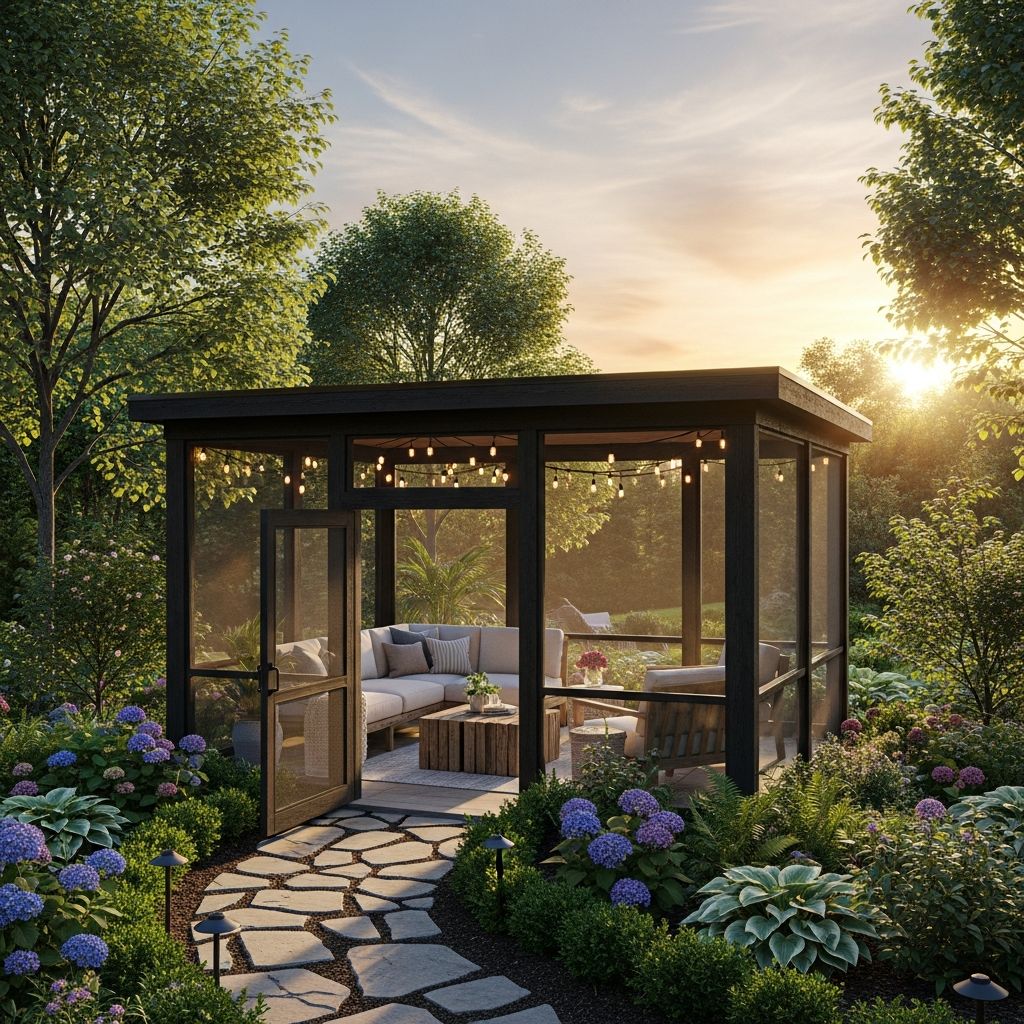
Creating additional living space doesn’t always require expanding your home indoors. By building a screen house or outdoor living structure in your backyard, you can enjoy nature while staying protected from insects and harsh weather elements. Screen house plans offer homeowners an affordable and practical way to extend their living space, create entertainment areas, and add value to their properties. Whether you’re looking for a craftsman-style design, Victorian elegance, or a modern outdoor room, comprehensive plans and step-by-step instructions make these projects accessible to DIY enthusiasts of all skill levels.
Why Build a Screen House?
Screen houses serve multiple purposes for homeowners seeking to maximize their outdoor spaces. These structures provide protection from insects, UV rays, and unexpected weather while maintaining an open-air feel. Unlike fully enclosed additions, screen houses offer a cost-effective solution that can be built relatively quickly without requiring extensive permits or professional contractors. A screen house transforms your backyard into a functional living area suitable for dining, relaxation, entertaining guests, or creating a peaceful retreat during summer months and pleasant weather seasons.
Popular Screen House Design Options
Modern screen house plans come in various architectural styles to complement different home aesthetics and personal preferences:
Craftsman Style Screen House
The craftsman style emphasizes clean lines, sturdy construction, and attention to detail. These screen houses feature prominent posts, detailed railings, and a timeless aesthetic that complements both traditional and contemporary homes. Craftsman designs typically incorporate exposed beam work and quality materials that showcase the building’s construction elements as design features. This style appeals to homeowners who appreciate honest construction methods and durable, functional design principles.
Victorian Style Screen House
Victorian screen houses bring elegance and sophistication to backyard spaces. These designs feature ornamental details, peaked roofs, decorative trim work, and refined proportions that evoke classic charm. Victorian-style structures often include features such as detailed railings, arched entries, and architectural embellishments that create a more formal outdoor room. This option suits homeowners with classic home architecture or those seeking to add a touch of vintage elegance to their yards.
Deck Shade and Shelter Options
Beyond traditional screen houses, complementary structures like deck shelters, shade structures, and gazebos enhance outdoor living experiences. These options provide sun protection, weather shielding, and defined outdoor spaces without requiring complete screening. Many homeowners combine screen houses with adjacent deck shelters to create multi-functional outdoor areas.
Essential Components of Screen House Plans
Foundation and Framing
Proper foundation work ensures your screen house remains structurally sound for years. Most plans recommend either concrete piers, a concrete pad, or a deck-style foundation depending on local building codes and soil conditions. The framing system typically uses pressure-treated lumber for ground-contact components and standard construction-grade lumber for above-ground framing. Proper spacing, adequate support posts, and correctly sized beams prevent sagging and ensure long-term stability.
Screening Materials and Hardware
Screen material selection affects both durability and visibility. Standard fiberglass screen provides good visibility and affordability, while vinyl-coated polyester offers superior durability and easier cleaning. Consider specialty screens that resist damage or provide enhanced UV protection. Quality screen frame hardware, including spline rollers, corner joints, and hinges for removable panels, ensures reliable operation and longevity.
Roofing Solutions
Roof design impacts protection levels and aesthetics. Polycarbonate panels allow light transmission while providing weather protection. Metal roofing offers durability and traditional appearance. Some designs feature vented roofs to allow air circulation, while others provide complete weather protection. The roof pitch and overhang dimensions affect water drainage and sun/rain protection effectiveness.
Building Timeline and Considerations
A typical screen house project requires four to eight weeks, accounting for material preparation, construction time, and treatment drying periods. The actual timeline depends on project complexity, weather conditions, and available labor. Weather-resistant wood treatment and finishing add essential project phases. Planning your project during favorable seasons and allowing adequate drying time between construction phases ensures quality results and longevity.
Outdoor Living Room Design
Beyond traditional screen houses, comprehensive outdoor living room designs create comfortable, furnished spaces for extended use. These designs integrate seating areas, storage solutions, and climate control considerations. An outdoor living room might include built-in benches, storage cabinets for cushions and entertaining supplies, and design features that complement your home’s architecture. Thoughtful layout maximizes functionality while creating an inviting atmosphere.
Gazebo and Shelter Variations
Fancy gazebo designs offer alternatives to standard screen houses, providing open-air structures with decorative appeal. Gazebos range from simple six-sided designs to elaborate octagonal structures with detailed trim work. These standalone structures work well as focal points in landscapes, entertaining spaces, or quiet retreats. The choice between a screen house and gazebo depends on your climate, intended use, and aesthetic preferences.
Detailed Building Instructions
Pre-Construction Planning
Before breaking ground, gather all necessary permits and verify building code requirements in your area. Check local setback requirements, height restrictions, and any homeowner association guidelines. Obtain detailed site surveys and establish utility locations to avoid underground hazards. Assemble all materials and tools, organizing them for efficient workflow during construction phases.
Foundation Preparation
Proper foundation installation prevents settling, water damage, and structural problems. Mark out the perimeter using string lines and batter boards. Verify dimensions and ensure right angles using the 3-4-5 triangle method. Excavate and prepare the foundation area according to specifications, removing vegetation and debris. Install concrete piers, pads, or deck foundations as specified in your plans, ensuring proper elevation and drainage.
Frame Assembly
Begin with the main support structure, installing posts on the foundation and securing them with appropriate fasteners. Add beams and rim joists, checking for level and plumb at each stage. Install cross-bracing and secondary framing members that provide structural integrity and support for screens and roofing. Temporary bracing stabilizes the structure during construction and until all permanent connections are secured.
Screening Installation
Once framing is complete, install screen panels following manufacturer specifications. Properly tensioned screens prevent sagging and ensure effective insect protection. Quality screen frame material and hardware contribute to durability and functionality. Leave access doors and removable panels for easy maintenance and seasonal adjustments.
Roofing and Finishing
Install roofing materials according to plan specifications, ensuring proper water drainage and wind resistance. Apply exterior stain, paint, or sealant to protect wood components and enhance appearance. Install trim pieces, fascia, and soffit materials that define the structure’s appearance and protect underlying components from weather exposure.
Material Selection and Quality
Wood Types and Treatment
Select pressure-treated lumber for all ground-contact components to resist rot and insect damage. Consider cedar or redwood for visible components that will be stained, as these woods accept finishes beautifully and provide natural weather resistance. Verify that wood meets appropriate pressure-treatment standards for your climate zone and intended application.
Fasteners and Hardware
Use corrosion-resistant fasteners rated for outdoor exposure. Stainless steel screws and bolts prevent rust stains and deterioration. Quality hinges, latches, and door hardware ensure reliable operation over many seasons. Invest in heavy-duty hardware for moving parts subjected to regular use.
Design Customization Options
While following your chosen plans ensures structural integrity, many projects accommodate customization. Adjust dimensions to fit your site, choose preferred colors and finishes, and select screening materials that match your preferences. Consider integrated features like ceiling fans for air circulation, lighting systems for evening use, or storage compartments for seasonal supplies. Personalization makes your screen house uniquely suited to your lifestyle and aesthetic preferences.
Maintenance and Longevity
Regular Maintenance Tasks
Annual inspection and maintenance extend your screen house’s lifespan. Clean screens regularly to maintain visibility and ventilation. Inspect wood components for damage, rot, or pest activity. Reapply protective stain or sealant as needed to maintain weather resistance. Check fasteners for corrosion or looseness and replace as necessary. Inspect the roof for damage or debris accumulation.
Seasonal Preparation
Before severe weather seasons, secure loose items and verify structural connections are tight. Remove debris from gutters and drainage areas. Inspect weatherproofing and reseal any cracks or gaps. In winter climates, consider removing or protecting vulnerable components from heavy snow or ice loads.
Cost Considerations
Screen house construction costs vary based on size, design complexity, and material choices. A simple screen house using basic materials might cost $2,000 to $5,000, while elaborate Victorian designs with premium materials could exceed $10,000. Factoring in foundation work, roofing materials, quality hardware, and finishing products ensures accurate budgeting. Sourcing quality materials and detailed planning help maximize value and ensure long-term satisfaction with your investment.
Permit and Code Requirements
Most jurisdictions require permits for screen house construction, particularly for structures exceeding certain size thresholds or height limits. Building codes specify requirements for structural support, fastening systems, electrical safety if adding lights, and setback distances from property lines. Professional plan review services can verify compliance before construction begins, preventing costly corrections. Check local requirements early in the planning process to ensure your chosen design meets all applicable regulations.
Tool Requirements for Construction
Building a screen house requires basic carpentry tools including:
– Circular saw or miter saw for cutting lumber- Drill-driver for fastening components- Level for ensuring plumb and level installation- Tape measure and layout tools- Square for verifying right angles- Hammer and pry bar for installation and adjustments- Staple gun for screen installation- Spline roller for screen tensioning- Safety equipment including glasses, gloves, and hearing protection
Professional Resources and Support
Comprehensive building plans from established sources like Family Handyman Magazine provide detailed, tested instructions that guide construction from start to finish. These plans include materials lists, cutting schedules, and step-by-step illustrations that clarify construction procedures. Many sources offer video supplements and expert tips that enhance understanding of complex procedures. Online communities and forums connect builders with experienced enthusiasts who offer advice and troubleshooting assistance.
Frequently Asked Questions
Q: What is the average cost of building a screen house?
A: Basic screen houses typically cost $2,000 to $5,000, while elaborate designs with premium materials can range from $7,000 to $15,000 or more, depending on size, materials, and local labor costs if hiring contractors.
Q: How long does a screen house project typically take?
A: Most screen house projects require 4 to 8 weeks, accounting for material preparation, construction phases, wood treatment drying time, and finishing work. Actual duration depends on project complexity and weather conditions.
Q: Do I need a building permit for a screen house?
A: Most jurisdictions require permits for screen house construction, particularly for permanent structures or those exceeding size thresholds. Check local building code requirements before starting your project to ensure compliance.
Q: What materials work best for screen house construction?
A: Pressure-treated lumber for ground-contact components, cedar or redwood for visible areas, quality hardware, and durable screen material create long-lasting structures. Select materials appropriate for your climate and intended use.
Q: Can I customize plans to fit my specific site and preferences?
A: Yes, detailed plans often accommodate customization. You can adjust dimensions to fit your property, choose preferred finishes and colors, add features like lighting or storage, and select screening materials that match your preferences while maintaining structural integrity.
Q: What maintenance does a screen house require?
A: Annual inspection, regular screen cleaning, reapplication of protective stain or sealant, fastener checks, and seasonal preparation maintain your screen house. Proper maintenance extends the structure’s lifespan and ensures continued functionality.
Q: Can a screen house withstand severe weather?
A: Properly constructed screen houses with adequate roofing and bracing handle most weather conditions. However, during severe storms or heavy snow loads, securing loose items and verifying structural connections ensures safety and prevents damage.
Q: What are the main design style options available?
A: Popular options include craftsman style with clean lines and sturdy construction, Victorian style with ornamental details and peaked roofs, and modern designs. Each style complements different home aesthetics and personal preferences.
References
- Free Screen House, Outdoor Living Room and Deck Shelter Plans and Do-It-Yourself Building Guides — The Family Handyman Magazine. Available at https://www.familyhandyman.com
- Step-by-Step Guide to Building a Durable and Stylish Screen Porch on a Budget — DIY Building Resources. 2024. https://www.buildingguides.org
- Residential Building Code Requirements and Standards — International Code Council (ICC). 2024. https://www.iccsafe.org
- Exterior Wood Protection and Treatment Standards — American Wood Protection Association (AWPA). 2023. https://www.awpa.com
- Pressure-Treated Lumber and Ground Contact Wood Standards — Lumber Standards and Practices. U.S. Department of Agriculture Forest Service. https://www.fs.usda.gov
Similar Articles







Read full bio of Sneha Tete