Protecting Your Home: Sealing Siding Against Mice
Discover proven strategies to fortify your home's siding and block mice entry points for lasting pest protection.
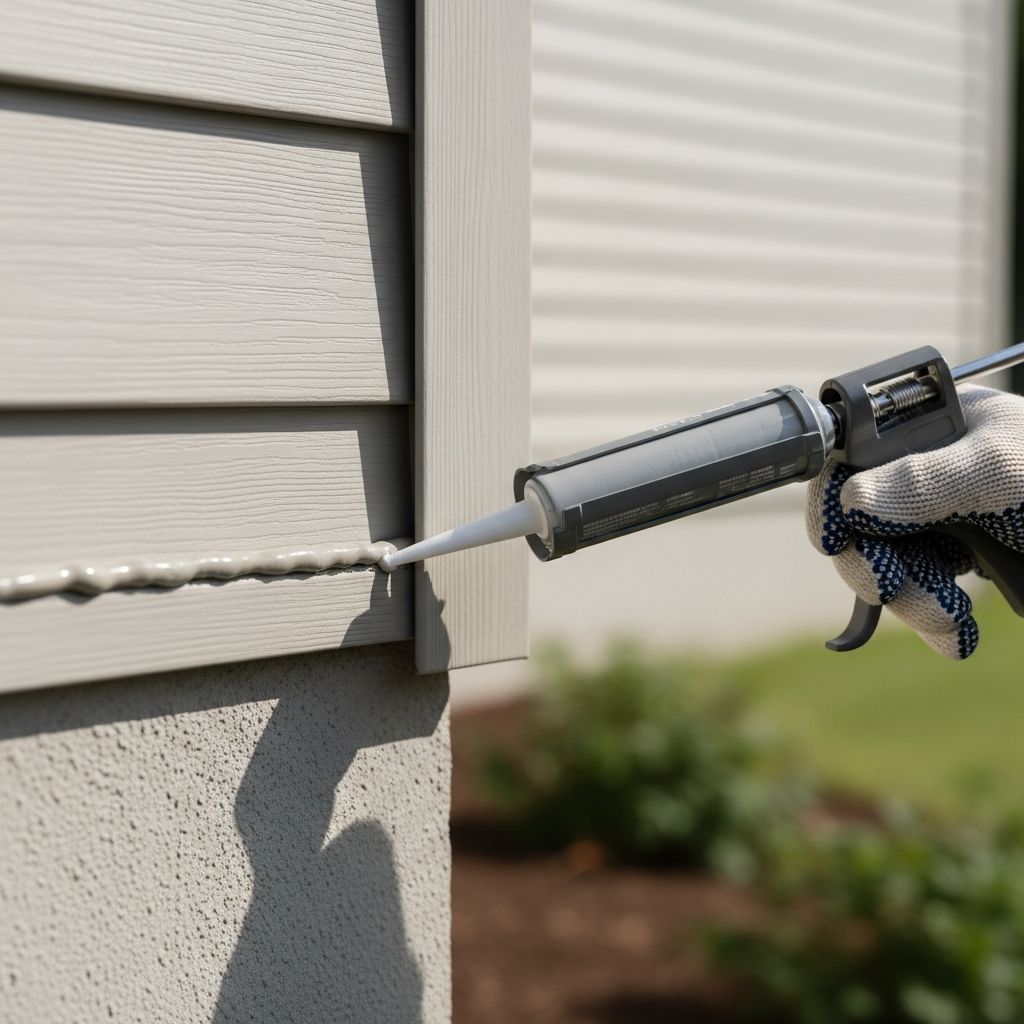
Mice can infiltrate homes through tiny gaps in siding, turning comfortable living spaces into breeding grounds for pests. Effective sealing creates an impenetrable barrier, preventing entry and protecting structural integrity.
Understanding Mouse Entry Vulnerabilities in Home Exteriors
Mice require only a quarter-inch opening to squeeze inside, exploiting overlooked spots like siding overlaps and foundation joints. These rodents climb rough surfaces effortlessly, targeting vinyl siding corners, brick weep holes, and ridge vents as primary highways.
Common weak points include:
- Bottom siding edges: Gaps near foundations allow mice to slip under panels and access wall voids.
- Vent systems: Ridge and soffit vents provide direct attic access without gnawing.
- Utility penetrations: Pipes for AC units, sprinklers, and water lines often lack tight seals.
- Siding transitions: Areas where materials meet, such as vinyl to brick, harbor hidden crevices.
Regular inspections reveal these vulnerabilities, especially at ground level where grass and mulch harbor rodent populations.
Essential Tools and Materials for Rodent-Proof Sealing
Success demands durable, gnaw-resistant supplies that withstand weather and chewing attempts. Avoid foam sealants alone, as mice can tunnel through cured material; combine with metal barriers for reliability.
| Material | Use Case | Advantages |
|---|---|---|
| Steel Wool (Stainless) | Gaps under 1/4 inch | Sharp fibers deter gnawing; rust-resistant outdoors |
| Xcluder Fill Fabric | Construction voids, pipe gaps | Stainless steel-poly blend; flexible and permanent |
| Ridge-Guard Metal Mesh | Ridge vents | Custom-fit for attics; blocks climbing access |
| Exterior Caulk/Sealant | Sealing edges post-filling | Weatherproof; bonds to siding and foundation |
| Wire Mesh or Flashing | Larger holes, garage doors | Impenetrable; easy to install |
Stock up on these for comprehensive coverage, prioritizing metal over plastic or wood derivatives.
Step-by-Step Guide: Inspecting and Sealing Siding Gaps
Begin with a thorough walkthrough during daylight, using a flashlight for shadows revealing hidden paths. Focus on perimeter zones first.
- Clear vegetation: Trim grass and remove mulch within 12 inches of the foundation to eliminate cover.
- Probe siding bottoms: Slide a tape measure under panels; gaps over 1/8 inch need attention. Pack tightly with steel wool, then caulk over.
- Address corners: Vinyl siding corners at ground level form natural ladders. Stuff Xcluder and secure with screws if possible.
- Seal transitions: Where siding meets foundation or other materials, apply metal flashing topped with sealant.
For stubborn spots, expanding foam can fill voids but must be covered by mesh to prevent burrowing.
Fortifying Rooflines, Vents, and Soffits Against Intruders
Attics serve as ideal nesting sites, accessible via roof elements. Mice scale walls to reach ridge vents, squeezing through standard screening.
Key actions:
- Install Ridge-Guard over vents: This 2016 innovation uses metal to block entry while preserving airflow.
- Cover soffits with fine stainless mesh, stapled securely.
- Extend exhaust pipes vertically to hinder climbing, adding caps if needed.
Inspect for damaged shingles or fascia gaps, patching with metal sheeting. These measures ensure overhead defenses match ground-level efforts.
Securing Doors, Windows, and Utility Entries
Beyond siding, doors and windows demand attention. Gaps under exterior doors invite ground-floor invasions.
Implement:
- Door sweeps and weatherstripping: Rubber or brush types seal thresholds completely.
- Window frames: Caulk around frames; mesh screens interior gaps.
- Utility lines: Encase AC and plumbing penetrations in Xcluder, sealing with quad-grade exterior adhesive.
Garage doors require bottom seals with metal or rubber, checked monthly for wear.
Advanced Techniques: Professional-Grade Barriers and Innovations
For persistent issues, consider clip-on products like Rodent Shield, which attach under vinyl siding bottoms and screw into sill plates for hidden protection.
Combine with habitat modification:
- Store firewood elevated and away from walls.
- Illuminate perimeters with motion lights to discourage nocturnal activity.
While DIY suffices for most, professionals integrate rodenticides strategically if sealing alone falls short, though exclusion remains foundational.
Maintaining Your Defenses: Long-Term Rodent Exclusion
Sealing is not set-it-and-forget-it. Quarterly inspections catch settling or weathering failures. Reapply caulk annually and replace compromised wool.
Track effectiveness by monitoring droppings or sounds; absence confirms success. Cleanliness indoors—sealing food and trash—complements exterior work.
Frequently Asked Questions (FAQs)
Can mice really get through such small holes in siding?
Yes, mice flatten their bodies to fit through dime-sized (1/4 inch) gaps, making thorough sealing essential.
Is steel wool enough, or do I need something stronger?
Steel wool blocks initial entry effectively, but top it with caulk or mesh for permanence against determined gnawers.
What if I have brick siding with weep holes?
Use breathable stainless mesh inserts designed for weep holes to maintain ventilation while excluding pests.
How do I seal under vinyl siding without removing panels?
Pack materials into visible gaps from below, using long tools for depth, then seal externally.
Will these methods work year-round in all climates?
Choose rust-proof stainless products and flexible sealants rated for exterior exposure to ensure durability.
Potential Challenges and Solutions in Siding Sealing
Challenges like uneven foundations or aged siding complicate efforts. Solutions include custom-cut flashing and multiple sealant layers. For fiberboard-backed siding, shallow foam injections avoid bulging.
Table of common issues:
| Challenge | Solution |
|---|---|
| Deep foundation gaps | Layer steel wool + Xcluder + caulk |
| High winds loosening seals | Screw-secured mesh over adhesives |
| Existing infestations | Trap indoors first, then seal |
Health and Safety Benefits of Mouse Exclusion
Preventing entry curbs diseases like hantavirus and salmonellosis spread via droppings. Structural damage from nesting—chewed wires sparking fires—drops significantly with barriers.
Homeowners report fewer allergens and improved air quality post-exclusion, enhancing living conditions holistically.
References
- How to seal a house from mice — Critter Catchers, Inc. 2023. https://www.crittercatchersinc.com/critters/Mice/how-to-seal-house-for-mice.html
- Rodent (mice) prevention under siding — Fine Homebuilding. 2022-05-15. https://www.finehomebuilding.com/forum/rodent-mice-prevention-under-siding
- Top 10 Mouse-Proofing Tips: How To Keep Mice Out Of Your Home — Pest Pros MI. 2024-08-20. https://www.pestprosmi.com/blog/top-10-mouse-proofing-tips-how-to-keep-mice-out-of-your-home/
- How to keep out mice and other pests! How to seal up exterior! Easy! — YouTube (Home Menders). 2023-11-10. https://www.youtube.com/watch?v=nVlJ_Yw1Ze8
- How To Seal Homes to Keep Mice Out — YouTube (Erdye’s). 2024-03-05. https://www.youtube.com/watch?v=nTBMO1d0nYI
- Plugging a mouse entry in vinyl siding — Houzz. 2021-10-12. https://www.houzz.com/discussions/5576468/plugging-a-mouse-entry-in-vinyl-siding
Similar Articles



Read full bio of Sneha Tete