Sealing Your Fireplace Surround: Step-By-Step Guide
Expert guide to protect and preserve your fireplace surround with durable sealing techniques for lasting beauty and safety.
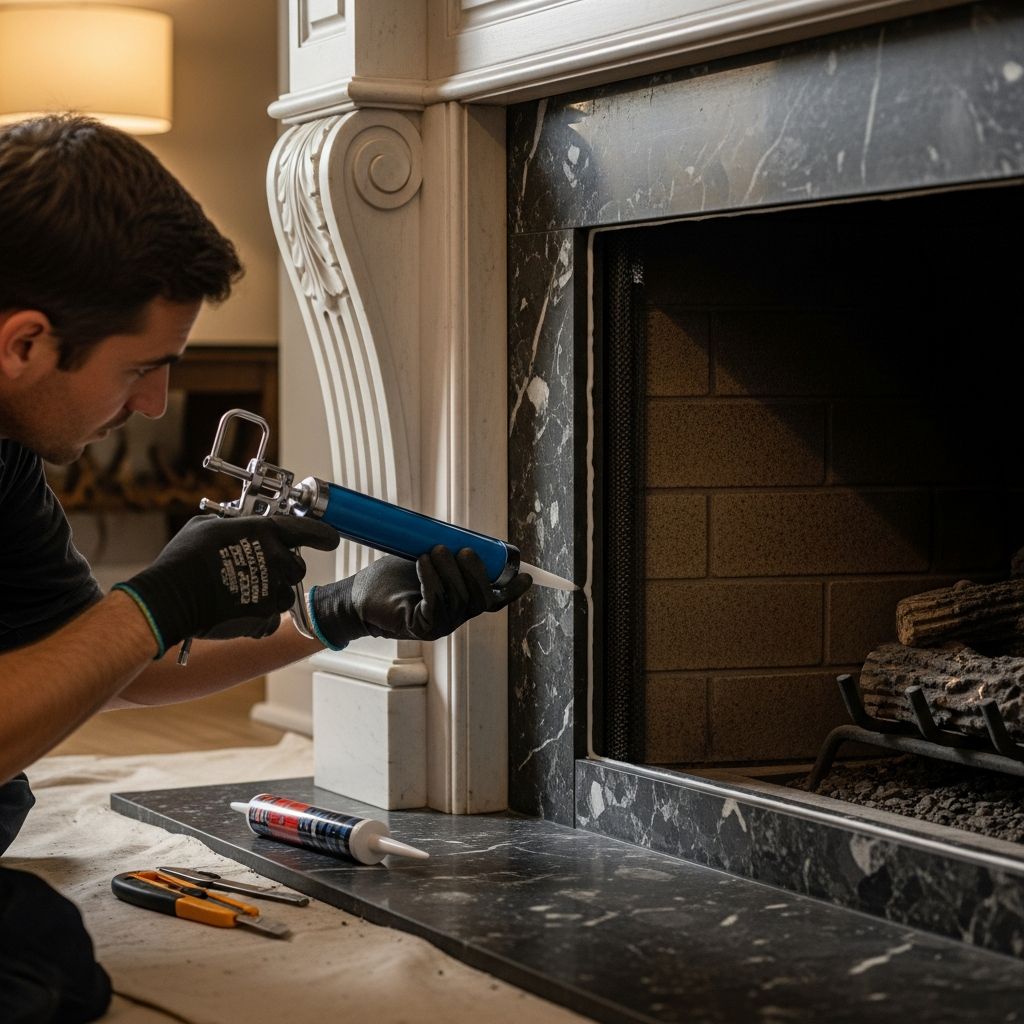
Sealing Your Fireplace Surround
Your fireplace surround serves as both a stunning focal point and a functional barrier against heat and debris. Properly sealing it safeguards the material—whether stone, brick, or masonry—from cracks, stains, and deterioration caused by repeated exposure to high temperatures and moisture. This process not only extends the lifespan of your surround but also improves indoor air quality and energy efficiency by minimizing drafts.
Why Sealing Matters for Fireplace Durability
Fireplace surrounds endure intense conditions: fluctuating temperatures, soot buildup, and occasional moisture from humid air or chimney leaks. Without a protective seal, porous materials like natural stone absorb these elements, leading to discoloration, efflorescence (white mineral deposits), and structural weakening over time. Sealing creates a breathable barrier that repels water and stains while allowing vapor to escape, preserving the natural appearance.
Benefits include resistance to UV fading for exterior-exposed surrounds, reduced maintenance, and prevention of mold growth in damp climates. Homeowners report up to 50% less cleaning time after sealing, as surfaces resist soot adhesion. For high-traffic homes, this investment pays off in preserved aesthetics and avoided costly repairs.
Assessing Your Fireplace Surround Type
Not all surrounds require the same approach. Identify your material first for optimal results:
- Natural Stone (e.g., Limestone, Granite): Highly porous; needs deep-penetrating sealers to combat moisture and stains.
- Brick or Masonry: Absorbs heat unevenly; use high-temperature-rated products to prevent cracking.
- Cast Stone or Cultured Stone: Less porous but still benefits from breathable sealers.
- Tile or Metal Trim: Focus on caulk for joints rather than full-surface sealing.
Test porosity by sprinkling water: if it beads up, a seal exists; if absorbed quickly, resealing is urgent. Consider age—older surrounds may have degraded prior coatings.
Gathering Essential Materials and Tools
Stock up on quality supplies to avoid mid-project trips. Core items include:
| Category | Recommended Items | Purpose |
|---|---|---|
| Sealants | High-temp silicone caulk for joints; penetrating sealer (e.g., water-based for stone) for surfaces | Heat resistance up to 600°F; moisture repulsion |
| Tools | Caulk gun, foam applicator, wire brush, putty knife, vacuum | Precise application and cleaning |
| Cleaning | Degreaser, trisodium phosphate (TSP), clean rags | Remove soot and oils |
| Safety | Gloves, goggles, respirator mask, drop cloths | Protect against fumes and dust |
Opt for products rated for fireplace use, like those handling 500-1000°F, ensuring compatibility with your surround. Budget $50-150 for a standard project.
Step-by-Step Preparation Process
Preparation comprises 60% of success—rushing leads to peeling sealants. Allow 24-48 hours total.
- Cool Down Completely: Extinguish fires 24 hours prior; surfaces must be ambient temperature.
- Deep Clean Surfaces: Vacuum loose debris, then scrub with TSP solution (1 cup per gallon water). For stone, use pH-neutral cleaner to avoid etching. Rinse thoroughly and dry 4-6 hours.
- Remove Old Sealant: Scrape flaking caulk with putty knife or wire brush. For stubborn residue, apply heat gun sparingly (under 200°F) and wipe.
- Protect Adjacent Areas: Tape walls, mantel, and floors with painter’s tape. Cover hearth with drop cloths.
- Inspect for Damage: Fill hairline cracks with fire-rated mortar; sand smooth before proceeding.
Drying is critical—damp surfaces trap moisture under sealant, causing bubbles.
Applying Sealant to Surfaces and Joints
Divide into surface sealing and joint caulking for comprehensive coverage.
Surface Sealing Technique
For broad areas like stone hearths:
- Stir sealer well; use foam brush or roller for even coats.
- Apply liberally in sections, wiping excess after 5-10 minutes to prevent haze.
- Two coats minimum: wait 1-2 hours between, focusing extra on high-wear hearth.
- Cure time: 24-72 hours, no fire use.
Avoid brushing strokes by working in overlapping passes.
Joint and Gap Caulking
For seams around inserts or trim:
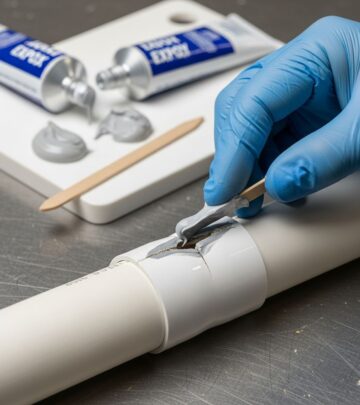
- Cut nozzle at 45° for bead width matching gap.
- Load caulk gun; apply steady 45° pressure, filling fully.
- Tool smooth with wet finger or tool while wet for seamless finish.
- Remove tape immediately.
High-temp black silicone blends invisibly with dark surrounds.
Curing, Testing, and Finishing Touches
Patience ensures adhesion. Block fireplace use for full cure (check product specs, typically 24-48 hours). Perform draft test: close damper, light incense near seals—if smoke pulls, reapply. Buff hazy residues with soft cloth after 72 hours.
For plywood covers on unused fireplaces, insulate back with foam board, seal edges with caulk to block drafts.
Common Pitfalls and Pro Tips
Avoid these errors:
- Skipping Cleaning: Leads to adhesion failure.
- Wrong Product: Regular caulk melts; always verify heat rating.
- Over-Application: Pools cause discoloration—wipe excess.
- Ignoring Ventilation: Fumes require open windows and masks.
Pro Tip: Annual inspections catch issues early. Reapply penetrating sealers every 2-5 years based on use.
Maintenance for Long-Term Protection
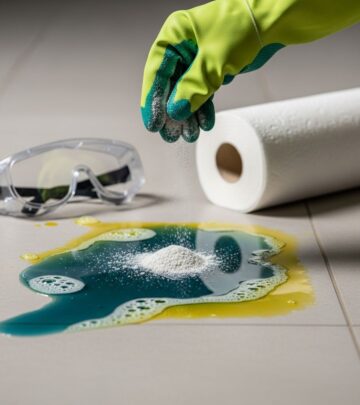
Post-sealing, sweep ash weekly; spot-clean with damp cloth. Avoid harsh chemicals. For heavy soot, use baking soda paste. Monitor for cracks from settling—reseal promptly. In humid areas, enhance with UV-protectant topcoats.
Energy savings: Sealed surrounds reduce heat loss by 15-20%, per efficiency studies.
Frequently Asked Questions (FAQs)
What is the best sealer for stone fireplace surrounds?
Deep-penetrating, breathable sealers like water-based options for limestone excel against moisture and stains.
Can I use regular caulk around my fireplace?
No—standard caulk degrades under heat. Choose high-temperature rated fireplace silicone.
How long does fireplace sealant last?
2-5 years on surfaces; joints may need annual touch-ups based on usage.
Is sealing safe for gas fireplaces?
Yes, with heat-rated products; ensure ventilation during application.
How do I test if my seal worked?
Use candle/incense test: steady flame indicates no drafts.
Sealing transforms vulnerability into resilience, keeping your fireplace a cozy centerpiece for years.
References
- How to Seal a Stone Fireplace Hearth — Old World Stoneworks. 2023. https://oldworldstoneworks.com/how-to/sealing/
- How To Seal A Fireplace Insert — Kraken Bond. 2024. https://krakenbond.net/blogs/caulk/how-to-seal-a-fireplace-insert
- Stove and Fireplace Sealing Method — Sweep Safe Tutorials (YouTube). 2022-10-15. https://www.youtube.com/watch?v=IPsJT3at0fI
- Choosing and Using Fireplace Sealants — Loctite Products. 2023. https://www.loctiteproducts.com/ideas/build-things/home-is-where-the-hearth-is.html
- How to Close off a Fireplace to Prevent Heat Loss — Mr. Handyman. 2022-02-01. https://www.mrhandyman.com/blog/2022/february/how-to-close-off-a-fireplace-to-prevent-heat-los/
- Tips for Caring for Your Fireplace Surround — Intermountain Stone. 2024. https://www.intermountainstone.com/tips-for-caring-for-your-fireplace-surround/
Similar Articles








Read full bio of Sneha Tete