The Secret to Un-Shrinking a Wool Sweater
Restore your favorite wool sweaters with proven techniques and simple household items.
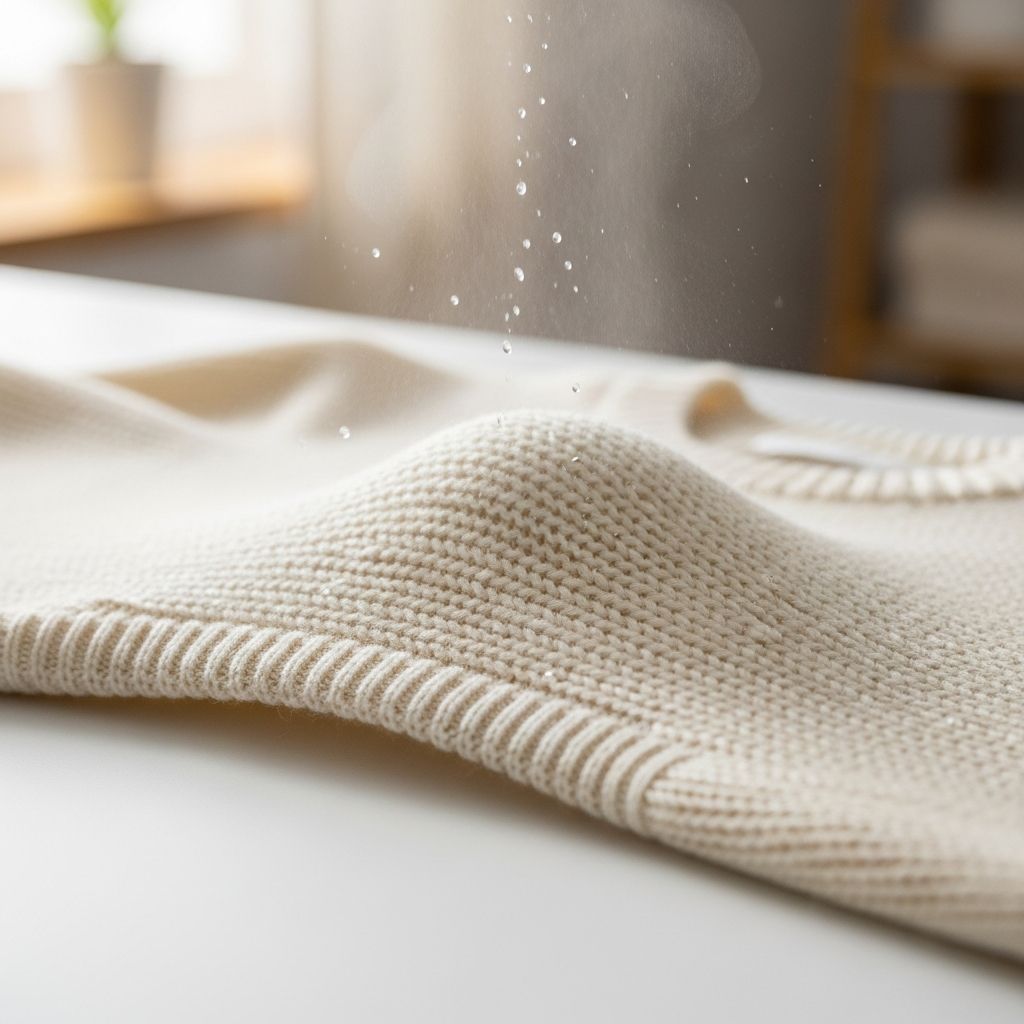
There’s nothing quite like the sinking feeling of pulling a beloved wool sweater out of the dryer only to discover it has shrunk significantly. Whether you accidentally tossed it in with a warm wash cycle or found a perfect thrifted sweater that’s a size too small, shrunken wool garments don’t have to mean the end of the line. The good news is that un-shrinking a wool sweater is entirely possible with the right approach, a few household items, and a bit of patience. This comprehensive guide will walk you through the process of restoring your favorite wool pieces to their original size and shape.
Understanding Why Wool Shrinks
Before diving into the restoration process, it’s important to understand why wool shrinks in the first place. Wool fibers are made up of tiny scales that can be damaged by heat, agitation, and harsh detergents. When exposed to warm water and mechanical action—like the tumbling of a washing machine or dryer—these scales can lock together, causing the fiber to shorten and the garment to shrink. This process is called felting, and it’s actually one of the most common reasons why wool garments end up smaller than intended.
The key to un-shrinking wool is understanding that the fibers haven’t actually been permanently damaged; they’ve simply been compacted and need to be relaxed and stretched back into their original position. This is why the process, while requiring patience, is almost always successful when done correctly.
What You’ll Need: Essential Materials
The beauty of un-shrinking a wool sweater is that you likely already have most of the necessary supplies at home. Here’s what you’ll need to gather before beginning:
- Lukewarm water
- Hair conditioner or baby shampoo
- Large towels (at least two)
- A flat drying surface (blocking mat, corkboard, or clean floor)
- Sewing pins or T-pins (optional, but helpful)
- Gentle hands and plenty of patience
The conditioner or baby shampoo is crucial—these products contain gentle ingredients that help relax wool fibers without damaging them. Regular detergents are too harsh and can actually accelerate felting rather than reverse it.
The Step-by-Step Un-Shrinking Process
Step 1: Fill Your Basin with Lukewarm Water
Begin by filling a bathtub, large sink, or basin with lukewarm water. This is critically important—the water should be barely warm, not hot. Wool is prone to something called fiber shocking, where a sudden temperature change can cause the fibers to lock up even more. If you subjected your sweater to hot water during the original shrinking incident, you want to avoid repeating that mistake. Think of the temperature as similar to what you’d use to wash your hands comfortably; it should feel pleasant but not hot.
Step 2: Add Conditioner or Baby Shampoo
Add approximately two tablespoons of hair conditioner or baby shampoo to the water, or about one teaspoon for smaller items. The conditioner works similarly on wool as it does on your hair—it helps relax the cuticles of the fiber and makes them more pliable. Mix the conditioner thoroughly into the water until you see a few small bubbles forming on the surface. You want enough conditioner to be effective but not so much that you create an overly soapy situation.
Step 3: Submerge the Sweater
Carefully place your shrunken sweater into the water, ensuring it’s fully submerged. You may need to gently hold it under the water surface for a few seconds to allow air to escape and ensure the fibers are completely saturated. The key word here is “gentle”—avoid scrubbing, agitating, or moving the sweater around in the water, as this can accelerate the felting process and make your situation worse.
Step 4: Soak for the Appropriate Time
Let the sweater soak for 10 to 20 minutes. During this time, the conditioner will work to relax the wool fibers, and they’ll begin to loosen their tight grip on one another. This soaking period is doing the heavy lifting of the un-shrinking process, so don’t be tempted to cut it short. However, don’t leave it soaking for hours on end either, as excessive moisture exposure can weaken the fibers.
Step 5: Drain Without Rinsing
After the soaking time is complete, carefully drain the water from the basin. This is where many people make a critical mistake: they rinse the sweater with clean water. Resist this urge. The conditioner coating the fibers is actually helping to keep them relaxed, and rinsing would wash away this beneficial layer. Instead, gently press the sweater against the sides of the basin to squeeze out water without wringing or twisting the fabric.
Step 6: Towel Press for Moisture Removal
Lay one of your large towels flat on a clean, dry surface. Place the sweater on top of this towel, then roll them together gently. This rolling motion helps absorb excess moisture while being gentle on the fibers. Press down as you roll to encourage water absorption into the towel. You may need to repeat this process with a second dry towel to remove as much moisture as possible. The goal is to have the sweater damp to the touch but not dripping wet.
Step 7: Stretch the Sweater
This is the crucial step where the actual un-shrinking happens. Lay the damp sweater on a clean, dry towel on a flat surface. Beginning gently, start stretching the sweater back toward its original dimensions. Stretch horizontally first, gently pulling the sides outward. Then stretch vertically, pulling the length. Work methodically and uniformly across the entire garment—if you stretch one section too much, you’ll end up with an oddly shaped sweater.
For sweaters, pay special attention to the sleeves, which often shrink noticeably, and the body of the sweater. Stretch slowly and steadily; there’s no need to force it. The conditioner and moisture have made the fibers pliable, and aggressive stretching could damage them.
Step 8: Pin and Air Dry
Once you’ve stretched the sweater to approximately its original size, you can use sewing pins or T-pins to hold it in place on a blocking mat or directly on your towel. This prevents the sweater from shrinking back down as it dries. If you don’t have pins, you can simply leave the sweater laid flat and check on it periodically, gently re-stretching if necessary as it dries.
Allow the sweater to air dry completely away from direct heat sources or sunlight. This could take anywhere from 24 hours to several days depending on humidity levels and sweater thickness. Never use a hair dryer, heat source, or put it back in the dryer—heat is what caused the problem in the first place.
Adapting the Process for Different Wool Items
While the basic un-shrinking method works for most wool garments, you may need to adjust your approach slightly depending on what you’re treating.
Wool Jumpers and Sweaters
Jumpers and sweaters follow the standard process described above. The key is being patient with the stretching process, as these larger garments may need to be stretched multiple times if they’ve shrunk significantly. Some people find it helpful to stretch in multiple gentle sessions rather than trying to force the garment back to size in one go.
Cashmere Sweaters
Cashmere requires extra gentleness throughout the entire process. Use the same basic method, but be even more careful during the stretching phase. Never overstretch cashmere, and consider using cashmere-specific conditioners rather than standard hair conditioner. The fibers are delicate and can break if treated too roughly.
Wool Pants
The soaking and conditioning steps remain the same, but stretching wool pants requires attention to detail. Lay them flat and gently stretch them to their original length and waist width. Pay attention to the inseam and make sure you’re not creating an uneven stretch.
Smaller Items
For smaller wool items like socks, caps, or gloves, use the same process but reduce the amount of conditioner to just a few drops. These items need less conditioner and may require shorter soaking times—around 5 to 10 minutes is usually sufficient.
Preventing Future Shrinkage
While un-shrinking a wool sweater is possible, prevention is always easier than correction. To protect your wool garments from shrinking in the future, always hand wash wool items in cool to lukewarm water with wool-specific detergent. Air dry flat rather than using a dryer. If you must machine wash, use a delicate cycle with cold water and a wool-specific detergent setting. Never put wool in the dryer on any heat setting.
When to Try Again
If your sweater has shrunk significantly—for example, from an adult size to a child size—you may need to repeat the entire process multiple times to gradually restore it to its original dimensions. While this requires patience and time, it’s often still more economical and environmentally friendly than replacing the sweater entirely. Allow the sweater to dry completely between attempts, then assess how much further it needs to stretch before repeating the process.
Frequently Asked Questions
Q: Can you un-shrink a wool sweater that’s been in the dryer?
A: Yes, the un-shrinking process works whether the sweater was shrunk by a washing machine or dryer. The conditioner and stretching method will help relax the fibers regardless of how the initial shrinkage occurred.
Q: How long does it take to un-shrink a wool sweater?
A: The active process takes about 30 minutes to an hour, but the drying phase can take 24 to 72 hours depending on the sweater’s thickness and your climate’s humidity level.
Q: Will un-shrinking damage my wool sweater?
A: When done correctly with gentle handling and proper conditioner, the un-shrinking process should not damage your sweater. However, be cautious not to overstretch or use hot water, as these could cause additional damage.
Q: Can you un-shrink a wool sweater without conditioner?
A: While conditioner makes the process more effective, you can use other gentle options like baby shampoo or specialized wool-washing solutions. Regular dish soap or laundry detergent is not recommended as it can be too harsh.
Q: What if my sweater still isn’t fully un-shrunk after one treatment?
A: Repeat the entire process. For severely shrunken items, you may need to do this 2-3 times. Always allow the sweater to dry completely between attempts before assessing its size.
Q: Is the un-shrinking process different for expensive wool sweaters?
A: The basic process remains the same, but you may want to use premium wool-specific products and be extra gentle during the stretching phase. The method is actually ideal for valuable pieces since it avoids harsh chemicals or heat.
Q: Can you un-shrink a wool sweater that’s been dry cleaned?
A: Yes, the un-shrinking process works on sweaters that have been dry cleaned and shrunk. However, make sure to rinse away any dry cleaning chemicals with cool water before beginning the un-shrinking process.
Q: How do you know when the sweater is fully stretched?
A: Measure your sweater during the stretching process and compare it to the original measurements if you have them. If not, stretch it until it looks proportionally correct and feels comfortable to the touch.
References
- How to Unshrink a Sweater — Molly Maid. 2018. https://www.mollymaid.com/practically-spotless/2018/november/how-to-unshrink-a-sweater/
- How to Unshrink Wool: Restore Your Favourite Clothes — Vileda. https://www.vileda.co.uk/cleanspiration/cleaning-tips/how-to-unshrink-wool
- How To Unshrink Woollen Jumpers — Haberdasher Bee. https://haberdasherbee.co.uk/blog/how-to-unshrink-woollen-jumpers/
- How to Rescue Shrunken Wool Clothing — BON’A PARTE. https://www.bonaparteshop.com/en-eu/inspiration/how-to-rescue-shrunken-wool
- How to Unshrink Clothes — Oxfam. https://www.oxfam.org.uk/oxfam-in-action/oxfam-blog/how-to-unshrink-clothes/
Similar Articles








Read full bio of Sneha Tete