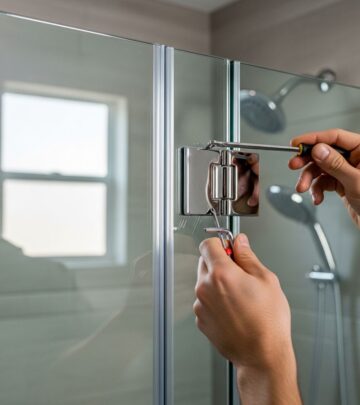
Securing Climbing Plants on Concrete Surfaces
Expert techniques for attaching vines to concrete walls, transforming bare surfaces into lush green features with durable support systems.
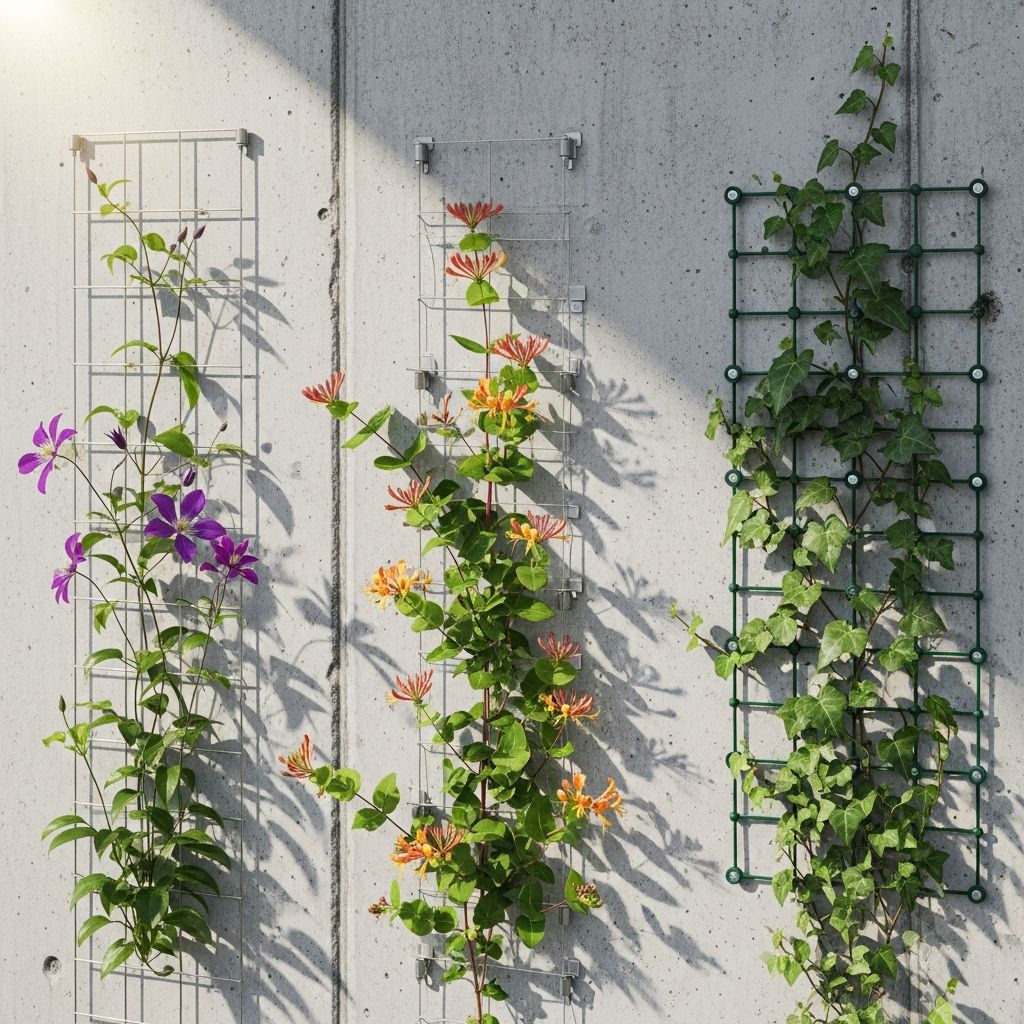
Concrete walls offer a sturdy canvas for vertical gardening, but their smooth, unyielding surface poses challenges for attaching climbing plants. With the right techniques, you can create a thriving green wall that boosts curb appeal, provides shade, and improves air quality. This guide explores multiple methods, from robust trellises to subtle wire systems, ensuring your vines adhere securely without damaging the structure.
Why Choose Vines for Concrete Walls?
Climbing plants like ivy, clematis, and jasmine excel on concrete due to their ability to cover large areas quickly. They insulate walls against temperature extremes, reducing energy costs, and create natural privacy screens. Unlike paint or cladding, living walls require minimal upkeep once established and support biodiversity by attracting pollinators.
Selecting the right vine depends on your climate and wall exposure. Evergreen varieties such as English ivy provide year-round coverage, while flowering options like honeysuckle add seasonal color. Always check local hardiness zones to match plants to your environment.
Essential Tools and Materials Overview
Success starts with quality tools. A hammer drill with masonry bits is indispensable for penetrating concrete, paired with anchors, screws, and levels for precision. Softer ties like jute prevent vine damage as they grow.
- Hammer drill and 3/16-inch masonry bits: For clean holes in concrete or block.
- Concrete screws (2-inch) with washers: Provide strong hold without expansion anchors.
- Wire cutters, pliers, and measuring tape: For custom grid systems.
- Level (4-foot): Ensures even installation.
- Shovel, cultivator, and mulch: For planting and soil prep.
Method 1: Installing a Wooden Trellis System
A wooden trellis offers immediate structure for vigorous climbers. Panels measuring 4×6 feet work well for most walls, elevated slightly off the ground to prevent rot.
- Pre-drill trellis panels: Create three holes per side using a standard drill to avoid splitting.
- Position and level: Hold the panel 1-2 inches from the base soil line, mark concrete spots.
- Drill into concrete: Use a masonry bit to bore holes matching screw size.
- Secure firmly: Insert screws with washers, tightening until flush.
For multi-panel setups, overlap edges slightly for stability. This method suits heavy vines like wisteria, distributing weight evenly across the wall.
| Pros | Cons |
|---|---|
| High durability for heavy plants | Visible structure |
| Easy vine training | Requires woodworking skills |
| Customizable height | Wood may weather over time |
Method 2: Creating an Invisible Wire Grid
For a sleek look, install stainless steel wires in a diamond or grid pattern. This ‘invisible’ system lets vines shine while providing ample support.
Plan your design on paper first: Aim for 2-foot diamonds scaled to wall size. Use concrete screws on lower edges and standard screws higher up if attaching to wood trim.
- Mark screw points evenly across the wall.
- Drive screws into pre-drilled holes.
- Thread heavy-gauge wire (12-14 gauge) between screws, twisting ends securely with pliers.
- Plant vines at base and weave young shoots onto wires.
Cost-effective at under $100 for large walls, this method mimics professional espalier gardens. Ideal for brick or stucco-faced concrete.
Method 3: Heavy-Duty Hook and Strap Attachments
Loop hook straps excel for existing large vines or bushes. Epoxy putty reinforces plastic hooks on textured block walls.
- Clean surface: Remove debris for maximum adhesion.
- Apply epoxy: Knead putty and mold around hook bases.
- Press and cure: Hold against wall for 24 hours.
- Train vines: Loop stems through hooks, securing loosely.
This DIY fix supports overgrown plants without full trellis rebuilds, perfect for retrofitting.
Selecting and Planting the Best Vines
Not all climbers suit concrete; choose self-clinging types or those needing ties. Boston ivy adheres naturally via aerial roots, minimizing supports.
| Vine Type | Growth Rate | Best For | Light Needs |
|---|---|---|---|
| English Ivy | Fast | Shade cover | Partial shade |
| Carolina Jessamine | Moderate | Flower display | Full sun |
| Clematis | Moderate | Color variety | Full sun |
| Honeysuckle | Fast | Fragrance | Full sun |
Plant in holes 2-3 times wider than root balls, amended with super-phosphate fertilizer. Loosen roots, tip back leaders toward support, and mulch with 2 inches of bark to retain moisture.
Step-by-Step Planting Guide
Excavate at trellis base, incorporating native soil if loamy. Position plants, backfill, and tie loosely with jute string—it biodegrades without girdling stems. Water deeply post-install.
- Tease circling roots to promote outward growth.
- Add starter fertilizer for root establishment.
- Rake mulch evenly, avoiding stem contact.
Maintenance for Long-Term Success
Prune annually to control spread and remove dead growth. Check attachments seasonally, tightening loose screws. Water during dry spells, especially first year. In cold climates, protect tender vines with burlap.
Monitor for pests like aphids; hose off or use insecticidal soap. Fertilize sparingly in spring to avoid lush growth prone to disease.
Common Challenges and Solutions
| Issue | Solution |
|---|---|
| Vines not climbing | Tie tendrils initially; choose clinging varieties. |
| Support loosening | Re-drill and use larger anchors. |
| Root rot at base | Elevate trellis; improve drainage. |
| Wall damage | Use non-invasive vines; avoid suction cups. |
Frequently Asked Questions (FAQs)
What if my wall is painted concrete?
Sand lightly for adhesion, but test screws first—paint may flake. Opt for wire systems to minimize drilling.
Can I use adhesive hooks instead of drilling?
For light vines only; heavy-duty epoxy versions work short-term, but drilling ensures permanence.
How long until full coverage?
1-3 years depending on vine vigor and care; fast-growers like ivy cover quickest.
Are these methods safe for retaining walls?
Yes, if not overloading; consult engineers for structural walls.
What about indoor concrete walls?
Use smaller pots with hydroponic ties; ensure humidity and light.
References
- How to Attach a Trellis to a Concrete Wall — This Old House. 2015-01-01. https://www.youtube.com/watch?v=zcLZfIyPQJA
- Train Plants Up a Concrete Wall with Heavy Duty Loop Hook Straps — Rich Tamayo, TVP Live. 2017-05-05. https://www.youtube.com/watch?v=LEMQbp_wOB8
- DIY Invisible Wire Trellis on a Brick Wall — Cotton Stem. 2020-10-15. https://cottonstem.com/diy-invisible-wire-trellis-on-a-brick-wall/
- Vertical Gardens and Climbing Plants — United States Department of Agriculture (USDA). 2023-06-12. https://www.nrcs.usda.gov/conservation-basics/natural-resource-concerns/plant
- Concrete Anchoring Standards — American Concrete Institute (ACI). 2024-03-01. https://www.concrete.org/publications/technicaldocuments
Similar Articles





Read full bio of Sneha Tete