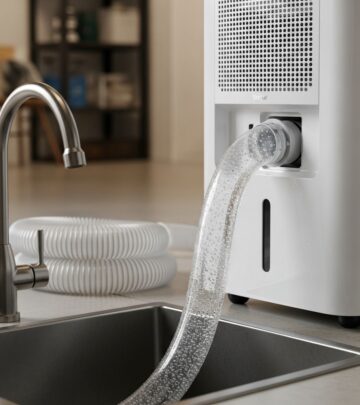
Securing Poly Pipe To Barbed Fittings: Step-By-Step Guide
Master the essential techniques for reliably connecting polyethylene pipe to barb fittings.
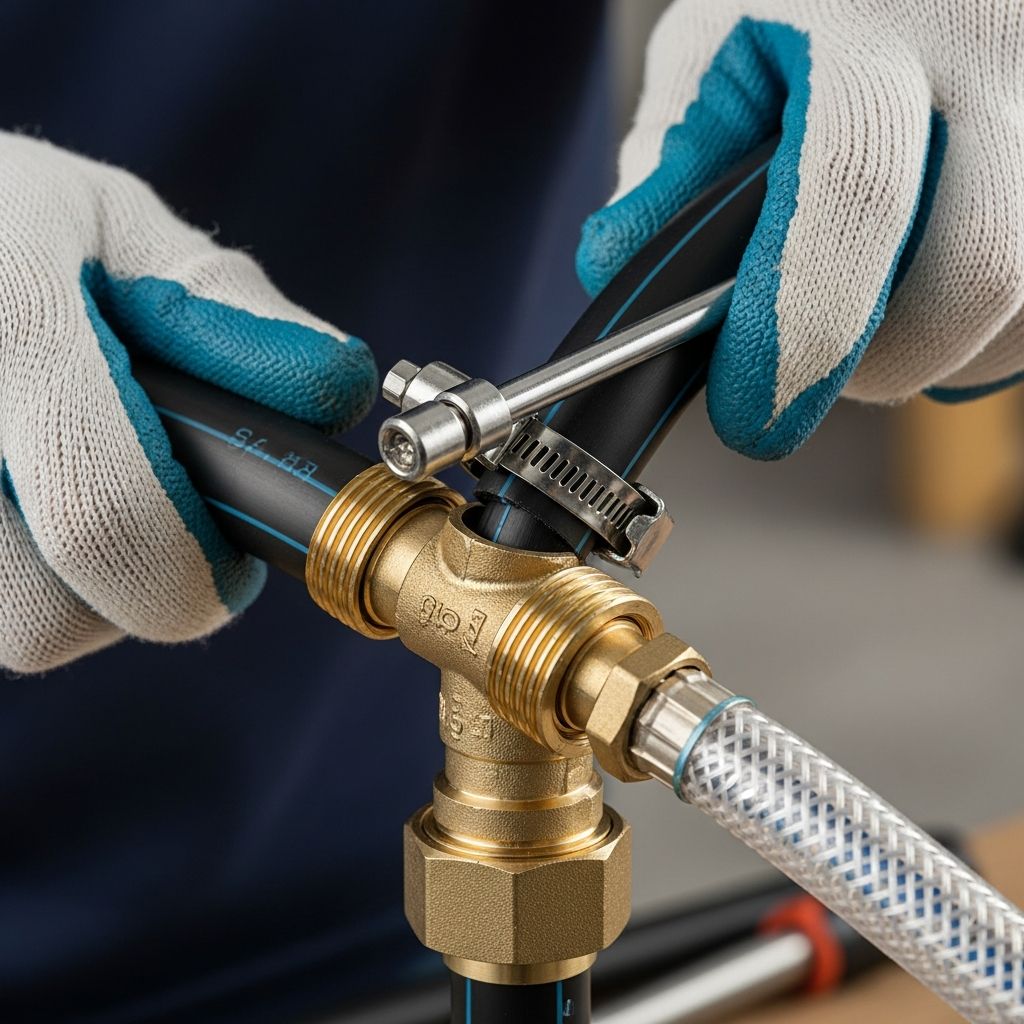
Securing Poly Pipe to Barbed Fittings: A Comprehensive Installation Guide
Polyethylene (PE) pipe has become increasingly popular in residential and agricultural plumbing applications due to its flexibility, durability, and ease of installation. One of the most common connection methods involves using plastic barbed fittings combined with mechanical clamping devices. Unlike rigid PVC piping that relies on cement and fittings, poly pipe connections depend on the proper combination of heat treatment and mechanical restraint to create lasting, leak-free joints. Understanding the correct procedure for securing poly pipe to barb fittings is essential for anyone undertaking plumbing work, whether for a new installation or repair project.
Understanding Poly Pipe and Barb Fitting Components
Polyethylene pipe represents a distinct category of plumbing material that behaves differently from traditional rigid piping systems. The material’s inherent flexibility allows for easier routing through tight spaces and reduces stress on connections during temperature fluctuations and ground movement. Barbed fittings are specifically designed to work with this flexibility, featuring small ridges or barbs along their shank that grip the pipe material when properly installed.
The barb fitting consists of several key components that work together to create a secure connection. The main body houses the internal passage for water flow, while the external barbed surface provides mechanical grip points. When a poly pipe is pushed onto these barbs and then secured with a clamp, the combination creates both a pressure seal and pullout resistance that can exceed the yield strength of the pipe itself.
The mechanical clamps used in poly pipe installations serve a critical function beyond simply holding the fitting in place. They compress the pipe material around the barb profile, ensuring that the entire barbed surface maintains contact with the pipe wall. Without proper clamping force, sections of the pipe may not fully engage with the barbs, creating weak points susceptible to leakage or separation under pressure.
Pre-Installation Preparation and Assessment
Before beginning any poly pipe installation, careful preparation ensures optimal results. The first step involves inspecting both the pipe and fitting for any damage, contamination, or defects. Any dirt, debris, or chemical residue on the pipe’s interior or the fitting’s exterior should be removed, as these can compromise the seal and reduce clamp effectiveness.
Measure and mark the insertion depth on the pipe to ensure consistent installation depth. This marking serves as a visual guide during the actual connection process and helps prevent under-insertion, which would leave portions of the barb profile unengaged. Many professionals use a depth gauge or measure directly from the fitting to establish the correct penetration distance.
Assessing the poly pipe’s flexibility is important before heating. Fresh poly pipe may be stiff, particularly in cold conditions, making it difficult to slide onto fittings. Determining the best approach—whether heating is necessary and the appropriate heating method—depends on the pipe’s current condition and ambient temperature.
The Critical Role of Heat in Poly Pipe Connections
One of the most misunderstood aspects of poly pipe installation involves the application of heat. Heating the poly pipe softens the material, making it more pliable and easier to slide onto barb fittings. However, the heat must be applied carefully and strategically to avoid damaging the pipe material.
Propane torches and MAP gas torches are commonly used tools for heating poly pipe. The flame should be applied evenly around the pipe’s circumference rather than concentrating heat on a single area, which could cause localized melting or weakening. The goal is to warm the pipe material until it becomes noticeably softer and more flexible, typically taking only seconds to achieve.
Some practitioners prefer alternative heating methods, such as immersing the pipe end in hot water rather than using open flames. This method provides more controlled, even heating without the risk of scorching the pipe material. The temperature should be sufficiently hot to warm the pipe without reaching boiling point, as excessively high temperatures can compromise the material’s structural integrity.
The duration of heating is typically brief—usually 10 to 30 seconds depending on the pipe diameter and material thickness. Over-heating can degrade the polyethylene, reducing its strength and sealing capability. Under-heating leaves the pipe too stiff, making insertion difficult and potentially damaging both the pipe and fitting during connection.
Clamp Selection and Placement Strategy
The selection of appropriate clamps is fundamental to creating a secure connection. Stainless steel hose clamps are the standard choice for poly pipe applications, offering corrosion resistance and reliable mechanical performance. The clamp must be appropriately sized for the pipe diameter and constructed to withstand the service pressures involved.
Determining the correct number of clamps depends on the fitting design and pipe diameter. Standard guidelines suggest one clamp for smaller fittings with symmetrical shanks measuring 3/8 inch or below, while larger fittings typically require two clamps for proper security and even pressure distribution.
When two clamps are used, they should be positioned on opposite sides of the pipe, with the adjustment screws facing opposite directions. This opposed placement ensures that clamping force is distributed evenly around the pipe’s circumference, preventing uneven compression that could damage the pipe or create weak sealing points.
The optimal clamp position should be established before heating the pipe. The clamp should be positioned near the fitting, typically with the leading edge aligned with the marked insertion depth on the pipe. This positioning allows the clamp to immediately engage as the fitting is inserted, preventing any pipe movement or misalignment during the critical joining moment.
Step-by-Step Installation Procedure
Step 1: Prepare Components
Place all necessary tools and components within easy reach. Ensure the clamps are properly sized and functional, with screw mechanisms operating smoothly. Have your heating device ready and test it briefly to ensure proper operation.
Step 2: Position Clamps
Slide the required number of clamps onto the poly pipe at the predetermined location, before any heating occurs. This is crucial—once the fitting is inserted and the pipe begins to cool, repositioning clamps becomes extremely difficult or impossible without cutting and redoing the entire connection.
Step 3: Apply Heat
Using your heating method of choice, warm the pipe end evenly around its entire circumference. Move the heat source continuously to avoid concentration in any single area. The pipe should become noticeably softer and more flexible but should not show signs of scorching or extreme melting.
Step 4: Insert the Fitting
Working quickly while the pipe remains warm and pliable, push the barb fitting firmly onto the pipe with a smooth, continuous motion. Align the fitting to match your pre-marked insertion depth. Do not twist the fitting or pipe during insertion, as this can misalign the barbs and reduce sealing effectiveness.
Step 5: Tighten Clamps
Immediately after insertion, while the pipe is still warm, begin tightening the clamps. Alternate between clamps if two are used, gradually increasing pressure rather than fully tightening one clamp completely. This alternating approach distributes clamping force evenly around the pipe.
Step 6: Allow Cooling
Once clamps are snug, allow the connection to cool without disturbance. As the poly pipe cools, it will contract slightly around the barbs, creating a mechanical lock that enhances the seal. Do not apply any stress or pressure to the connection during this cooling period.
Proper Clamp Tightness and Force Application
Determining the correct clamp tightness requires judgment and experience. The clamps must be tight enough to compress the pipe material fully onto the barb profile, creating both a seal and adequate pullout resistance. However, excessive tightness can crush the pipe, creating deformations that actually reduce sealing effectiveness and weaken the pipe structure.
A properly tightened clamp will feel snug and resist further hand-tightening but should not require extreme force. If you find yourself struggling to achieve additional tightness with normal tools, the clamp is likely already at proper tension. The heated, still-pliable pipe will compress more easily during this initial tightening phase than after it has fully cooled.
Some professionals prefer to use impact drivers with specific bit sizes to achieve consistent clamp tension, though this approach requires experience to avoid over-tightening. Most residential applications benefit from careful, gradual hand-tightening using a standard wrench or screwdriver.
Common Mistakes and How to Avoid Them
Installing clamps after insertion: This is perhaps the most common and costly mistake. Once the fitting is inserted and the pipe begins cooling, the tight fit between the pipe and fitting barbs makes clamp installation extremely difficult or impossible. Always position clamps before any heating occurs.
Uneven clamp placement: If two clamps are used on the same fitting, they must be positioned on opposite sides. Placing both clamps on the same side creates uneven pressure distribution and can lead to localized weakness and potential leakage.
Inadequate heating: Attempting to insert a fitting into pipe that remains too stiff results in poor engagement with the barbs. The connection will be weak and prone to failure. Don’t rush the heating process; ensure the pipe is genuinely softened before insertion.
Over-heating the pipe: Excessive heat can degrade the polyethylene material, compromising its strength and sealing characteristics. The pipe should be noticeably softer but not scorched or excessively melted. Keep heating times short and temperature controlled.
Twisting during insertion: Rotating the fitting or pipe during insertion can misalign the barbs and prevent proper engagement. Insert and hold straight, without twisting motions.
Testing and Verification
Once the connection has cooled completely, which typically takes several minutes, the system should be pressurized to verify the integrity of the joint. Start with low pressure, observing the connection for any signs of leakage around the clamps or fitting body. Gradually increase pressure while continuing to monitor.
A properly executed connection should show no weeping, dripping, or leakage at any point. If leakage occurs, do not attempt to tighten the clamps further, as the problem likely stems from improper insertion depth or inadequate barb engagement. In such cases, the joint must be cut and remade.
Maintenance and Long-Term Performance
Poly pipe connections properly installed with barb fittings and mechanical clamps typically provide reliable, long-term service. However, periodic inspection is worthwhile, particularly in harsh conditions or after ground settling that might stress the connections.
Check clamps periodically to ensure they remain tight. In some cases, slight loosening can occur as the pipe material reaches a stable configuration. A quick tightening with a wrench can restore full effectiveness if any slight leakage appears.
Frequently Asked Questions
Q: Can I use compression fittings instead of barb fittings?
A: Yes, compression fittings work with poly pipe and offer certain advantages in some applications. However, barb fittings with clamps remain the most common and cost-effective choice for poly pipe installations.
Q: What size clamps should I use?
A: Clamp size must match your pipe diameter. Common sizes for residential poly pipe range from hose clamp sizes suitable for 1/2-inch through 1-inch diameter pipe. Consult your fitting and clamp manufacturer specifications.
Q: Can I use a heat gun instead of a torch?
A: Heat guns work for smaller diameter pipes but heat more slowly than torches. Hot water immersion is often more practical for small-diameter applications.
Q: How long should I heat the pipe?
A: Typically 10 to 30 seconds depending on pipe diameter, material thickness, and ambient temperature. The goal is noticeable softening without scorching.
Q: What if the fitting is difficult to push onto the heated pipe?
A: Apply more heat and allow the pipe to warm for a slightly longer duration. Ensure heat is applied evenly around the entire circumference. If the fitting still resists, it may be too large or there may be contamination on either surface.
References
- Chapter 9 – PE Pipe Joining Procedures — Plastic Pipe Institute (PPI). 2008. https://plasticpipe.org
- The ULTIMATE Poly Pipe Trick // FARMSKILLZ — Grass Roots/Farmskillz. YouTube. https://www.youtube.com/watch?v=qfLp5mCA4eA
- How to Install Pinch-On Clamps | Procedure 2203 — YouTube. https://www.youtube.com/watch?v=gACBvybfyxk
- Clamping black poly water supply line — Yesterday’s Tractors Forum. https://www.yesterdaystractors.com/cgi-bin/viewit.cgi?bd=toolt&th=197075
- Torquing hose clamps for poly connections — Terry Love Plumbing Forum. https://terrylove.com/forums/index.php?threads/torquing-hose-clamps-for-poly-connections.45937/
Similar Articles


Read full bio of medha deb