Septic Drainfield: 6 Warning Signs And Professional Fixes
Expert strategies for maintaining and restoring your septic system's absorption field.
Understanding Your Septic Drainfield System
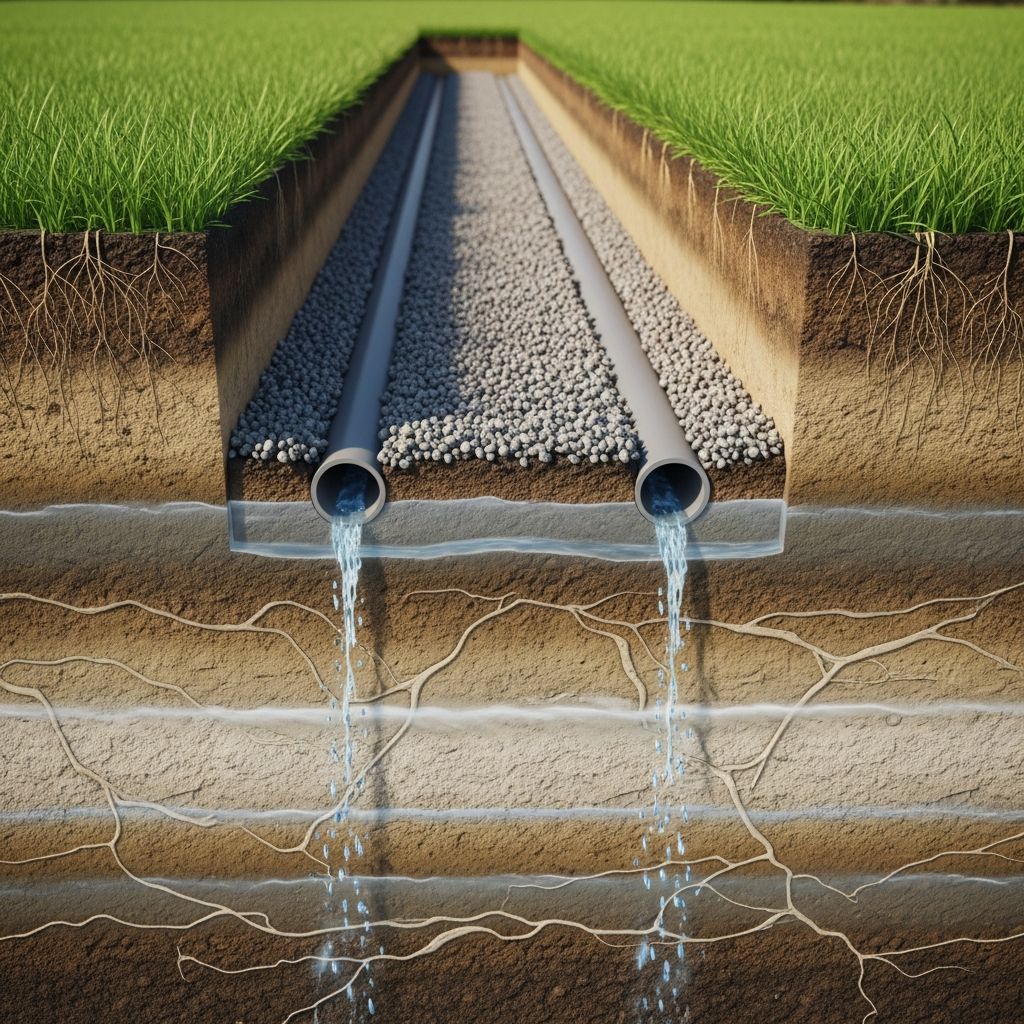
A septic system operates as a self-contained wastewater treatment facility for homes without access to municipal sewer lines. The system comprises several critical components working in concert: the main tank where initial separation occurs, the distribution box that directs treated water, and the drainfield—often called the lateral lines or absorption field—where final treatment happens. The drainfield represents the most vulnerable portion of your entire system, consisting of a network of perforated pipes buried beneath soil that acts as a natural filtration mechanism. Understanding how this component functions is essential for recognizing when problems develop and knowing when professional intervention becomes necessary.
Recognizing Drainfield Deterioration and Warning Signs
Early detection of drainfield problems can mean the difference between a simple cleaning and an expensive replacement project. Several observable indicators suggest that your lateral lines may be experiencing issues and require attention.
- Soggy patches or standing water in the yard above the drainfield, particularly during dry weather when water should be absorbed
- Unusually lush vegetation growing directly over the drainfield area, resulting from excess nutrients in wastewater
- Persistent odors emanating from the ground, indicating incomplete treatment and surfacing effluent
- Slow draining fixtures throughout the home, including toilets, sinks, and showers that empty gradually
- Backup into the main tank or actual sewage appearing in drains, suggesting the drainfield cannot accept more water
- Septic tank pumping occurring more frequently than usual, indicating lateral line failure
When multiple indicators appear simultaneously, the urgency of addressing the problem increases significantly. A licensed septic contractor can perform diagnostic procedures to confirm drainfield condition and recommend appropriate remediation.
Common Causes of Drainfield Failure
Understanding what leads to drainfield problems empowers homeowners to prevent them through informed decision-making. Several factors contribute to lateral line clogging and failure.
Solid accumulation represents the most prevalent cause. When septic tanks are not pumped regularly, solids accumulate beyond safe levels and migrate into the drainfield where they lodge in the soil and perforations, progressively clogging the system. This is precisely why regular pumping every three to five years is critical—it prevents this catastrophic scenario.
Excessive water usage overloads the system’s absorption capacity. When more water enters the drainfield than the surrounding soil can process, saturation occurs and the system fails to function. Spreading out laundry loads, installing water-efficient fixtures, and fixing leaks all help maintain appropriate hydraulic loading.
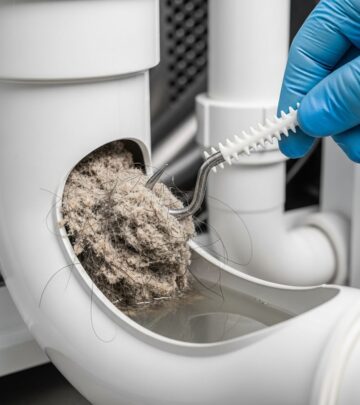
Introduction of harmful materials damages the biological ecosystem within the drainfield. Hair, grease, lint, and non-biodegradable items accumulate in pipes. Using inappropriate drain cleaners, flushing items that shouldn’t enter the system, and pouring kitchen grease down drains all contribute to this problem. The official EPA guidance emphasizes proper waste disposal as fundamental to system health.
Soil conditions can accelerate failure. Heavy clay soils with poor drainage characteristics absorb water slowly, while sandy soils may drain too rapidly for adequate treatment. Understanding your soil type helps determine appropriate system capacity and maintenance frequency.
Tree root intrusion penetrates pipes seeking moisture, creating blockages that progressively worsen. Planting trees and large shrubs near drainfields should be avoided entirely.
Professional Cleaning and Restoration Methods
When drainfield problems develop, several professional techniques exist for remediation. The approach selected depends on the specific problem and severity of the situation.
High-pressure jetting involves forcing pressurized water through lateral lines to dislodge accumulated solids and biomat buildup. This method works effectively for moderate clogs and requires specialized equipment and expertise. A licensed contractor evaluates whether this approach suits your situation, as excessive pressure can damage older pipe systems.
Mechanical snaking physically removes obstructions from pipes using rotating cables with cutting heads. This technique proves effective for specific blockages such as roots or solid masses but cannot address widespread biomat accumulation.
Septic tank pumping and thorough inspection should precede any drainfield cleaning, as it removes accumulated solids from the tank. During pumping, technicians can measure sludge and scum layer thickness to determine if the tank required cleaning. A professional inspection identifies cracks, deteriorated baffles, and other internal tank issues.
Drainfield flooding or diversion systems temporarily redirect wastewater while treatment continues, allowing the drainfield to rest and recover. This low-intensity approach permits biological processes to resume and can be effective for systems experiencing temporary overload.
System restoration alternatives might include expanding the existing drainfield by installing additional lateral lines or constructing a secondary treatment area. These solutions require professional design and permitting but restore adequate system capacity.
Preventative Maintenance Schedule and Best Practices
| Maintenance Task | Recommended Frequency | Purpose |
|---|---|---|
| System Inspection | Every 1-2 Years | Identify early problems before they escalate |
| Tank Pumping | Every 3-5 Years | Remove accumulated solids |
| Drainfield Inspection | Every 2-3 Years | Monitor soil conditions and saturation |
| Effluent Filter Cleaning | As Recommended | Prevent filter clogging |
| Water Usage Monitoring | Continuous | Prevent system overload |
Regular professional inspections form the foundation of a proactive maintenance approach. A licensed contractor locates your system, uncovers access points, measures sludge depth, identifies leaks, and examines ground conditions above the drainfield. These inspections catch problems in early stages when correction costs remain minimal.
Disciplined water conservation reduces strain on all system components. Installing low-flow toilets and showerheads, fixing leaks promptly, spreading laundry use across multiple days, and avoiding excessive simultaneous water use all contribute meaningfully to system longevity. Even small reductions in household water consumption extend the interval between pumping services.
Careful waste management prevents the introduction of harmful materials. Never flush non-biodegradable items, avoid pouring grease or oil down drains, use bathroom and laundry products in moderation, and select septic-safe alternatives when possible. These daily decisions accumulate into significant system protection over months and years.
Protective landscaping practices safeguard the drainfield from physical and biological damage. Avoid planting trees or shrubs whose roots might penetrate pipes, prevent vehicle traffic and heavy equipment from compacting soil above the field, keep roof gutters and grading directed away from the drainfield area, and maintain adequate vegetation to stabilize soil and prevent erosion.
Documentation and record keeping prove invaluable for system management. Maintain a detailed file including your septic permit, tank location sketch, pumping dates and contractor information, inspection reports, repairs completed, and recommendations received. These records facilitate future service and provide documentation important when selling property.
When Drainfield Replacement Becomes Necessary
Despite conscientious maintenance, drainfield replacement occasionally becomes unavoidable. This typically occurs after decades of use when soil has become irreversibly saturated and biomat has accumulated beyond removal. Indicators that replacement is necessary include persistent system failure despite professional cleaning, inability to obtain permits for restoration, and structural damage identified during inspection.
Drainfield replacement represents a significant investment, potentially ranging from several thousand to tens of thousands of dollars depending on size, soil conditions, and local regulations. This enormous expense underscores why preventative maintenance through regular pumping and water conservation proves so cost-effective. Spending a few hundred dollars every three to five years on routine pumping prevents this catastrophic expenditure.
Working with Licensed Septic Professionals
Attempting to service or repair a septic drainfield without proper training and licensing creates serious risks. Licensed contractors possess training in system design, soil evaluation, proper techniques, and local regulations. They understand how to safely access systems without falling into open tanks—a hazard that can cause death from suffocation or drowning.
When selecting a contractor, verify licensing, request references, obtain written estimates before work begins, and ensure they will provide detailed inspection reports and maintenance recommendations. A qualified professional becomes a valuable partner in protecting your system investment and ensuring family health and safety.
Frequently Asked Questions
Q: How often should my septic drainfield be inspected?
A: Professional inspection should occur every one to two years to catch problems early. Systems with mechanical components may require more frequent evaluation based on manufacturer recommendations.
Q: Can I clean my drainfield myself?
A: DIY drainfield cleaning is not recommended due to safety risks, specialized equipment requirements, and the potential for causing additional damage. Licensed professionals have the proper tools and expertise to safely and effectively address drainfield issues.
Q: What household products damage septic systems?
A: Avoid flushing non-biodegradable items, pouring grease or oils, using excessive bleach or antibacterial soaps, and using caustic drain cleaners. Instead, use boiling water or mechanical snake tools for clogs. These harmful materials don’t break down naturally and accumulate in your system.
Q: How much does drainfield replacement typically cost?
A: Replacement costs vary significantly based on size and soil conditions but typically range from several thousand to tens of thousands of dollars. Regular maintenance costing hundreds per pumping cycle is vastly more economical than replacement.
Q: Can high water usage cause drainfield failure?
A: Yes, excessive water consumption overloads the system beyond its absorption capacity. Spreading laundry across multiple days, installing water-efficient fixtures, and maintaining typical household water use patterns all help prevent overload-related failure.
Q: What should I do if I notice soggy areas above my drainfield?
A: Contact a licensed septic contractor immediately for inspection. Soggy patches indicate system saturation and potential failure. Professional diagnosis will determine whether cleaning, additional restoration, or replacement is necessary.
References
- Your Helpful Septic System Guide — Wind River Environmental. 2025. https://www.wrenvironmental.com/blog/2025/july/your-complete-guide-to-septic-systems-care-maint/
- Septic Tanks – Preventative Routine Maintenance — South Carolina Department of Environmental Services. 2024. https://des.sc.gov/permits-regulations/septic-tanks/homeowner-resources/septic-tanks-preventative-routine-maintenance
- Maintaining Your Septic System, A Guide For Homeowners — Bear Paw Metropolitan Housing District. 2024. https://bpmhd.org/maintaining-your-septic-system/
- How to Care for Your Septic System — United States Environmental Protection Agency. 2024. https://www.epa.gov/septic/how-care-your-septic-system
- Maintaining your Septic System A Guide for Homeowners — Indian Health Service, California. 2020. https://www.ihs.gov/california/tasks/sites/default/assets/File/SFC-MaintainingYourSepticSystemGuide.pdf
- Septic System Maintenance and Care Guide — The Home Depot. 2024. https://www.homedepot.com/c/ah/septic-system-maintenance-and-care-guide/9ba683603be9fa5395fab90118100a63
Similar Articles


Read full bio of medha deb