Sharpen Pruning Saw Safely: Step-By-Step Guide For Clean Cuts
Master safe pruning saw sharpening techniques to extend tool life and ensure precise cuts in your garden maintenance routine.
Sharpen Pruning Saw Safely
Pruning saws are indispensable for gardeners tackling thicker branches that bypass standard pruners. Over time, their teeth dull from sap buildup, wood fibers, and repeated use, leading to ragged cuts, stuck blades, and heightened injury risk. Regular sharpening restores keen edges, improves cutting speed, and prolongs tool lifespan. This guide outlines comprehensive, secure methods drawing from proven practices to clean, sharpen, and store your pruning saw effectively.
Why Regular Pruning Saw Maintenance Matters
Neglected pruning saws bind in cuts, tear wood instead of slicing cleanly, and demand excessive force, increasing fatigue and accident chances. Sharp teeth minimize plant damage by making precise incisions that heal faster, reducing disease entry points. Maintenance also prevents rust from corrosive tree resins. Experts recommend inspecting saws after every major session and fully servicing them seasonally. Proper care can extend a quality saw’s usability for years, saving replacement costs.
- Cleaner cuts promote healthier trees and shrubs.
- Faster work saves time on large jobs.
- Safer handling reduces slip risks from dull blades.
- Cost efficiency through extended tool life.
Understanding Pruning Saw Tooth Designs
Pruning saws feature specialized teeth optimized for green wood. Common types include pull-stroke designs with backward-angled teeth for carpenter saws versus push-cut variants. Many modern models use impulse-hardened tips requiring diamond tools over standard files. Teeth often have a ‘set’—alternate bending left and right—to create kerf wider than the blade, preventing binding. Recognizing your saw’s pattern dictates the right approach: triangular files for standard teeth, knife files for tapered profiles, or rotary diamond bits for hardened edges.
| Tooth Type | Best Sharpening Tool | Key Feature |
|---|---|---|
| Standard Triangular | Flat or triangular file | Even strokes along bevel |
| Hardened Tip (Impulse) | Diamond file or Dremel | Abrasive action only |
| Razor or Tapered | Knife file | Matches tooth geometry |
| Pull Stroke | Same as above, focus on pull edge | Backward-pointing tips |
Gathering Essential Tools and Materials
Assemble these before starting to avoid interruptions:
- Vise or clamps for stability.
- Diamond or mill files (medium and fine grit).
- Knife files for precision work.
- Steel wool, degreaser, soapy water.
- Light oil or WD-40 for rust protection.
- Safety gear: gloves, eye protection, dust mask.
- Tooth setter pliers (if adjusting set).
- rags and a test scrap of wood or paper.
Invest in quality files matching your saw’s tooth pitch—typically 5-10 teeth per inch for pruning models. A good vise prevents blade flex, crucial for accuracy.
Step-by-Step Cleaning Process
Cleaning precedes sharpening to expose true tooth condition. Tree sap hardens into a gummy residue trapping dirt.
- Disassemble if possible: Separate blade from handle, noting reassembly steps.
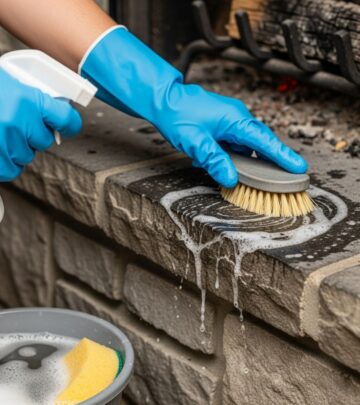
- Initial scrub: Soak in warm, soapy water; use a stiff brush or scouring pad to dislodge debris. For stubborn sap, apply citrus degreaser or methylated spirits.
- Rust removal: Wipe with coarse steel wool after drying. For oxidation, spray WD-40, let sit 10 minutes, then scrub and wipe clean.
- Final rinse and dry: Ensure no moisture remains to avoid flash rust.
This preparation reveals dull spots and burrs hidden under grime.
Safe Securing Techniques for Sharpening
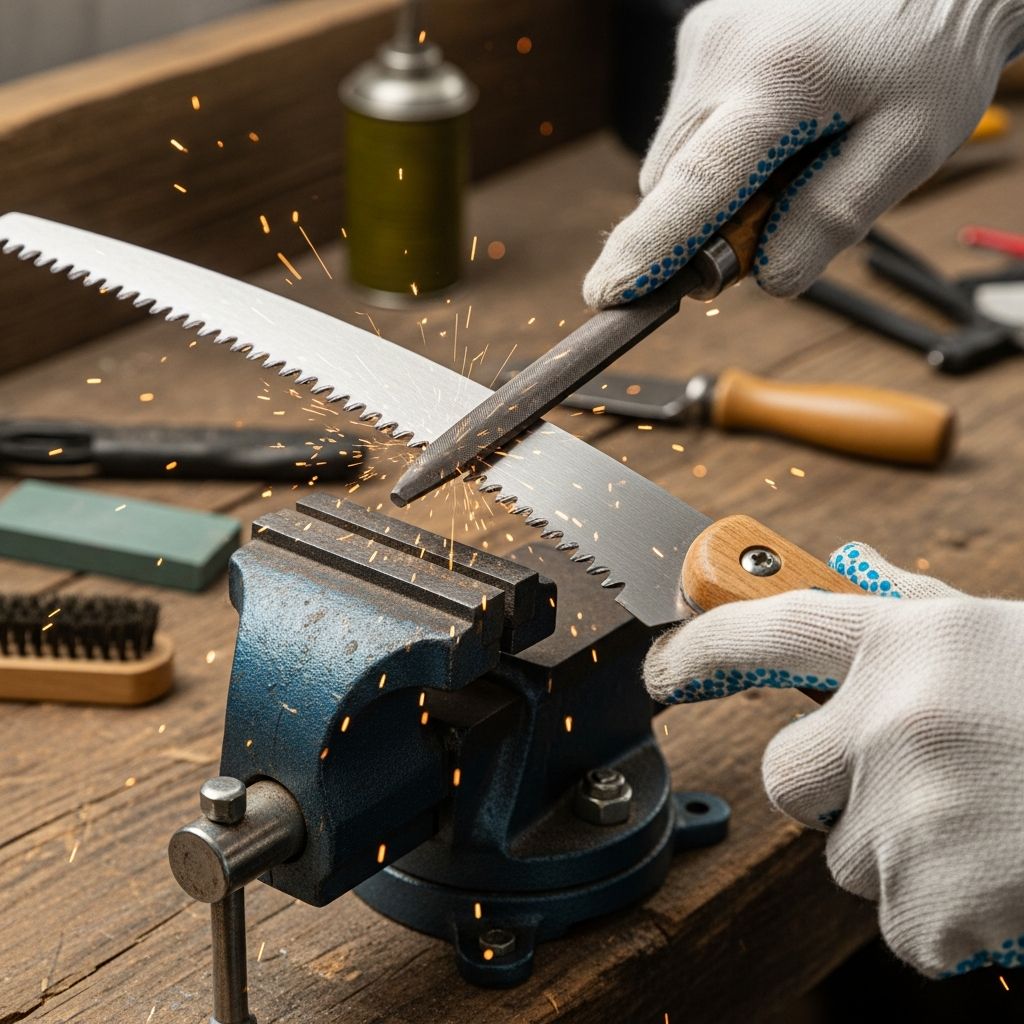
Stability is paramount to avoid slips. Clamp the blade flat in a vise using wood blocks to prevent dents. For folding saws, extend fully and secure handle down. Portable saws benefit from two clamps sandwiching the blade. Position teeth facing up for easy access, angled toward light to spot glints on fresh edges. Always wear cut-resistant gloves and goggles—flying metal particles pose hazards.
Precise Sharpening Techniques by Saw Type
Manual Filing for Standard Teeth
Match the factory bevel angle, usually 45-60 degrees. Start with medium grit:
- Position file perpendicular to blade, resting in first tooth gullet.
- Push file forward (away from body) with moderate pressure, 3-5 strokes per tooth.
- Work heel-to-tip, maintaining angle; lift on return stroke.
- Alternate sides evenly after one pass.
- Switch to fine grit to deburr flat side with light strokes.
Aim for uniform height; stop when teeth snag skin lightly dragged across them.
Power Tool Methods for Hardened Teeth
Impulse-hardened tips resist files; use Dremel with diamond wheel.
- Secure saw rigidly between wood jaws.
- Grind lightly on each tip’s cutting edge, left then right, restoring points.
- Keep RPM low to avoid overheating—cool frequently in water.
- Test by feel: sharp teeth grab flesh without slicing deeply.
Knife File for Pole or Specialized Saws
Pole saws demand slim files for deep gullets.
- File backsides first at matching angle.
- Flip blade; sharpen fronts from base to tip.
- Check set; restore with pliers if teeth pinch.
Restoring and Adjusting Tooth Set
Set prevents binding by offsetting teeth. Dull saws lose set from wear. Use dedicated pliers: squeeze alternates left/right 0.5-1mm. Inspect under light for even kerf. Over-setting causes wavy cuts; under-setting binds. After sharpening, lightly stone flats to polish.
Testing Your Sharpened Pruning Saw
Validate results without risking limbs:
- Paper test: Slices cleanly without tearing.
- Wood scrap: Cuts green twig effortlessly on pull/push.
- Finger drag: Teeth prick skin uniformly (use caution).
If it binds or rips, revisit filing.
Lubrication and Storage Best Practices
Apply light machine oil to pivot, teeth, and blade post-sharpening. Wipe excess to deter dust attraction. Store hanging or laid flat in dry conditions, oiled cloth wrapped around blade. Avoid toolboxes where moisture accumulates.
Common Mistakes and Troubleshooting
Over-filing: Creates hooks; use light pressure.
Uneven angles: Results in poor cuts; use guides.
Ignoring set: Causes binding; check periodically.
Skipping clean: Files gum up fast.
For complex teeth like RazorTOOTH, professional service may suit casual users.
FAQ
How often should I sharpen my pruning saw?
After 10-20 hours of use or when cuts tear.
Can I sharpen Japanese pull saws the same way?
Yes, focus on pull edges with diamond tools for hardened teeth.
What if my saw has pull-start teeth?
Use knife files matching profile; avoid over-grinding set.
Is a Dremel safe for beginners?
With clamps and low speed, yes; practice on scraps first.
Does WD-40 replace oil?
No, use as cleaner only; oil for long-term protection.
Safety Protocols Throughout the Process
Work in well-lit areas. Secure loose clothing and hair. Never sharpen freehand—always clamp. Dispose of metal shavings safely. Children and pets away. If using power tools, unplug when adjusting. These steps ensure hobbyists maintain tools without mishaps.
Mastering pruning saw sharpening empowers confident garden stewardship. With diligence, your saw delivers pro-level performance season after season.
References
- How to Clean and Sharpen Your Pruners — UNH Extension. 2018-01. https://extension.unh.edu/blog/2018/01/how-clean-sharpen-your-pruners
- Sharpening your saw? Knivesandtools explains how to maintain — Knivesandtools. N/A. https://www.knivesandtools.com/en/ct/maintenance-saw.htm
- Pruning – How to clean and sharpen your tools — Box Hill Institute (YouTube). N/A. https://www.youtube.com/watch?v=LtVQGRrCAvY
- How to Sharpen a Pruning Saw — Polyface Apprentice (YouTube). N/A. https://www.youtube.com/watch?v=C6bkC8Meiak
- Pole Saw Blade Maintenance – Prune Like a Pro — YouTube. N/A. https://www.youtube.com/watch?v=Bs6v2aPYtfI
- Sharpen a small folding saw — ArboristSite Forum. N/A. https://arboristsite.com/threads/sharpen-a-small-folding-saw.365668/
Similar Articles








Read full bio of Sneha Tete