Shingles vs Metal Roof Cost: Which Is Better?
Compare metal roofs and asphalt shingles: upfront costs, lifespan, maintenance, and long-term value.
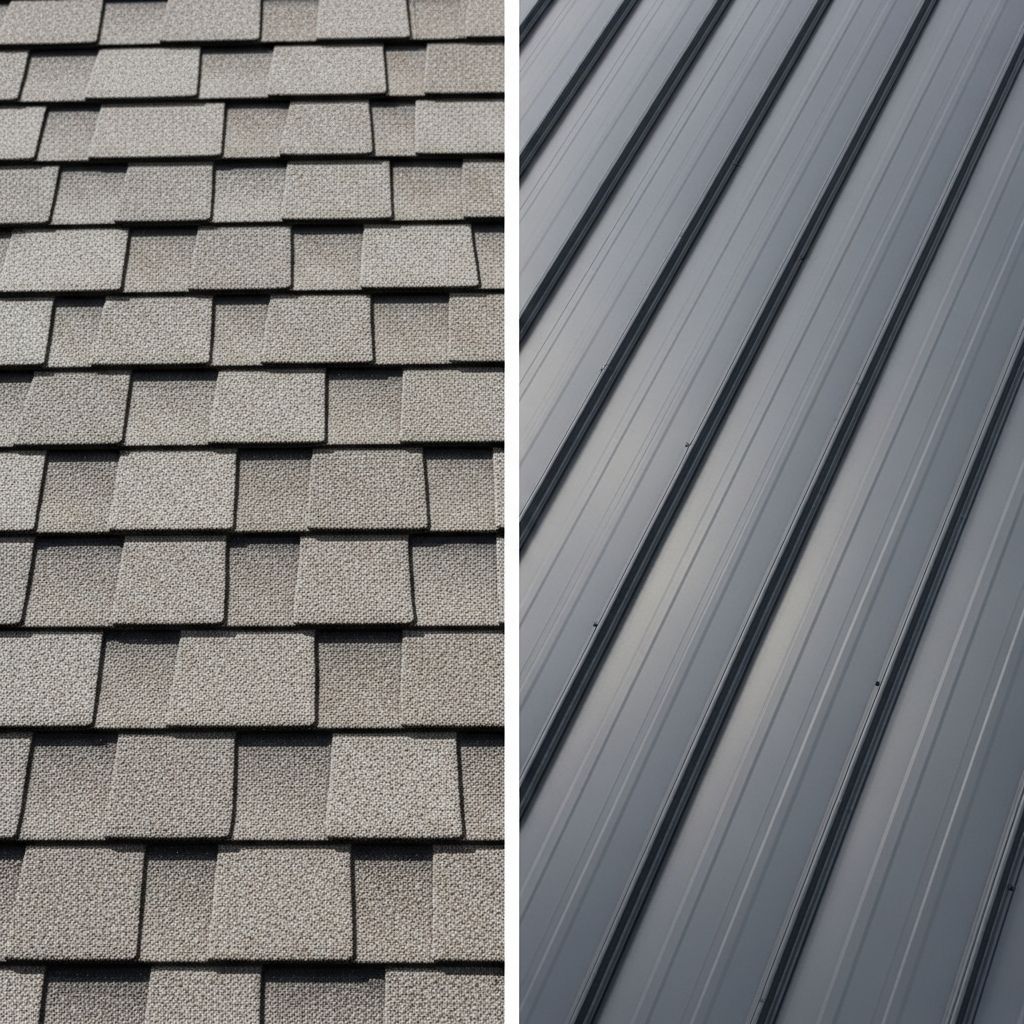
Shingles vs Metal Roof Cost: Which Roofing Option Is Right for Your Home?
When it comes time to replace your roof, one of the most significant decisions you’ll face is choosing between asphalt shingles and metal roofing. While asphalt shingles have long been the popular choice for homeowners due to their lower upfront cost, metal roofs have gained considerable attention in recent years for their durability and long-term value. Understanding the cost differences between these two options is essential to making an informed decision that aligns with your budget and long-term home maintenance goals.
Understanding Initial Installation Costs
The most obvious difference between metal roofs and asphalt shingles lies in their initial installation costs. Metal roofs represent a more significant upfront investment, but this price difference tells only part of the story when evaluating true value.
Metal Roof Installation Costs
Metal roofs are substantially more expensive to install than their asphalt counterparts. The average cost ranges from $9 to $16 per square foot, with total installation costs between $10,000 and $32,000 for a typical 2,000-square-foot roof. For reference, a standing seam metal roof—the most popular professional-grade option—averages around $16 per square foot in steel, though premium materials like copper can reach $30 to $50 per square foot.
The higher cost reflects several factors: the specialized labor required for proper installation, material quality, roof complexity, and regional variations in labor rates. Metal roofing demands trained professionals with specific expertise, which contributes significantly to installation expenses. Additionally, metal material costs vary by type—steel ranges from $3.35 to $4.50 per square foot, aluminum from $3.75 to $5.50, while copper and zinc command premium prices between $9 to $15 per square foot.
Asphalt Shingle Installation Costs
Asphalt shingles remain the most affordable roofing option for homeowners. Installation costs typically range from $3 to $6 per square foot, resulting in total project costs between $6,000 and $12,000 for the same 2,000-square-foot roof. This represents roughly one-third to one-half the cost of metal roofing installation.
The lower price reflects easier installation processes and lower labor complexity. Two primary types of asphalt shingles exist: 3-tab shingles cost around $1 to $3 per square foot and last approximately 20 years, while architectural (or dimensional) shingles cost $4 to $8 per square foot and last 20 to 30 years. The dimensional shingles offer a thicker, more textured appearance and are currently the most common choice among homeowners.
Comparative Cost Breakdown by Material Type
Understanding the specific costs associated with different roofing materials helps homeowners make informed choices based on their budget constraints and aesthetic preferences.
| Material Type | Cost Per Square Foot | Typical Lifespan | Best For |
|---|---|---|---|
| 3-Tab Asphalt | $1–$3 | 15–20 years | Budget-conscious homeowners |
| Architectural Asphalt | $4–$8 | 20–30 years | Mid-range budgets, enhanced aesthetics |
| Steel Metal | $7–$16 | 40–70 years | Long-term durability |
| Aluminum Metal | $8–$18 | 40–70 years | Corrosion-resistant environments |
| Copper Metal | $18–$50 | 50+ years | Premium aesthetic appeal |
| Zinc Metal | $15–$25 | 40–70 years | Superior durability |
Evaluating Long-Term Cost Performance
While initial installation costs clearly favor asphalt shingles, a more complete financial analysis must consider the total cost of ownership over several decades. This calculation includes replacement cycles, maintenance expenses, and energy efficiency benefits.
Total Cost of Ownership Comparison
When evaluated over a 45-50 year period, the financial picture shifts dramatically. A typical 2,000-square-foot asphalt shingle roof might cost $6,000 to $15,000 initially but requires complete replacement every 15 to 30 years. Over 50 years, this results in multiple replacement cycles, bringing total costs to approximately $10,000 to $30,000 including replacements. In contrast, a metal roof costing $10,000 to $30,000 initially may require minimal maintenance over its 40-70 year lifespan, making the total investment comparable or even superior when calculated annually.
Breaking down the annual cost: a $16,000 metal roof lasting 50 years costs approximately $320 annually, whereas a $9,000 shingle roof lasting 25 years costs about $360 annually before factoring in maintenance and energy savings. This demonstrates that while metal roofing demands higher upfront investment, it often provides better value when spread across its operational lifespan.
Durability and Replacement Frequency
Metal roofs offer 40 to 70 years of protection, meaning many homeowners may install a metal roof only once during their ownership tenure. Asphalt shingles, with lifespans of 15 to 30 years, typically require replacement at least twice over the same period. This difference alone can substantially impact long-term costs and household disruption.
Maintenance Requirements and Associated Costs
Beyond installation and replacement, ongoing maintenance represents a significant cost component that often favors metal roofing solutions.
Metal Roof Maintenance
Metal roofs require minimal maintenance, with repairs being rare occurrences. Occasional inspection and basic cleaning are typically sufficient to maintain optimal performance. This low-maintenance profile translates directly to lower ownership costs and fewer disruptions to your daily life. The inherent durability of metal materials means they resist environmental stress better than organic shingles.
Asphalt Shingle Maintenance
Asphalt shingles demand more frequent attention and upkeep. These roofs are prone to various issues including cracking, curling, moss growth, and algae discoloration. Over their lifespan, homeowners typically invest in repairs for damaged shingles, sealed seams, and preventative treatments. These recurring maintenance expenses accumulate substantially over time, sometimes reaching $500 to $1,500 annually depending on climate conditions and roof age.
Energy Efficiency and Utility Savings
An often-overlooked aspect of roofing costs involves energy efficiency and its impact on heating and cooling expenses.
Metal roofs excel at reflecting solar radiant heat, helping maintain cooler interior temperatures during summer months. This reflective property can reduce cooling costs by 10 to 25% in certain climates, representing significant annual savings. Over a metal roof’s 50-year lifespan, these energy savings compound substantially.
Asphalt shingles, conversely, absorb heat rather than reflect it. This characteristic leads to higher interior temperatures and increased air conditioning demands, driving up energy bills. The darker color options popular for aesthetic reasons further exacerbate heat absorption, making shingle roofs less energy-efficient than their metal counterparts.
Regional Factors Affecting Roofing Costs
Geography significantly influences both material costs and the relative value proposition of each roofing type.
Climate Considerations
In areas experiencing severe weather—including heavy hail, significant snowfall, or intense storms—metal roofs demonstrate superior cost-effectiveness. Their extreme weather resistance means fewer damage-related repairs and insurance claims. Asphalt shingles, particularly in these regions, face increased damage risk and more frequent replacement needs.
Labor and Material Availability
Regional variations in labor rates and material availability directly influence overall project costs. Urban areas typically feature more competitive pricing and greater contractor availability for both options. Rural regions may charge premium labor rates for specialized metal roof installation or offer limited material options, affecting final costs and timelines.
Aesthetic and Architectural Considerations
Beyond purely financial metrics, roofing choices must align with architectural style and personal preferences.
Traditional neighborhoods often feature asphalt shingle roofing, which blends seamlessly with established residential aesthetics. Contemporary homes frequently showcase metal roofing, which complements modern design principles. Your home’s existing style, neighborhood character, and personal taste should factor into your decision, potentially influencing the perceived value of each option regardless of cost metrics.
Repair and Replacement Scenarios
When damage occurs, repair accessibility and costs differ significantly between roofing types.
Asphalt shingle roofs offer easier and cheaper repairs for localized damage. Individual shingles can be replaced relatively quickly without affecting surrounding materials, making partial repairs cost-effective. Metal roofs, while more durable, require more specialized repair skills and may necessitate larger-section replacements, increasing individual repair costs despite their overall rarity.
Installation Complexity and Timeline
Installation complexity extends beyond cost implications, affecting project timelines and disruption to household operations.
Asphalt shingle installation proceeds relatively quickly, typically completing in 1 to 3 days for average homes. Metal roof installation demands more time and specialized coordination, often requiring 3 to 5 days or longer depending on roof complexity. Extended installation periods may necessitate additional protective measures and create longer periods of household disruption.
Making Your Decision: Key Cost Factors
Evaluating which roofing option best serves your needs requires considering multiple dimensions:
Budget Availability: If you have limited immediate funds, asphalt shingles offer an accessible entry point. If capital is available for higher upfront investment, metal roofing may provide superior long-term value.
Home Ownership Timeline: Homeowners planning to stay 25+ years benefit from metal roofing’s longevity. Those expecting to relocate sooner may find asphalt shingles more appropriate.
Climate and Weather Patterns: Severe weather regions justify metal roofing’s premium cost through reduced damage and maintenance. Mild climates may not justify the additional investment.
Energy Efficiency Priorities: Homes in hot climates benefit significantly from metal roofing’s reflective properties. Cooling-dominated utility bills make the energy savings more impactful.
Maintenance Preferences: Homeowners preferring minimal upkeep align better with metal roofing. Those comfortable with regular maintenance might choose asphalt shingles.
Frequently Asked Questions
Q: How much more expensive is a metal roof compared to asphalt shingles?
A: Metal roofs typically cost 2-3 times more than asphalt shingles initially. For a 2,000-square-foot roof, expect $10,000-$32,000 for metal versus $6,000-$12,000 for asphalt shingles. However, metal roofs last significantly longer, often making the per-year cost comparable.
Q: How long does each roofing type last?
A: Metal roofs last 40-70 years with minimal maintenance, while asphalt shingles last 15-30 years and require regular upkeep. This lifespan difference significantly impacts long-term costs and replacement frequency.
Q: Do metal roofs save money on energy bills?
A: Yes, metal roofs reflect sunlight and can reduce cooling costs by 10-25% in certain climates. Over their 50-year lifespan, these energy savings compound substantially and help offset the higher initial investment.
Q: Which roofing option requires less maintenance?
A: Metal roofs require minimal maintenance with rare repairs, while asphalt shingles are prone to cracking, curling, and moss growth, requiring regular attention and occasional repairs that accumulate over time.
Q: Is metal roofing better for severe weather climates?
A: Yes, metal roofs excel in severe weather regions with hail, heavy snow, or intense storms. Their durability and weather resistance make them more cost-effective long-term in these climates compared to frequently damaged asphalt shingles.
Q: Can I repair just a section of a metal roof if damaged?
A: While metal roofs rarely need repairs, partial repairs are possible but may require larger-section replacements and specialized skills, making them more expensive per repair than individual asphalt shingle replacements.
Q: What factors affect the final cost of roof installation?
A: Installation costs depend on roof size, material type, local labor rates, roof complexity, regional weather patterns, and material availability. Specialized metal roof installation commands higher labor costs than standard asphalt shingle installation.
References
- Metal Roof Vs. Shingles Cost: Which Is More Affordable? — Renova Roofing. 2024. https://renovaroofing.com/blogs/metal-roof-vs-shingles-cost/
- Cost Of Metal Roof Vs Shingle Roof (2025 Comparison) — J Tech Construction. 2025. https://jtechconst.com/blog/cost-of-metal-roof-vs-shingle/
- The Real Cost of Roofing in 2025: Shingle vs. Metal — Thompson Creek. 2025. https://www.thompsoncreek.com/blog/the-real-cost-of-roofing-in-2025-shingle-vs-metal-which-is-the-better-choice/
- Cost of Metal Roof vs Shingles: Expert Guide for Smart Homeowners — Paletz Roofing. 2024. https://paletzroofing.com/metal-vs-shingle-roofing-cost/
- How Much Does a Metal Roof Cost Compared to Shingles? — McElroy Metal. 2024. https://blog.mcelroymetal.com/metal-roofing-and-siding/how-much-does-a-metal-roof-cost-compared-to-shingles/
- How Much Does a Metal Roof Cost Compared to Asphalt Shingles? — Bill Ragan Roofing. 2025. https://www.billraganroofing.com/blog/how-much-metal-roof-cost-compared-asphalt-roof
- Metal Roof vs. Shingles: A Comparison Guide with Pros & Cons — Metalcon. 2024. https://metalcon.com/blog/metal-roof-vs-shingles-a-comprehensive-guide/
Similar Articles








Read full bio of medha deb