Short Perennial Flowers for Every Garden
Discover beautiful dwarf perennials that add color and texture to small garden spaces.
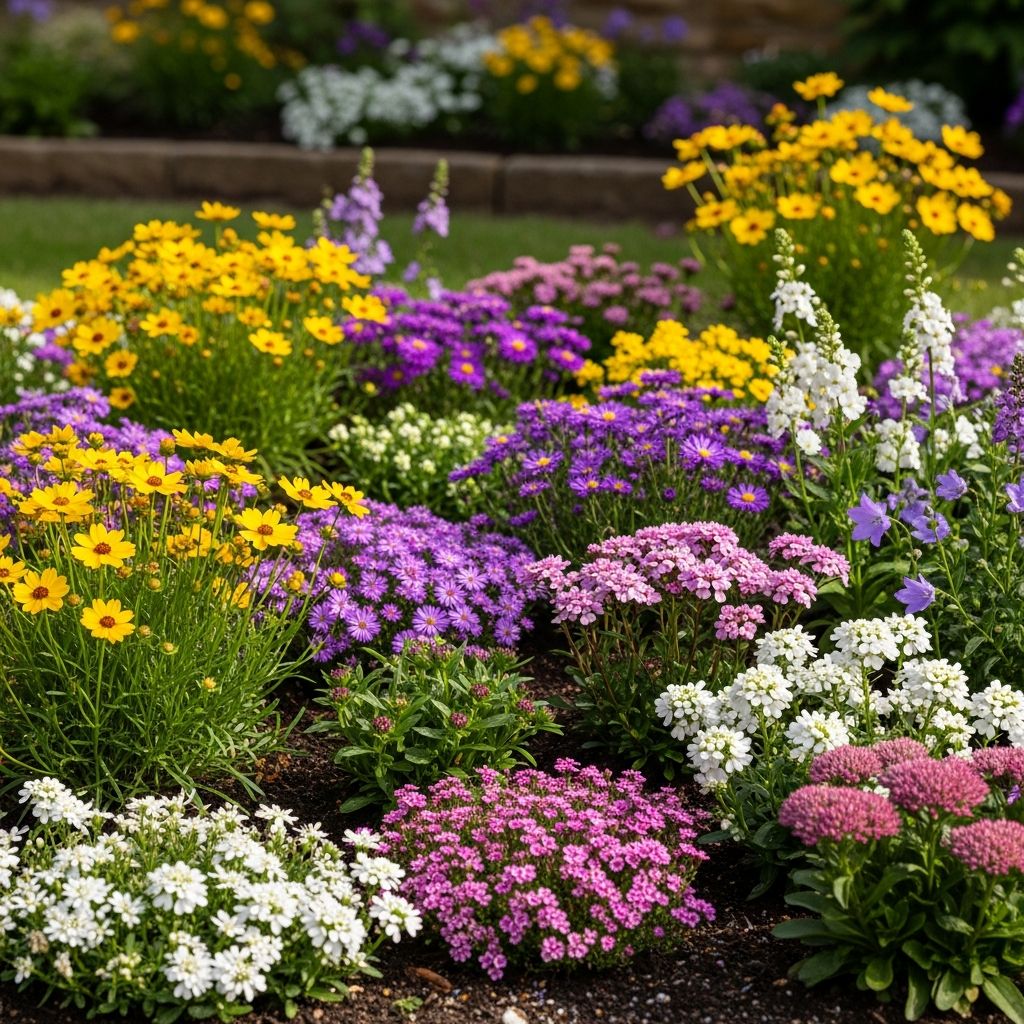
Creating a beautiful garden doesn’t require vast amounts of space. Short perennial flowers offer an excellent solution for gardeners working with limited square footage or those looking to fill borders and containers with vibrant, long-lasting blooms. These compact varieties provide year-after-year color and interest while maintaining a neat, manageable appearance. Unlike annuals that require replanting each season, perennials return reliably, making them an economical and sustainable choice for any landscape.
Short perennials are particularly valuable in modern garden design, where space optimization is essential. They work beautifully in front borders, rock gardens, container arrangements, and alongside taller specimens as mid-level plants. Many dwarf varieties offer exceptional foliage color, texture, and seasonal interest beyond their flowers, extending their visual appeal throughout the year.
Understanding Short Perennials
Short perennials are herbaceous or semi-evergreen plants that typically reach heights between 6 inches and 2 feet at maturity. These plants die back completely or partially during winter in colder climates, then regenerate from their root systems each spring. This growth pattern makes them particularly valuable for creating structured, layered garden designs where height variation adds depth and visual interest.
The defining characteristic of short perennials is their reliable return year after year, providing consistent garden structure and reducing the annual planting workload. Many varieties bloom for extended periods when deadheaded regularly, offering months of continuous color. Additionally, their compact growth habit prevents overcrowding, making them ideal for contemporary garden designs and small-space landscaping.
Top Short Perennial Flower Varieties
Elephant’s Ears (Bergenia)
Elephant’s ears offer substantial year-round interest with their large, rounded, evergreen leaves that provide structural foundation to any garden bed. Despite their dramatic foliage, these plants remain relatively compact, reaching heights of 30-45 cm with a spread of 45-75 cm. The common name derives from the distinctive leaf shape and appearance. This tough perennial thrives in sun or shade, adapting to nearly any reasonable soil conditions, making it exceptionally versatile for various garden situations.
In late winter and early spring, elephant’s ears produce large clusters of pink, white, or purple flowers that rise above the foliage. These blooms provide welcome early-season color when few other plants are flowering. The evergreen leaves often develop attractive bronze or reddish tones during colder months, adding winter interest to the garden. Elephant’s ears make excellent ground cover and look particularly striking beneath deciduous shrubs and trees.
Heuchera (Coral Bells)
Heucheras are renowned for their exceptional foliage color range, featuring scalloped-edged leaves in stunning shades of lime-green, yellow, purple, orange, and burgundy. These plants maintain compact, neat clumps reaching 30-45 cm in height and spread, making them perfect for edging beds and containers. The foliage provides year-round color in most climates, with many varieties developing deeper tones during cooler months.
While heucheras produce delicate, slender spires of white, pink, or red flowers during summer, the real attraction lies in their colorful foliage. These plants thrive in sun or part shade, though most varieties display richer coloration in brighter locations. Their compact growth and textural foliage make them ideal companions for other perennials and ornamental grasses.
Lungwort (Pulmonaria)
Lungwort offers exceptional value for shaded garden areas, tolerating both shade and sun while forming low, spreading clumps ideal for planting beneath shrubs and trees. These plants reach approximately 30 cm in height with a 45 cm spread, creating attractive ground cover without overwhelming adjacent plants. Many pulmonaria varieties feature prettily marbled or spotted leaves in silver, gray, or white, providing year-round visual interest.
In spring, lungwort produces abundant blue, white, or pink flowers that attract bees and other pollinators. The combination of attractive foliage and early-season blooms makes these plants particularly valuable in shade gardens where flowering options are limited. Lungwort requires minimal maintenance and gradually spreads to fill available space naturally.
Primroses (Primula)
Primroses represent some of the earliest bloomers in the perennial garden, hence their name ‘prima rosa’ meaning ‘first rose’ in Latin. These charming plants offer exceptional diversity, with varieties ranging from 15-60 cm in height and spreading 15-45 cm. Native primroses begin blooming in winter during mild climates, providing essential early-season color when few other plants are flowering.
The color range available in primrose varieties is extraordinary, encompassing nearly every hue imaginable. Beyond colorful flower varieties, moisture-loving primulas thrive in consistently damp soil, offering excellent options for bog gardens and water features. Their cheerful blooms lift spirits during the darkest months of the year, and many varieties continue flowering into spring.
Yarrow (Achillea)
Yarrow produces distinctive, flat-topped flower heads composed of numerous tiny flowers borne on stems above feathery foliage. These herbaceous perennials typically reach 45-75 cm in height with spreads of 45-60 cm, making them somewhat taller than other short varieties but still maintaining a relatively compact form. The feathery leaves display attractive green or silvery coloring and create fine texture in the garden.
Yellow varieties predominate in yarrow selections, though red and orange cultivars also exist. These plants thrive in sunny locations with well-drained soil and bloom throughout summer, creating long-lasting color. Yarrow flowers dry exceptionally well, making them valuable for dried arrangements. The plants attract butterflies and other beneficial insects while tolerating hot, dry conditions once established.
Spurge (Euphorbia)
Euphorbias offer remarkable diversity within a single plant group, providing options for nearly every garden situation. These perennials range dramatically in height from 15-120 cm, with some varieties remaining sufficiently compact for short perennial applications. The bold foliage and distinctive flower heads—technically papery bracts rather than true flowers—create impressive architectural interest in the garden.
Spurge provides long-lasting color in shades of lime, yellow, and orange-red. Because the bracts persist for months rather than weeks, these plants offer extended visual interest compared to traditional flowering perennials. Many varieties maintain attractive foliage and structure throughout winter, providing year-round garden architecture.
Growing Short Perennials Successfully
Site Selection and Soil Preparation
Most short perennials thrive in full sun to partial shade, though specific requirements vary by species. Examine your garden’s light patterns throughout the day to match plants appropriately with available light. Prepare planting sites by incorporating organic matter into existing soil, improving drainage and nutrient content. Well-draining soil proves essential for many perennials, particularly those with architectural or succulent-like foliage.
Watering and Maintenance
Newly planted perennials require consistent moisture during their establishment period, typically the first growing season. Once established, most short perennials tolerate dry conditions remarkably well. Reduce watering frequency as plants mature, allowing soil to dry somewhat between waterings. This encourages deep root development and reduces disease pressure.
Deadheading—removing spent flowers—extends blooming periods dramatically on many varieties. This practice prevents seed formation and encourages the plant to continue producing new flowers. Apply a thin layer of mulch around plants to suppress weeds, moderate soil temperature, and improve moisture retention. Avoid piling mulch against plant crowns, which can promote rot.
Division and Propagation
Most short perennials benefit from division every three to four years, rejuvenating plant vigor and creating additional plantings. Divide plants in early spring as new growth emerges or in fall after flowering concludes. Carefully dig plants, separate into sections with healthy roots and growing points, and replant at the same depth in prepared soil.
Design Applications for Short Perennials
Border and Edging
Short perennials create magnificent borders when massed in odd-numbered groups. Arrange plants by height, color, and bloom time to create continuous interest throughout the growing season. Use varieties with different leaf colors and textures to extend visual appeal beyond bloom periods. Edging beds with compact varieties creates defined borders while softening hardscape transitions.
Container Gardening
Many short perennials thrive in containers, offering flexibility for renters and those with limited garden space. Select containers with drainage holes and quality potting soil. Combine complementary varieties with different bloom times and foliage colors for extended interest. Container perennials require more frequent watering than in-ground plants due to limited soil volume.
Rock Gardens and Alpine Troughs
Dwarf and short perennials create stunning alpine and rock garden displays. Select varieties adapted to well-drained conditions and incorporate gritty soil amendments. These specialized gardens showcase compact perennials beautifully while accommodating their specific drainage requirements.
Seasonal Considerations
Spring Interest
Spring-flowering short perennials like primroses and lungwort provide essential early-season color. These plants often feature decorative foliage that remains attractive after flowers fade. Many varieties self-seed moderately, creating naturalized drifts over time.
Summer Color
Summer-blooming varieties including yarrow, heuchera, and spurge maintain continuous color throughout the warm season. Regular deadheading extends bloom periods into fall on many species. This extended flowering provides reliable mid and late-season garden interest.
Winter Structure
Evergreen and semi-evergreen varieties like elephant’s ears and heuchera maintain presence throughout winter months. Many plants develop attractive seasonal color changes, with foliage turning bronze, burgundy, or deeper purple during cold weather. This winter interest creates garden structure when deciduous plants have disappeared.
Companion Planting with Short Perennials
Short perennials pair beautifully with ornamental grasses, creating textural contrast in the garden. Combine complementary flower colors for harmonious schemes, or create dynamic contrast with unexpected color combinations. Layer varieties by height to create dimensional depth, placing tall specimens toward rear borders and short varieties forward.
Frequently Asked Questions
Q: How often should I divide short perennials?
A: Most short perennials benefit from division every three to four years. Divide in early spring as growth begins or in fall after flowering concludes. Divisions rejuvenate plant vigor and create additional plantings.
Q: Can short perennials grow in containers?
A: Yes, many short perennials thrive in containers. Ensure pots have drainage holes and use quality potting soil. Container plants require more frequent watering than in-ground specimens and may need winter protection in cold climates.
Q: Which short perennials tolerate shade?
A: Elephant’s ears, lungwort, and many primrose varieties tolerate shade excellently. Heucheras perform well in partial shade, developing richer foliage colors in brighter locations. Check specific variety requirements for your growing situation.
Q: Do short perennials require fertilization?
A: Most short perennials require minimal fertilization when planted in soil amended with organic matter. Annual top-dressing with compost provides necessary nutrients. Avoid excessive nitrogen, which encourages leafy growth at the expense of flowers.
Q: When is the best time to plant short perennials?
A: Spring and fall represent ideal planting times. Spring planting allows plants to establish before summer heat, while fall planting provides cool-season root development. Container-grown plants can be planted any time the ground isn’t frozen.
Conclusion
Short perennial flowers offer exceptional value for gardeners seeking reliable, low-maintenance color and interest. These versatile plants adapt to various growing conditions and design applications, from traditional borders to contemporary containers. By selecting complementary varieties with different bloom times and foliage colors, you can create gardens featuring nearly continuous interest from early spring through late fall. Whether you’re working with limited space or designing a layered border, short perennials provide the foundation for beautiful, sustainable garden schemes that reward you year after year with minimal intervention.
References
- Complete Guide to Perennial Plants — BBC Gardeners’ World Magazine. 2025. https://www.gardenersworld.com/how-to/grow-plants/20-best-perennial-plants/
Similar Articles








Read full bio of medha deb