Should Crawl Space Vents Be Open or Closed?
Discover whether crawl space vents should stay open or closed for optimal home foundation health.
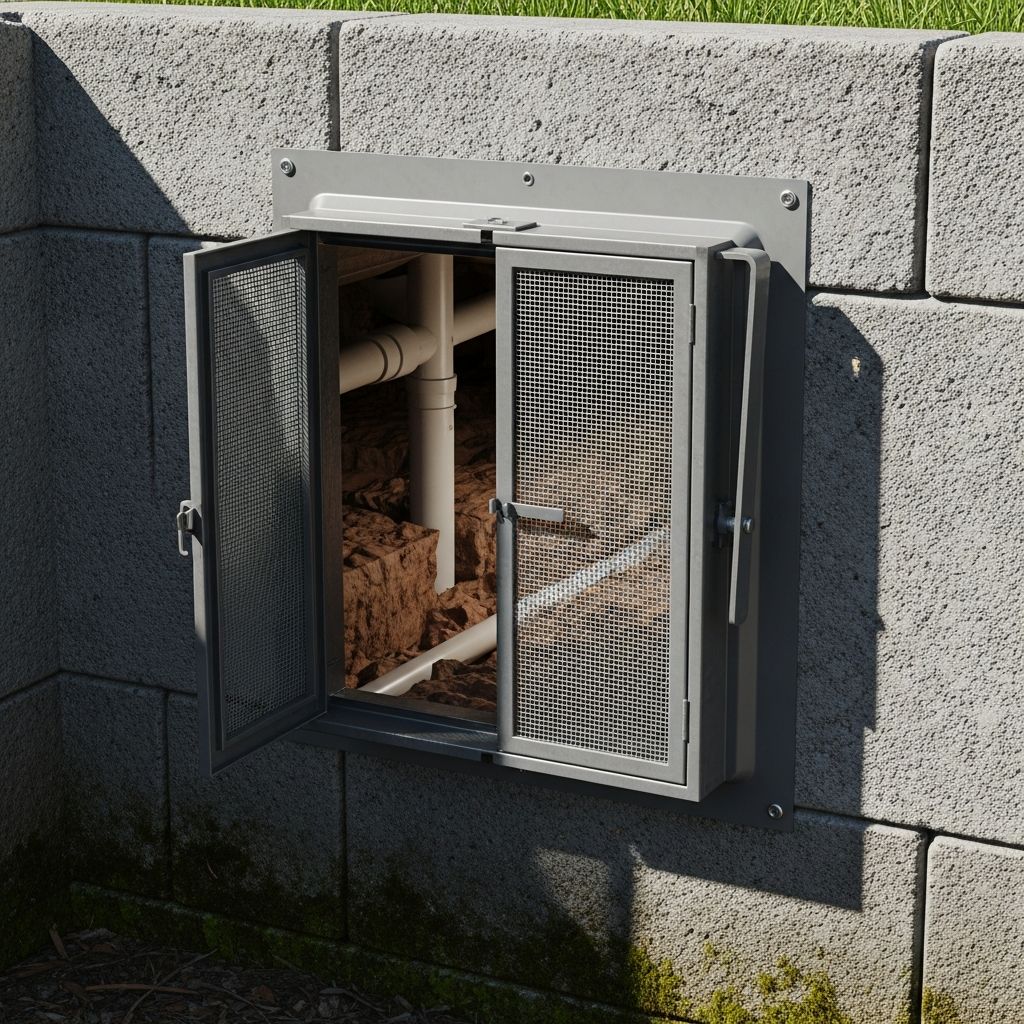
For decades, homeowners and builders debated whether crawl space vents should remain open or closed. Traditional building practices favored open vents, with the assumption that allowing air to circulate beneath your home would prevent moisture problems and protect your foundation. However, modern building science has challenged this conventional wisdom, revealing that the answer is far more nuanced than a simple yes or no.
Today’s experts increasingly recommend sealing crawl spaces entirely rather than relying on traditional venting systems. This comprehensive guide explores both perspectives, examining the benefits and drawbacks of open versus closed crawl space vents, and provides you with actionable advice to protect your home’s foundation, improve energy efficiency, and maintain a healthy indoor environment.
Understanding Crawl Space Vents
Crawl space vents are small openings strategically positioned in the foundation walls of homes with crawl spaces. These vents were traditionally installed based on the belief that natural airflow would reduce moisture accumulation, prevent mold growth, and protect the structural integrity of the foundation. For many years, building codes across the country mandated that crawl spaces be vented to ensure adequate air circulation.
However, as building science has evolved and researchers have conducted extensive studies on moisture dynamics in crawl spaces, a clearer picture has emerged. The traditional approach to venting crawl spaces may actually be causing more problems than it solves. Understanding what crawl space vents are designed to do and how they actually function is the first step toward making an informed decision about your home’s crawl space.
The Case for Open Crawl Space Vents
Proponents of open crawl space vents argue that allowing outside air to enter the space beneath your home provides several important benefits. While these arguments have historical merit, it’s important to examine whether they hold up under scrutiny.
Improved Air Circulation and Drying
The primary argument in favor of open vents is that they promote natural air circulation. Supporters believe that allowing fresh air to flow through the crawl space helps dry out moisture that naturally accumulates in these enclosed areas. The theory suggests that continuous air movement prevents dampness from settling on floor joists, insulation, and other structural components.
Traditional Moisture Management
Historically, open vents were thought to reduce condensation issues, particularly in humid climates where warm, moist air naturally accumulates. The prevailing belief was that improved ventilation would help evaporate water vapor entering through the foundation, reducing the risk of moisture-related damage.
Perceived Foundation Protection
Many builders adopted open venting systems based on the assumption that this approach would protect the foundation from moisture damage, wood rot, and structural deterioration. This belief became so ingrained in building practices that vented crawl spaces became the standard for decades.
The Drawbacks of Open Crawl Space Vents
While the logic behind open vents seems sound, modern research has revealed that this traditional approach often creates more problems than it solves. Understanding these drawbacks is crucial for homeowners trying to protect their investments.
Moisture Intrusion and Condensation Problems
Contrary to popular belief, open vents often introduce MORE moisture into the crawl space rather than removing it. When warm, humid outdoor air enters through open vents and meets cooler surfaces like foundation walls, pipes, and the crawl space floor, condensation forms rapidly. This creates an ideal environment for mold growth, standing water accumulation, and accelerated wood rot. The problem is particularly acute during humid summer months when outdoor air carries substantial moisture content.
Accelerated Mold Growth and Structural Damage
The excess moisture introduced by open vents creates perfect conditions for mold proliferation. Mold doesn’t just affect the appearance of your crawl space—it compromises the structural integrity of your home. Wooden beams and joists begin to decay as mold feeds on cellulose materials. This weakening of support structures can eventually lead to sagging floors, foundation problems, and costly repairs.
Pest Infestations and Invasions
Open crawl space vents essentially invite pests to enter your home. Rodents, insects, termites, and other unwanted creatures can easily access the space beneath your home through these openings. Once inside, pests damage insulation, chew through electrical wiring, create fire hazards, and establish breeding grounds. The cost of pest remediation, combined with property damage, can quickly become substantial.
Increased Energy Consumption and Utility Costs
Open vents allow external temperatures to significantly impact the crawl space environment. During winter, cold air seeps in, forcing your heating system to work harder to maintain comfortable temperatures in living spaces above. During summer, hot air infiltration increases cooling demands. This temperature fluctuation places unnecessary strain on your HVAC system, resulting in higher heating and cooling costs throughout the year.
The Benefits of Sealed Crawl Spaces
Modern building science increasingly advocates for sealing crawl spaces entirely rather than relying on traditional ventilation. This approach offers numerous advantages that address the shortcomings of open venting systems.
Superior Moisture Control
By sealing crawl space vents and implementing proper encapsulation, you dramatically reduce the introduction of outside moisture. A sealed crawl space prevents humid outdoor air from entering, which means condensation formation is minimized. This creates a significantly healthier environment beneath your home, free from the excessive moisture that promotes mold and mildew growth.
Enhanced Structural Protection and Longevity
Sealed crawl spaces maintain consistently dry conditions that protect your home’s foundation from water damage and deterioration. By preventing the moisture intrusion that leads to wood rot and structural weakening, you preserve the integrity of support beams, joists, and other critical components. This protection extends the lifespan of your foundation and prevents costly structural repairs.
Improved Energy Efficiency
Sealing your crawl space creates a controlled environment that stabilizes temperatures beneath your home. This reduced temperature fluctuation means your HVAC system doesn’t have to work as hard to maintain comfortable living conditions. The result is lower energy consumption and reduced utility bills—savings that accumulate significantly over time and often pay back the initial investment in encapsulation.
Effective Pest Prevention
A properly sealed crawl space eliminates entry points for pests. Without open vents providing easy access, rodents, insects, and termites must find alternative routes into your home, which is far more difficult. This pest prevention approach is more effective than trying to manage infestations after they’ve already established themselves in your crawl space.
Potential Challenges of Sealed Crawl Spaces
While sealing crawl spaces offers significant advantages, the approach isn’t without potential challenges that homeowners should understand.
Moisture Trapping if Improperly Sealed
If a crawl space isn’t sealed correctly and comprehensively, closing vents can actually trap existing moisture inside, creating conditions that accelerate mold growth and generate foul odors. This is why professional-grade encapsulation, including proper vapor barriers and sealed penetrations, is essential for success.
Air Quality Issues Without Proper Humidity Control
Without adequate moisture management systems like dehumidifiers, a sealed crawl space may experience poor air circulation and stagnant conditions that allow odors to develop and humidity levels to climb. This is why encapsulation should always be paired with appropriate mechanical ventilation or dehumidification systems.
Seasonal Considerations for Crawl Space Ventilation
The seasonal climate changes throughout the year create different moisture dynamics in crawl spaces, and understanding these variations helps inform the best approach for your situation.
Winter Ventilation Strategies
During winter months, crawl space vents should definitely be closed. Cold air entering through open vents can freeze pipes, causing potentially expensive damage. Additionally, the temperature difference between inside and outside creates excessive heating demands. Closing vents in winter helps prevent these issues and reduces energy consumption.
Summer Ventilation Considerations
While some argue that open vents benefit crawl spaces during summer months, this logic has significant flaws. Summer brings high humidity levels, and outdoor air carries substantial moisture content. When this humid air enters the crawl space through open vents and encounters cooler surfaces, condensation forms immediately. The moisture accumulation far outweighs any perceived benefits of increased airflow. Paired with crawl space encapsulation and dehumidifiers, closed vents remain the superior approach even during summer months.
Modern Solutions: Moving Beyond the Open vs. Closed Debate
Rather than choosing between leaving vents open or simply closing them, modern building science recommends a comprehensive approach to crawl space management.
Crawl Space Encapsulation
Professional crawl space encapsulation involves installing vapor barriers over the ground, sealing all vents and openings, and addressing any existing moisture issues. This creates a controlled environment that stays dry and protects your home’s foundation.
Dehumidification Systems
Installing appropriate dehumidification equipment helps manage moisture levels in sealed crawl spaces. These systems work continuously to extract excess humidity, preventing condensation and maintaining healthy moisture conditions.
Vapor Barriers and Moisture Management
High-quality vapor barriers laid across the crawl space floor prevent ground moisture from entering the space above. Combined with proper grading and drainage around your home’s exterior, these barriers provide comprehensive moisture protection.
Frequently Asked Questions About Crawl Space Vents
Q: Are open crawl space vents better in dry climates?
A: No. Even in dry climates, sealed crawl spaces with proper encapsulation provide superior protection. Outdoor air carries moisture regardless of climate, and preventing that moisture from entering is always the better approach.
Q: Can I close my crawl space vents myself?
A: While vent covers can be installed by homeowners, professional crawl space encapsulation requires expertise in vapor barrier installation, sealing techniques, and moisture management systems. Professional installation ensures optimal results.
Q: How much does crawl space encapsulation cost?
A: Costs vary based on crawl space size, existing conditions, and encapsulation methods used. However, the energy savings and prevention of costly structural damage typically provide strong financial returns over time.
Q: Will sealing my crawl space improve indoor air quality?
A: Yes. By preventing moisture intrusion and mold growth, sealed crawl spaces contribute to better indoor air quality. The reduced moisture also helps prevent the musty odors associated with damp crawl spaces from affecting living spaces.
Q: What should I do if my crawl space already has moisture damage?
A: Address moisture damage promptly by having professionals inspect the area, remove any damaged materials, and implement proper encapsulation with appropriate dehumidification. Early intervention prevents further deterioration.
Making the Right Choice for Your Home
While traditional wisdom favored open crawl space vents for many decades, modern building science clearly demonstrates that sealing crawl spaces offers superior protection for your home. The evidence overwhelmingly shows that closed vents, combined with professional encapsulation, vapor barriers, and dehumidification systems, provide the best defense against moisture intrusion, mold growth, pest infestations, and energy inefficiency.
Rather than debating whether to keep vents open or closed, the real question becomes how to implement comprehensive crawl space encapsulation that protects your foundation, improves energy efficiency, and maintains a healthy environment beneath your home. By understanding the limitations of traditional venting approaches and embracing modern solutions, you can make an informed decision that safeguards your property investment for decades to come.
References
- Building Science Insights: Crawl Space Moisture Control — DFX Repair. 2024. https://dfxrepair.com/should-crawl-space-vents-be-open-or-closed/
- Modern Crawl Space Encapsulation Practices — Total Home Performance. 2024. https://totalhomeperformance.com/blog/should-crawl-space-vents-be-open-or-closed
- The Evolution of Crawl Space Ventilation Standards — Stego Industries. 2024. https://www.stegoindustries.com/blog/the-benefits-to-eliminating-your-crawl-space-vents
- Seasonal Crawl Space Management Guidelines — Affordable Foundation Fix. 2024. https://affordablefoundationfix.com/blog/when-should-crawl-space-vents-be-open-and-closed/
- Foundation Health and Crawl Space Ventilation Research — Groundworks. December 2, 2024. https://www.youtube.com/watch?v=Gd4aDgthui4
Similar Articles





Read full bio of medha deb