Should You Buy Solar Shingles? 2025 Guide
Evaluate whether solar shingles are right for your home with our comprehensive 2025 cost-benefit analysis.
Should You Buy Solar Shingles? A Comprehensive 2025 Guide
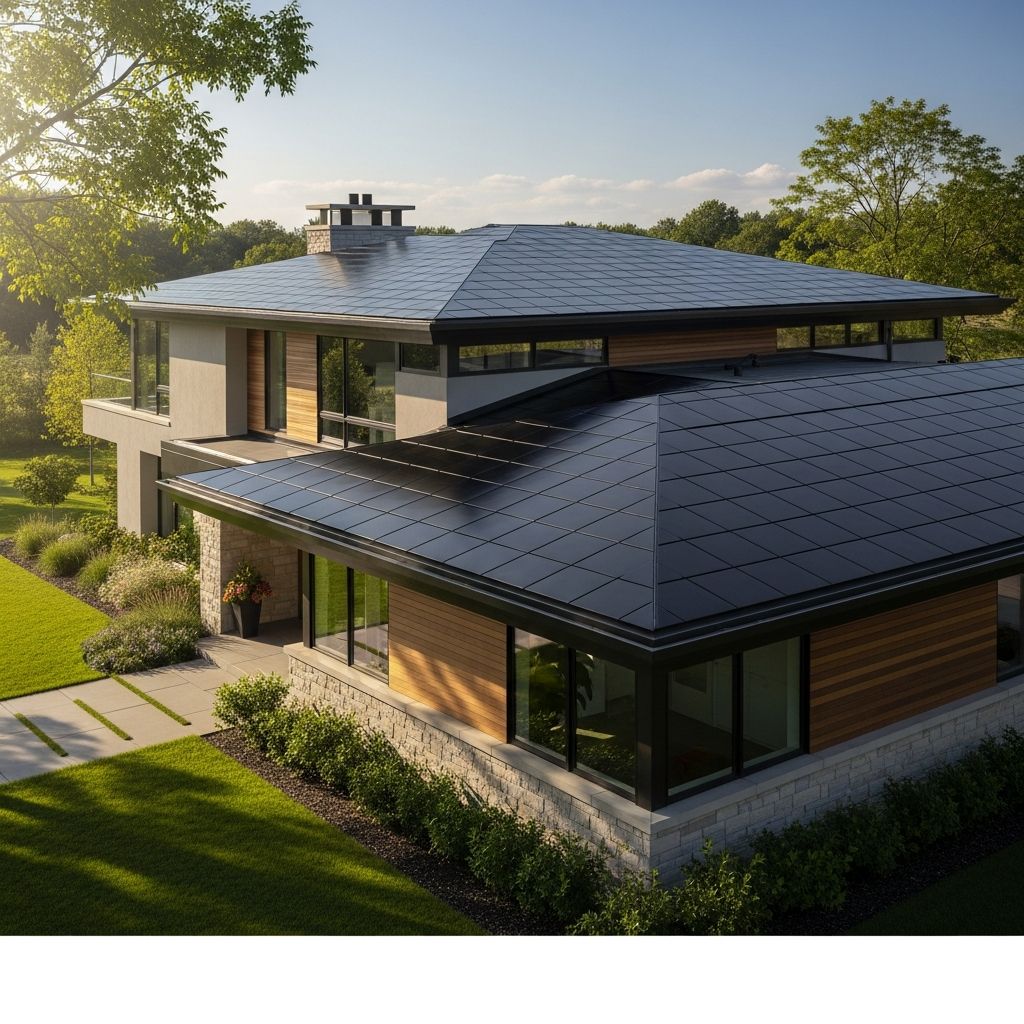
Solar shingles represent an innovative integration of roofing materials and solar energy technology, offering homeowners a sleek alternative to traditional rooftop solar panels. Unlike conventional solar panels that mount on top of existing roofs, solar shingles function as both protective roofing material and electricity-generating systems. As energy costs continue to rise and homeowners increasingly seek sustainable solutions, understanding whether solar shingles make financial and practical sense for your specific situation has become essential.
The decision to invest in solar shingles involves weighing multiple factors including upfront costs, long-term savings, aesthetic preferences, roof condition, and energy needs. This guide provides a detailed analysis to help you determine if solar shingles align with your home improvement goals and financial objectives.
Understanding Solar Shingle Costs in 2025
Average Installation Costs
Solar shingle installation costs have remained relatively stable in 2025, with most installations ranging between $21 and $25 per square foot installed. For a standard single-family home with a 2,000-square-foot roof, total installation costs typically fall between $42,000 and $50,000. These costs include both materials and labor, representing a complete two-in-one investment that replaces your existing roof while adding solar generation capacity.
The pricing structure differs significantly from traditional roofing materials. While conventional asphalt shingles cost $3 to $7 per square foot and metal roofing ranges from $6 to $14 per square foot, solar shingles command premium pricing due to their integrated photovoltaic technology.
Cost Per Watt Comparison
Solar shingles are typically priced between $5.50 and $7 per watt, significantly higher than traditional solar panels which range from $2.50 to $4 per watt. This premium reflects the advanced roof integration technology, specialized manufacturing to mimic traditional shingle appearance, and the expertise required for installation. Despite the higher per-watt cost, the combined roof replacement and solar functionality can offset this premium when your roof requires replacement.
| Roof Size (Square Feet) | Estimated Total Cost |
|---|---|
| 1,000 | $21,000 to $25,000 |
| 2,000 | $42,000 to $50,000 |
| 3,000 | $63,000 to $75,000 |
Solar Shingles vs. Traditional Solar Panels: Cost Analysis
While traditional solar panels cost $15,000 to $25,000 for comparable energy production capacity, this comparison becomes more complex when factoring in roofing requirements. If your roof needs replacement within the next five years—increasingly common for homes exposed to humid climates and severe weather—adding $8,000 to $12,000 for roofing brings total costs to $23,000 to $37,000 for the panel-only approach.
However, the tax credit advantage differs between the two options. The federal 30% investment tax credit applies to both solar shingles and traditional panels, but solar shingles offer superior savings when combined roof replacement is factored in. A $45,000 solar shingle installation reduces to $31,500 after tax credits, generating combined savings of $62,000 to $75,000 over 25 years including electricity savings and avoided roof replacement costs.
Installation complexity also affects the overall cost comparison. Solar shingles install directly onto roof decking like standard shingles, eliminating the need for mounting hardware and reducing labor hours. Traditional panels require rail systems, multiple roof penetrations, and additional structural assessments. Professional installation teams typically complete solar shingle projects 20% faster than comparable panel installations, translating to lower labor costs and minimal home disruption.
Return on Investment and Long-Term Savings
Energy Bill Reduction
Solar shingles can reduce electricity bills by 40% to 60% depending on the number of shingles installed and your property’s energy demands. This reduction varies based on your location’s sun exposure, local electricity rates, and the size of your solar shingle system. Homeowners in regions with higher utility rates and abundant sunlight typically experience greater savings potential.
25-Year ROI Projections
A typical solar shingle installation replacing an aging roof generates combined savings of $62,000 to $75,000 over 25 years. This figure includes $40,000 to $50,000 in electricity savings at current utility rate escalation trends, plus $15,000 to $20,000 in avoided roof replacement costs. Traditional solar panels achieving similar energy output require separate roofing investment, reducing net ROI by 30 to 40 percent when complete roof replacement is necessary.
Home Value Increase
Beyond direct energy savings, solar shingles can increase home value by as much as 4 percent. This appreciation reflects growing buyer interest in energy-efficient homes and reduced utility costs. The aesthetic integration of solar shingles—appearing as premium roofing rather than visible mechanical systems—appeals to homebuyers prioritizing modern design and sustainable features.
Key Advantages of Solar Shingles
Solar shingles offer several compelling benefits for homeowners considering renewable energy investments:
Aesthetic Appeal and Design Integration
Solar shingles provide a seamless, modern appearance that integrates with your home’s roofline far better than traditional panels. They eliminate the visible framework and mounting hardware associated with conventional solar systems, creating a sleeker architectural profile. This aesthetic advantage appeals particularly to homeowners in communities with homeowner association guidelines or those prioritizing visual cohesion.
Dual Functionality and Space Efficiency
By combining roofing protection with energy generation, solar shingles maximize roof space utilization and eliminate redundancy. Rather than maintaining separate roofing and solar systems, you achieve both functions through a single integrated solution. This efficiency proves especially valuable for homes with limited roof space or architectural constraints.
Lower Maintenance Requirements
Solar shingles require less maintenance than traditional solar panels mounted on roof racks. The integrated design eliminates gaps where debris accumulates, reduces exposure to weather-related stress on mounting hardware, and simplifies cleaning procedures. Maintenance typically involves occasional washing to remove dust and debris, similar to standard roof maintenance.
Federal Tax Credits and Incentives
Solar shingles qualify for the federal Investment Tax Credit (ITC), currently at 30 percent. Many states and local jurisdictions also offer additional rebates and incentives, further reducing net investment costs. Combined with utility savings, these incentives significantly accelerate payback periods.
Energy Independence and Environmental Benefits
Solar shingles reduce reliance on utility companies and grid electricity, providing greater energy independence. They also deliver substantial environmental benefits by reducing greenhouse gas emissions and carbon footprints through clean energy production. For environmentally conscious homeowners, this sustainability aspect carries significant value beyond financial considerations.
Important Drawbacks and Limitations
Lower Energy Output Per Unit
Solar shingles typically produce less electricity per square foot than traditional solar panels due to design constraints and integration requirements. This lower efficiency means you may need more shingles to achieve equivalent energy output, potentially requiring extensive installation across larger roof areas.
Higher Upfront Costs
The initial investment in solar shingles significantly exceeds traditional solar panels, ranging 15 to 25 percent higher on average. While long-term savings can offset this premium, the substantial upfront expense presents a barrier for many homeowners and extends break-even periods.
Specialized Installation Requirements
Solar shingles demand specialized installation expertise that fewer contractors possess compared to traditional panel installation. This limited contractor availability can increase labor costs and extend installation timelines. Ensuring your installer has specific solar shingle experience proves critical for successful implementation.
Limited Brand and Product Options
Unlike traditional solar panels with numerous manufacturers, solar shingle options remain limited. Major brands include GAF Timberline Solar and Tesla Solar Roof, with fewer alternatives available. This limited selection restricts comparison shopping and may impact customization options.
Warranty and Lifespan Considerations
While solar shingles offer extended warranties, product longevity data remains limited as technology is relatively new. Traditional solar panels boast proven 25 to 30-year lifespans with extensive historical performance data, whereas long-term solar shingle reliability continues to be established.
When Solar Shingles Make Financial Sense
Ideal Scenarios for Solar Shingle Installation
Solar shingles represent optimal investments in specific circumstances. They make strongest financial sense when your existing roof requires replacement within the next 1-3 years, eliminating the cost disadvantage of installing new roofing separately from solar panels. Homes with southern or southwestern roof exposure receive maximum solar generation potential, enhancing energy output and accelerating ROI.
High-electricity-consumption households benefit most from solar shingles, as the 40 to 60 percent reduction in energy bills generates substantial absolute savings. Homeowners in regions with high utility rates experience faster payback periods than those in areas with low electricity costs. Geographic locations with abundant sunshine—particularly southern and southwestern United States—maximize system productivity.
Homeowners with strong aesthetic preferences and homeowner association restrictions may find solar shingles preferable to traditional panels regardless of pure financial metrics. For these individuals, the premium cost justifies the integrated, visually seamless design.
Less Ideal Situations
Solar shingles may not be optimal if your roof is relatively new with many remaining years of useful life. Installing a complete solar shingle replacement unnecessarily duplicates existing roofing investment. Homes with limited south-facing roof space or significant shading from trees and buildings struggle to generate sufficient energy for strong ROI.
Properties in regions with low electricity rates generate smaller absolute dollar savings, extending payback periods beyond acceptable thresholds. Additionally, if you plan to relocate within 10 years, payback periods may extend beyond your residency, limiting tangible financial benefits for your household.
Comparing Solar Shingle Brands and Options
GAF Timberline Solar Energy Shingles
GAF Timberline Solar represents one of the most established solar shingle options, with typical costs between $21 and $25 per square foot in South Carolina and similar markets. The system combines complete roof replacement with integrated solar capacity, typically designed for 7 kW output systems. This brand offers substantial benefits including monthly energy bill reductions, roof replacement offset through electrical savings, energy independence, and home value increases up to 4 percent.
Tesla Solar Roof
Tesla Solar Roof represents the premium segment, with average costs around $106,000 before incentives, translating to approximately $15 per watt of installed solar. This luxury option appeals to homeowners prioritizing cutting-edge technology and design integration, though costs significantly exceed traditional solar panels and most alternative solar shingle options.
RGS Powerhouse and Alternative Brands
Alternative brands like RGS Powerhouse offer more budget-friendly options starting around $15,000, providing entry points for cost-conscious homeowners. These options may have lower capacity or different aesthetic profiles but deliver similar environmental and energy benefits at reduced price points.
Installation Complexity and Timeline Considerations
Solar shingle installations involve replacing your entire roof system while integrating photovoltaic technology, creating project complexity that differs from traditional panel mounting. The installation process requires removing existing roofing materials, installing new decking if necessary, placing individual solar shingles in specific configurations to maximize electrical efficiency, and properly connecting electrical components.
Professional installation teams complete solar shingle projects approximately 20 percent faster than comparable traditional panel installations due to simplified mounting requirements. Typical projects span 2 to 5 days depending on roof size and complexity, though weather delays and structural repairs can extend timelines. Minimizing home disruption requires careful scheduling and coordination with experienced solar shingle specialists.
Frequently Asked Questions
Q: What is the typical payback period for solar shingles?
A: Payback periods typically range from 8 to 15 years depending on your location’s electricity rates, sun exposure, and system size. After payback, electricity generation continues at minimal cost, delivering decades of additional savings.
Q: Do solar shingles work in cloudy climates?
A: Yes, solar shingles generate electricity in cloudy conditions, though at reduced efficiency. Even regions with frequent cloud cover experience meaningful energy generation, though financial ROI improves in sunnier climates.
Q: Can I install solar shingles on any roof type?
A: Solar shingles work best on pitched roofs with southern or southwestern exposure. Flat roofs or those with extensive shading face significant limitations. Consult with qualified installers to evaluate your specific roof configuration.
Q: How long do solar shingles last?
A: Most solar shingles come with 25 to 30-year warranties, matching traditional solar panel lifespans. Actual lifespan often extends beyond warranty periods with proper maintenance and care.
Q: Are solar shingles better than traditional solar panels?
A: “Better” depends on individual priorities. Solar panels offer superior efficiency and lower costs per watt, while solar shingles provide superior aesthetics and combined roof-solar functionality. Evaluate your specific situation to determine which option better serves your needs.
Q: Will solar shingles increase my home’s value?
A: Yes, solar shingles can increase home value by approximately 4 percent, reflecting growing buyer interest in renewable energy and reduced utility costs associated with efficient homes.
Q: Can I combine solar shingles with traditional solar panels?
A: Yes, hybrid systems combining solar shingles with traditional panels are possible, allowing you to optimize roof space and energy generation. Discuss hybrid options with experienced solar installers.
Making Your Final Decision
Determining whether to invest in solar shingles requires honest assessment of your specific circumstances, financial goals, and priorities. Calculate your current energy costs and projected usage to estimate potential savings. Evaluate your roof’s condition and replacement timeline to determine whether solar shingles align with necessary maintenance expenses.
Research local solar incentives beyond the federal tax credit, as state and municipal programs significantly impact net investment costs. Obtain multiple quotes from experienced solar shingle installers to compare options and identify potential cost savings.
Consider your long-term plans—if you anticipate relocating within 10 years, traditional solar panels may offer faster ROI despite aesthetic trade-offs. Conversely, if you plan to remain in your home for 20+ years and your roof requires replacement, solar shingles often deliver superior long-term value.
Solar shingles represent a sophisticated renewable energy solution combining environmental benefits, energy savings, and aesthetic appeal. For homeowners with appropriate roof conditions, adequate sun exposure, and appreciation for integrated design, solar shingles can justify their premium cost through decades of energy savings and environmental impact reduction.
References
- Solar Shingles vs. Traditional Solar Panels: The Complete 2025 Cost-Benefit Analysis — Hixons Roofing. 2025. https://hixonsroofing.com/solar-shingles-vs-traditional-solar-panels-the-complete-2025-cost-benefit-analysis/
- How Much Do Solar Shingles Cost? Pros, Cons, and ROI — Modernize. 2025. https://modernize.com/roof/solar-shingles
- Should You Replace Your Roof with Solar Shingles? — Lyndsey Roofing. 2025. https://lyndseyroofing.com/should-you-replace-your-roof-with-solar-shingles/
- Understanding the Cost of GAF Timberline Solar Energy Shingles — Roof-Crafters. 2025. https://www.roof-crafters.com/learn/cost-gaf-timberline-solar-energy-shingle-roof
- Solar Shingles 101: Pros, Cons & Best Brands — Solar Power Authority. 2025. https://www.solarpowerauthority.com/guide-to-solar-shingles/
- Solar Shingles: Is The Look Worth The Price? — EnergySage. 2025. https://www.energysage.com/solar/solar-shingles/
- Solar Shingles: Pros, Cons, How to Choose in 2025 — NerdWallet. 2025. https://www.nerdwallet.com/home-ownership/solar/learn/solar-shingles
- 2025 Expert Review: Tesla Solar Roof Costs More than Ever — Solar Reviews. 2025. https://www.solarreviews.com/blog/how-much-does-the-tesla-solar-roof-cost-compared-to-conventional-solar
Similar Articles


Read full bio of medha deb