Should You Prune Hydrangeas in the Fall?
Master hydrangea fall care: Learn when to prune and protect your blooms for next season.
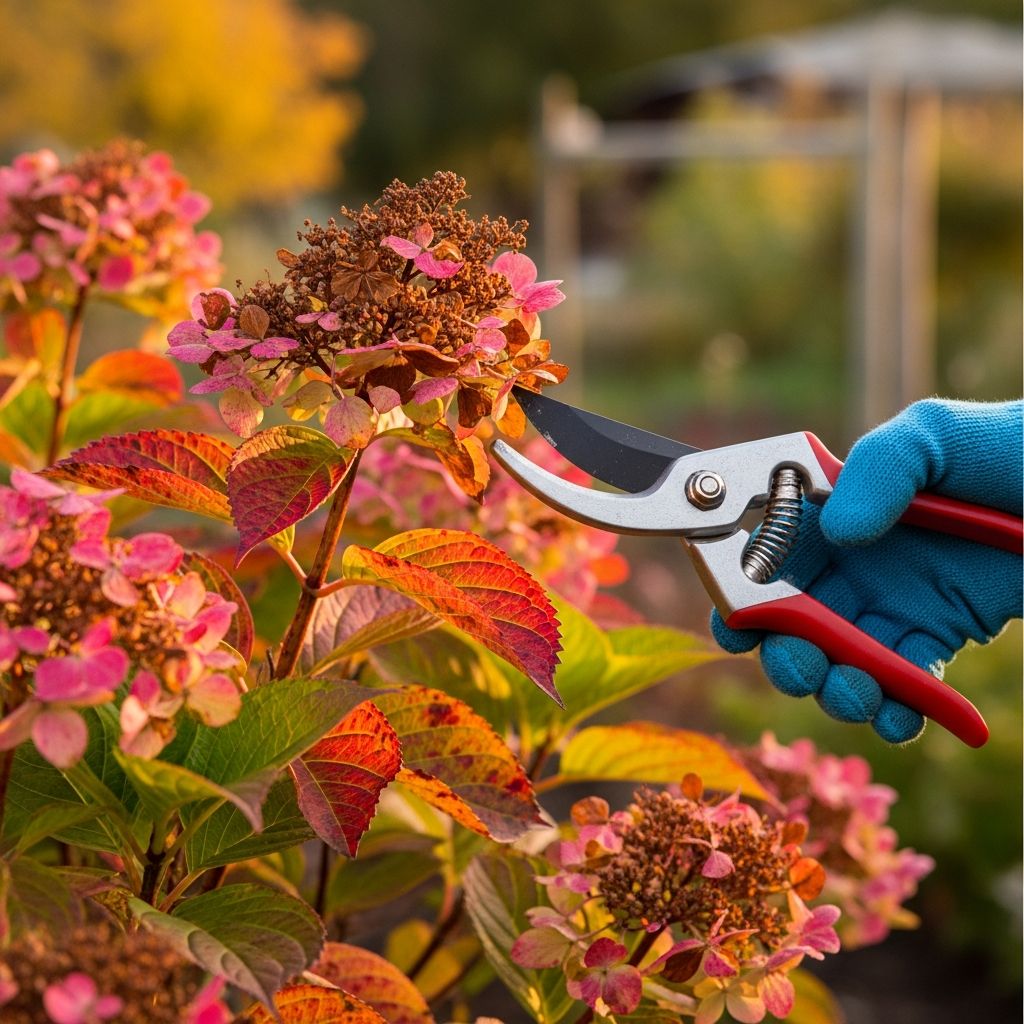
Hydrangeas are beloved flowering shrubs that add beauty and color to landscapes with minimal effort. However, one of the most common questions gardeners ask is whether fall is the right time to prune these plants. The answer is more nuanced than a simple yes or no. Whether you should prune hydrangeas in fall depends entirely on the variety you’re growing and understanding how different hydrangeas produce their blooms.
Many gardeners are tempted to cut back their hydrangeas in fall when the flowers fade and the plants begin to go dormant. While this timing might seem logical, pruning at the wrong time can eliminate an entire season of blooms. Understanding the difference between hydrangeas that bloom on old wood versus new wood is essential before you pick up your pruning shears.
Understanding Hydrangea Bloom Types
The key to successful hydrangea pruning lies in understanding when your specific variety produces flower buds. Hydrangeas fall into two main categories based on their blooming habits, and each requires different pruning approaches.
Hydrangeas That Bloom on Old Wood
Old wood bloomers produce their flower buds on the woody growth from the previous year. This means that the stems visible on your hydrangea shrub in late fall already contain next year’s flowers, even though they’re dormant and not yet visible. If you prune these varieties too late in the fall, you will cut off next year’s blooms before they have a chance to open. This is why timing is critical for these types of hydrangeas.
The stems that will flower have already set their buds by mid-summer, and they remain on the plant throughout fall and winter. Any pruning done after these buds form will result in lost flowers. For old wood bloomers, the safest approach is to prune immediately after the current season’s flowers fade, typically in late summer or early fall, before new buds have a chance to fully harden off.
Hydrangeas That Bloom on New Wood
New wood bloomers work differently. They produce all the buds that will become flowers during the spring before they bloom. These buds form on the new growth that emerges in the current growing season. Because these flower buds haven’t formed yet during fall, you can safely prune these varieties in fall without risking the loss of next year’s flowers. However, many gardeners recommend waiting until early spring to prune these types, as fall and winter pruning can expose the plant to winter injury and cold damage.
Specific Hydrangea Varieties and Fall Pruning Guidelines
Different hydrangea species have different pruning needs. Understanding which category your hydrangea falls into will help you decide when to prune.
Bigleaf or Mophead Hydrangeas (Hydrangea macrophylla)
Bigleaf hydrangeas, which include both mophead and lacecap varieties, are tricky because they primarily bloom on old wood. However, some reblooming varieties, particularly newer introductions, bloom on both old and new wood. For standard mophead hydrangeas, prune only after the flowers have faded in late summer or early fall. The same rule applies to popular reblooming varieties like ‘Endless Summer’ hydrangeas—prune just after flowers fade, usually in late summer or early fall. Pruning later than this will remove next year’s flower buds and result in significantly reduced or nonexistent blooms.
Oakleaf Hydrangeas (Hydrangea quercifolia)
Oakleaf hydrangeas bloom exclusively on old wood, making them particularly sensitive to fall pruning. These plants require pruning just as the season’s flowers are fading in early fall and no later. Because their flower buds are already set for the following year, any pruning done beyond early fall risks cutting off next year’s blooms entirely. If you miss the early fall window, it’s better to wait until spring to prune out any dead or crossing branches.
Panicle Hydrangeas (Hydrangea paniculata)
Panicle hydrangeas, including popular varieties like PeeGee hydrangeas, bloom on new wood and offer more flexibility in pruning timing. You can safely prune these varieties in fall without worrying about removing next year’s flower buds. However, experts recommend waiting until very early spring to trim panicle hydrangeas, as pruning in fall can increase the risk of winter injury to the plant. Spring pruning also helps prevent the plants from becoming too floppy.
Smooth Hydrangeas (Hydrangea arborescens)
Smooth hydrangeas, including popular cultivars like ‘Annabelle’, also bloom on new wood. Like panicle hydrangeas, you can prune them in fall without eliminating next year’s blooms. However, waiting until early spring is still recommended to minimize winter damage and ensure the plant maintains a more compact form. Spring pruning allows you to see which stems have survived winter before making your cuts.
When NOT to Prune Hydrangeas in Fall
Beyond removing spent flowers through deadheading, there’s generally no need to do any substantial pruning of hydrangeas in fall, regardless of variety. Many gardeners make the mistake of cutting off what they think are dead stems in autumn after frost damage, but this practice can result in several problems. First, you could be pruning off next year’s dormant flower buds. Second, fall pruning can leave the plant more prone to winter injury. Third, severe pruning in fall weakens the plant and may require staking the following year.
The temptation to clean up your garden in fall is understandable, but resist cutting back hydrangea stems extensively. If your hydrangea looks healthy and you’ve planted it in a location where it can grow to its mature size, pruning is often unnecessary. Many hydrangea problems stem from over-love rather than neglect, particularly when it comes to fall pruning, over-fertilization, and over-mulching.
How to Trim Hydrangeas Properly
If you do decide to prune your hydrangeas, whether in late summer or spring, proper technique matters. For deadheading in fall, use a sharp pair of shears to trim flower heads off the plant, removing just an inch or two of stem along with the flower. Do not cut the stems back any further than this, as you could impact next year’s flower production.
When doing more substantial pruning, remove dead, diseased, or crossing stems first. These removals won’t harm your plant and will improve its overall health and appearance. If you need to reduce the size of your hydrangea, cut back to just above a set of leaves or leaf buds. How far you cut back is a matter of personal preference, but be aware that cutting them down to the ground every year may weaken them over time and require staking.
For tree-form hydrangea varieties, the pruning process differs slightly from typical shrub types, though the timing remains the same as for panicle varieties. Early spring pruning is ideal for tree hydrangeas to maintain their shape and structure.
Essential Fall Hydrangea Care Practices
Beyond pruning considerations, there are several other important fall care practices for hydrangeas:
Mulching: Apply 2 to 3 inches of mulch around the base of your hydrangea in fall. This creates a protective layer that insulates the roots and helps them survive weather extremes and freeze-thaw cycles. Create a donut shape with the mulch, keeping it away from the plant’s base and trunk. Shredded fall leaves work well for this purpose and provide natural insulation.
Fertilizing: Fall is generally not the best time to fertilize hydrangeas. Fertilizing in fall encourages new growth that can be damaged by frost. If you want to change flower color, spring is a better time to apply soil amendments.
Weather Protection: In regions with severe winters, consider providing additional protection for tender hydrangea varieties. Burlap wraps or frost cloth can help protect plants from extreme cold and wind damage.
Deer Protection: If deer are a problem in your area, fall is a good time to install or reinforce deer fencing around your hydrangeas, as they find young growth particularly appetizing in winter.
Container-Grown Hydrangeas: If you’re growing hydrangeas in containers, move them to a protected location before the first hard freeze. Container plants are more vulnerable to cold temperatures because their roots are exposed above ground.
Common Fall Hydrangea Pruning Mistakes
Several mistakes commonly made in fall can compromise next year’s bloom production. Pruning old wood bloomers too late in fall removes flower buds. Cutting back stems after frost damage, even though they look dead, can remove dormant buds. Severely pruning hydrangeas in fall to ground level weakens the plant. Over-mulching, especially piling mulch against the plant’s base, can cause rot. And finally, applying too much fertilizer in fall promotes weak growth that’s susceptible to winter damage.
The Bottom Line on Fall Hydrangea Pruning
The decision to prune hydrangeas in fall ultimately depends on your specific variety. If you have old wood bloomers like mophead, lacecap, or oakleaf hydrangeas, only prune in late summer or very early fall, immediately after flowers fade. If you have new wood bloomers like panicle or smooth hydrangeas, you can wait until early spring to prune, which is actually the preferred timing for these types. When in doubt, resist the urge to prune extensively in fall. Light deadheading is acceptable, but heavy pruning should be saved for late summer or early spring, depending on your hydrangea variety. Remember that well-placed hydrangeas often need minimal pruning to thrive and produce abundant flowers year after year.
Frequently Asked Questions About Fall Hydrangea Pruning
Q: How far do you cut back hydrangeas in the fall?
A: This is a matter of personal preference. However, avoid cutting hydrangeas down to the ground in fall, as this can weaken the plant and require staking. Instead, remove only dead, diseased, or crossing stems. If pruning is necessary, cut back to just above leaf nodes, removing no more than one-third of the plant’s growth.
Q: What happens if you don’t cut back hydrangeas in fall?
A: If you plant your hydrangea in a spot with plenty of room, allowing it to reach its full mature size without pruning is an excellent approach. Over time, you may want to shape it for aesthetic reasons, but many hydrangeas thrive without regular fall pruning.
Q: Can I deadhead hydrangeas in fall without damaging next year’s blooms?
A: Yes, light deadheading is acceptable. Use sharp shears to remove only the flower head and one to two inches of stem. Do not cut back further, as you could remove developing flower buds on old wood bloomers.
Q: What’s the best time to prune hydrangeas if not in fall?
A: For old wood bloomers, prune immediately after flowers fade in late summer or early fall. For new wood bloomers, prune in early spring before new growth emerges. This timing protects the plants from winter damage while preserving next year’s flowers.
Q: Why shouldn’t I prune damaged stems after frost in fall?
A: Fall-damaged stems may still contain dormant flower buds for next season. Additionally, pruning in fall can expose the plant to further winter injury. Wait until spring to assess damage and prune accordingly.
Q: Do all hydrangea varieties require the same pruning schedule?
A: No. Different varieties have different requirements based on whether they bloom on old wood or new wood. Understanding your specific variety is crucial for successful pruning and flowering.
References
- Pruning Hydrangeas In Fall: Drop Your Pruners And Read This — Gardening Know How. 2024. https://www.gardeningknowhow.com/ornamental/shrubs/hydrangea/prune-hydrangeas-in-fall.htm
- A Guide to Caring for Hydrangeas in Autumn — Savvy Gardening. 2024. https://savvygardening.com/hydrangea-fall-care/
- How to Prune Hydrangeas — University of Vermont Extension. https://pss.uvm.edu/ppp/articles/hydrangea.html
- Ornamental Shrub Pruning Guide — Clemson Cooperative Extension. https://www.clemson.edu/extension/
Similar Articles








Read full bio of medha deb