Why Your Shower Drain Smells Like Rotten Eggs
Discover the causes of rotten egg smells in shower drains and learn effective solutions to eliminate odors.
Why Your Shower Drain Smells Like Rotten Eggs: Causes and Solutions
A foul odor emanating from your shower drain is more than just an unpleasant nuisance—it’s your plumbing system signaling that something requires attention. That distinctive rotten egg smell is a common problem in many homes, but the good news is that once you understand what’s causing it, you can take targeted action to eliminate it. Whether the issue stems from bacterial growth, water heater problems, or structural plumbing issues, this comprehensive guide will help you identify the root cause and implement an effective solution.
Understanding the Rotten Egg Smell: What’s Actually Causing It
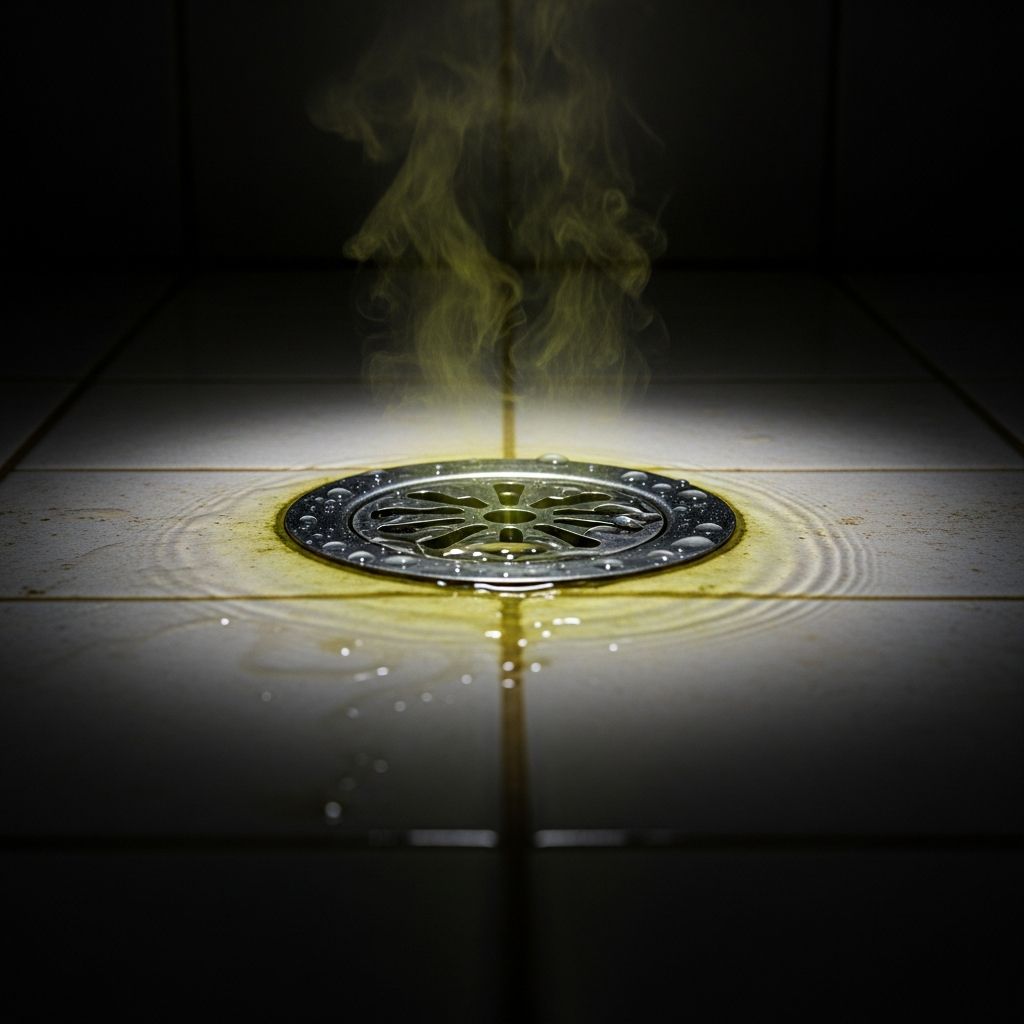
The unmistakable rotten egg odor coming from your shower drain is typically caused by hydrogen sulfide gas. This pungent gas is produced when bacteria in your plumbing system break down organic debris such as hair, skin cells, soap residue, and other accumulated matter. The bacteria feed on this organic material and release hydrogen sulfide as a byproduct of their metabolic processes, creating that distinctive sulfurous smell that can make your bathroom unbearable.
Common Causes of Shower Drain Odors
1. Biofilm Buildup and Bacterial Growth
Inside your shower drain, a slimy, dark substance called biofilm accumulates over time. This biofilm is essentially a colony of bacteria and their waste products that forms when hair, skin cells, soap scum, and other debris collect in your pipes. The biofilm creates an ideal environment for bacteria to thrive and multiply. These microorganisms release hydrogen sulfide gas as they break down organic material, resulting in that persistent rotten egg smell. What makes this particularly problematic is that biofilm can stick stubbornly to pipe walls even when there’s no visible clog, allowing drains to emit powerful odors despite appearing relatively clean.
2. Dry or Failing P-Trap
One of the most critical components of your plumbing system is the P-trap—a curved, U-shaped pipe located directly beneath your shower drain. The primary function of this trap is to hold a small amount of water at all times. This water creates a seal that acts as a barrier, preventing stinky sewer gases from rising up into your bathroom from the main sewer line. When the P-trap dries out or fails, this protective seal is compromised, allowing sewer gases to escape into your bathroom and create that unmistakable rotten egg smell. This problem is especially common in underused showers where water doesn’t regularly flow through the drain to replenish the trap seal.
3. Water Heater Issues
If you notice the rotten egg smell only when using hot water, your water heater may be the culprit. Water heaters contain a sacrificial component called anode rod, typically made from magnesium or aluminum. These anode rods are designed to prevent tank corrosion by corroding themselves instead. However, as they deteriorate and react with sulfates present in the water, they can create hydrogen sulfide gas. This gas then travels through your hot water pipes, creating that distinctive rotten egg odor primarily when hot water is running through your shower.
4. Sulfur in Your Water Supply
If your home relies on well water, hydrogen sulfide gas may be naturally present in your water supply. This gas occurs naturally from the decay of organic materials and chemical reactions with soil and rocks underground. The smell becomes more pronounced with hot water, making your shower particularly vulnerable to this issue. While hydrogen sulfide at typical household levels is not harmful when ingested, it certainly creates an unpleasant bathing experience.
5. Cracked or Leaking Drain Pipes
Damaged pipes can allow hydrogen sulfide gas and other foul-smelling materials to escape directly into your home. Metal pipes develop leaks through corrosion, while pipe joints can loosen over time due to settling or temperature fluctuations. These leaks not only create unpleasant odors but can also damage walls and ceilings and lead to mold growth, making them a serious concern that requires professional attention.
6. Main Sewer Line Problems
When multiple drains in your home emit foul odors simultaneously, the problem likely extends beyond a simple bathroom issue. Main sewer line problems, such as blockages caused by tree roots breaking into underground pipes, can push sewage back up and release significant foul odors. Your lawn may show unusually green patches where sewage leaks underground, which is an additional indicator of sewer line problems.
DIY Solutions for Eliminating Shower Drain Odors
Method 1: Boiling Salt Water Flush
One of the simplest and most cost-effective natural solutions is a boiling salt water flush. This method is chemical-free and surprisingly effective at tackling light clogs and odor-causing buildup before they escalate into major plumbing issues. To perform this treatment, bring a pot of water to a rolling boil, add salt, and carefully pour it directly down the drain. The heat helps dislodge debris while the salt provides mild abrasive action to help clear buildup.
Method 2: Baking Soda and White Vinegar
A mixture of baking soda and white vinegar works excellently as a natural, non-toxic option for drain cleaning and deodorizing. Start by pouring a cup of baking soda down the drain, followed by a cup of white vinegar. The chemical reaction between these two ingredients creates fizzing action that helps break down debris and biofilm. Cover the drain and let this mixture work for 15-30 minutes before flushing with hot water. For deeper disinfecting, you can also use a mild bleach solution, though natural options are often preferable for environmental reasons.
Method 3: Citrus, Ice, and Vinegar Solution
An surprisingly effective and refreshing remedy uses citrus peels—something you might normally toss in the trash. Combining citrus with ice and vinegar creates a powerful, natural solution that cleans and deodorizes your drain without any chemicals. The natural oils in citrus have antibacterial properties, while the ice provides physical scrubbing action. Simply place citrus peels in your drain with ice cubes, pour vinegar, and flush with hot water.
Method 4: Plunger Method
This method works by using strong suction to physically pull up hidden gunk—like tangled hair, slimy buildup, or even stagnant water that’s been sitting deep in the trap. These materials are often the source of the stinky drain smell, especially if they’ve been feeding bacteria that release hydrogen sulfide. A standard plunger can be surprisingly effective for this purpose when used correctly.
Method 5: Hydrogen Peroxide Flush
When your shower drain emits musty, stinky, or rotten egg-like odors, hydrogen peroxide can be a powerful solution. This mild yet effective disinfectant cleans deeply, fights bacteria, and doesn’t leave any chemical smell behind. The oxidizing properties of hydrogen peroxide make it particularly effective at breaking down organic debris and killing odor-causing bacteria. Pour a solution of 3% hydrogen peroxide down the drain and let it sit for 15-30 minutes before flushing with hot water.
Method 6: Enzyme-Based Drain Cleaners
Rather than relying on harsh chemical drain cleaners, which can damage your plumbing and harm the environment, consider using enzyme-based drain cleaners, also called bio-enzymatic digesters. These products use naturally occurring enzymes to break down organic material in your pipes, eliminating the food source that bacteria rely on to produce odor-causing hydrogen sulfide gas. This safer, long-term solution is gentle on your plumbing system while being effective at preventing recurring odor problems.
When to Refill Your P-Trap
If you’ve determined that a dry P-trap is causing your odor problem, the solution is relatively simple. Run water down the drain for several minutes to refill the trap with water, restoring the protective seal against sewer gases. If the smell persists after refilling the trap, you may need to investigate other potential causes or call a professional plumber for a more thorough inspection.
Professional Solutions for Persistent Problems
Smells that stick around after several cleaning attempts point to deeper issues that require professional attention. If you’ve tried multiple DIY solutions without success, or if multiple drains throughout your home smell bad simultaneously, your main sewer line or vent system might be the culprit rather than a simple clog. A professional plumber has specialized equipment and expertise to diagnose and resolve these more complex issues.
Prevention and Maintenance Tips
The best approach to dealing with shower drain odors is prevention. Here are several strategies to keep your drains fresh and odor-free:
– Use drain screens or guards to prevent hair and debris from entering the drain system- Run hot water through your drains regularly, even if you’re not actively using them- Clean your shower drain monthly using one of the natural methods described above- Avoid pouring grease, oils, or other debris down the drain- Ensure your P-trap always has water by using your drain regularly- Dry the drain area completely to prevent mold growth in moist environments- Re-seal or replace the drain cover if it doesn’t fit tightly or allows water to pool, as mold loves moisture
Understanding the Health and Safety Aspects
While the hydrogen sulfide gas behind that rotten egg smell isn’t usually harmful at typical household levels, you should still fix the problem quickly to protect your plumbing system and enjoy a fresh-smelling bathroom. The presence of this gas can indicate bacterial growth or more serious plumbing issues that may worsen over time if left unaddressed. Additionally, persistent moisture and biofilm create ideal conditions for mold and mildew growth, which can have genuine health implications, particularly for people with respiratory sensitivities.
Frequently Asked Questions
Q: Is the rotten egg smell from my shower drain dangerous?
A: Hydrogen sulfide gas at household levels is not typically harmful when inhaled in small amounts. However, it indicates a buildup that needs addressing to prevent more serious plumbing problems and mold growth.
Q: Why does my P-trap dry out?
A: P-traps dry out most commonly in underused showers or drains. The water in the trap evaporates if the drain isn’t used regularly. Running water through the drain periodically prevents this issue.
Q: Can I use chemical drain cleaners to solve this problem?
A: While chemical drain cleaners might seem like a quick fix, they can damage your plumbing system and harm the environment. Enzyme-based cleaners and natural solutions are safer, more effective long-term options.
Q: How often should I clean my shower drain?
A: For optimal results and odor prevention, clean your shower drain monthly using one of the natural methods described. Frequency may increase if you have hard water or longer hair.
Q: What should I do if the smell persists after trying these solutions?
A: If DIY methods don’t resolve the problem within a week or two, or if multiple drains in your home smell bad simultaneously, contact a professional plumber to inspect your plumbing system for more complex issues.
References
- Why Does My Shower Drain Smell? Causes & Solutions — Cyclone Plumbing USA. 2024. https://cycloneplumbingusa.com/why-does-my-shower-drain-smell/
- Why Does My Shower Drain Smell? — Maplewood Plumbing. 2024. https://maplewoodplumbing.com/blog/shower-drain-smell/
- Why Your Shower Drain Stinks: A Plumber Reveals The Real Cause — Western Rooter. 2024. https://westernrooter.com/why-your-shower-drain-stinks/
- Why a Drain Smells Like Rotten Eggs or Sulfur — Mr. Rooter Plumbing. 2024. https://www.mrrooter.com/about/blog/why-theres-a-sulfur-smell-coming-from-your-drain/
- What Causes Shower Drain Smells? — Drano Expert Advice. 2024. https://www.drano.com/en-us/explore-clog-basics/what-causes-shower-drain-smells
Similar Articles




Read full bio of medha deb