Shrub Care Essentials
Master the art of shrub maintenance with proven techniques for year-round health, beauty, and resilience in your landscape.
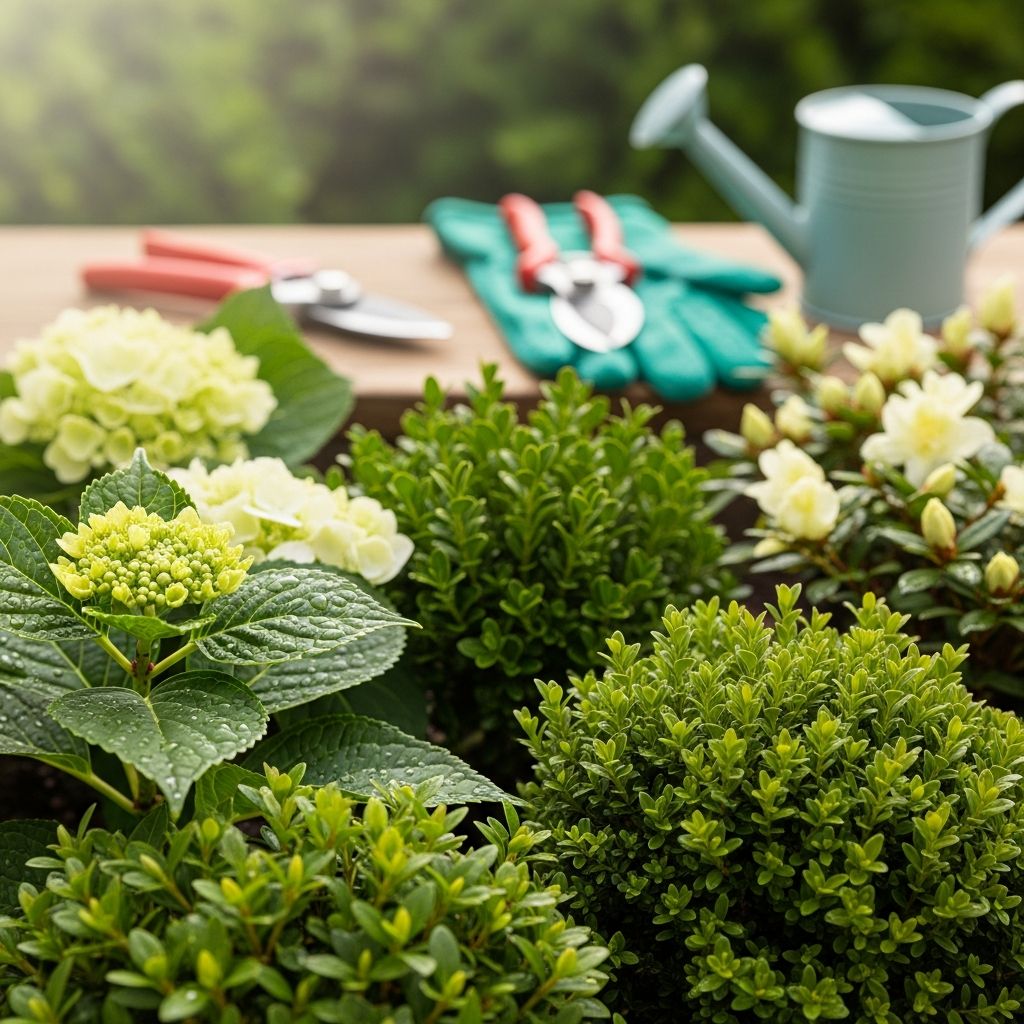
Healthy shrubs form the backbone of any vibrant garden, providing structure, color, and privacy. Proper care ensures they thrive through seasons, resist diseases, and enhance curb appeal. This guide covers foundational practices from planting to ongoing upkeep, drawing on time-tested methods for optimal results.
Selecting the Right Shrubs for Your Space
Choosing appropriate varieties sets the stage for success. Consider your climate zone, soil type, sunlight exposure, and mature size to avoid future issues like overcrowding or poor growth. Opt for disease-resistant types such as certain hollies or viburnums that handle common pests better.
Match shrubs to site conditions: evergreens for year-round coverage in shady spots, deciduous ones for seasonal color in full sun. Test soil pH beforehand—most prefer slightly acidic to neutral levels between 6.0 and 7.0. Amend heavy clay with organic matter for better drainage.
Planting Shrubs for Long-Term Success
Timing matters: plant in early spring or fall when temperatures are mild, allowing roots to establish before extremes. Dig a hole twice as wide as the root ball but no deeper, positioning the top at soil level to prevent rot.
- Loosen roots gently if pot-bound.
- Backfill with native soil mixed with compost, avoiding pure topsoil.
- Water thoroughly after planting to eliminate air pockets.
Avoid fertilizing at planting; focus on root development first. Space plants according to mature width, typically 1.5 to 2 times that distance apart.
Essential Pruning Techniques
Pruning shapes shrubs, removes hazards, and stimulates growth. Best done in late winter or early spring for most deciduous types, after flowering for spring bloomers.
Use sharp, sterilized tools to make clean cuts at a 45-degree angle just above an outward-facing bud. Remove dead, diseased, or crossing branches first, then thin interiors for airflow.
| Pruning Type | Purpose | Best Time |
|---|---|---|
| Thinning | Improves air circulation and light penetration | Late winter |
| Heading Back | Encourages bushier growth | Early spring |
| Shearing | Creates formal shapes | Mid-summer |
For overgrown shrubs, rejuvenation pruning cuts all stems to 6-12 inches in one go, ideal for forsythia or lilacs. Never remove more than one-third of growth annually to avoid stress.
Watering Strategies for Thriving Shrubs
Consistent moisture is key, especially for newly planted ones. Deep water weekly during the first year, aiming for 1 inch per session to promote deep roots.
Morning watering minimizes evaporation and fungal risks. Use a soaker hose or drip system for efficiency. In summer, check soil 6 inches down—if dry, water; if moist, wait. Reduce frequency for established plants, increasing during heat waves.
- Young shrubs: 5-10 gallons weekly.
- Mature: Every 10-14 days, adjusted for rain.
- Avoid overhead sprinkling to prevent leaf diseases.
Mulching Mastery for Soil Health
A 2-3 inch layer of organic mulch conserves water, suppresses weeds, and moderates soil temperature. Apply in a ring around the base, keeping it 2-4 inches from stems to deter rot and pests.
Preferred materials include shredded bark, wood chips, or pine needles, which decompose to enrich soil. Refresh annually, raking matted layers to maintain breathability. Over-mulching suffocates roots, so measure depth regularly.
Fertilizing for Vigorous Growth
Soil testing guides applications—aim for balanced N-P-K formulas like 10-10-10 in spring. Granular slow-release types feed steadily without burn risk.
Broadcast around the drip line, not at the trunk, then water in. Foliar sprays offer quick boosts during growth spurts but use sparingly. Over-fertilizing causes weak, leggy growth vulnerable to pests.
Pest and Disease Management
Early detection saves shrubs. Scout weekly for aphids, scale, or spider mites—yellowing leaves or webbing signal trouble.
Cultural controls first: prune for airflow, remove debris. Insecticidal soaps or horticultural oils target pests safely. For fungal issues like powdery mildew, fungicides apply preventively in humid areas. Choose resistant cultivars and avoid stress from poor watering.
Seasonal Care Calendar
Tailor routines to weather shifts for peak performance.
Spring Revival
Prune post-winter damage, fertilize lightly, and mulch anew. Monitor for heaving from freeze-thaw cycles.
Summer Protection
Deep water during dry spells, inspect for heat stress like wilting. Treat pests promptly.
Fall Preparation
Reduce water, apply winter mulch. Prune lightly if needed.
Winter Safeguards
Wrap young trunks against rodents, mulch roots deeply against frost.
Common Shrub Problems and Fixes
| Issue | Symptoms | Solution |
|---|---|---|
| Root Rot | Yellow leaves, mushy roots | Improve drainage, reduce watering |
| Scale Insects | Bumpy deposits, sticky honeydew | Horticultural oil, prune affected parts |
| Leaf Spot | Brown spots, defoliation | Fungicide, better spacing |
Tools and Supplies Checklist
- Bypass pruners for clean cuts.
- Loppers for thicker branches.
- Soil probe or screwdriver for moisture checks.
- Organic mulch and slow-release fertilizer.
- Insecticidal soap for pests.
Advanced Tips for Landscape Pros
Integrate shrubs into designs with layered heights: tall backdrops, mid-story fillers, low edgers. Companion plant with perennials for pollinator appeal. For containers, use well-draining mixes and fertilize monthly.
Monitor pH annually; acidify for azaleas with sulfur. Employ integrated pest management (IPM) prioritizing biological controls like ladybugs over chemicals.
Frequently Asked Questions
When is the best time to prune shrubs?
Most in late winter before buds swell; spring bloomers after flowers fade.
How much should I water new shrubs?
Deeply once weekly, about 5-10 gallons, for the first season.
Can I use lawn fertilizer on shrubs?
No—high nitrogen promotes foliage over roots. Use shrub-specific blends.
What mulch is best for shrubs?
Organic like bark or chips, 2-3 inches thick, away from stems.
How do I prevent winter damage?
Mulch roots, burlap wrap against wind, avoid late pruning.
Implementing these practices transforms shrubs from high-maintenance to low-effort assets. Regular attention yields lush, resilient plants that elevate any outdoor space.
References
- Seven Steps to Maintain Your Spring Shrub Plants — Schulhoff TLC. 2023. https://www.schulhofftlc.com/schulhoff-services/seven-steps-to-maintain-your-spring-shrub-plants/
- Tree and Shrub Care Tips — Emerald Lawns. 2024. https://emeraldlawns.com/tree-shrub-tips
- Expert Tips for Tree and Shrub Health — Kapp’s Green Lawn. 2023. https://kappslawn.com/expert-tips-for-tree-and-shrub-health/
- Best Practices for Summer Tree and Shrub Protection — Fairway Lawns. 2024. https://fairwaylawns.com/best-practices-for-summer-tree-and-shrub-protection/
- Best Practices Guide to Tree and Shrub Care — The Lawn Techs Blog. 2019-04. https://thelawntechs.com/blog/2019/04/best-practices-guide-to-tree-and-shrub-care/
- Do’s & Don’ts for Planting & Maintaining Trees & Shrubs — Milorganite. 2023. https://www.milorganite.com/blog/trees-shrubs/dos-donts-trees-and-shrub-planting-and-maintenance
Similar Articles







Read full bio of medha deb