Frozen Pipes: 6 Warning Signs And What To Do
Recognize the warning signs of frozen pipes and protect your home from costly damage.
Signs of Frozen Pipes: What to Look For
Winter weather can wreak havoc on your home’s plumbing system. When temperatures drop below freezing, water inside your pipes can freeze, leading to blockages, leaks, and even burst pipes. Recognizing the signs of frozen pipes early is crucial to preventing costly water damage and expensive repairs. In this article, we’ll cover the most common warning signs, what to do if your pipes freeze, and how to prevent future freezing with practical tips and expert advice.
Common Signs of Frozen Pipes
Knowing what to look for can help you catch frozen pipes before they cause major damage. Here are the most common signs to watch out for:
- Decreased or No Water Flow: If you turn on a faucet and only get a trickle or no water at all, it’s a strong indicator that your pipes may be frozen. This is especially true if the issue affects multiple fixtures in your home.
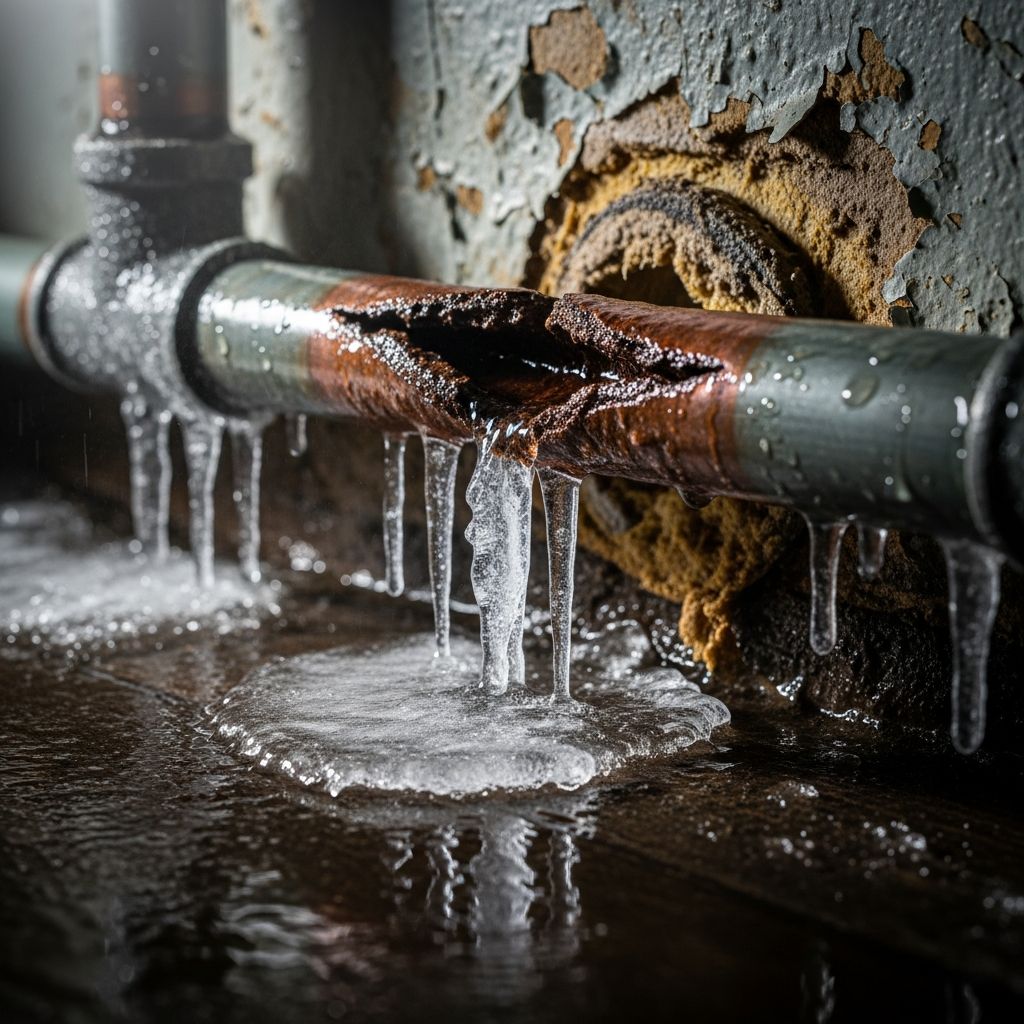
- Visible Frost or Bulging Pipes: If your pipes are exposed (such as in a basement or crawl space), you may notice frost forming on the outside of the pipe or see the pipe bulging. Both are clear signs that the water inside has frozen.
- Odd Smells: Frozen pipes can sometimes cause musty or moldy odors, especially if water has leaked and begun to accumulate in hidden areas.
- Leaks and Water Damage: If a pipe bursts due to freezing, you may notice water stains on walls or ceilings, puddles on the floor, or even structural damage.
- Unusually Cold Water: If the water coming out of your faucet feels colder than normal, it could be a sign that ice is forming inside the pipes.
- Strange Noises: Gurgling, clanking, or bubbling sounds when you flush the toilet or run water can indicate that ice is blocking the flow inside your pipes.
What to Do If Your Pipes Freeze
If you suspect your pipes are frozen, it’s important to act quickly to prevent further damage. Here’s what you should do:
- Open the Faucet: Keep the affected faucet open. As the ice begins to melt, water will start to flow through the pipe, helping to relieve pressure and reduce the risk of a burst.
- Shut Off the Water Supply: If you suspect a pipe has burst, shut off the main water supply to your home immediately to prevent further flooding.
- Apply Gentle Heat: Use a hair dryer, heating pad, or towels soaked in warm water to gradually warm the frozen section of the pipe. Never use an open flame or high-heat device, as this can damage the pipe or create a fire hazard.
- Monitor for Leaks: As the pipe thaws, check for leaks or water damage. If you notice any, contact a professional plumber right away.
- Call a Professional: If you’re unable to thaw the pipe or if you suspect a burst, it’s best to call a licensed plumber for assistance.
How to Prevent Frozen Pipes
Preventing frozen pipes is much easier and less expensive than dealing with the aftermath. Here are some effective strategies to keep your pipes from freezing:
- Insulate Pipes: Use foam pipe insulation or heat tape to protect exposed pipes in unheated areas like basements, crawl spaces, and garages.
- Let Faucets Drip: Allow faucets to drip slightly during freezing temperatures. Running water helps prevent ice from forming inside the pipes.
- Keep Cabinet Doors Open: Open kitchen and bathroom cabinet doors to allow warm air to circulate around the plumbing.
- Seal Cracks and Gaps: Seal any cracks or gaps in your home’s foundation, walls, and windows to prevent cold air from reaching your pipes.
- Keep the Heat On: Maintain a consistent indoor temperature, even when you’re away from home. Set your thermostat to at least 55°F (13°C) to keep pipes from freezing.
- Drain Outdoor Pipes: Before winter, drain and shut off outdoor water lines and disconnect hoses to prevent freezing.
- Use Freeze Protection Devices: Install freeze protection devices, such as Freeze Miser, on outdoor faucets to automatically prevent freezing.
FAQs About Frozen Pipes
How do I know if my pipes are frozen?
If you notice decreased or no water flow, visible frost or bulging pipes, odd smells, leaks, or unusually cold water, your pipes may be frozen.
Can frozen pipes burst?
Yes, frozen pipes can burst if the ice inside expands and puts too much pressure on the pipe. This can lead to significant water damage and costly repairs.
How do I thaw frozen pipes?
Open the affected faucet, apply gentle heat to the frozen section, and monitor for leaks. If you’re unable to thaw the pipe or suspect a burst, call a professional plumber.
How can I prevent my pipes from freezing?
Insulate pipes, let faucets drip, keep cabinet doors open, seal cracks and gaps, maintain a consistent indoor temperature, drain outdoor pipes, and use freeze protection devices.
What should I do if my pipes burst?
Shut off the main water supply, open faucets to relieve pressure, and call a professional plumber immediately to repair the damage.
Conclusion
Recognizing the signs of frozen pipes and taking prompt action can save you from costly repairs and water damage. By following the tips and strategies outlined in this article, you can keep your home’s plumbing system safe and functional throughout the winter months. Stay vigilant, act quickly, and don’t hesitate to call a professional if you need help.
References
- Frozen Water Pipes: Symptoms, Dangers, Thawing & Prevention — Freeze Miser. 2023. https://www.freezemiser.com/blogs/blog/frozen-water-pipes-symptoms-dangers-thawing-prevention
- Frozen Pipes: Prevention, Warning Signs and Tips — City of Ferndale. 2022. https://www.ferndalemi.gov/news/frozen-pipes:-prevention–warning-signs-and-tips_52
- The Warning Signs of Frozen Pipes — Happy Hiller. 2023. https://happyhiller.com/blog/the-warning-signs-of-frozen-pipes/
- Signs of Frozen Pipes: How to Spot Them Quickly — Angi. 2023. https://www.angi.com/articles/signs-frozen-pipes.htm
- Learn the Frozen Pipe Warning Signs — Benjamin Franklin Plumbing. 2017. https://www.benjaminfranklinplumbing.com/ocean-county/blog/2017/august/learn-the-frozen-pipe-warning-signs/
Similar Articles



Read full bio of Sneha Tete