Silence Noisy Pipes: Proven Fixes for Whistling Water Lines
Discover effective strategies to eliminate whistling, humming, and banging from your water pipes for a quieter, more efficient home plumbing system.
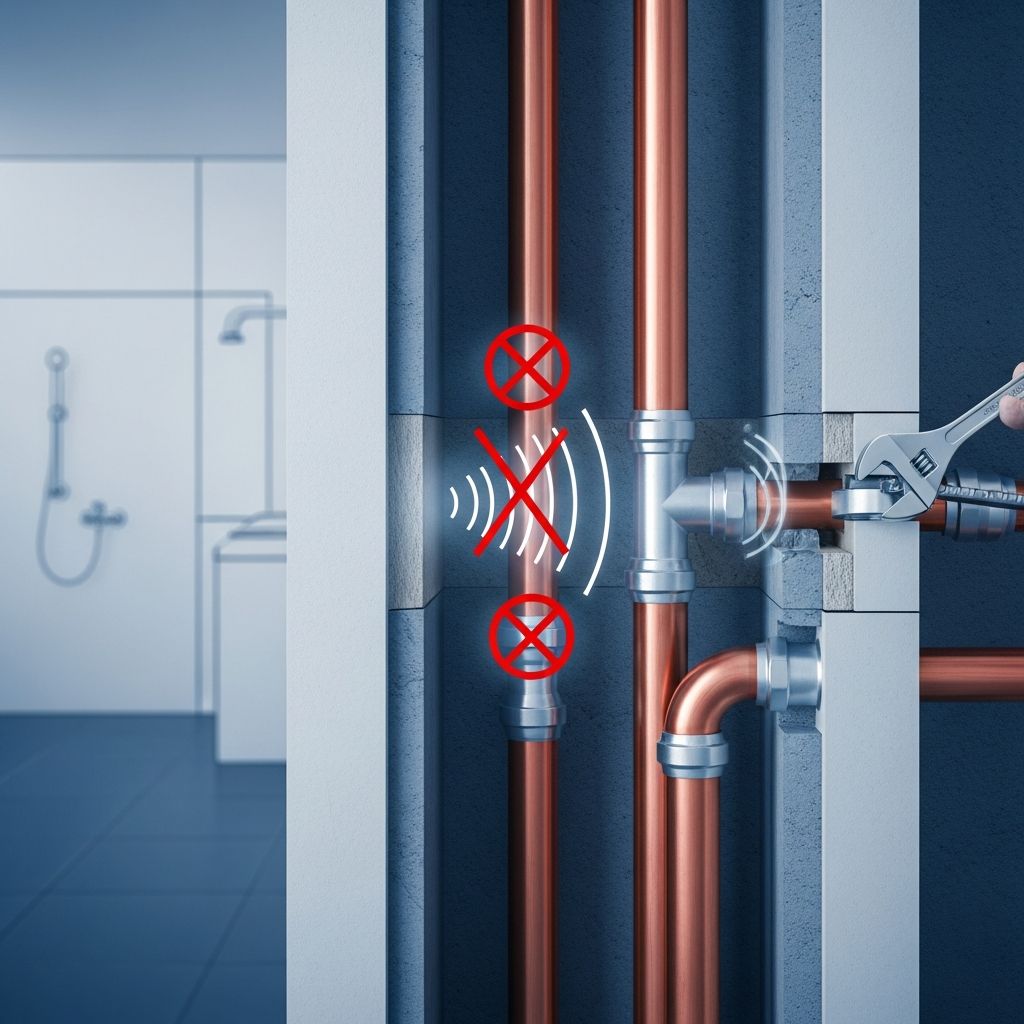
Unwanted sounds from your home’s plumbing system, such as high-pitched whistles, persistent hums, or sudden bangs, signal underlying issues that demand attention. These noises often stem from disrupted water flow, excessive pressure, or physical obstructions within the pipes. Addressing them promptly prevents minor annoyances from escalating into costly repairs, water waste, or structural damage. This guide explores the primary culprits behind these disturbances and delivers actionable solutions, drawing from established plumbing principles to help you restore tranquility.
Understanding the Sources of Pipe Noises
Pipe noises manifest in distinct forms, each pointing to specific problems.
Whistling
typically arises when water squeezes through narrow passages, creating a shrill tone akin to wind through a bottleneck.Humming or vibrating sounds
suggest steady turbulence, often from high velocity or loose elements.Banging or thumping
, known as water hammer, occurs when flowing water abruptly halts, slamming against pipe walls.Recognizing the noise type is the first step. Does it happen only at one fixture, like a faucet, or throughout the house? Localized sounds usually indicate fixture-specific issues, while widespread noise implicates the main supply line. Factors like home age, water hardness, and system pressure influence these disturbances.
Key Causes of Whistling and Humming in Water Pipes
Several factors contribute to these auditory issues. Here’s a breakdown:
- Excessive Water Pressure: Homes ideally operate at 40-60 PSI. Beyond this, water rushes forcefully, generating hums or whistles. Elevated pressure from municipal supplies, faulty regulators, or elevation (e.g., hilltop homes) exacerbates it.
- Mineral Deposits and Scale Buildup: Hard water leaves calcium and lime residues inside pipes and aerators, constricting flow and producing whistles.
- Clogged Aerators and Fixtures: Screens at faucet ends trap debris, limiting water exit and causing shrill sounds.
- Faulty Valves: Worn gate, shut-off, or ballcock valves fail to regulate flow smoothly, leading to hums during operation.
- Corroded or Aging Pipes: Rust in galvanized pipes narrows interiors, mimicking restrictions.
- Trapped Air: Bubbles post-maintenance create vibrations as they move.
- Loose Components: Unsecured pipes or fittings rattle under flow.
| Noises Type | Common Causes | Affected Areas |
|---|---|---|
| Whistling | Clogged aerators, high pressure | Single faucets/showers |
| Humming | Faulty valves, loose pipes | Whole house or toilets |
| Banging | Water hammer, sudden stops | After valve closure |
Step-by-Step Diagnostic Process
Before fixes, pinpoint the issue systematically.
- Isolate the Source: Run each faucet, shower, and toilet. Note if noise is fixture-specific or systemic.
- Check Pressure: Use a gauge on an outdoor spigot (affordable at hardware stores). Readings over 80 PSI confirm high pressure.
- Inspect Fixtures: Remove aerators; look for gunk. Examine valves for leaks or stiffness.
- Listen for Patterns: Noises during startup suggest valves; constant hums indicate pressure or air.
- Review Water Quality: Hard water areas heighten buildup risks.
This methodical approach saves time and avoids unnecessary work.
DIY Solutions for Common Pipe Noises
Many issues resolve with basic tools: screwdrivers, pliers, vinegar, wrenches, and replacement parts.
Cleaning Clogged Aerators
A primary whistling culprit. Unscrew the aerator, soak in white vinegar overnight to dissolve minerals, scrub with a brush, rinse, and reinstall. This restores even flow without whistles.
Adjusting or Replacing Washers and Seals
Worn washers in faucets cause uneven flow. Turn off supply valves, disassemble, replace with matching rubber washers (inexpensive kits available). Lubricate moving parts for silence.
Releasing Trapped Air
Shut off the main valve, drain pipes by opening all faucets (start highest), then slowly reopen the main. Run hot/cold lines to flush bubbles. Repeat if needed.
Securing Loose Pipes
Locate rattles behind walls or cabinets. Tighten brackets or add foam insulation/straps to dampen vibrations. Avoid over-tightening to prevent cracks.
Mitigating Water Hammer
Install arrestors—cushion devices near noisy fixtures. For air chambers, drain and refill via main shut-off cycle.
These steps often quiet pipes immediately, conserving water too. Per EPA insights, fixing leaks averts thousands of gallons wasted yearly.
Addressing High Water Pressure Professionally
DIY pressure tweaks risk damage; pros install pressure-reducing valves (PRVs) on main lines, calibrating to safe PSI. This curbs whistles, hums, and wear. Cost-effective long-term, especially in high-pressure zones.
Advanced Fixes for Persistent Problems
Whole-House Repiping
For corroded galvanized pipes, upgrade to durable PEX or copper. Modern materials resist scale and corrosion.
Water Softener Installation
In hard water regions, softeners remove minerals preemptively, preventing buildup.
Valve Repairs or Replacements
Gate or ballcock issues need plumber expertise to avoid floods.
Table of Fix Complexity:
| Solution | DIY Feasibility | Cost Range | Time |
|---|---|---|---|
| Clean Aerator | High | $0-5 | 15 min |
| Secure Pipes | Medium | $10-30 | 30 min |
| Install PRV | Low | $200-500 | 2-4 hrs |
| Repipe | No | $5k-15k | Days |
Preventive Maintenance for Quiet Plumbing
Proactive habits extend system life:
- Annual aerator cleans and valve checks.
- Monitor pressure seasonally.
- Insulate exposed pipes against expansion noise.
- Install softeners in hard water areas.
- Schedule pro inspections every 2-3 years.
These reduce emergency calls and bills.
When to Call a Plumbing Professional
DIY limits: persistent noises post-fixes, visible corrosion, pressure over 100 PSI, or unknowns. Experts use cameras for clogs and ensure code-compliant repairs. Early intervention averts bursts or mold.
Frequently Asked Questions (FAQs)
Why do my pipes whistle only in the shower?
This points to a clogged showerhead or faulty cartridge. Soak the head in vinegar or replace the cartridge.
Can high water pressure damage my home?
Yes, it stresses joints, fixtures, and appliances, risking leaks and failures.
How do I fix banging pipes after flushing toilets?
Water hammer—install arrestors or recharge air chambers.
Is pipe noise dangerous?
Not immediately, but ignored, it leads to leaks, floods, and high bills.
Will a water softener stop all noises?
It combats mineral buildup but not pressure or loose parts.
Armed with this knowledge, tackle pipe noises confidently. Most yield to simple interventions, ensuring a serene home.
References
- Water Pipes Making a Whistling Sound — TN Standard Plumbing. 2023. https://www.tnstandard.com/water-pipes-making-a-whistling-sound/
- What’s that Noise? Reasons for Humming Water Pipes — Mosman Well Works. 2023. https://www.mosmanwellworks.com/whats-that-noise-reasons-for-humming-water-pipes
- Why Are Your Water Pipes Making Noise? 5 Common Causes — Ben’s Plumbing. 2024. https://bens.plumbing/blog/pipes-making-noise-causes-and-solutions/
- Noisy Pipes: 5 Causes and Solutions — Home Cure Plumbers. 2023. https://www.homecureplumbers.co.uk/noisy-pipes-5-causes-and-solutions/
- Why Do My Water Pipes Make Noise? — Mr. Rooter Plumbing. 2024. https://www.mrrooter.com/about/blog/why-are-my-water-pipes-so-noisy/
Similar Articles



Read full bio of Sneha Tete