Silencing A Loud Furnace Power Vent: Expert Fixes
Discover practical steps to diagnose and quiet your furnace power vent, ensuring efficient heating and peace at home.
Silencing a Loud Furnace Power Vent
Furnace power vents, essential components in modern high-efficiency heating systems, can develop noises that disrupt home comfort. These systems use powered fans to expel combustion gases through sidewall vents, but issues like rattling, humming, or grinding signal underlying problems that demand attention. Addressing them promptly prevents inefficiency, higher energy costs, and potential safety risks from improper exhaust.
Understanding Furnace Power Vent Systems
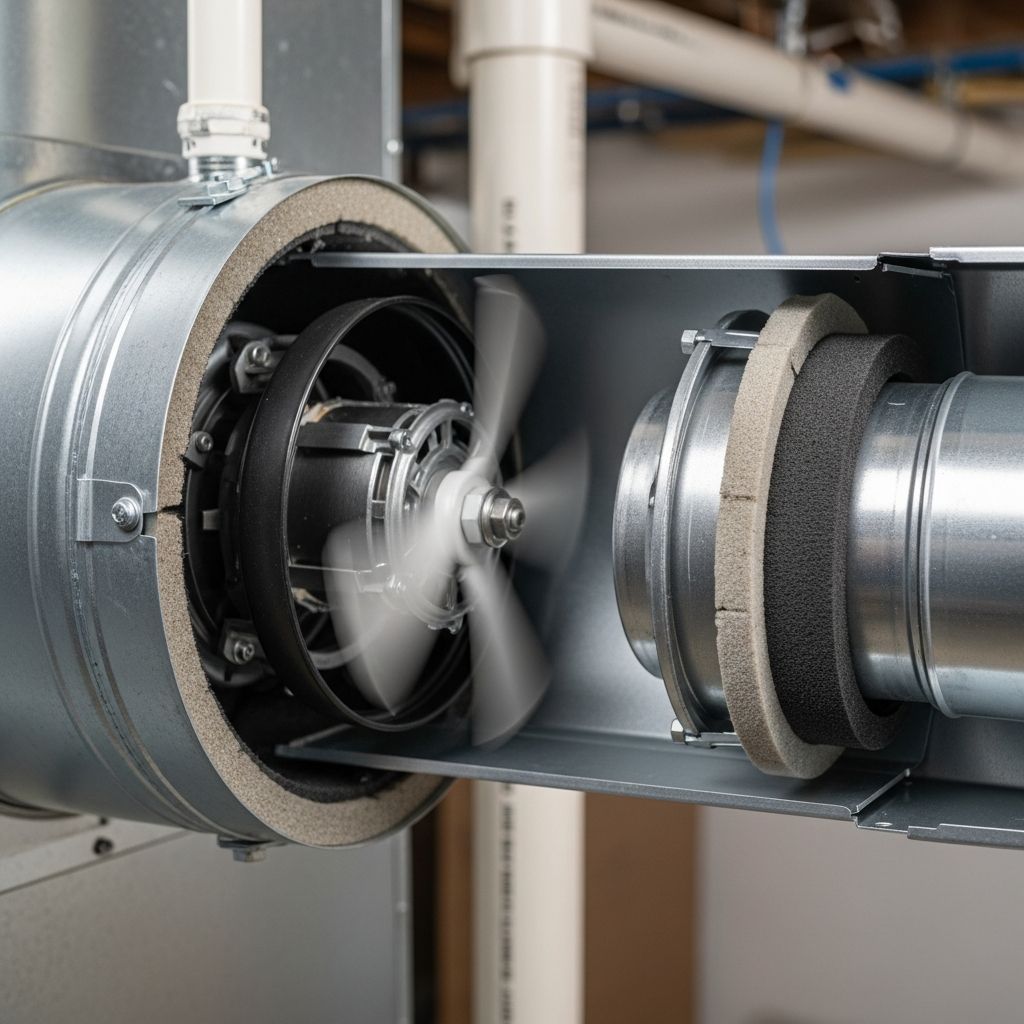
Power vents, often called draft inducer fans, actively push cooler exhaust from condensing furnaces through PVC pipes. Unlike traditional gravity vents, they handle acidic condensate, requiring precise operation for safe venting. When noisy, they indicate wear, blockages, or installation flaws, affecting overall furnace performance.
High-efficiency units rely on these fans to create negative pressure, drawing in combustion air and expelling gases. Failure to function quietly points to mechanical strain or debris accumulation, common in systems running seasonally without maintenance.
Common Sounds and Their Causes
Noises from power vents vary by issue severity. Recognizing patterns helps pinpoint fixes.
- Rattling or Vibrating: Loose components or foreign objects like debris entering via exterior vents.
- Grinding or Whirring: Worn motor bearings drying out or collecting dirt.
- Loud Humming: Motor strain without blade rotation, often from capacitor failure.
- High-Pitched Screeching: Friction in fan blades or motor shafts.
- Pulsing or Roaring: Exhaust turbulence from short pipes or restrictions.
These sounds escalate if ignored, leading to shutdowns or gas buildup risks.
Initial Safety Checks Before Troubleshooting
Always prioritize safety. Turn off power at the breaker and gas supply before inspections. Verify no gas leaks by sniffing for odors or using a detector. Wear gloves and eye protection; avoid operating the system during checks.
| Step | Action | Purpose |
|---|---|---|
| 1 | Power off furnace | Prevent electrical hazards |
| 2 | Inspect exterior vent | Clear blockages safely |
| 3 | Check air filter | Ensure unrestricted airflow |
| 4 | Listen during startup | Identify noise timing |
Diagnosing Rattling and Vibration Issues
Rattling often stems from loose fan blades, mounting hardware, or debris. Start externally: Clear leaves, twigs, or snow from the vent cap, as these amplify vibrations during operation. Indoors, access the inducer assembly via the furnace panel.
Secure loose set screws on fan hubs using an Allen wrench. Tighten motor mounting bolts evenly to eliminate shakes. Inspect blades for bends or buildup; gently clean with a soft brush and vacuum. If rattling persists, bearings may need lubrication—apply high-temperature grease sparingly to accessible ports.
Addressing Grinding and Bearing Wear
Grinding signals bearing degradation, common in older fans from dust ingress or overuse. These small motors spin rapidly to induce draft, wearing out faster than blower units. Test by running the furnace briefly post-power-off; if noise localizes to the inducer housing, plan replacement.
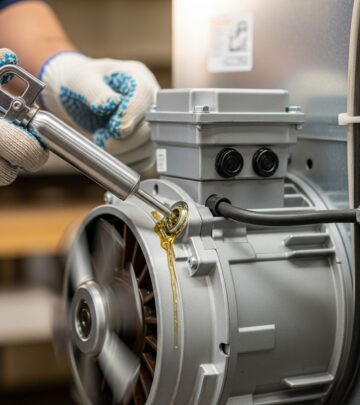
DIY lubrication extends life temporarily: Remove the motor cover, locate oil ports, and add 3-5 drops of SAE 20 non-detergent oil. Rotate blades manually to distribute. However, persistent grinding warrants professional motor swap, as inducer failures halt ignition for safety.
Fixing Humming Without Fan Movement
A humming motor that doesn’t spin indicates electrical faults, typically a failing start capacitor. These components provide torque boost; when weak, the motor buzzes futilely. Discharge the capacitor safely with an insulated screwdriver before testing.
Replace with an identical microfarad-rated unit, matching voltage specs. Wire per diagram: Common to fan common, other to start winding. If unsure, consult a technician—capacitor swaps restore function in under 30 minutes but require precision.
Optimizing Vent Pipe Configuration
Excessive roaring from exhaust often results from short, straight pipes lacking sound attenuation. Manufacturer guidelines specify minimum lengths and elbow counts to dampen noise via friction. Extend piping if compliant, adding 90-degree elbows to break airflow velocity without exceeding backpressure limits.
Avoid restrictions that trip pressure switches. Upsizing diameter rarely helps, as noise originates from combustion turbulence, not velocity alone. Ensure proper pitch for condensate drainage back to the trap, preventing gurgling adds.
Integrated System Checks: Filters, Ducts, and Blowers
Vent noise amplifies from upstream restrictions. A clogged filter starves airflow, straining the inducer. Replace monthly during peak use with pleated MERV 8-11 media. Open all registers; clear furniture blockages.
Loose ductwork vibrates sympathetically, mimicking vent issues. Seal joints with mastic and hangers. Blower imbalances contribute—balance by adjusting pulley sheaves or belts if belt-driven.
Tools and Materials for DIY Repairs
- Multimeter for capacitor testing
- Allen wrenches and sockets for loosening
- High-temp grease and SAE 20 oil
- Shop vacuum and soft brushes
- Replacement capacitors (match specs)
- Thread sealant for vent extensions
Stock spares based on your model; consult the manual for part numbers.
When to Call a Professional
DIY suits minor fixes, but gas-related components demand expertise. If noise accompanies shutdowns, error codes, or ignition failure, pros diagnose control boards, pressure switches, or heat exchanger cracks. Warranty voids from improper work make certified service essential for condensing units.
Preventive Maintenance Schedule
Annual tune-ups extend vent life: Clean inducer, lubricate bearings, inspect vents. Run furnace pre-season to detect issues early. Monitor for escalating noise, addressing within weeks.
| Frequency | Task |
|---|---|
| Monthly | Filter change, vent clearance |
| Seasonally | Visual inspection, lubrication |
| Annually | Pro tune-up, capacitor check |
Frequently Asked Questions
Why does my furnace power vent roar outside?
Short exhaust runs amplify burner roar; extend piping or add elbows per specs.
Can I ignore intermittent rattling?
No—debris or looseness worsens, risking motor burnout or blockages.
Is capacitor replacement DIY-safe?
Yes, if experienced with electrics; discharge first and match ratings exactly.
How do I know if bearings are failing?
Progressive whirring to grinding, plus heat from the motor housing.
Does vent noise affect efficiency?
Yes—strain increases energy use and shortens component life.
Long-Term Solutions for Quiet Operation
Upgrade to variable-speed inducers for smoother, quieter runs. Insulate pipes to reduce transmitted vibrations. Smart thermostats monitor runtime, alerting to anomalies via apps. These investments yield savings outweighing upfront costs, especially in cold climates.
Maintaining a silent power vent ensures reliable heat without disturbance. Regular vigilance turns potential breakdowns into simple upkeep, preserving system longevity.
References
- Furnace Making a Buzzing Noise? Learn Why and What to Do — Trane. 2023-01-15. https://www.trane.com/residential/en/resources/troubleshooting/gas-furnaces/furnace-making-buzzing-noise/
- Furnace Exhaust Fan: Fix 3 Common Problems — Southern Air. 2024-05-20. https://www.southern-air.com/blog/furnace-exhaust-fan
- 8 Common Furnace Noises (And What They Mean) — A.J. Perri. 2023-10-10. https://www.ajperri.com/blog/what-is-that-noise-coming-from-my-furnace
- Noisy Furnace? – Top 5 Fixes | Repair and Replace — AMRE Supply (YouTube). 2018-11-01. https://www.youtube.com/watch?v=WkHgeTITioE
Similar Articles



Read full bio of Sneha Tete