15 Silent Home Problems That Can Cost You Big (and How to Stop Them Early)
Spot small warning signs before they turn into expensive disasters.
15 Silent Home Problems You Should Never Ignore
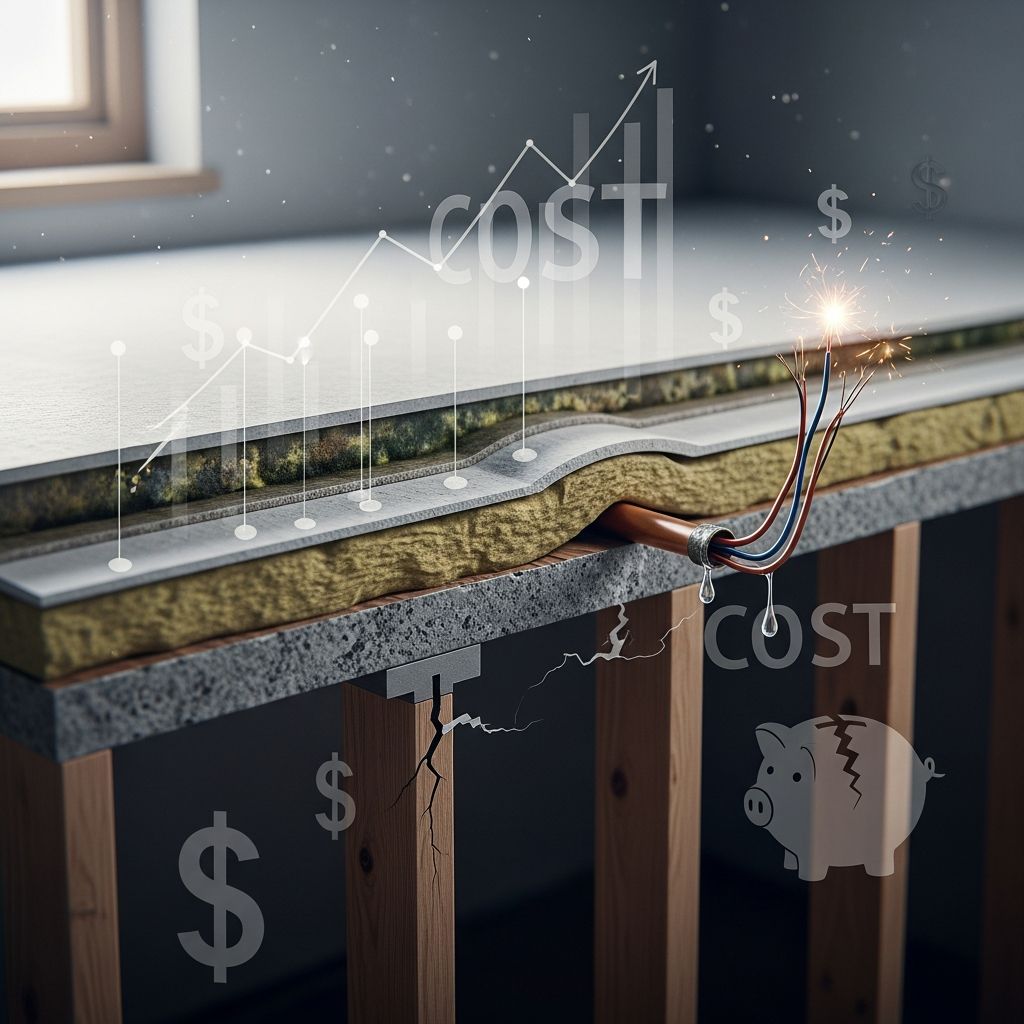
Many serious home disasters start as small, quiet problems: a faint drip, a hairline crack, a musty smell, or a light that flickers once in a while. Left alone, these subtle clues can lead to structural damage, mold growth, fire hazards, and repair bills that easily run into the thousands.
This guide walks through 15 often-overlooked warning signs, explains why they matter, and outlines practical steps you can take to protect your home, your budget, and your health.
1. Tiny Roof Leaks and Ceiling Stains
A small brown ring on the ceiling or a bit of damp drywall may not look like much, but it often signals a roof leak or plumbing issue that can quickly worsen. Water follows gravity and framing, so the visible stain is usually the end of a longer path of moisture.
- Check your attic or the space above the stain for wet insulation, darkened wood, or active drips.
- Look for missing shingles, damaged flashing around chimneys, or cracked sealant where vents penetrate the roof.
Waiting lets moisture weaken framing, feed mold growth, and damage electrical components. It is almost always cheaper to address a leak when it is first visible than after it has spread across multiple rooms.
2. Musty Odors and Hidden Moisture
Persistent musty smells in basements, bathrooms, closets, or near exterior walls usually point to excess moisture. Even when surfaces look dry, relative humidity can be high enough to allow mold and mildew to form on the back of walls, under flooring, or on stored items.
- Use a hygrometer to check humidity; aim for roughly 30–50% indoors.
- Inspect behind stored boxes, under sinks, and along baseboards for discoloration, soft spots, or visible mold.
If odor persists despite cleaning and ventilation, the source may involve leaks, foundation seepage, or poor bathroom and laundry exhaust, all of which can undermine indoor air quality and trigger respiratory issues.
3. Cracks in Walls, Floors, and Foundation
Not every crack is a crisis, but some are early signs of movement in your structure or foundation. Hairline cracks in drywall are common as a house settles, while wider or rapidly growing cracks can indicate shifting soil, drainage problems, or structural stress.
- Monitor cracks with a pencil mark or dated tape to see if they widen over time.
- Pay special attention to stair-step cracks in masonry, cracks wider than a few millimeters, or doors and windows that suddenly become difficult to open.
Addressing grading, drainage, and water management outside often stops minor movement. When cracks are significant, a structural professional can determine whether reinforcement or foundation repair is necessary.
4. Doors and Windows That Stick
Doors that rub on the frame or windows that are suddenly hard to open do more than annoy you. Changes in how they fit can reflect shifting framing, swelling from moisture, or even foundation movement.
- Test multiple doors and windows; if issues cluster in one area, look nearby for water intrusion or structural changes.
- Check for gaps where daylight shows through, drafts around the trim, or spongy sections of flooring near the frames.
Sometimes repainting or planing a door is enough, but recurring problems along with cracks in walls or floors deserve deeper investigation.
5. Peeling Paint, Bubbling Surfaces, and Swollen Wood
Paint that blisters, peels, or bubbles indoors or on exterior trim often reveals trapped moisture. Similarly, baseboards, window sills, or door frames that swell or turn soft to the touch have likely been absorbing water for some time.
- Probe suspect wood gently with a screwdriver; if it sinks easily, rot may already be present.
- Track down potential water sources such as leaky windows, failing caulk, damaged siding, or plumbing inside walls.
Simply repainting over damp or damaged surfaces does not solve the problem and can hide the spread of rot, which in turn attracts pests and undermines structural integrity.
6. Flickering Lights and Hot Electrical Fixtures
Electric issues often give subtle early warnings: lights that dim when appliances start, warm or buzzing switches, or outlets that intermittently lose power. These signs can signal overloaded circuits, loose connections, or aging components.
- Periodically feel switch plates and outlet covers; they should not feel hot to the touch.
- Note whether flickering is limited to a single fixture or affects an entire room or circuit.
Because faulty wiring is a common cause of residential fires, recurring electrical problems should never be ignored or masked with extension cords or adapters.
7. Frequently Tripping Breakers
A single breaker that occasionally trips when multiple high-draw appliances run at once may simply indicate a heavily loaded circuit. However, consistent tripping, especially on different circuits, is a red flag.
- Take note of what is in use when the breaker trips: space heaters, hair dryers, microwaves, and window air conditioners all place heavy demands on wiring.
- Inspect the panel visually for scorch marks, corrosion, or labels that do not match the actual room layout.
If you find yourself repeatedly resetting breakers or using power strips to work around limits, the electrical system likely needs evaluation and possibly an upgrade for safety.
8. Slow Drains, Gurgling Pipes, and Sewer Odors
Drains that are consistently slow, make gurgling sounds, or cause water to back up in other fixtures often indicate more than a simple hair clog. Air in the lines, partial blockages, or venting issues can all affect how smoothly water leaves your home.
- Pay attention if multiple fixtures drain slowly at the same time, particularly on lower floors.
- Note any sewage or rotten-egg odors coming from sinks, floor drains, or near the yard, which can signal deeper line issues.
Ignoring these clues can lead to messy backups, damage to flooring and walls, and the need for emergency repairs at inconvenient times.
9. Constantly Running or Sweating Toilets
A toilet that runs long after flushing or cycles on and off spontaneously wastes significant water over time. In addition, tanks and bowls that sweat heavily can drip onto flooring, seeping into subfloor materials and baseboards.
- Listen for hissing or refilling sounds when the toilet is not in use.
- Check the floor around the base for sponginess, discoloration, or signs of caulk failure.
Replacing inexpensive internal parts and addressing condensation with ventilation or insulation typically costs far less than repairing rotted flooring or joists later.
10. Unexplained High Water Bills
When your water bill rises without a clear reason, hidden leaks are often to blame. Even small drips from faucets, outdoor spigots, or irrigation lines add up quickly and can indicate more significant issues you cannot see.
- Turn off all fixtures and check whether the water meter still moves; this can reveal even slow leaks.
- Inspect around water heaters, under sinks, and along supply lines for damp spots, corrosion, or mineral buildup.
Quickly identifying and fixing leaks saves money, protects the building envelope, and helps prevent mold growth behind finishes.
11. Drafts, Cold Spots, and Rising Energy Costs
Rooms that never feel comfortable, even when heating and cooling equipment runs constantly, suggest air leaks or poor insulation. Drafts around windows, doors, and outlets make your system work harder and increase utility bills.
- On a windy day, hold a tissue near window frames, door weatherstripping, and electrical outlets on exterior walls to see if it moves.
- Compare temperature differences between rooms with a simple indoor thermometer.
Sealing gaps, adding insulation where accessible, and tuning your HVAC system can dramatically improve comfort and efficiency.
12. Noisy HVAC Systems and Poor Airflow
Heaters and air conditioners naturally make some noise, but rattling, banging, screeching, or grinding sounds are signals that components may be loose or failing. Likewise, weak airflow from vents in one part of the home can suggest duct blockages, leaks, or undersized runs.
- Replace or clean filters regularly so they do not restrict airflow.
- Walk room to room while the system runs to check for vents that blow noticeably weaker than others.
Routine maintenance helps prevent breakdowns during extreme weather and can extend the life of expensive equipment.
13. Visible Pests, Droppings, or Gnaw Marks
Occasional insects or a mouse sighting might seem minor, but pests multiply quickly and cause damage far beyond what is visible. Rodents chew insulation and wiring, while termites and carpenter ants target wood framing.
- Look for small droppings in cabinets, utility rooms, and along baseboards.
- Inspect stored items, attic spaces, and crawlspaces for nests, shredded materials, or sawdust-like frass.
Fast action—sealing entry points, storing food properly, and consulting pest control if needed—prevents infestations from compromising your home’s structure and hygiene.
14. Loose Handrails, Wobbly Steps, and Unstable Decks
Anything you rely on for balance and support should feel solid and dependable. Wobbly railings, soft deck boards, and uneven steps are more than cosmetic flaws; they are safety hazards that cause falls and serious injuries.
- Press on railings and balusters; there should be no significant movement or creaking.
- Probe deck boards and stair treads where they meet supports to check for rot or loose fasteners.
Timely reinforcement, replacement of damaged lumber, and proper sealing of exposed wood preserve both safety and property value.
15. Non-Working Safety Devices
Smoke alarms, carbon monoxide detectors, and fire extinguishers are easy to forget until they are needed most. Dead batteries, expired units, or devices that were never installed leave you vulnerable in an emergency.
- Test alarms regularly using their built-in buttons, and replace batteries on a consistent schedule.
- Confirm the manufacturing or expiration dates on extinguishers and detectors, and replace outdated units.
Maintaining these simple safety devices is one of the fastest and least expensive ways to protect your household.
Quick Reference: Problems and Consequences
| Warning Sign | Possible Risk | Why You Should Act |
|---|---|---|
| Ceiling stains or damp drywall | Roof or plumbing leaks | Prevents structural damage and mold growth |
| Musty odors and high humidity | Hidden moisture and mold | Improves indoor air quality and health |
| Cracks and sticking doors | Foundation or framing movement | Avoids costly structural repairs |
| Flickering lights or hot outlets | Electrical faults and fire risk | Reduces chance of electrical fires |
| Slow drains and gurgling pipes | Clogs or sewer line problems | Prevents backups and water damage |
| Drafts and rising energy bills | Poor insulation and air leaks | Lowers energy costs and increases comfort |
| Visible pests or droppings | Infestation and material damage | Protects wiring, wood, and stored items |
| Loose railings and steps | Fall and injury hazards | Improves everyday safety |
Simple Habits to Catch Problems Early
Most serious home issues become visible long before they become emergencies. Building a few inspection habits into your routine makes it much easier to catch concerns while they are still affordable and manageable.
- Walk your home monthly, inside and out, looking for new stains, cracks, or unusual smells.
- Schedule seasonal checks for gutters, roof surfaces you can see from the ground, and exterior caulking.
- Keep a household notebook or digital checklist where you log what you notice and when you address it.
Frequently Asked Questions
How do I know if a crack is serious?
Cracks that are hairline and do not grow over time are usually cosmetic, especially in older homes. Cracks that widen, run diagonally from doors or windows, or appear as stair-step patterns in brick or block are more concerning and may justify a professional opinion.
When should I call a professional instead of doing it myself?
Tasks that involve electrical systems, gas lines, major structural changes, or roofs that are steep or high are usually best left to licensed professionals. Likewise, if you feel unsure about the source of a problem—such as unexplained odors or major moisture—expert diagnosis can prevent missteps that cost more later.
How often should I check for leaks?
A quick monthly walkthrough to look under sinks, around toilets, near water heaters, and along basement walls is usually enough to catch early signs of leaks. Combine this with a seasonal review of outdoor spigots, irrigation lines, and areas where utilities enter the home.
Are minor electrical problems really that dangerous?
Yes. Repeated tripped breakers, warm outlets, and frequent bulb failures can point to overloaded circuits or loose connections that overheat wiring. Addressing these signals early greatly reduces the risk of electrical fires and loss of property.
What is the most cost-effective maintenance step I can take?
Staying proactive—by changing HVAC filters, sealing drafts, maintaining gutters, and responding quickly to leaks—often yields the greatest return. These small, regular tasks reduce wear on major systems and head off many of the problems described in this guide.
By paying attention to these subtle warning signs and adopting a routine of simple inspections, you can protect your investment, avoid emergencies, and keep your home safer and more comfortable year-round.
Similar Articles







Read full bio of medha deb