Silent Signs You Have A Damaged Roof: 11 Early Warnings
Learn the hidden warning signs of roof damage before costly repairs become necessary.
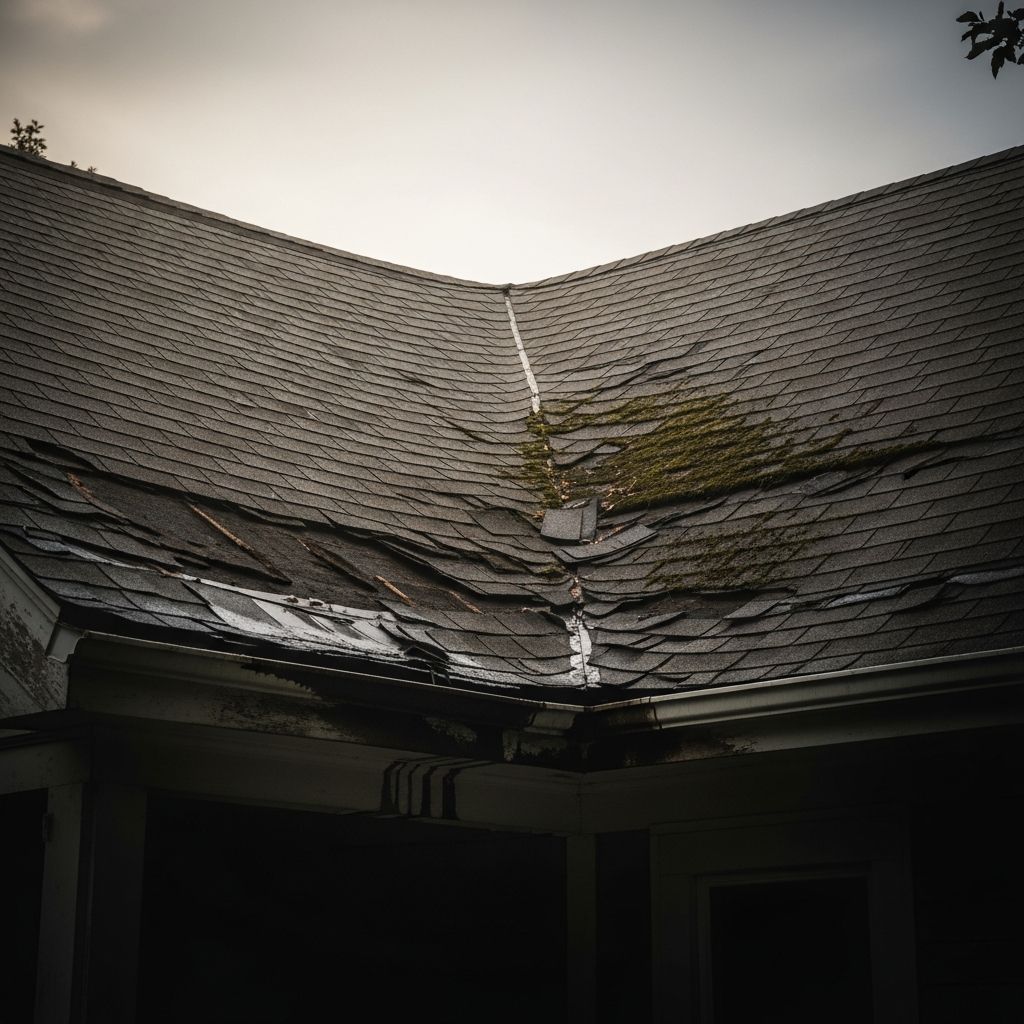
Your roof is one of the most critical components of your home’s structure, protecting everything beneath it from the elements. Yet many homeowners don’t think about their roofs until something goes dramatically wrong. By that time, what might have been a simple repair has often become an expensive, extensive restoration project. Learning to identify the silent signs of roof damage can save you thousands of dollars in repairs and prevent serious structural damage to your home.
The challenge with roof damage is that many problems develop gradually and silently, hidden from plain view. While some damage is obvious—like missing shingles after a storm—many warning signs are subtle and easy to miss if you don’t know what to look for. This guide will help you understand these silent indicators and empower you to take action before minor issues become major problems.
What Causes Roof Damage?
Understanding what causes roof damage is the first step in prevention. Several factors can compromise your roof’s integrity:
- Weather conditions: High winds, heavy rain, hail, and snow all place stress on roofing materials
- Age and weathering: Over time, UV rays, temperature fluctuations, and moisture break down shingles and sealants
- Poor installation: Improper installation can leave your roof vulnerable from day one
- Inadequate maintenance: Neglecting regular inspections and cleaning allows small problems to grow
- Tree damage: Overhanging branches, falling limbs, and debris accumulation can damage roofing materials
- Flashing issues: Damaged or improperly installed flashing around chimneys, vents, and skylights creates water entry points
- Pest damage: Birds, squirrels, and insects can create holes and gaps in roofing materials
Interior Water Stains and Ceiling Damage
One of the most telltale signs of roof damage is water damage inside your home. If you notice water stains on your ceiling or upper walls, this indicates that water is penetrating your roof and finding its way into your interior spaces. These stains often appear as discolored patches, sometimes with a yellowish or brownish tint.
Water stains can appear in several locations within your home, including:
- Ceilings in upper floors and attics
- Upper interior walls
- Around light fixtures and ceiling fans
- In corners where walls meet ceilings
It’s important to note that water stains don’t always appear directly below the leak location. Water can travel along rafters and structural elements before dripping into your living space, making the actual leak location difficult to pinpoint without professional inspection. If you notice any water stains, it’s essential to investigate immediately, as prolonged water exposure can lead to mold growth, wood rot, and structural damage.
Sagging or Uneven Roof Lines
A sagging or visibly uneven roof line is a serious red flag that demands immediate professional attention. This sign indicates that your roof structure has been compromised, often by prolonged water damage, inadequate support, or structural defects. When you look at your roof from the street or from a distance, it should appear straight and level along the roofline.
A sagging roof can be caused by:
- Rotted or deteriorated wooden support structures
- Inadequate attic ventilation leading to condensation and wood decay
- Heavy accumulation of snow, ice, or debris
- Poor original construction or insufficient framing
- Water damage that has weakened structural components
This is not a cosmetic issue—a sagging roof is a structural problem that compromises the safety and integrity of your entire home. Professional roofers can assess whether the problem is superficial or requires structural repairs.
Missing, Cracked, or Curling Shingles
Your shingles are the first line of defense against the elements. When shingles are missing, cracked, or curling, they can no longer provide adequate protection. While occasional missing shingles from a severe storm are obvious, gradual deterioration is often overlooked.
Signs of shingle problems include:
- Bald spots: Areas where the protective granules have worn away, exposing the asphalt beneath
- Curling edges: Shingles that have lifted at the edges, often due to age, heat exposure, or moisture
- Buckling: Shingles that appear wavy or distorted rather than laying flat
- Missing pieces: Gaps where shingles have completely blown away or deteriorated
- Visible cracks: Splits or fissures in individual shingles
- Loose shingles: Shingles that move or flap in the wind
Asphalt shingles typically last 15 to 20 years, depending on climate and maintenance. If your roof is approaching this age and you notice these signs, it may be time for replacement rather than patching.
Granule Loss and Deterioration
The granules on asphalt shingles serve an important purpose: they protect the underlying asphalt from UV rays and provide weather protection. As shingles age, these granules gradually wear away, which is normal. However, excessive granule loss is a sign that your roof is deteriorating faster than it should.
You can check for granule loss by:
- Looking at your gutters and downspouts for an accumulation of small pebble-like pieces
- Examining the shingles up close for areas where the dark asphalt is visible through worn spots
- Checking for bare patches on the roof surface
- Looking for a thinning appearance where the shingles used to look thicker and more textured
Significant granule loss in patches indicates that those areas are vulnerable to further deterioration. It may not require immediate roof replacement, but it’s a sign that your roof’s life expectancy is diminishing and you should plan accordingly.
Flashing Damage and Deterioration
Flashing is the material (usually metal) that seals the areas where your roof meets vertical elements like chimneys, skylights, vent pipes, and the walls of upper stories. Flashing prevents water from seeping into these vulnerable areas. When flashing is damaged or deteriorated, water can easily penetrate your roof.
Signs of flashing problems include:
- Visible rust or corrosion on metal flashing
- Gaps or separations between flashing and the roof surface
- Cracked or broken flashing material
- Missing sealant or caulking around flashing edges
- Water stains appearing around chimneys, skylights, or vents
- Exposed fasteners where sealant has failed
Flashing problems are particularly insidious because they can cause water damage that appears to be coming from elsewhere on the roof. If water stains seem concentrated around a chimney or vent, flashing damage should be one of your first suspects.
Mold, Mildew, and Moss Growth
The presence of moss, algae, or dark streaks on your roof indicates that moisture is accumulating and not draining properly. While some growth might seem cosmetic, it’s actually a warning sign that conditions on your roof favor moisture retention.
Problems associated with roof growth include:
- Moisture accumulation: Moss and algae trap moisture against shingles, accelerating deterioration
- Structural damage: Extended moisture exposure promotes wood rot in roof decking and framing
- Shortened shingle life: Moisture and fungal growth break down asphalt shingles faster
- Drainage issues: Accumulated debris from moss and algae can block gutters and downspouts
- Mold in the attic: Moisture problems that begin on the roof can lead to mold growth in attic spaces
Additionally, if you notice mold or mildew in your attic (visible as dark spots or smelling a musty odor), this indicates that moisture is penetrating into your roof system. This is a serious issue requiring professional assessment and remediation.
Gutter Problems and Debris Accumulation
Your gutters work in conjunction with your roof system to channel water away from your home’s structure. When gutters are clogged, damaged, or pulling away from the fascia, they cannot perform this critical function, and water backs up under shingles or pools on the roof.
Signs of gutter-related roof problems include:
- Gutters that are overflowing with debris or water
- Visible gaps between gutters and the fascia board
- Sagging gutters that don’t slope toward downspouts
- Water stains on the fascia board or soffit
- Erosion near the foundation from water pouring off damaged gutters
- Excessive debris accumulation on the roof itself
Regular gutter cleaning and maintenance is essential for roof health. At minimum, clean gutters twice per year—in spring after trees have finished blooming and in fall after leaves have fallen.
Attic Inspection: What to Look For
Sometimes the best place to inspect your roof is from inside your attic. An attic inspection can reveal moisture problems, wood rot, pest damage, and ventilation issues that aren’t visible from the exterior.
During an attic inspection, look for:
- Light coming through the roof: Any visible daylight indicates holes or gaps in your roof
- Water stains on wood: Dark discoloration on rafters, joists, or sheathing indicates water damage
- Soft or spongy wood: Wood that feels soft or crumbly has likely rotted from moisture exposure
- Mold or mildew: Black or dark green spots on wood or insulation indicate fungal growth
- Evidence of pests: Droppings, nesting materials, or visible damage from rodents or insects
- Inadequate ventilation: Excessive heat, condensation, or lack of proper airflow
- Improper or deteriorated insulation: Wet, compressed, or moldy insulation indicates moisture intrusion
If you’re uncomfortable climbing into your attic or accessing tight spaces, a professional roofer can perform this inspection safely and identify problems you might miss.
Age of Your Roof
The age of your roof is one of the most straightforward factors in determining whether roof damage is likely. Most asphalt shingle roofs last between 15 and 25 years, depending on climate, maintenance, and quality of materials and installation.
If your roof is in this age range, you should:
- Schedule annual professional inspections
- Pay particular attention to any of the warning signs mentioned above
- Consider planning for roof replacement if damage becomes apparent
- Invest in preventative maintenance to extend roof life
You can determine your roof’s age by checking your home inspection records, asking previous owners, or examining roofing permits filed with your local building department. If you know the roof’s installation date, you’ll be better prepared to address age-related deterioration.
Wind Damage After Storms
High winds during storms can cause significant damage that might not be immediately obvious. After severe weather, inspect your roof for:
- Lifted, bent, or missing shingles
- Exposed underlayment or roof decking
- Damaged or separated ridge caps
- Dented or bent metal elements like flashing or vents
- Debris embedded in or scattered across the roof
Wind damage may also displace shingles in ways that allow water to infiltrate beneath them, even if the shingles aren’t completely missing. The damage might not cause leaks for weeks or months, making it a particularly insidious form of roof damage.
Vent and Pipe Damage
Roof penetrations—areas where plumbing vents, HVAC vents, and other pipes pass through the roof—are particularly vulnerable to damage and leaks. The rubber boots that seal these penetrations deteriorate over time.
Signs of vent and pipe damage include:
- Cracked or deteriorated rubber boots around vents
- Missing or damaged sealant around the base of pipes
- Visible gaps between pipes and the surrounding shingles
- Water stains appearing around these penetrations inside your home
These areas should be inspected annually and resealed or repaired as needed to prevent water intrusion.
When to Call a Professional Roofer
While some roof maintenance tasks can be done by homeowners, certain situations require professional assessment:
- Any visible water stains inside your home
- Sagging or uneven rooflines
- Extensive missing or damaged shingles
- Suspected mold or moisture in the attic
- Damaged flashing or roof penetrations
- Roof age approaching 20 years with visible deterioration
- After severe storms or high winds
A professional roofer can access your roof safely, identify problems that might not be visible from the ground, and recommend appropriate repairs or replacement. Many roofers offer free inspections and estimates.
Preventative Maintenance Tips
Extending your roof’s life and preventing damage involves regular maintenance:
- Clean gutters regularly: At least twice yearly to ensure proper water drainage
- Trim overhanging branches: Prevent damage from falling limbs and reduce debris accumulation
- Remove moss and algae: Use appropriate cleaning methods to prevent moisture accumulation
- Inspect flashing: Check around chimneys, skylights, and vents for deterioration
- Ensure proper ventilation: Adequate attic ventilation reduces moisture problems and extends shingle life
- Schedule professional inspections: Annual inspections can catch problems early
- Remove debris promptly: Don’t allow leaves, branches, or other materials to accumulate on the roof
Frequently Asked Questions (FAQs)
Q: How often should I have my roof inspected?
A: You should have your roof professionally inspected at least once per year, and more frequently if your roof is older than 15 years or if you’ve experienced severe weather.
Q: Can I patch a leak instead of replacing the entire roof?
A: For isolated leaks, patching may be possible. However, if your roof is nearing the end of its lifespan or shows widespread damage, replacement may be more cost-effective than repeated repairs.
Q: What’s the cost of a new roof?
A: Roof replacement costs vary widely depending on size, materials, and regional labor rates. Asphalt shingle roofs typically range from $8,000 to $25,000 for an average home, but premium materials cost more.
Q: Is attic ventilation really important?
A: Yes, proper attic ventilation is crucial. It reduces moisture accumulation, prevents mold growth, regulates attic temperature, and significantly extends your roof’s lifespan.
Q: Can I walk on my roof to clean gutters or trim branches?
A: Walking on your roof poses fall risks and can damage shingles. Use ladder safety techniques or hire professionals for roof-related tasks.
Q: How can I tell if my roof is properly installed?
A: Look for proper nailing patterns, adequate overlap between shingles, correctly installed flashing, and no visible gaps or misalignments. A professional inspection is the best way to verify proper installation.
References
- Understanding Roof Maintenance and Repair — International Association of Certified Home Inspectors (InterNACHI). 2024. https://www.nachi.org/roofing.htm
- Residential Roofing Standards and Best Practices — National Roofing Contractors Association (NRCA). 2023. https://www.nrca.net/
- Attic Ventilation and Moisture Control — U.S. Department of Energy, Building Technologies Office. 2023. https://www.energy.gov/energysaver/attic-air-sealing-and-ventilation
- Asphalt Shingle Life Expectancy and Maintenance — Asphalt Roofing Manufacturers Association (ARMA). 2024. https://www.asphaltroofing.org/
- Home Inspection Guidelines for Roof Assessment — American Society of Home Inspectors (ASHI). 2023. https://www.ashi.org/
Similar Articles





Read full bio of Sneha Tete