DIY Cleaners: Simple Ingredient Solutions for Every Room
Create effective, natural cleaning solutions using everyday ingredients from your kitchen pantry.
DIY Cleaners: Simple Ingredient Solutions for Every Room in Your House
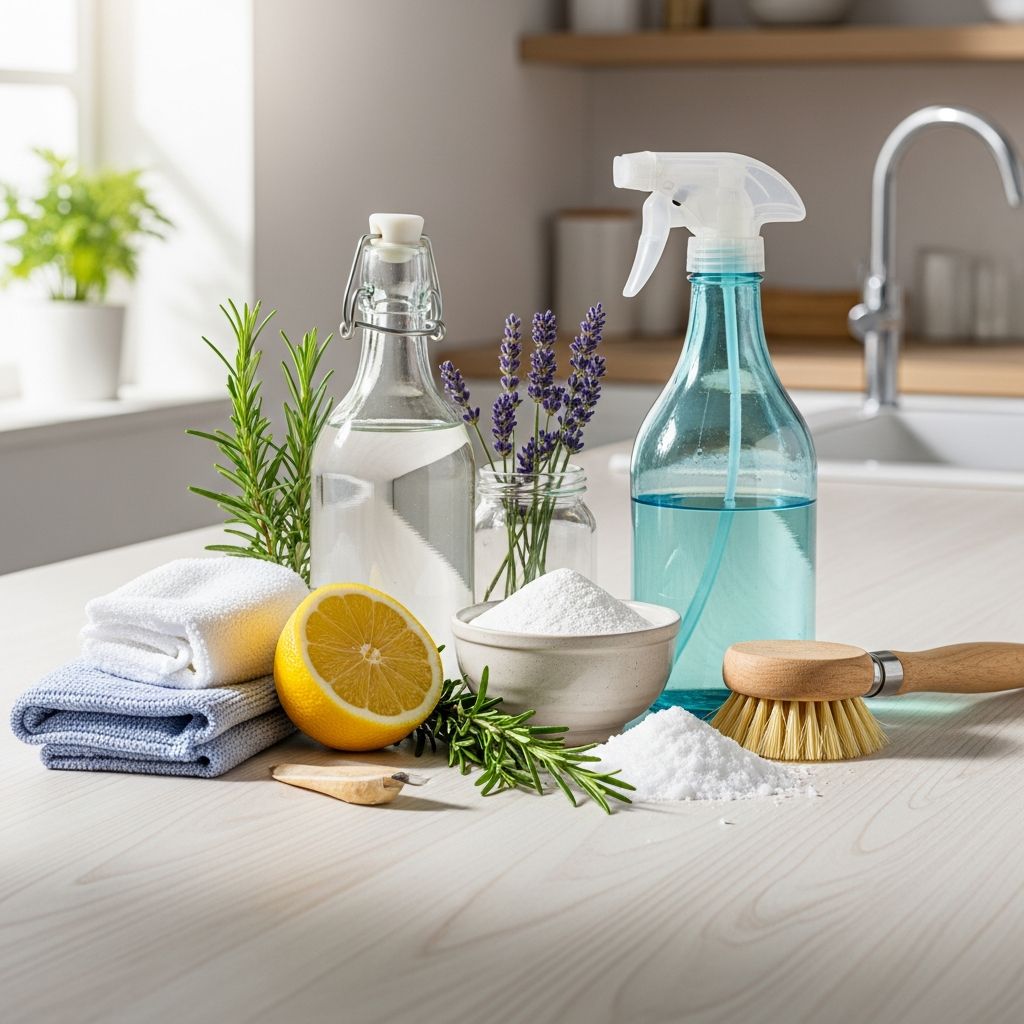
Keeping your home clean doesn’t always require expensive commercial cleaning products loaded with harsh chemicals. Many of the most effective cleaning solutions can be made right in your own kitchen using simple, everyday ingredients that you likely already have on hand. Creating your own DIY cleaners is not only cost-effective but also environmentally friendly and safer for your family and pets. In this comprehensive guide, we’ll explore how to make powerful cleaning solutions using basic ingredients like vinegar, baking soda, lemon juice, and dish soap.
Why Make Your Own Cleaning Products
There are numerous advantages to creating your own cleaning solutions at home. Commercial cleaning products often contain toxic chemicals that can be harmful to your health and the environment. Many people experience skin irritation, respiratory issues, or allergic reactions from harsh chemical cleaners. By making your own cleaners, you have complete control over what goes into the products you use around your home.
Additionally, homemade cleaners are significantly more affordable than store-bought alternatives. A bottle of all-purpose cleaner can cost several dollars, while you can create a similar or even superior product for just a few cents using basic pantry staples. This can lead to substantial savings over time, especially for households that go through cleaning products regularly.
- Safer for children and pets
- Cost-effective and budget-friendly
- Environmentally sustainable
- Complete control over ingredients
- Easy to customize for different needs
- Reduces plastic waste and packaging
Essential Ingredients for Homemade Cleaners
Before you start making DIY cleaning solutions, it’s helpful to stock your pantry with a few key ingredients. These versatile items form the foundation for most homemade cleaning recipes and can be used throughout your entire house.
Vinegar
White vinegar is one of the most powerful natural cleaning agents available. It contains acetic acid, which cuts through grease, dissolves mineral deposits, and kills many types of bacteria. Vinegar is particularly effective for cleaning windows, mirrors, and removing hard water stains. It also works well for disinfecting and deodorizing surfaces.
Baking Soda
Baking soda is a mild abrasive that works wonders for scrubbing surfaces without scratching them. It’s excellent for removing stubborn stains, deodorizing carpets and upholstery, and breaking down tough grime. Baking soda also neutralizes odors rather than just masking them, making it perfect for freshening up any room in your home.
Lemon Juice
Fresh lemon juice provides natural acidity similar to vinegar but with a more pleasant scent. Lemon is antibacterial and can help cut through grease and grime. The natural citric acid in lemon juice is also excellent for removing rust stains and brightening surfaces. Plus, lemons leave behind a fresh, clean fragrance that many people prefer to chemical fragrances.
Dish Soap
A small amount of mild dish soap acts as a surfactant, helping to break down oils and grease. It also aids in distributing cleaning solutions evenly across surfaces. Using just a drop or two prevents excessive sudsing while maintaining the cleaning power of your homemade solutions.
Essential Oils
While not strictly necessary, essential oils like tea tree, lavender, or eucalyptus can add natural antibacterial properties and pleasant scents to your cleaning solutions. These optional additions make your homemade cleaners smell fresh and can boost their antimicrobial effectiveness.
All-Purpose Cleaner Recipe
An all-purpose cleaner is one of the most useful products to have on hand for tackling various cleaning tasks throughout your home. This simple recipe creates a versatile solution perfect for countertops, appliances, and most surfaces.
Ingredients:
- 2 cups water
- 2 tablespoons white vinegar
- 1 tablespoon baking soda
- 3-4 drops dish soap
- 10-15 drops essential oil (optional)
Instructions:
- Pour water into a spray bottle
- Add white vinegar and dish soap
- Sprinkle in baking soda gradually, as it will fizz slightly
- Add essential oil if desired
- Shake well before each use
- Spray on surfaces and wipe clean with a cloth or sponge
Glass and Window Cleaner
Streak-free windows and mirrors are achievable without expensive commercial glass cleaners. This homemade recipe cuts through dirt, fingerprints, and smudges while leaving a crystal-clear shine.
Ingredients:
- 1 cup water
- 1 cup white vinegar
- 1 tablespoon rubbing alcohol
- 1 drop dish soap
Instructions:
- Combine all ingredients in a spray bottle
- Shake well to mix thoroughly
- Spray on glass surfaces
- Wipe with newspaper, coffee filters, or microfiber cloth for best results
- Buff dry to prevent streaking
Bathroom Cleaner
Bathrooms require a cleaner that can handle soap scum, mildew, and hard water deposits. This recipe targets these tough bathroom challenges effectively and safely.
Ingredients:
- 1 cup baking soda
- 3 tablespoons water
- 15-20 drops tea tree essential oil
Instructions:
- Mix baking soda and water to create a paste
- Add tea tree oil for antimicrobial properties
- Apply to bathroom surfaces, tiles, and fixtures
- Let sit for 10-15 minutes for stubborn stains
- Scrub with a brush or sponge
- Rinse thoroughly with water
Kitchen Degreaser
Cutting through kitchen grease requires a powerful degreaser. This recipe tackles tough cooking oil and food residue without harsh fumes or dangerous chemicals.
Ingredients:
- 2 cups water
- 2 tablespoons white vinegar
- 1 teaspoon baking soda
- 2 tablespoons dish soap
- 10 drops lemon essential oil
Instructions:
- Mix water and vinegar in a spray bottle
- Add baking soda slowly to avoid excessive fizzing
- Add dish soap and lemon oil
- Shake well to combine
- Spray on greasy surfaces and let sit for 5 minutes
- Wipe clean with a cloth or sponge
Floor Cleaner
Different floor types require different cleaning approaches. This gentle yet effective recipe works well on most flooring surfaces, from tile to linoleum.
Ingredients:
- 1 gallon warm water
- 1 cup white vinegar
- 5-10 drops essential oil
- 1 tablespoon dish soap
Instructions:
- Mix warm water with vinegar in a bucket
- Add a small amount of dish soap
- Add essential oil for fragrance
- Stir gently to combine
- Mop floors as usual
- Use sparingly to avoid excessive moisture on wood floors
Note: For wood floors, reduce the vinegar amount or skip it entirely, as excess moisture can damage wood finishes.
Toilet Bowl Cleaner
Toilet bowls need specialized cleaning to remove stains and maintain hygiene. This baking soda and vinegar combination provides powerful cleaning action with a natural fizzing action.
Ingredients:
- 1 cup baking soda
- 1 cup white vinegar
- 10-15 drops essential oil (optional)
Instructions:
- Pour baking soda directly into the toilet bowl
- Add essential oil to the baking soda if desired
- Slowly pour vinegar over the baking soda
- Watch the fizzing action break down stains
- Let sit for 15-30 minutes
- Scrub with a toilet brush
- Flush thoroughly
Carpet and Upholstery Freshener
Remove odors and refresh fabrics naturally without harsh aerosol sprays. This simple dry cleaner is perfect for carpets, couches, and other upholstered items.
Ingredients:
- 2 cups baking soda
- 20-30 drops essential oil
- Glass jar with a shaker lid
Instructions:
- Place baking soda in a glass jar
- Add essential oil drops
- Close the lid and shake vigorously for 2-3 minutes
- Let sit for 24 hours to allow scent to distribute
- Shake again to break up any clumps
- Sprinkle generously on carpets and upholstery
- Let sit for 15-30 minutes
- Vacuum thoroughly
Oven Cleaner
Baked-on food and grease in ovens can be tough to remove, but this natural paste makes the job easier without toxic fumes.
Ingredients:
- 1/2 cup baking soda
- 3 tablespoons water
- 1 teaspoon dish soap
Instructions:
- Mix baking soda, water, and dish soap into a thick paste
- Spread the paste throughout the oven interior, avoiding heating elements
- Let sit overnight or for at least 12 hours
- Spray vinegar on the paste to help break it down
- Wipe out with a damp cloth or sponge
- Repeat as necessary for tough spots
Storage and Safety Tips
Proper storage ensures your homemade cleaners remain effective and safe for your family.
- Use glass containers: Glass spray bottles and storage jars are ideal for homemade cleaners as they don’t react with the ingredients.
- Label clearly: Always label containers with the cleaner type and date made to avoid confusion.
- Store in cool, dark places: Keep cleaners away from direct sunlight and heat to maintain their effectiveness.
- Keep away from children and pets: While natural, these cleaners can still cause irritation if ingested or misused.
- Never mix chemicals: Don’t combine different cleaning solutions, as this can create harmful reactions.
- Shelf life: Most homemade cleaners last 2-3 months when stored properly.
Frequently Asked Questions
Q: Can I use apple cider vinegar instead of white vinegar?
A: While apple cider vinegar can work, white vinegar is preferred for cleaning because it doesn’t contain sugars that could leave residue. It’s also less likely to stain surfaces.
Q: Is baking soda safe for all surfaces?
A: Baking soda is generally safe but should be used sparingly on delicate surfaces. Test on inconspicuous areas first, and avoid using on natural stone countertops like marble or granite, as the mild abrasive can dull finishes.
Q: Can I add fragrance to my cleaners?
A: Yes, essential oils work great for fragrance. Popular choices include lemon, lavender, eucalyptus, and tea tree. Use 10-15 drops per batch. You can also add fresh herbs like mint or rosemary.
Q: How long do homemade cleaners last?
A: Most homemade cleaners last 2-3 months when stored in cool, dark places. Solutions with essential oils may last slightly longer due to their preservative properties.
Q: Are homemade cleaners effective on tough stains?
A: Yes, homemade cleaners are often very effective on tough stains. For stubborn stains, allow the cleaner to sit longer before scrubbing, and don’t hesitate to make a thicker paste or increase the concentration of active ingredients.
Q: Can I use these cleaners on wooden furniture?
A: Use caution with wooden furniture. Vinegar can strip finishes, so dilute heavily or use only lemon juice instead. Test on a hidden area first before applying to visible surfaces.
Conclusion
Creating your own DIY cleaners using simple household ingredients is an effective, economical, and environmentally responsible approach to maintaining a clean home. From all-purpose cleaners to specialized solutions for bathrooms and kitchens, these recipes provide powerful cleaning performance without the expense and health concerns associated with commercial products. By stocking your pantry with basic ingredients like vinegar, baking soda, lemon juice, and dish soap, you’ll have everything needed to keep every room in your house sparkling clean. Start experimenting with these recipes today and discover how simple ingredients can deliver professional-quality cleaning results.
References
- Household Products Containing Acetic Acid — U.S. Environmental Protection Agency (EPA). https://www.epa.gov/
- The Antimicrobial Properties of Baking Soda — National Center for Biotechnology Information (NCBI). https://www.ncbi.nlm.nih.gov/
- Natural Cleaning Agents and Their Effectiveness — University Extension Services. https://www.extension.org/
- Essential Oils for Household Cleaning — American Cleaning Institute. https://www.cleaninginstitute.org/
- Safe Cleaning Practices for Homes with Children and Pets — American Academy of Pediatrics (AAP). https://www.healthychildren.org/
Similar Articles




Read full bio of medha deb