Single-Hung vs. Double-Hung Windows: A Complete Comparison Guide
Compare single-hung and double-hung windows: costs, efficiency, ventilation, and maintenance differences.
Understanding Single-Hung vs. Double-Hung Windows
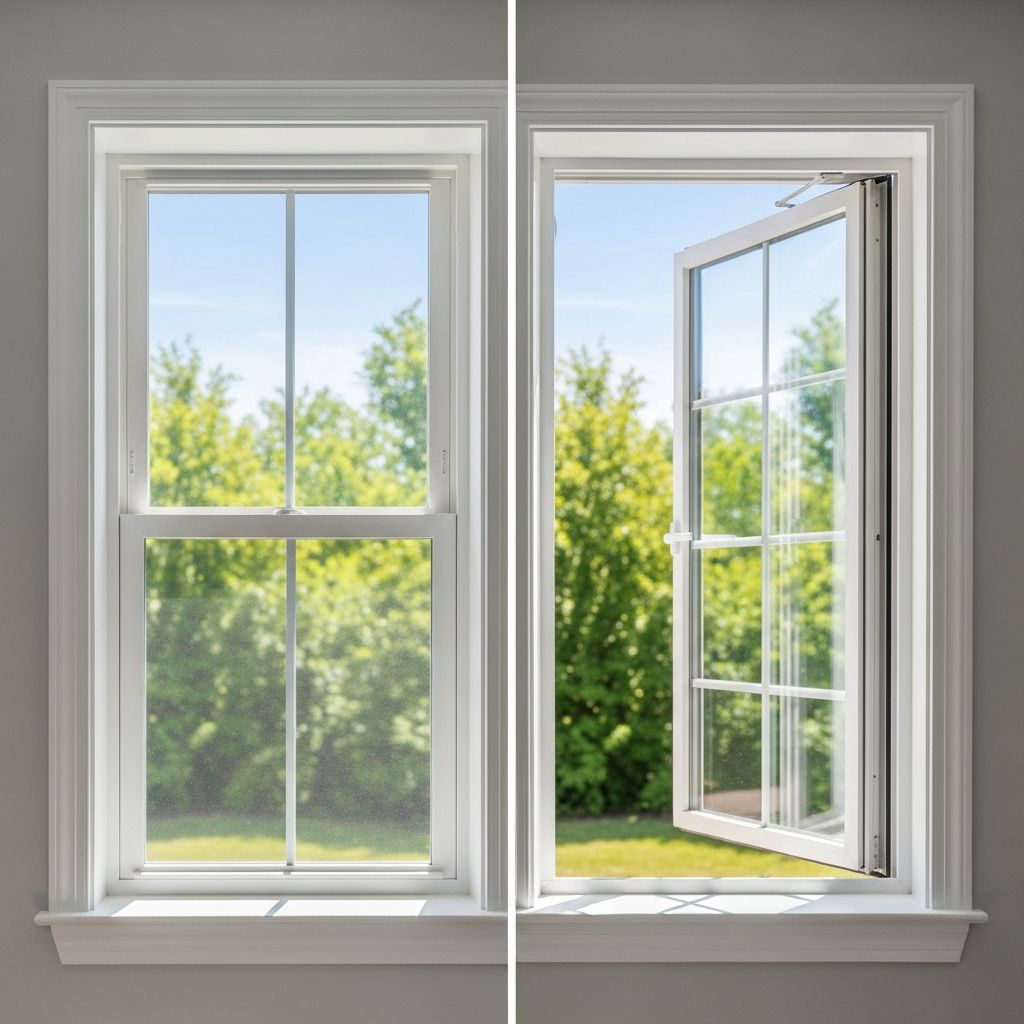
When it comes to selecting windows for your home, understanding the differences between single-hung and double-hung windows is essential. Both styles are popular among homeowners, but they offer distinct advantages and disadvantages depending on your specific needs, budget, and home design. Single-hung windows feature a fixed upper sash and a movable lower sash, while double-hung windows allow both the upper and lower sashes to move vertically. This fundamental difference impacts everything from cost and energy efficiency to ventilation and maintenance requirements.
The choice between these two window types can significantly affect your home’s comfort, energy bills, and overall aesthetic appeal. In this comprehensive guide, we’ll explore the key differences between single-hung and double-hung windows to help you make an informed decision for your home improvement project.
What Are Single-Hung Windows?
Single-hung windows are a classic and straightforward window design that has been used in residential and commercial buildings for decades. In a single-hung window configuration, the upper sash remains permanently fixed in place, while only the lower sash moves vertically to open and close. This simple design means that when you open a single-hung window, you’re only creating an opening at the bottom of the window frame.
Single-hung windows are particularly popular in new construction, apartment buildings, and office spaces because of their simplicity and cost-effectiveness. They work exceptionally well on the first floor of homes, where the fixed upper sash doesn’t tilt into the room, making them easier to manage and secure. The design is also ideal for maintaining a classic aesthetic, especially in traditional or Craftsman-style homes where maintaining historical accuracy is important.
What Are Double-Hung Windows?
Double-hung windows represent a more versatile window design that offers enhanced functionality compared to their single-hung counterparts. In a double-hung window, both the upper and lower sashes are fully operational and can move vertically within the frame. This means you can open just the bottom sash, just the top sash, or both sashes simultaneously, depending on your ventilation needs.
One of the distinctive features of many double-hung windows is their tilt-in capability, which allows both sashes to tilt inward toward the room. This feature significantly improves accessibility and makes cleaning much more convenient, as you can easily access both the interior and exterior surfaces of the glass from inside your home. Double-hung windows are designed for flexibility and ease of use, making them an excellent choice for homeowners who prioritize comfort and convenience.
Cost Comparison: Single-Hung vs. Double-Hung Windows
One of the most significant factors influencing the window selection decision for many homeowners is the cost. Single-hung windows are notably more affordable than double-hung windows, primarily due to their simpler construction and fewer moving parts. On average, single-hung windows typically cost between $100 and $400 per window, while double-hung windows generally range from $150 to $650, with many models settling in the $250 to $400 range.
The price difference reflects the engineering and manufacturing complexity. Single-hung windows require less precision in manufacturing because only one sash needs to move smoothly, whereas double-hung windows require careful alignment of two independent sashes. Installation costs also tend to be lower for single-hung windows because the installation process is more straightforward, and there are fewer moving parts to secure properly.
The material you choose for your windows significantly impacts the overall cost. Vinyl windows are typically the most affordable option, fiberglass windows fall in the mid-range, and wooden frames are usually the most expensive due to their aesthetic appeal and durability. When budgeting for your window replacement project, consider that mixing single-hung and double-hung windows throughout your home can help you achieve a cohesive look while managing costs more effectively.
Cost Factors to Consider
Beyond the base window price, several additional factors can influence your total window replacement investment. Installation complexity, the size and number of windows, removal of existing windows, and any necessary framing adjustments all contribute to your final cost. High-quality installation ensures optimal performance and longevity of your windows, so it’s worth prioritizing professional installation even if it adds to your initial expense.
Energy Efficiency: Which Windows Perform Better?
Energy efficiency is a crucial consideration for homeowners looking to reduce utility bills and minimize environmental impact. Single-hung windows generally offer superior energy efficiency compared to double-hung windows, primarily because of their simpler design and fewer moving parts. With fewer opportunities for air infiltration and a more streamlined construction, single-hung windows help reduce energy loss and improve overall savings on utility bills.
However, this advantage must be weighed against the functionality benefits of double-hung windows. Double-hung windows, while having slightly more potential for air infiltration due to their complexity, can actually contribute to energy savings through their superior ventilation capabilities. By allowing circular ventilation—where warm air exits through the top sash while cool air enters through the bottom sash—double-hung windows can reduce reliance on air conditioning during mild weather, potentially offsetting their slightly lower energy efficiency rating.
Modern window technology has significantly improved energy performance in both styles. Both single-hung and double-hung windows can be equipped with dual-pane or triple-pane glass, low-emissivity coatings, and insulated frames that minimize thermal transfer between indoors and outdoors. When selecting windows for maximum energy efficiency, focus on features like ENERGY STAR certification, proper sealing, and frame material quality rather than relying solely on whether the window is single-hung or double-hung.
Ventilation Control and Air Circulation
Ventilation is an area where double-hung windows demonstrate a clear advantage over single-hung windows. With double-hung windows, you have significantly more control over your home’s ventilation and air circulation. The ability to open both the top and bottom sashes simultaneously creates what professionals call “circular ventilation.” This occurs when warm air naturally exits through the upper sash while cooler air flows in through the lower sash, creating a beneficial circulation pattern without requiring mechanical cooling.
Single-hung windows provide ventilation control only through the amount you open or close the single bottom sash. This limitation means less flexibility in managing air flow and temperature control. In spaces like kitchens, bedrooms, and living rooms where ventilation is a priority, double-hung windows provide superior performance and greater versatility. You can choose to open just the top sash for heat escape, just the bottom sash for direct fresh air, or both sashes for maximum air circulation.
This enhanced ventilation capability makes double-hung windows particularly valuable during transitional seasons when you want to maximize natural ventilation while maintaining some climate control. The flexibility to operate sashes independently allows you to respond to changing weather conditions and comfort needs throughout the day.
Cleaning and Maintenance Requirements
Maintenance and cleaning ease significantly differ between these two window styles. Single-hung windows have a notable disadvantage when it comes to cleaning the exterior of the upper sash. Since the top sash is fixed and doesn’t tilt inward, you must go outside to properly clean the outside surface of the upper sash. This requirement becomes increasingly inconvenient and potentially hazardous for upper-floor windows, requiring ladders or professional cleaning services.
Double-hung windows offer a significant advantage in this regard. Both sashes tilt inward toward the interior of your home, allowing you to access both the inside and outside surfaces of the glass from within your home. This tilt-in feature makes maintenance much more straightforward and convenient, ultimately saving you time and potentially reducing maintenance costs over the window’s lifetime. For upper-floor windows, this feature is particularly valuable, as you can safely clean windows without requiring exterior access or specialized equipment.
From an operational standpoint, single-hung windows are simpler to maintain because they have fewer moving parts that require lubrication, adjustment, or repair. The single moving sash is less prone to wear and misalignment than the dual sash system in double-hung windows. However, the enhanced convenience of cleaning double-hung windows often outweighs this minor maintenance advantage for many homeowners.
Safety Considerations for Different Window Types
Both window types offer safety features, but they serve different purposes and situations. Single-hung windows provide excellent security on first floors because the upper sash doesn’t tilt into the room, creating a fixed barrier that’s more difficult to breach. Many single-hung windows also feature automatic latching mechanisms when closed, providing extra peace of mind for first-floor bedrooms and other sensitive areas.
Double-hung windows are often considered safer for homes with small children. Parents can open only the upper sash for ventilation while keeping the lower sash securely closed, preventing children from falling out while still allowing fresh air circulation. Additionally, both Infinity and other manufacturers offer optional window control opening devices (WOCDs) for both window types. These safety devices limit how far a window can open while still providing emergency escape routes in case of fire or other emergencies.
Aesthetic and Design Considerations
From a visual perspective, single-hung and double-hung windows appear quite similar at first glance, as both feature two sashes in the frame. The real aesthetic differences emerge in specific architectural contexts. Single-hung windows work particularly well in traditional and historic homes, especially Craftsman-style residences, where they help maintain authentic period details and classic design elements.
Double-hung windows offer slightly more contemporary flexibility and can adapt to various architectural styles. The ability to see both sashes move from outside the home can create a more dynamic appearance, though this is largely a matter of personal preference. The actual operational differences between the two styles have minimal visual impact from the street or exterior view, so your architectural style and personal taste should guide this aspect of your decision.
Comparative Overview Table
| Feature | Single-Hung Windows | Double-Hung Windows |
|---|---|---|
| Average Cost | $100–$400 | $150–$650 |
| Operating Sashes | One (bottom only) | Two (top and bottom) |
| Energy Efficiency | More efficient; fewer moving parts | Slightly less efficient; more air infiltration potential |
| Ventilation Control | Limited; bottom sash only | Superior; circular ventilation possible |
| Cleaning Ease | Exterior top sash requires ladder | Both sashes tilt in; easy interior cleaning |
| Maintenance | Simpler; fewer moving parts | More complex; dual sash system |
| Best For | Budget-conscious; first floors; traditional homes | Homes with children; upper floors; ventilation needs |
Frequently Asked Questions
Which window type is more affordable?
Single-hung windows are significantly more affordable than double-hung windows. Single-hung windows typically cost $100–$400 per window, while double-hung windows range from $150–$650. The price difference reflects the simpler construction and fewer moving parts in single-hung windows, which also translates to lower installation costs.
Are double-hung windows better for upper floors?
Yes, double-hung windows are generally better for upper floors. The tilt-in feature on both sashes allows you to clean windows safely from inside your home without needing ladders or exterior access. With single-hung windows on upper floors, cleaning the fixed upper sash requires external access, which can be inconvenient and potentially hazardous.
Do single-hung windows offer better energy efficiency?
Single-hung windows typically offer slightly better energy efficiency due to their simpler design and fewer moving parts, which reduce opportunities for air infiltration. However, modern double-hung windows with dual-pane or triple-pane glass and low-emissivity coatings can be equally energy-efficient. Double-hung windows can also help reduce energy consumption through superior ventilation capabilities during mild weather.
Which windows provide better ventilation?
Double-hung windows provide superior ventilation because both sashes move independently. You can open just the bottom for fresh air intake, just the top for heat escape, or both for circular ventilation where warm air exits through the top while cool air enters below. Single-hung windows only allow ventilation through the bottom sash, offering less flexibility and control.
Are double-hung windows safer for homes with children?
Yes, double-hung windows are considered safer for homes with small children. Parents can open only the upper sash while keeping the lower sash closed, allowing ventilation while preventing children from falling. Both window types can include optional safety opening devices that limit how far windows can open while maintaining emergency escape routes.
Can I mix single-hung and double-hung windows in my home?
Yes, mixing single-hung and double-hung windows throughout your home is a common practice that helps create a cohesive look while managing costs effectively. For example, you might use single-hung windows on first floors for better security and affordability, while installing double-hung windows on upper floors where better ventilation and cleaning ease are priorities.
What maintenance differences should I expect?
Single-hung windows are simpler to maintain overall because they have fewer moving parts requiring adjustment or repair. However, double-hung windows are easier to clean due to their tilt-in feature. Double-hung windows require more attention to keeping both sash tracks clean and lubricated, while single-hung windows need minimal maintenance beyond regular cleaning and occasional lubrication of the single moving sash.
Making Your Decision: Which Window Type Is Right for You?
Choosing between single-hung and double-hung windows ultimately depends on your specific needs, priorities, and circumstances. Single-hung windows are the ideal choice if cost is your primary concern. Their lower purchase and installation costs, combined with superior energy efficiency and excellent first-floor security, make them an attractive option for budget-conscious homeowners and new construction projects.
Double-hung windows are better suited for homeowners who prioritize convenience, superior ventilation, and easy maintenance. If you have upper-floor windows that need regular cleaning, or if you want maximum flexibility in managing your home’s air circulation and temperature, the enhanced functionality of double-hung windows justifies their higher cost. They’re also the safer choice for homes with young children who might fall out of lower windows.
For many homeowners, the optimal solution is using both window types strategically throughout the home. Install single-hung windows on the first floor for security and cost savings, while choosing double-hung windows for bedrooms, living areas, and upper-floor rooms where ventilation and cleaning convenience are important factors.
Conclusion
Both single-hung and double-hung windows are reasonably energy-efficient and allow fresh air into your home. Single-hung windows offer superior affordability and straightforward maintenance, making them an excellent choice for budget-conscious homeowners and first-floor installations. Double-hung windows provide enhanced ventilation control, easier cleaning, and greater safety for families with children, justifying their higher cost for many homeowners.
The best window type for your home depends on balancing factors like your budget, ventilation needs, location of windows, aesthetic preferences, and maintenance expectations. By understanding the advantages and disadvantages of each type, you can make an informed decision that enhances your home’s comfort, energy efficiency, and value for years to come.
References
- Single-Hung vs. Double-Hung Windows — This Old House. 2024. https://www.thisoldhouse.com/windows/single-hung-vs-double-hung-windows
- Energy Efficiency and Window Selection — Andersen Windows. 2024. https://www.andersenwindows.com/ideas-and-inspiration/blog/tips/single-vs-double-hung-windows/
- Double Hung vs Single Hung Windows — Harvey Windows + Doors. 2024. https://harveywindows.com/inspiration/ideas-advice/double-hung-vs-single-hung-windows
- Single Hung vs. Double Hung Windows — Infinity by Marvin. 2024. https://www.infinitywindows.com/blog/double-hung-vs-single-hung
- Single vs. Double Hung Windows — Stanek Windows. 2024. https://www.stanekwindows.com/single-hung-vs-double-hung-windows.aspx
Similar Articles








Read full bio of medha deb