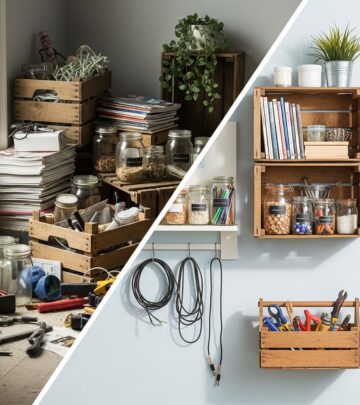
Small Space, Big Potential: Smart Organizing Strategies for Tiny Apartments
Turn your tiny apartment into a calm, clutter-free retreat with smart, stylish organizing techniques.
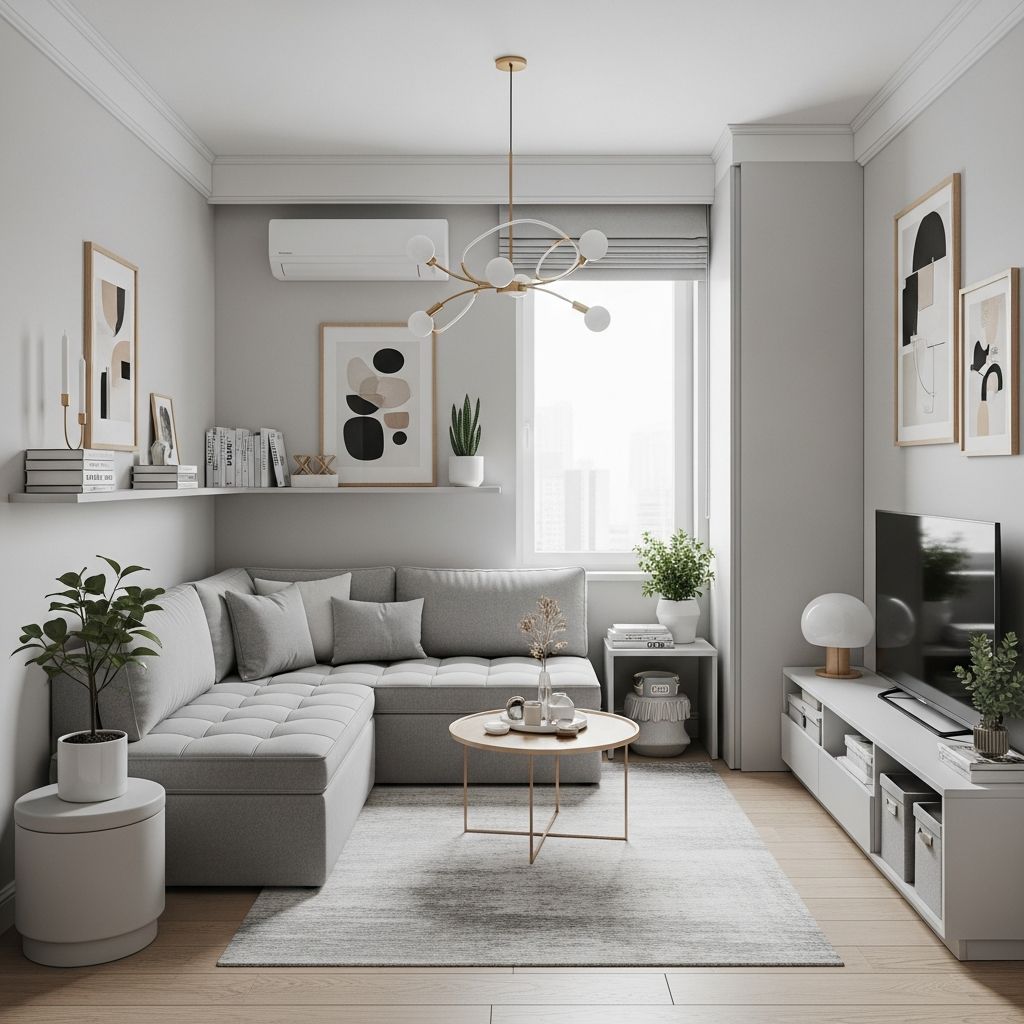
Small Apartment, Big Potential: A Complete Guide to Smart Organizing
Living in a small apartment does not have to mean living in constant clutter. With thoughtful organizing strategies, every square foot can feel intentional, functional, and even luxurious. This guide walks through practical, renter-friendly ways to maximize storage, calm visual chaos, and create a home that feels larger than it looks.
Rethink Your Space Like a Layout Designer
Before buying bins or baskets, step back and look at your apartment as a set of zones instead of a single open room. Each zone should have a clear job, whether that is sleeping, working, relaxing, cooking, or getting ready to head out the door.
- Sketch your floor plan (even a rough outline) and label zones such as “sleep,” “work,” “dine,” and “store.”
- Notice bottlenecks: narrow hallways, crowded corners, or entryways where bags and shoes pile up.
- Ask of every piece of furniture: does it earn its footprint by offering storage, flexibility, or multiple uses?
Declutter Strategically Before You Organize
Organizing in a small apartment is almost impossible if you are trying to store more than the space can reasonably hold. Decluttering first means every organizer you buy actually works and is not just hiding excess stuff.
- Work in tiny zones: one drawer, one shelf, or one cabinet at a time to avoid burnout.
- Sort items into four categories: keep in this space, relocate, donate/sell, and recycle/trash.
- Be honest about duplicates, “someday” items, and clothes that no longer fit your lifestyle.
Use Vertical Space as Your Secret Weapon
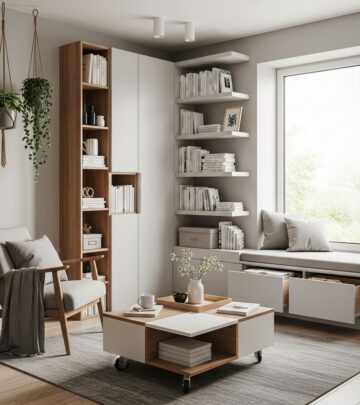
When floor space is scarce, walls are your best storage opportunity. Taking storage upward frees up walkways and makes a small apartment feel less cramped.
- Install floating shelves above sofas, desks, or doorways for books, decor, and baskets.
- Use tall bookcases or wardrobes that nearly reach the ceiling to concentrate storage in small footprints.
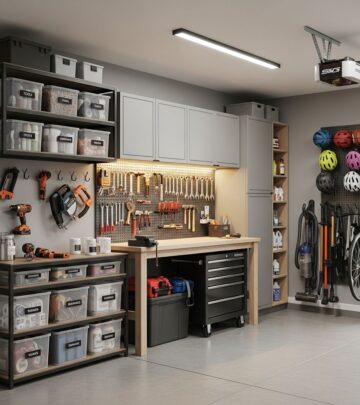
- Add hooks, rails, or pegboards to kitchen, hallway, and bathroom walls for everyday items.
Vertical Storage Ideas by Room
| Room | Vertical Storage Idea | Best For |
|---|---|---|
| Living area | Wall-mounted shelves above the sofa | Books, small plants, framed photos |
| Kitchen | Rail with hooks and hanging baskets | Utensils, spices, dish towels |
| Bedroom | Narrow tall dresser or shelving tower | Folded clothes, accessories, linens |
| Bathroom | Over-the-toilet shelving unit | Toiletries, toilet paper, extra towels |
| Entryway | Hook rail mounted high with shelf above | Coats, bags, hats, key tray |
Make Furniture Work Twice as Hard
In a small apartment, furniture that only does one job wastes valuable space. Choosing pieces with built-in storage or flexible uses gives you room to breathe without sacrificing comfort.
- Pick a storage ottoman or bench that hides blankets, games, or extra pillows.
- Use a coffee table with shelves or drawers so remotes and magazines never sit on top.
- Consider a bed with drawers, a lofted frame, or risers to create generous under-bed storage.
Multifunctional Furniture Ideas
| Furniture Piece | Primary Role | Hidden or Secondary Role |
|---|---|---|
| Storage ottoman | Footrest or extra seating | Storage for throws, games, seasonal decor |
| Drop-leaf table | Dining or work surface | Folds down to reclaim floor space when not in use |
| Sofa bed or daybed | Everyday seating | Guest bed or main sleeping spot in a studio |
| Console table with shelves | Visual divider between zones | Storage for baskets, shoes, or tech gear |
| Bookshelf room divider | Separates sleeping and living areas | Open storage for books, plants, and decor |
Zone Your Space Without Building Walls
In studios and open-plan apartments, visual and functional zones help the space feel organized, even without doors. Thoughtful dividers guide where items belong and reduce the feeling of clutter.
- Use open shelving, low dressers, or a console table as a partial divider between bed and living area.
- Define a work zone with a small rug and a compact desk facing a wall.
- Create a reading nook in a corner with a chair, lamp, and narrow side table.
Turn Hidden Spots into Storage Gold
Many small apartments have overlooked surfaces and corners that can quietly handle everyday storage. Using these areas reduces pressure on closets and cabinets.
- Slide low rolling bins or boxes under the bed for off-season clothing or spare bedding.
- Install narrow shelves or hooks on the inside of cabinet and closet doors.
- Place slim rolling carts between appliances, next to the sofa, or in the bathroom for flexible storage.
Often-Overlooked Storage Spots
| Spot | Potential Use |
|---|---|
| Space above kitchen cabinets | Store rarely used appliances in attractive baskets or bins |
| Back of doors | Over-the-door racks for shoes, cleaning supplies, or accessories |
| Under sofa or chairs | Flat boxes for board games, photo albums, or craft supplies |
| Window ledges | Books, plants, or small decor instead of bulky furniture |
| Shower walls | Tension pole caddies or corner shelves for toiletries |
Corral Clutter with Containers and Labels
Once you know what you are keeping and where it goes, containers keep similar items together and make your systems easy to maintain. Labeling finishes the job by making it instantly clear what belongs where.
- Choose bins and baskets that fit your shelves exactly; measuring first prevents wasted space.
- Use clear containers for pantry, cleaning supplies, and craft items so contents are visible at a glance.
- Label shelves and bins with simple words or icons, especially in shared spaces or households.
Small Apartment Kitchen: From Chaos to Compact Efficiency
Tiny kitchens can function beautifully with the right organizing approach. The key is to keep counters as clear as possible and assign a logical home to every tool and ingredient.
- Hang frequently used utensils, oven mitts, and mugs on a rail or hooks instead of filling drawers.
- Use risers in cabinets to create two layers for plates, bowls, and canned goods.
- Group items by task: coffee station, baking shelf, meal-prep basket, and snack bin.
Bedroom Storage That Still Feels Relaxing
The bedroom in a small apartment often doubles as a closet and sometimes a workspace, but it should still feel like a restful retreat. Prioritizing calm surfaces and closed storage helps the room feel larger and more serene.
- Limit nightstand items to true essentials and add a small tray to hold them neatly.
- Use under-bed drawers or boxes for off-season clothes, extra shoes, or spare bedding.
- Consider a wall-mounted shelf instead of a bulky nightstand in very tight rooms.
Bathroom and Entryway: Tiny Spaces with Big Impact
Bathrooms and entryways are often the smallest areas but have heavy traffic and many small items. A bit of structure in these zones prevents clutter from spreading into the rest of the apartment.
- In the bathroom, add shelves over the toilet, suction or adhesive caddies in the shower, and drawer dividers for toiletries.
- In the entryway, use a narrow bench or shoe rack, a wall-mounted hook rail, and a small dish or tray for keys and mail.
- Limit incoming items at the door: immediately recycle junk mail, hang bags, and place shoes in a designated spot.
Light, Color, and Style Tricks That Make Small Spaces Feel Bigger
Organization is not only about where items go; it is also about how the space feels. The right visual choices can make a compact apartment feel open and airy, even if the square footage stays the same.
- Choose lighter wall colors and medium-toned furniture to reflect light without feeling stark.
- Keep patterns simple and repeat them across the space to create a calm, cohesive look.
- Use mirrors opposite windows or lamps to bounce light and visually double the depth of a room.
Simple Habits That Keep Clutter from Coming Back
Even the smartest storage will fail if daily habits work against it. Small, quick routines do more for a tiny apartment than occasional marathon cleaning sessions.
- Adopt a five-minute reset each night: clear surfaces, return items to their zones, and empty the sink.
- Use a “one in, one out” rule for clothes, decor, and kitchen gadgets to avoid slow, steady build-up.
- Keep a donation bag or box accessible so outgrown or unused items leave the apartment regularly.
Frequently Asked Questions about Organizing Small Apartments
How do I start organizing when my place feels overwhelming?
Start with the smallest, most visible win instead of the hardest project. Clear one nightstand, one kitchen counter section, or your entryway first so you can see instant progress. Once that area is stable for a few days, move on to a drawer, a cabinet, or a clothing category.
What is the best way to store a lot of stuff in a very small apartment?
The most effective approach is a combination of ruthless editing and layered storage. Focus first on removing duplicates and rarely used items, then use vertical space, under-bed storage, behind-the-door organizers, and multipurpose furniture to hold what remains.
How can I hide clutter in a studio where everything is on display?
Choose closed storage wherever possible: lidded baskets, opaque bins, drawers, and cabinets rather than open shelves for everyday items. Use a bookshelf, low dresser, or curtain as a soft room divider so the sleeping area feels separate and small messes are not visible from every angle.
What should I avoid buying for a small apartment?
Avoid oversized furniture, single-purpose gadgets, and deep storage bins that do not fit your existing shelves or closets. Focus instead on slim, tall pieces, items with multiple uses, and containers that match your actual measurements and belongings.
How do I keep my small apartment organized if I am busy?
Build micro-habits into existing routines rather than adding long chores. Pair a quick surface reset with brewing morning coffee, sort mail while dinner cooks, and do a 10-item tidy before bed. Simple, consistent actions protect your small space from sliding back into chaos.
Similar Articles


Read full bio of Sneha Tete