Small Bathroom Ideas: Transform Your Tiny Space
Maximize your small bathroom with smart design solutions and space-saving tips.
Small Bathroom Ideas: Making Every Inch Count
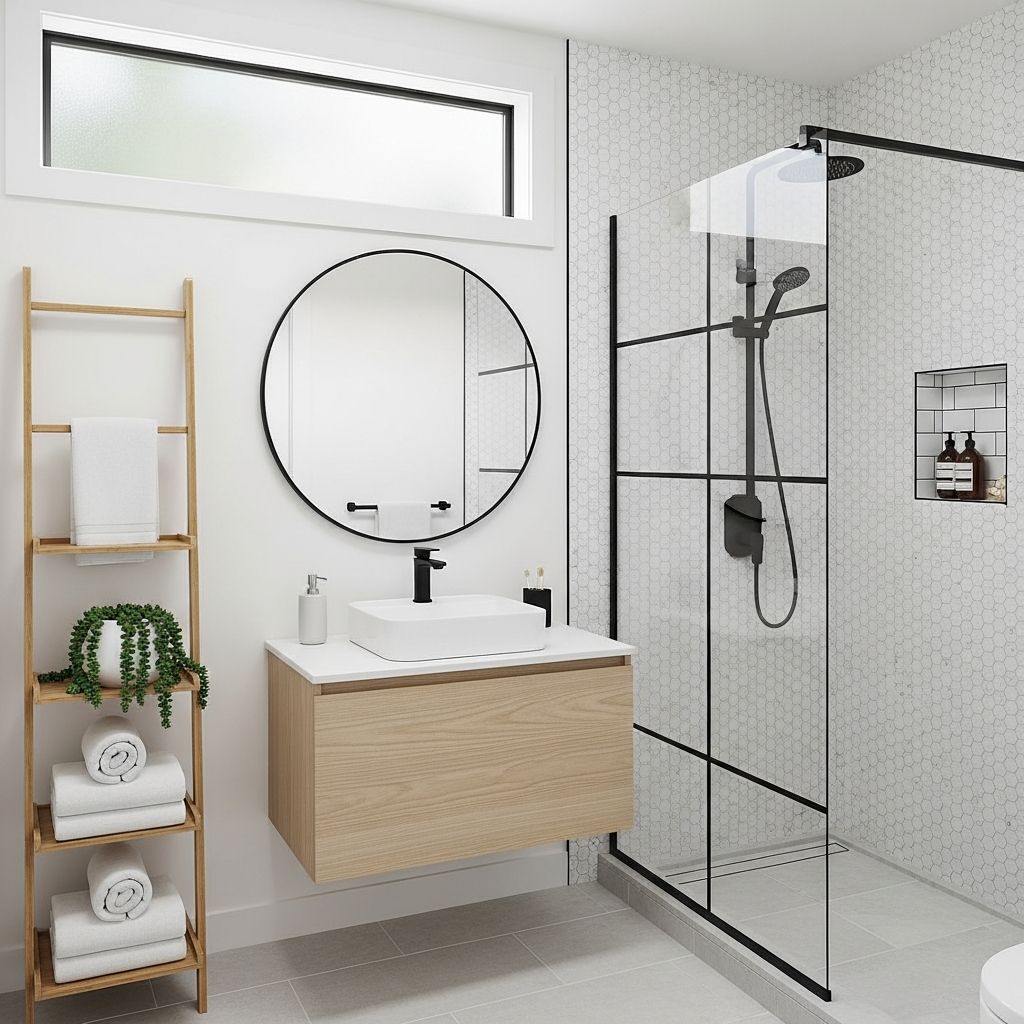
Transforming a small bathroom into a stylish, functional space requires careful planning and creative design choices. Unlike larger bathrooms where mistakes can be easily hidden, small bathrooms demand attention to detail and strategic decision-making. Every element, from fixtures to colors, plays a crucial role in how spacious and welcoming your bathroom feels. Whether you’re working with a compact powder room or a modest en-suite, these small bathroom ideas will help you maximize your space while creating a bathroom that’s both beautiful and practical.
Understanding Small Bathroom Challenges
Small bathrooms present unique design challenges that larger spaces don’t face. Limited square footage means less room for storage, fewer options for fixture placement, and a greater need for visual flow. The key to success is understanding that remodeling a small bathroom often requires more creativity and attention to detail than working on larger areas. Every decision impacts how the space feels, and thoughtful planning ensures your bathroom functions well despite its size constraints.
Smart Fixture Selection and Placement
Choosing the right fixtures is essential when working with limited bathroom space. The fixtures you select should be proportional to your room while maximizing functionality and storage opportunities.
Corner Sinks and Compact Vanities
One of the most effective strategies for small bathrooms is installing a corner sink, which takes advantage of often-wasted corner space while occupying a smaller footprint than traditional fixtures. Corner sinks can be mounted directly against the wall or incorporated into a vanity unit that provides valuable storage. When selecting a vanity, choose one that balances usefulness with visual weight—it should be large enough to meet your storage needs but compact enough that it doesn’t overwhelm the room. Rounded corners and soft edges are preferable, as they reduce visual harshness and minimize bumps and bruises when moving through tight spaces.
Wall-Mounted Toilet Tanks
Wall-mounted toilet tanks save significant floor space compared to traditional floor-standing units. This design choice creates a cleaner aesthetic and makes floor cleaning easier while visually expanding the space by keeping the floor area open.
Strategic Shower and Tub Solutions
The shower or tub area typically occupies the largest portion of a bathroom, making it crucial to select the right style for your space.
Shower Enclosures for Small Spaces
When minimal square footage is available, selecting the appropriate shower enclosure type is critical. Hinged or bi-fold doors may not work practically in small bathrooms where there isn’t sufficient clearance to open them fully. Instead, opt for sliding track doors or barn-style doors that operate along the wall without protruding into your bathroom space. Choose clear or lightly frosted glass to maintain visual openness and consider frameless sliders for a clean, contemporary look that makes the space feel larger and more modern.
Curved Shower Rods and Shower Curtains
If you’re using a shower curtain rather than a glass enclosure, mounting a curved rod is an ingenious space-saving trick. The curve extends the perceived space and makes bathers feel less confined. However, ensure the rod is mounted high enough that it doesn’t impede movement around the rest of the bathroom. Like glass enclosures, clear or sheer shower curtains are preferable as they maintain visual continuity and make the space feel more open.
Compact Tub Options
For small bathrooms that need a tub, consider space-efficient options like corner bathtubs or compact soaking tubs. Some homeowners find that a well-designed shower-only bathroom works best for their space and lifestyle, eliminating the need for a traditional bathtub entirely.
Maximizing Light and Creating Visual Depth
Strategic use of light and visual elements can dramatically transform how spacious a small bathroom feels.
Mirror Placement and Reflection
Mirrors are among the most effective tools for small bathroom design. They bounce light around the room and create optical illusions that make spaces appear wider and deeper than they actually are. Positioning mirrors opposite each other amplifies this effect and creates a genuine sense of increased depth. A large mirror above the vanity is essential, but consider adding additional mirrors on opposite walls or in unexpected places to maximize the reflective benefits. Frameless or minimally-framed mirrors maintain visual lightness compared to heavily-framed options.
Lighting Design
Proper lighting is crucial in small bathrooms. Layer your lighting with both ambient and task lighting to ensure the space feels bright and welcoming. Vanity lighting positioned on either side of mirrors provides flattering, functional illumination. Consider adding a skylight or additional window if possible, as natural light creates the greatest sense of openness and spaciousness.
Color and Material Choices
The colors and materials you select significantly impact how large or small your bathroom feels.
Light Color Palettes
Light colors visually expand spaces, making white, pale gray, soft blue, and neutral tones excellent choices for small bathrooms. These colors reflect light and create an airy atmosphere. You can add personality through accessories, textiles, and accent colors while keeping walls and major surfaces light.
Minimalist Material Selection
Choose materials that have clean lines and minimal visual texture. Polished or matte finishes work better than heavily textured surfaces. Consistent material use throughout the space creates visual flow and prevents the room from feeling choppy or cluttered.
Creative Storage Solutions
Storage is often the biggest challenge in small bathrooms. Vertical storage and unexpected spaces can provide adequate storage without consuming floor space.
Vertical Storage Optimization
Use wall space efficiently by installing shelving above the toilet, on walls above the vanity, or in corners. Floating shelves create visual lightness while providing storage for toiletries, towels, and decorative items. Tall, narrow cabinets take advantage of vertical space without demanding much floor real estate.
Under-Vanity and Door-Mounted Storage
Mount towel racks behind the door to free up wall space and improve traffic flow. Add additional racks to the inside or outside of vanity cabinet doors for hand towels and washcloths. Even the toilet paper holder can be mounted on cabinetry rather than the wall. The more floor and wall space that remains open, the larger and more spacious the entire bathroom will appear.
Ventilation and Moisture Control
Proper ventilation prevents moisture buildup, which can make small spaces feel cramped and compromises the longevity of fixtures and materials. Install an appropriately-sized exhaust fan and ensure it vents outside your home rather than into the attic. Run the fan during and after showers to control humidity and maintain a fresh-feeling environment.
Layout and Traffic Flow
Thoughtful layout ensures your small bathroom functions efficiently despite its size constraints. The toilet, sink, and shower or tub should be positioned to create a logical traffic pattern. Avoid placing fixtures directly in the pathway from the door to the main area. Diagonal arrangements or offset positioning can make spaces feel larger and improve functionality.
Flooring Considerations
Flooring choice influences both the aesthetic and practical aspects of small bathroom design. Light-colored flooring visually expands the space, while continuous flooring material (without transitions) makes the area feel more cohesive. Non-slip options are important for safety, and easy-to-clean materials reduce maintenance demands. Large-format tiles can make a small space feel more spacious than numerous smaller tiles, which can make the area feel fragmented and busy.
Decorative Elements and Finishing Touches
Even in small bathrooms, thoughtful decorative choices add personality and warmth. Select a few quality pieces rather than many small items to avoid visual clutter. Plants, artwork, or decorative mirrors can personalize the space without overwhelming it. Keep countertops relatively clear by storing daily-use items in drawers or cabinets, maintaining visual simplicity.
Frequently Asked Questions
Q: What’s the smallest bathroom size I can work with?
A: Bathrooms can range from tiny powder rooms (as small as 15-20 square feet) to compact full bathrooms (around 35-40 square feet). Even the tiniest spaces can be functional and attractive with proper design planning.
Q: Should I remove the bathtub in a small bathroom?
A: That depends on your lifestyle and preferences. If you rarely use a tub, a shower-only design maximizes functionality and floor space. However, if occasional soaking is important, a compact soaking tub or corner tub can provide both options.
Q: What color works best for small bathrooms?
A: Light colors like white, cream, pale gray, and soft blue work best as they reflect light and create an airy feeling. You can add color through accessories that are easily changed if your preferences shift.
Q: Can I make a small bathroom look bigger without renovation?
A: Yes! Adding mirrors, improving lighting, decluttering surfaces, and using light colors or removable wallpaper can significantly impact how spacious a bathroom feels without major renovation work.
Q: What’s the best shower enclosure for a small bathroom?
A: Sliding track doors or barn-style doors work best as they don’t require clearance space to open. Curved shower rods with clear curtains are also excellent space-saving alternatives.
Q: How do I add storage to a small bathroom without taking up floor space?
A: Focus on vertical storage with floating shelves, wall cabinets, and over-toilet storage. Use the backs of doors for towel racks and organize vanity interiors efficiently with drawer dividers and organizers.
Conclusion
Transforming a small bathroom doesn’t require sacrificing style or functionality. By implementing these ideas—from selecting appropriately-sized fixtures and strategic storage solutions to maximizing light and choosing colors that expand the space visually—you can create a bathroom that feels comfortable, attractive, and efficient. The key is thoughtful planning and understanding that small spaces often require more creativity than larger areas. Whether you’re making minor updates or undertaking a complete remodel, these small bathroom ideas provide the foundation for creating a space you’ll love using every day. Start with the changes that will have the greatest impact on how your bathroom feels, and gradually implement additional improvements as your budget allows.
References
- Small Bathroom Remodel Ideas — Handyman Connection Etobicoke. 2022-04-26. https://handymanconnection.com/etobicoke/articles/home-renovations-5-small-bathroom-remodel-ideas/
- Bathroom Design Standards and Guidelines — National Kitchen & Bath Association. 2024. https://www.nkba.org
- Space Planning in Residential Bathrooms — International Residential Code (IRC). 2024. https://www.iccsafe.org/products/2024-international-residential-code/
Similar Articles



Read full bio of Sneha Tete