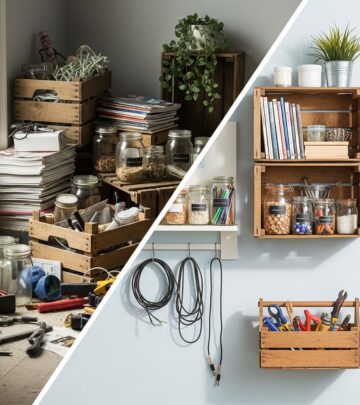
Small-Space Magic: Clever Organizers That Transform Every Room
Turn everyday clutter into calm, stylish order with smart organizers that actually fit real life.
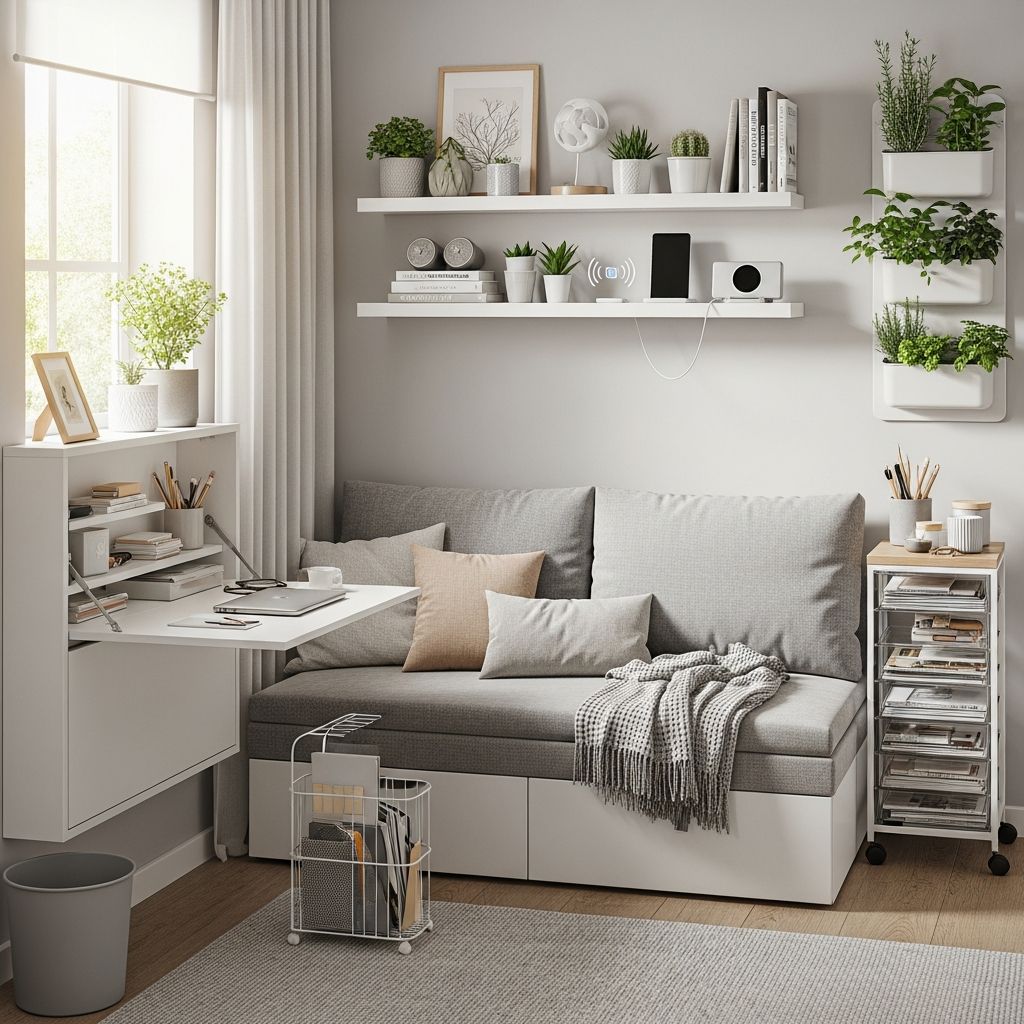
If every drawer, shelf, and surface in your home feels overcrowded, the problem often isn’t how much you own—it’s how you store it. Thoughtfully chosen organizers can turn chaotic corners into efficient, attractive zones that actually support your daily routines instead of working against them.
Why Unique Organizers Make Such a Big Difference
Standard bins and baskets help, but unique organizers go a step further by using vertical space, hidden gaps, and awkward corners that usually stay wasted. The most effective pieces are tailored to a specific task, like storing pot lids, corralling hair tools, or stacking snacks in a narrow pantry shelf.
When you match your organizer to the way you live—your habits, your space, and your style—you spend less time hunting for items and more time actually enjoying your home. This guide walks through room-by-room ideas that blend function with design, so your home feels lighter without sacrificing personality.
Kitchen Game-Changers: Organizers That Work Hard
The kitchen is usually the most crowded room in the house, which makes it the best place to start using smarter organizers. Focus on pieces that make items visible and easy to reach, especially the things you use daily.
Vertical Storage for Pots, Pans, and Lids
Stacking cookware in a single tower might look efficient, but pulling a pan from the bottom can turn into a noisy avalanche. Vertical organizers separate each item so you can grab what you need without disturbing the rest.
- Use a freestanding metal rack to stand lids upright, sorted by size.
- Place a vertical pan rack inside a cabinet to store skillets on their sides.
- Choose adjustable dividers so you can reconfigure slots when you add or replace cookware.
Pull-Out Helpers for Deep Cabinets
Deep lower cabinets are notorious for swallowing food containers and small appliances. Pull-out organizers act like drawers inside your cabinets, bringing everything out to you.
- Install a wire pull-out basket to store mixing bowls, strainers, or baking dishes.
- Add a narrow pull-out next to the stove for oils, spices, and cooking sprays.
- Use tiered pull-out shelves for canned goods so labels stay visible.
Countertop Organizers That Don’t Look Cluttered
Clear counters make a kitchen feel bigger, but some items need to stay within arm’s reach. The key is using compact organizers that create intentional zones instead of random piles.
- A rotating turntable keeps oils, vinegar, and frequently used sauces easy to see and grab.
- A tiered stand can hold salt, pepper, and small condiments vertically instead of spreading them out.
- A divided utensil crock separates cooking spoons, spatulas, and whisks so you can find each quickly.
Bathroom Bliss: Organizers for Tiny, Busy Spaces
Bathrooms are usually the smallest rooms with some of the highest traffic. Unique organizers help separate personal care products, linens, and cleaning supplies so mornings run more smoothly.
Under-Sink Solutions That Use Every Inch
The area under the sink often becomes a jumble of products around plumbing pipes. Look for organizers that step up and around the pipe or slide out when you need them.
- Use a two-tier sliding caddy to stack cleaning products vertically.
- Choose adjustable shelves that work around the drain and hoses.
- Place small bins or baskets on each tier, labeled by category—hair, skincare, backups, or cleaning.
Wall and Door Storage for Daily Essentials
When floor space is limited, doors and walls become valuable real estate. Slim organizers can keep essentials handy without crowding the room.
- Mount a narrow shelf or rail above the toilet to hold toilet paper, a plant, or a small basket for toiletries.
- Use an over-the-door organizer for hair tools, brushes, and styling products.
- Install adhesive hooks or a magnetic strip inside a cabinet door for tweezers, nail clippers, and small tools.
Shower and Tub Organizers That Stay Put
Shampoo bottles balanced along the tub edge almost guarantee spills. A sturdy shower organizer keeps everything contained and easier to clean around.
- Corner tension poles create multiple shelves without drilling.
- Shower caddies with adjustable hooks fit different showerheads and railings.
- Look for rust-resistant materials and drainage holes to prevent standing water.
Closet Upgrades: Turn Chaos into a System
Closets quickly attract clutter because doors hide the mess. Thoughtful organizers transform them from overstuffed black holes into predictable, low-stress zones.
Multi-Level Hanging and Slim Hangers
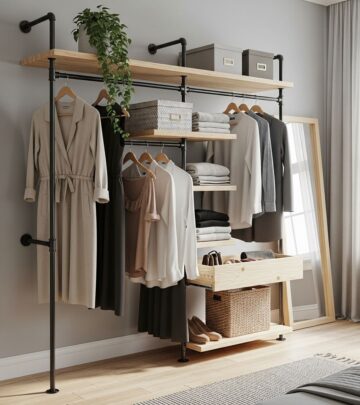
Maximize vertical space by stacking rows of clothing instead of crowding one rod. Switching to slim, matching hangers instantly creates more room and a more cohesive look.
- Add a second hanging rod below the first for shorter items like shirts and blouses.
- Use cascading hooks that allow several hangers to drop down from a single hook point.
- Reserve bulky wooden hangers for heavy coats and jackets only.
Specialty Organizers for Accessories
Accessories are easy to overlook, which is why they end up tangled or forgotten. Dedicated organizers make them visible and ready to wear.
- Use a hanging organizer with clear pockets for scarves, belts, and ties.
- Choose a shallow drawer insert for jewelry, with separate compartments for rings, earrings, and bracelets.
- Install a row of small hooks for hats, bags, or long necklaces that tangle easily.
Bin and Box Systems for Shelves
Shelves become much more efficient when items are grouped in open-top containers you can pull down like drawers. Labeling these bins reduces decision fatigue when you put things away.
- Store off-season clothing in labeled fabric bins on the highest shelves.
- Use smaller boxes for specialty categories like travel gear, swimwear, or workout accessories.
- Stick to one or two materials (such as matching fabric or woven baskets) to keep the closet visually calm.
Entryway and Living Room: Organizers That Tame Daily Clutter
These are the spaces guests see first and where drop-zone clutter tends to pile up. A few well-chosen organizers keep keys, shoes, and remote controls under control without making the room feel like a storage unit.
Entryway Drop-Zone Strategies
The goal near the door is simple: everything should have one clearly defined landing spot. Organizers here should be easy to use even when you are rushed or tired.
- Place a small tray or dish on a console table for keys and sunglasses.
- Use a wall-mounted rack with hooks for coats, bags, and umbrellas.
- Add a low bench with cubbies or baskets underneath for shoes and pet leashes.
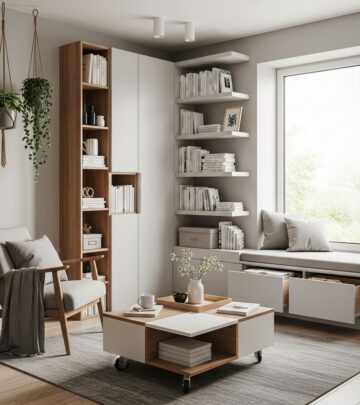
Living Room Storage That Looks Like Decor
Because the living room is mainly for relaxing, choose organizers that blend into the decor. Hidden storage keeps essentials close but not visually noisy.
- Storage ottomans double as seating, footrests, and hidden containers for blankets or board games.
- Side tables with drawers or shelves can hold remote controls, chargers, and coasters.
- Decorative baskets can house throw blankets or children’s toys when not in use.
Media and Cable Management
Entertainment centers can quickly turn into nests of tangled cords and scattered accessories. Simple organizers keep everything tidy and safer from trips and snags.
- Use a cable management box to hide power strips and extra cord length.
- Label cords with clip-on tags or reusable ties so you know what belongs to each device.
- Store game controllers and remotes in a divided caddy on a nearby shelf or coffee table.
Workspace and Hobby Zones: Organizers for Focus and Creativity
Whether you work from home or just need a place to manage mail and hobbies, a few targeted organizers can turn a cluttered desk into a productive hub.
Desktop and Drawer Organizers
A clear surface supports clearer thinking, which is why desktop organizers should be compact and purpose-driven. The goal is to hold only what you truly use daily.
- Use a vertical file sorter for active paperwork and folders.
- Add a small caddy for pens, highlighters, and sticky notes.
- Line desk drawers with modular trays to separate clips, cables, and small tools.
Craft and Hobby Storage
Creative projects often come with many small pieces that easily scatter. Transparent containers and labeled drawers turn setup and cleanup into quick routines.
- Use clear plastic drawers for categories like paints, yarn, or sewing supplies.
- Repurpose a rolling cart as a mobile craft station that can move between rooms.
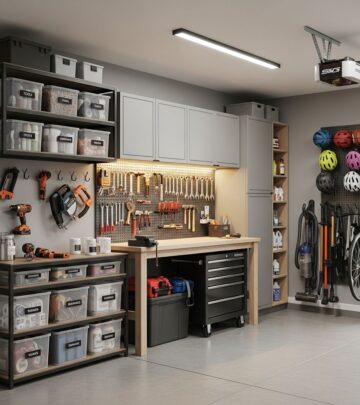
- Hang pegboards with hooks and small bins to store scissors, rulers, and tapes within reach.
Hidden Gaps and Overlooked Spots You Can Turn into Storage
Some of the best storage opportunities are the ones most people never use. By targeting these gaps with the right organizers, you gain extra space without expanding your floorplan.
| Location | Commonly Wasted Space | Suggested Organizer |
|---|---|---|
| Behind doors | Flat vertical area | Over-the-door racks for shoes, cleaning tools, or accessories |
| Under beds | Low, dusty floor space | Shallow rolling bins or zippered fabric bags for linens and off-season clothing |
| Cabinet sides | Interior vertical panel | Adhesive hooks or slim racks for cutting boards and pot lids |
| Stair landings or corners | Small, awkward nooks | Corner shelves or narrow ladder-style bookcases |
These spots may look small, but they add up to a surprising amount of usable storage. Treat each one like a mini-project and choose organizers designed for tight dimensions, such as slim rolling carts, corner shelves, or over-the-door pockets.
How to Choose the Right Organizer for Your Home
Before filling your cart with attractive storage solutions, take a step back and evaluate how and where you plan to use them. An organizer that looks great in photos but doesn’t fit your measurements or habits will end up becoming clutter itself.
Measure First, Buy Second
Dimensions matter more than aesthetics in small spaces. Always measure height, width, depth, and door clearance before committing to a specific product.
- Note interior cabinet measurements and any hinges or pipes that could get in the way.
- Measure the distance between shelves or rods if you plan to stack or hang organizers.
- Consider how far doors need to open if you are adding over-the-door or pull-out options.
Match Materials and Style to the Room
When organizers coordinate with your decor, they feel like a natural part of the space instead of temporary fixes. Choosing the right materials also affects durability and maintenance.
- Use plastic or metal in wet areas like bathrooms and under sinks.
- Choose woven baskets or fabric bins for living areas and bedrooms where texture matters.
- Opt for clear acrylic in pantries and craft spaces where visibility is important.
Think in Categories, Not Individual Items
Rather than planning storage around single objects, group items into categories and assign each a dedicated zone. This makes it easier to maintain order over time.
- Group pantry items by type: baking, snacks, breakfast, canned goods.
- Divide bathroom items into daily use, occasional use, and backups.
- Create separate stations for mail, school papers, and bills in shared spaces.
Simple Daily Habits That Keep Organizers Working
No organizer can fix clutter if it is not used consistently. A few small routines will help you maintain the systems you set up so your home stays tidy with minimal effort.
- One-minute reset: Spend a minute before bed returning items to their designated bins or baskets.
- Container limits: When a bin is full, declutter rather than buying another one.
- Label everything: Labels act as gentle reminders for you and other household members about where things belong.
FAQs About Unique Home Organizers
Do unique organizers really save more space than basic bins? Often, yes. Specialty organizers are designed for specific items, which means they use awkward or vertical spaces that basic bins usually cannot reach. For example, a lid rack or spice tier takes advantage of height, while flat bins slide into tight gaps under furniture. How many organizers should I buy at once? Start small. Choose one problem area, such as a kitchen cabinet or bathroom drawer, and fully organize that space before moving on. This prevents you from overbuying and lets you learn what styles and sizes work best in your home. Is it worth investing in more expensive organizers? Durability and fit matter more than price alone. Higher-quality organizers are often sturdier and more adjustable, which can save money over time because you are not replacing broken pieces or constantly reconfiguring systems that do not work. How do I keep organizers from becoming clutter themselves? Give every organizer a clear purpose and avoid storing random items in empty spots. If a container no longer fits your needs, repurpose it somewhere else or donate it instead of piling unrelated things into it. What if I live in a rental and cannot drill into walls? Look for non-permanent options like tension rods, over-the-door racks, adhesive hooks, and freestanding shelves. These can significantly increase storage capacity without damaging walls or cabinets, and you can take them with you when you move.
Similar Articles


Read full bio of medha deb