Smart Back-to-School Hacks with Dollar Store Finds
Turn budget finds into powerful back-to-school systems for calm mornings and organized kids.
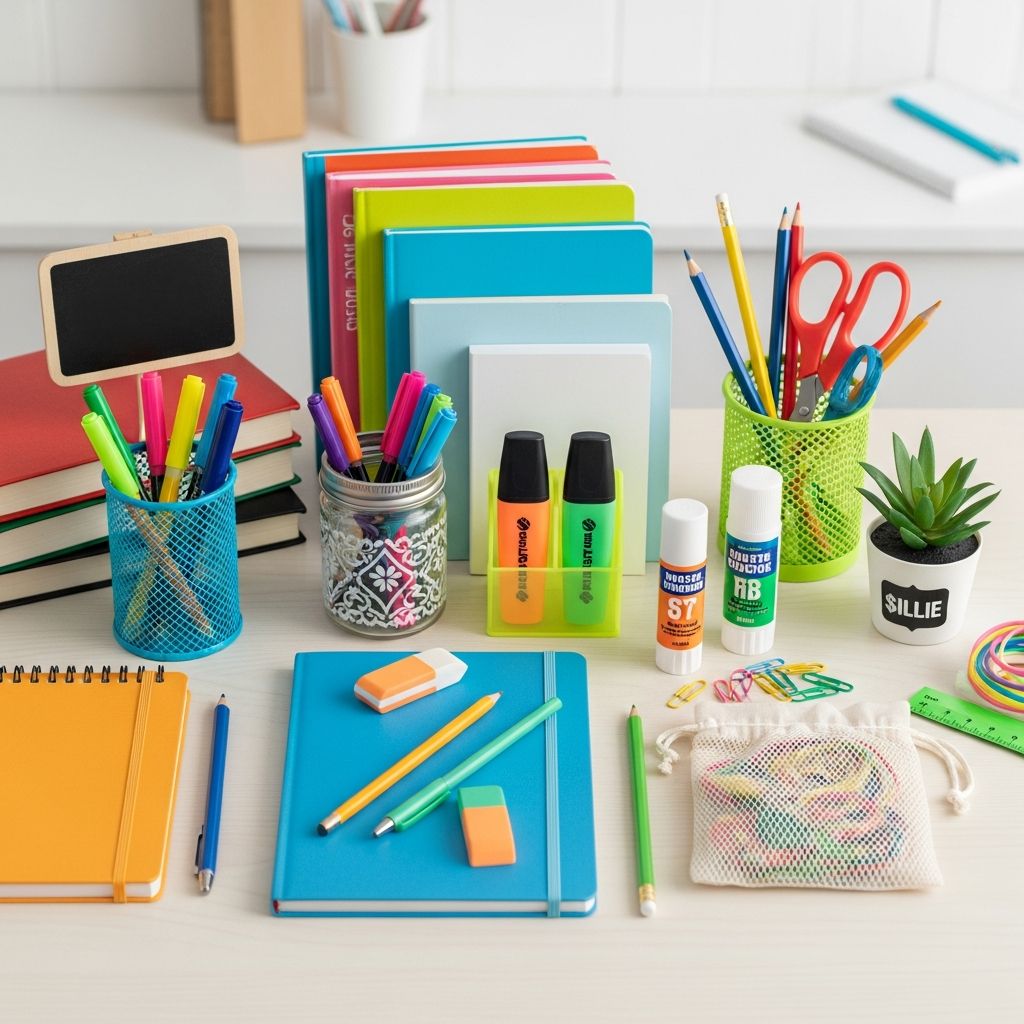
Back-to-school season does not have to mean chaotic mornings, scattered supplies, and constant last-minute scrambles. With a handful of budget-friendly items from any dollar store, you can build simple systems that keep your home, your kids, and their schoolwork under control all year long.
Why Dollar Store Hacks Work for Busy Families
Most homes do not lack storage containers; they lack systems that everyone actually uses. Dollar store items are inexpensive, easy to replace, and uniform in size, which makes them ideal building blocks for repeatable routines. Instead of searching for custom organizers, you can standardize your storage and focus on teaching kids exactly where things live and how to reset their space each day.
- Affordable containers make it easy to assign every item a clear “home” so kids can put things away without help.
- Low-cost tools encourage experimenting until you find a setup that truly fits your family’s habits and space.
- Because supplies are inexpensive, you can duplicate key stations (like homework or art) in multiple rooms if needed.
Setting Goals Before You Shop
Before heading to the dollar store, spend a few minutes identifying your biggest back-to-school pain points. Think about where school clutter piles up, which routines cause the most stress, and what tends to get lost or forgotten during the week. Knowing your specific challenges helps you buy only what supports a real problem, rather than filling your cart with random organizers that never get used.
- Walk through your morning and after-school routines step by step and note every time you feel rushed or frustrated.
- Decide on two or three high-impact zones to tackle first, such as the entryway, kitchen, or kids’ desks.
- Measure shelves, drawers, and wall spaces in advance so the bins and baskets you buy will actually fit.
Entryway Reset: Controlling Backpacks and Shoes
The entryway is usually the first and last stop for school gear, which makes it the perfect place to start. A simple, labeled landing zone prevents backpacks, shoes, and jackets from migrating across the entire house. You do not need built-in lockers; a few dollar store pieces can mimic that same sense of order.
DIY Mini “Locker” Station
Use stacking bins, adhesive hooks, and basic trays to create individual spots for each child near the door. The key is to keep everything at kid height so they can access and maintain the system independently.
- Mount two or three adhesive hooks per child for backpack, jacket, and lunch bag.
- Place a low plastic bin or tray under each set of hooks to catch shoes and sports gear.
- Add a small basket labeled with the child’s name for library books, permission slips, and items that must leave the house the next day.
| Item | Purpose | Placement Tip |
|---|---|---|
| Adhesive wall hooks | Hang backpack, jacket, and lunch bag | Mount at shoulder height for your child |
| Shallow tray or boot mat | Contain daily shoes and boots | Position directly under hooks |
| Small labeled basket | Hold papers and library books | Place on a low shelf or bench |
Evening Reset Ritual
Once the area is set up, turn it into a habit. A two-minute evening reset is enough to keep your entryway from sliding back into chaos. Encourage kids to check their hook and basket before bed so they are not hunting for missing items during the morning rush.
- Set a recurring timer or reminder labeled “backpack check” 30 minutes before bedtime.
- Ask each child to confirm: homework packed, signed forms in the basket, shoes by the door, and water bottle cleaned.
- Use a simple sticker chart or small weekly reward to reinforce the habit, especially with younger kids.
Streamlined School Supply Storage
School supplies scatter quickly when there is no clear system for what is shared and what is personal. Dollar store pencil boxes, caddies, and drawer organizers make it easy to separate community supplies from each child’s private stash. The more visual and intuitive the system, the more likely kids are to follow it without constant reminders.
Color-Coding by Child or Subject
Color-coding makes it simple to see what belongs where at a glance. Assign each child a color and purchase coordinating bins, folders, and labels. Alternatively, use one color per subject (for example, blue for math, green for reading) to help older students keep track of materials across multiple classes.
- Choose three to five consistent colors rather than a different color for every single item.
- Use matching tape, adhesive labels, or colored dot stickers to mark notebooks, binders, and storage boxes.
- Keep a small legend or key in the homework area so everyone remembers which color matches which child or subject.
Centralized Supply “Shop” at Home
Instead of scattering extra supplies across multiple drawers and closets, create a single, easy-to-access spot where kids can “shop” for refills. A rolling cart or a few stackable bins from the dollar store can serve as your miniature supply store. Restocking from this central zone keeps you aware of what you have and what needs replacing.
- Dedicate separate containers for writing tools, paper products, art supplies, and technology accessories.
- Use clear bins or open caddies so kids can see what is available without pulling everything out.
- Once a week, have children refill their personal pencil cases from the central supply shop to prevent midweek shortages.
Homework Stations That Actually Get Used
A functional homework area does not require a full office. The most important elements are consistent tools, clear boundaries, and minimal distractions. Dollar store organizers can turn a corner of the dining table, a small desk, or even a portable lap tray into a dedicated study zone your child will return to night after night.
Portable Homework Caddies
A portable caddy lets your child work at the kitchen table one night and in their bedroom the next without losing supplies. When homework time ends, everything can be carried back to a shelf or closet. This flexibility is especially helpful for families who share tables or have limited space.
- Fill a handled caddy with pencils, erasers, a small sharpener, highlighters, scissors, glue stick, sticky notes, and a mini ruler.
- Add a small timer or use a kitchen timer to support focused work periods and short breaks.
- Reserve one pocket for index cards or a notepad where kids can quickly jot down questions to ask the teacher.
Simple Paper Management System
Loose worksheets and graded papers can take over surfaces if they are not sorted regularly. A basic file system made from dollar store magazine holders or plastic folders can separate what needs attention from what you are saving for records. The goal is to avoid giant paper piles and create clear categories everyone understands.
| Folder Label | What Goes Inside |
|---|---|
| To Be Done | Assignments that still need work or signatures |
| To Be Returned | Completed homework ready to go back to school |
| Keep for Records | Tests, major projects, and report cards you want to save |
- Place the “To Be Done” folder near your homework station so it becomes the automatic starting point each afternoon.
- Have kids empty their backpack into these folders when they arrive home, then do a quick sort together.
- Schedule a monthly “paper purge” to recycle or shred items you no longer need.
Lunch Prep Without the Morning Chaos
School lunches may be small, but they can create big messes when containers and snacks are unorganized. Dollar store food storage containers, bins, and labels help you batch-prep lunches and give kids the independence to assemble their own meals. Clear, labeled zones reduce decision fatigue and speed up busy mornings.
Fridge and Pantry Lunch Zones
Designate specific bins in the fridge and pantry only for school lunches. Even young children can grab one item from each category when everything is grouped and labeled. Over time, this turns packing a lunch into a simple checklist rather than a daily puzzle.
- In the fridge, create bins for mains (sandwiches, wraps), fruits and veggies, and dairy items.
- In the pantry, set up bins for snacks, grains, and “treat” items, using clear labels to mark each category.
- Use small reusable containers from the dollar store for pre-portioned dips, cut fruit, and crackers to save time in the morning.
Lunchbox and Container Control
Loose lids and mismatched containers are a major source of clutter. Establish one specific cabinet, drawer, or shelf to hold all lunch-related items. When everything nests together and lids are stored vertically in a separate container, your chances of losing pieces drop dramatically.
- Choose one or two container shapes you use most and donate or recycle the rest to avoid constant rummaging.
- Store lids upright in a narrow bin or file sorter so the right size is easy to spot.
- Assign each child a dedicated lunchbox bin to hold their lunch bag, water bottle, and any reusable utensils.
Clothing, Gear, and Activity Prep
Back-to-school season often comes with sports practices, music lessons, and clubs. Planning outfits and gear ahead of time prevents last-minute searches for uniforms, instruments, and permission slips. Dollar store organizers can help you lay out the week visually so kids know what to grab each day.
Weekly Outfit Organizers
Hanging shelves, labeled bins, or even large zip-top bags can become a low-cost weekly outfit system. Instead of choosing clothes each morning, decide on outfits once during the weekend. This approach cuts down on arguments about clothing and ensures that everything is clean and ready when needed.
- Label five bins or bags with days of the week and pre-pack them with full outfits, including socks and undergarments.
- For younger children, add a small card with a picture or symbol to match special days like gym or art class.
- Include any extras needed for that day, such as a hair tie for sports or specific shoes for dance.
Grab-and-Go Activity Bags
Designate a small tote or drawstring bag for each activity your child participates in. Keep gear, basic supplies, and a checklist inside so you can grab the right bag and walk out the door. Hanging these bags on hooks near the exit makes it almost impossible to forget crucial items.
- Use inexpensive totes, label them with the activity name, and keep all related gear inside between practices.
- Tuck a laminated checklist into each bag so your child can confirm they have everything before leaving.
- Perform a quick reset when you return home: wash uniforms, refill water bottles, and return everything to the bag.
Family Command Center on a Budget
A family command center centralizes schedules, reminders, and important paperwork. You do not need a custom-built wall unit; a few dollar store frames, clipboards, and dry-erase boards can coordinate your entire week. The primary purpose is to ensure everyone knows what is happening and what they are responsible for each day.
Wall Calendar and Reminder Zone
Choose a visible spot near the kitchen or entry where you can post your main calendar and key reminders. Use color-coding to differentiate each family member’s commitments. Keep markers and sticky notes nearby so you can update events quickly without hunting for supplies.
- Hang a dry-erase monthly calendar and assign each person a marker color for their activities.
- Add one clipboard or folder per child to hold current notices, forms, and school newsletters.
- Create a small “today” area with a list of top priorities, such as library books due or early dismissal.
Chore and Routine Boards
Visual chore and routine boards help kids understand expectations without constant verbal reminders. Dollar store picture frames or plastic sleeves can become reusable checklists using dry-erase markers. When children can see their progress, they are often more motivated to complete tasks independently.
- Print or handwrite simple routines (morning, after school, bedtime) and place them in clear sleeves or frames.
- Have kids check off tasks with a dry-erase marker and wipe the board clean at the end of the day.
- Include age-appropriate chores, such as packing their own backpack or setting out clothes for the next day.
Maintaining Your Systems All Year Long
The best back-to-school hacks fail if no one maintains them. The good news is that maintenance can be simple when you build it into routines and keep expectations realistic. Think of your systems as living experiments that you can adjust as your kids grow and schedules change.
- Review your main zones—entryway, homework station, lunch area, and command center—once a month and tweak what is not working.
- Limit the number of organizers you use so the system remains easy to reset in just a few minutes each day.
- Invite your kids’ feedback; they often notice small changes that would make a system more convenient to use.
FAQs About Back-to-School Dollar Store Hacks
Are dollar store organizers durable enough for daily school use?
Many dollar store containers hold up well for everyday tasks like storing pencils, papers, and snacks. For items that get heavy use or need to support a lot of weight, such as backpack hooks or large book bins, choose sturdier products or double up (for example, placing a lighter bin inside a stronger basket). If something breaks, it is usually inexpensive and easy to replace, which is part of the appeal.
How can I keep kids from undoing all the organizing work?
The more you involve children in designing the system, the more likely they are to use it correctly. Aim for simple, visual solutions—like clear bins, pictures on labels, and color-coding—that children can understand at a glance. Build quick reset moments into the day, such as five-minute tidy sessions before dinner or bedtime, so maintenance becomes part of the routine rather than a big occasional project.
What if I have very limited space for storage?
In small spaces, vertical storage and portable systems are your best friends. Use over-the-door hooks, slim hanging organizers, and stackable bins that make use of height rather than floor space. Portable caddies for homework or art supplies allow you to borrow surfaces like the dining table and then clear them completely when you are done.
How do I avoid overbuying cheap organizers I do not really need?
Go to the store with a specific list based on problems you have already identified at home. Measure shelves, drawers, and wall spaces ahead of time and note how many containers you need for each zone. If you are unsure, buy a small number of organizers to test in one area before committing to a larger system.
Can these hacks work for teens as well as younger kids?
Yes, the same principles apply, but teens may prefer more minimal, less colorful setups. Focus on giving them control over their study area, technology storage, and schedule tracking tools so the system feels age-appropriate. Invite them to choose the style and layout of their organizers while you guide the overall structure.
Similar Articles


Read full bio of medha deb