Smart DIY Storage Solutions for Every Corner of Your Home
Turn cluttered rooms into calm, functional spaces with creative DIY storage that really works.
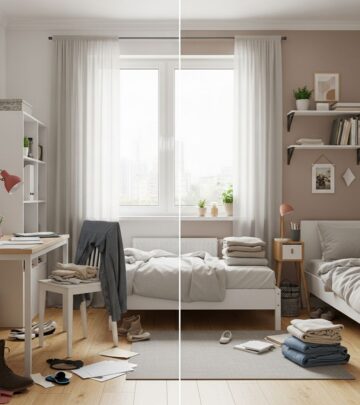
Clutter builds up quietly. One extra pair of shoes by the door, a few more pantry items, an overflowing drawer, and suddenly every surface feels crowded. Thoughtful DIY storage solutions can completely change how a home feels and functions, without requiring a major renovation or a huge budget.
This guide explores creative, practical ways to add storage to every room using simple materials, smart layouts, and multipurpose pieces. The goal is not just to hide stuff, but to make it easy to find, use, and put away again.
Rethinking Storage: Start With How You Live
Before picking up a single bin or drill, take a step back and evaluate how your household actually uses each room. Storage that matches real habits is far more likely to stay organized over time.
- Identify your daily drop zones: Entry tables, kitchen counters, and bedroom chairs often become clutter magnets. Plan storage right where clutter naturally lands.
- Group items by activity: Keep everything needed for a task in one area—coffee supplies near the coffee maker, homework supplies by the dining table, cleaning tools near laundry.
- Measure before you buy: A few minutes with a tape measure prevents mismatched bins and shelves that waste precious inches.
Vertical Space: Your Most Underused Storage Zone
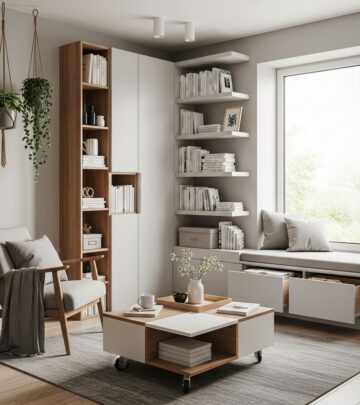
Walls, doors, and even the sides of cabinets are prime real estate. Using vertical space adds storage without shrinking floor area or blocking walkways.
Wall Systems That Work Hard
Wall-based storage can be fully custom or very simple. The key is mixing hooks, shelves, and containers so you can adapt as your needs change.
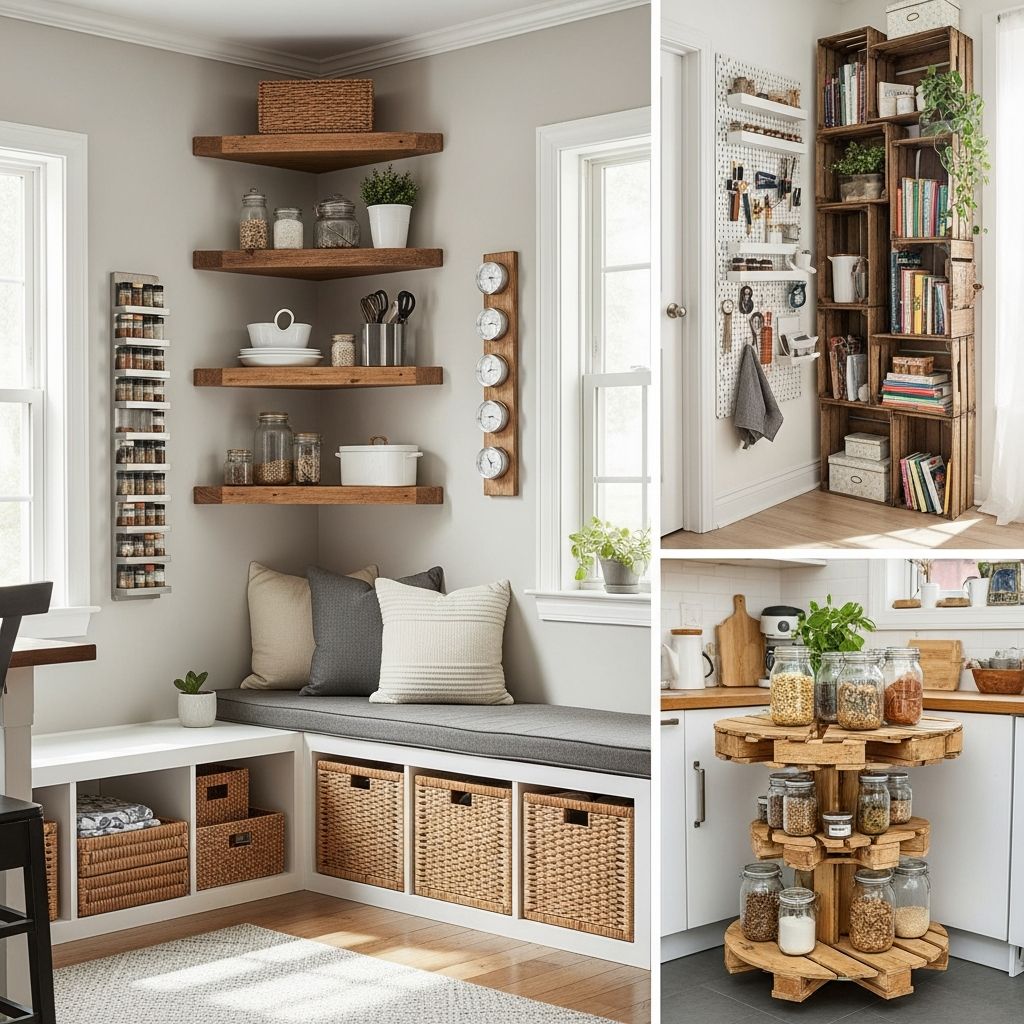
- Rail systems: Install a horizontal rail and add hooks, baskets, or small shelves for kitchen tools, office supplies, or craft materials.
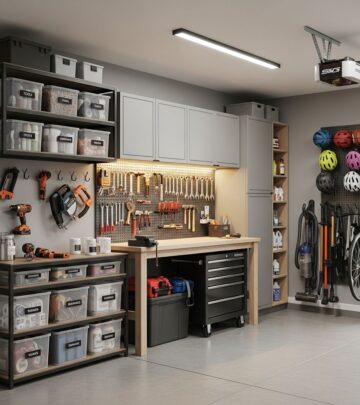
- Pegboards: Painted pegboard with adjustable hooks and shelves is ideal for garages, studios, pantries, or utility rooms.
- Floating shelves: Use in narrow hallways, above toilets, or over desks to hold books, decor, and everyday essentials.
Back-of-Door Storage Ideas
Doors are often blank surfaces that can quietly hold a surprising amount of storage.
- Over-the-door organizers: Use clear-pocket organizers for snacks, toiletries, cleaning sprays, or kids’ art supplies.
- Shallow racks: Install slim shelves inside closet doors for spices, wraps, or small pantry items.
- Command hooks and strips: Hang bags, scarves, belts, or lightweight tools without drilling—perfect for renters.
Multifunctional Furniture That Hides Storage in Plain Sight
Furniture that handles more than one job saves space and simplifies layouts. When choosing new pieces, look for hidden compartments, shelves, or lift-up tops.
Living Room Workhorses
The living room often has to handle lounging, entertaining, working, and playing, so storage here needs to be flexible and subtle.
- Storage ottomans: Choose one with a hinged lid to hide blankets, games, or remote controls.
- Side tables with shelves or drawers: Keep chargers, coasters, and reading materials within reach but out of sight.
- Media units with doors: Closed storage prevents visual clutter from electronics, wires, and accessories.
Space-Savvy Bedroom Pieces
The bedroom should feel calm. Smart storage helps keep everyday items accessible while keeping surfaces clear.
- Storage beds: Opt for built-in drawers or slide low bins underneath to store off-season clothes or extra bedding.
- Nightstands with real storage: Drawers or cabinets are more useful than tiny tables that only hold a lamp.
- Benches with built-in compartments: Place at the foot of the bed to store shoes, linens, or workout gear.
Kitchen and Pantry: Making Every Inch Count
In most homes, the kitchen is the busiest room and the easiest to overload. Well-planned storage keeps meal prep efficient and counters clear.
Cabinet and Drawer Upgrades
Small interior tweaks can double the usable space inside cabinets and drawers.
- Pull-out organizers: Sliding trays or baskets bring items at the back of deep cabinets within reach.
- Tiered risers: Use in cabinets for canned goods, spices, or dishware so you can see everything at a glance.
- Drawer dividers: Segment utensils, tools, and snack pouches to keep drawers neat and easy to maintain.
Pantry Containers and Labels
Clear, consistent containers simplify both shopping and cooking. You see what you have and what you are running low on.
- Stackable bins: Use for snacks, baking supplies, and breakfast items to group like with like.
- Matching jars and canisters: Decant dry goods like rice, pasta, and cereal into airtight containers for a tidy, uniform look.
- Labels: Simple labels on shelves and containers guide everyone in the household to put items back correctly.
| Zone | Common Clutter | DIY Storage Solution |
|---|---|---|
| Countertops | Mail, keys, gadgets | Wall-mounted mail sorter, key hooks, charging tray |
| Cabinets | Stacked pots, lost lids | Pan racks, lid organizers, pull-out shelves |
| Drawers | Mixed utensils, tools | Expandable dividers, small boxes for categories |
| Pantry | Scattered snacks, duplicates | Clear bins by category, labeled shelves |
Closets That Actually Stay Organized
Most closets come with a single rod and one shelf, which wastes valuable vertical and floor space. Adding layers transforms an overstuffed closet into a system that works.
Maximizing Hanging and Shelving
Think of your closet as a mini room that can be zoned from floor to ceiling.
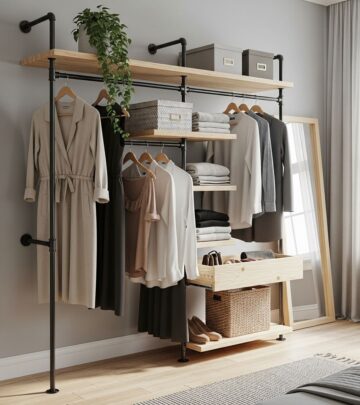
- Double hanging rods: Add a second rod below the main one for shorter items like shirts, skirts, and folded pants.
- Cube or cubby units: Stackable cubes hold shoes, sweaters, or bags and prevent teetering piles.
- High shelves: Use the very top of the closet for infrequently used items in clearly labeled bins.
Small Closet Tricks
In tiny closets, every hook, hanger, and angle matters.
- Slim, matching hangers: Uniform hangers save space and help clothes hang smoothly.
- Door organizers: Hang shoes, accessories, or small folded items on the back of the door.
- Tiered hangers: Use cascading hangers for scarves, pants, or tank tops to open up rod space.
Bathroom Storage That Feels Spa-Like
In bathrooms, space is usually tight and surfaces are small. Smart storage keeps products accessible while helping the room feel calm and uncluttered.
Over, Under, and Beside the Sink
One sink can host many storage layers when planned thoughtfully.
- Under-sink bins: Use stackable bins or pull-out baskets around plumbing lines for cleaners and refills.
- Over-the-toilet shelving: Narrow shelving above the toilet adds space for towels, tissue, and decor.
- Countertop trays: Corral everyday items on a tray so the surface looks intentional, not cluttered.
Wall and Door Solutions
Open wall stretches can be turned into towel, product, or accessory storage.
- Towel hooks instead of bars: Hooks hold more towels and work better for kids or guests.
- Medicine cabinet upgrades: Add small magnetic containers or shelves inside the door for tiny items.
- Shower caddies: Use tension-pole or over-the-showerhead caddies to keep bottles off ledges.
Kid-Friendly Storage That Encourages Tidying
Children are more likely to help clean up when storage is low, simple, and clearly defined. Think broad categories, durable materials, and easy access.
Playroom and Bedroom Solutions
Instead of aiming for picture-perfect shelves, focus on systems kids can realistically maintain.
- Open bins and baskets: Large, labeled containers work better than tiny, fussy organizers.
- Front-facing book displays: Shallow ledges or racks that show book covers make reading more appealing and easier to tidy.
- Color or picture labels: Use images or colors on bins so even non-readers know where things belong.
Shared and Entry Spaces for Families
Where kids and adults share space, each family member should have a clearly marked spot for personal items.
- Cubby systems: Assign each person a hook and bin for bags, shoes, and seasonal gear near the door.
- Rolling carts: Use carts for art supplies, homework tools, or diaper items that can move between rooms.
- Low hooks and rails: Hang hooks at child height for coats, backpacks, and hats.
Hidden and Overlooked Spaces You Can Use
Once main surfaces are organized, hidden nooks can handle overflow and specialty items. These extra spots often make the difference between “almost organized” and truly peaceful spaces.
Under, Above, and Between
Look beneath furniture, above doorways, and in narrow gaps.
- Under-furniture storage: Use low rolling bins under sofas, beds, and benches for linens or seasonal decor.
- Over-door shelves: Install simple shelves a few inches above door frames for rarely used items.
- Between-appliance carts: Slide a narrow rolling cart between the fridge and wall or washer and dryer.
Garage, Basement, and Utility Areas
These zones can quickly turn into catch-alls without a basic structure.
- Wall-mounted tracks: Hang rakes, shovels, sports gear, and hoses off the floor.
- Heavy-duty shelving: Use sturdy shelves with labeled bins for tools, paint, and seasonal decor.
- Ceiling storage: Overhead racks or suspended platforms are ideal for bulky, light items like holiday decor or camping gear.
Renter-Friendly Storage Hacks
If you cannot drill or make permanent changes, there are still many ways to boost storage using removable products and flexible furnishings.
No-Drill Solutions
Temporary hardware has improved dramatically, making it possible to hang and organize without damaging walls.
- Adhesive hooks and strips: Hang lightweight shelves, utensils, keys, or small baskets.
- Tension rods: Use inside cabinets for cleaning bottles, or in windows and nooks to hang fabric pockets.
- Freestanding shelves: Place tall bookcases and storage towers in closets or against walls for instant vertical storage.
Portable and Flexible Pieces
Pieces that can move with you are ideal when you are renting or planning to rearrange often.
- Rolling carts: Use in kitchens, baths, craft areas, and home offices as mobile storage.
- Collapsible bins: Fabric or soft-sided bins fold flat when not in use and adapt to different spaces.
- Modular cube systems: Reconfigure cubes horizontally, vertically, or as nightstands and media units in new homes.
Maintaining Your New Storage Systems
The best storage solution is one you can keep up without a lot of effort. Build small habits around your new systems so they continue to work for you.
- Set realistic categories: Instead of micro-sorting, use broad groups like “tools,” “snacks,” or “office supplies.”
- Schedule mini-resets: Spend 5–10 minutes a day putting things back into their zones.
- Adjust seasonally: Rotate items like coats, decor, and sports gear so prime spaces go to what you use most now.
Frequently Asked Questions About DIY Storage
How do I start organizing when I feel overwhelmed?
Begin with one small area that you see and use every day, such as a single drawer or one section of the kitchen counter. Declutter first, keeping only what you use and love, then add containers or organizers sized for the items that remain. Small, visible wins build motivation to tackle the next space.
What is the most cost-effective storage solution?
Using what you already have is usually the most budget-friendly approach. Repurpose shoe boxes, jars, baskets, and leftover containers as drawer organizers, pantry bins, or craft storage. Combine these with a few key upgrades like hooks, rails, or one sturdy shelving unit to create a strong overall system.
How can I add storage to a very small apartment?
Focus on vertical surfaces, multi-purpose furniture, and hidden spaces. Wall shelves, over-door racks, and under-bed bins provide a lot of capacity without crowding floors. Choose furniture with built-in storage, like ottomans and benches, to add function without extra pieces.
How often should I declutter once my storage is set up?
Light maintenance every week and deeper decluttering a few times a year works for most households. A quick weekly sweep keeps surfaces tidy, while seasonal reviews help you let go of items you no longer use, making sure your storage works for your current lifestyle.
Do I need matching containers for good storage?
Matching containers can create a cleaner, more cohesive look, but they are not required for a functional system. What matters most is that containers fit the space, suit the items they hold, and are simple enough for everyone in the home to use consistently.
Similar Articles


Read full bio of medha deb