Smart Fixes for Everyday Clutter: Problem-Solving Organizing Products for Every Room
Tackle frustrating messes with clever products that quietly solve everyday organizing problems.
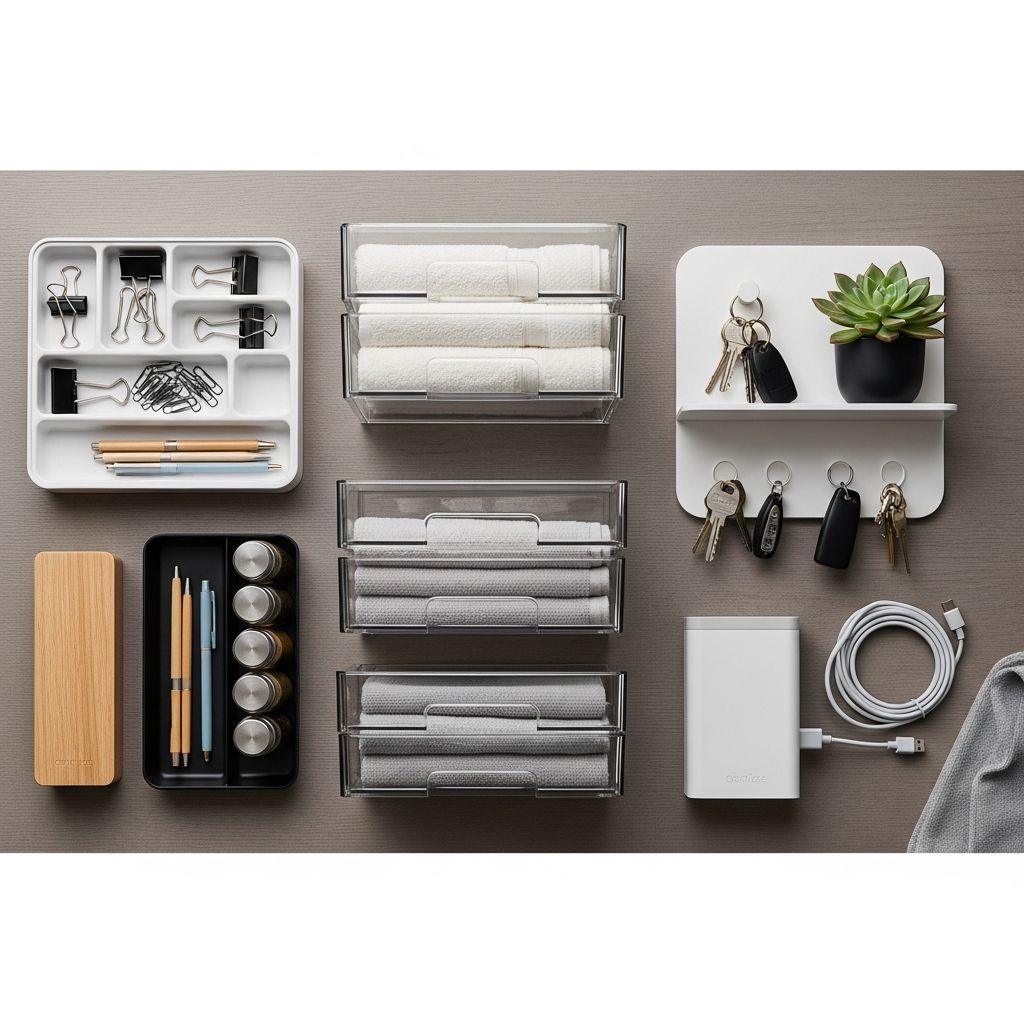
Clutter rarely comes from a lack of effort; it usually comes from a lack of the right systems. Problem-solving organizing products bridge that gap by turning chaotic spaces into intuitive, easy-to-maintain zones. Instead of focusing on perfection, this guide focuses on home organizers that quietly fix daily frustrations: piles on the counter, overflowing drawers, lost lids, tangled cords, and more.
This article walks through each major area of the home, explaining which types of products solve common problems, how to use them effectively, and what to look for when you shop. The goal is not to buy more stuff, but to invest in tools that make your home work better for the way you actually live.
Why Problem-Solving Products Matter More Than Pretty Bins
It is easy to be drawn to pretty baskets and color-coordinated labels, but the most effective organizing tools are those that remove friction from your daily routines. If a product makes it faster to put something away than to leave it out, clutter almost disappears on its own.
- Good organizing products reduce the number of decisions you make every day, which lowers the mental load of keeping a home tidy.
- The best tools meet you where you are: they allow for quick, imperfect tidying instead of demanding meticulous perfection.
Before buying anything, identify the actual irritation: Are you constantly searching for something? Are surfaces always buried? Do you forget what you own? Then choose a product that directly addresses that pain point.
Kitchen Solutions: Turn Chaos into Work Zones
The kitchen is often the busiest, most cluttered room in the home. Smart organizing products can transform it from a catch-all zone into a functional workspace. Focus on vertical space, deep cabinets, and the areas that collect random items.
High-Impact Kitchen Organizers
- Turntables (Lazy Susans): Ideal for condiments, oils, and sauces; they eliminate the need to dig in the back of a cabinet and keep everything accessible with a quick spin.
- Pull-out cabinet organizers: Sliding baskets or tracks for pots, pans, cleaning products, or food storage containers so you can see and reach items in deep cabinets without unloading everything.
- Expandable shelf risers: Add a second tier inside cabinets, doubling storage for dishes, mugs, or canned goods in the same footprint.
- Pan and lid racks: Stand baking sheets, cutting boards, and pot lids upright so they no longer topple like dominoes every time you cook.
| Problem | Product Type | How It Helps |
|---|---|---|
| Lost spices and condiments in deep cabinets | Turntables or tiered spice risers | Brings items to the front and makes all labels visible. |
| Stacked pots and pans that are hard to access | Pan organizers or pull-out shelves | Separates pieces and allows you to grab one without toppling the rest. |
| Food storage lids scattered everywhere | Lid dividers or small standing file racks | Stands lids upright by size for fast matching and put-away. |
| Overflowing under-sink area | Stackable bins and sliding caddies | Contains cleaners, trash bags, and sponges in defined zones. |
To keep your kitchen systems sustainable, avoid overly complicated organizers. Choose open bins, clear containers, and easy-in, easy-out solutions that work even when you are in a rush.
Bathroom and Vanity: Contain the Small Stuff
Bathrooms tend to overflow with tiny items—travel bottles, cosmetics, hair tools, and medicine. Problem-solving organizers here reduce visual clutter and make your morning and evening routines smoother.
Smart Bathroom Storage Ideas
- Drawer organizers: Use shallow, modular trays for toothbrushes, razors, cosmetics, and skincare so items do not roll together and disappear.
- Stackable countertop drawers: Great for makeup or frequently used products; they keep items visible while protecting them from dust and splashes.
- Over-the-door racks: Use on doors or shower panels to store towels, robes, or extra toiletries in small bathrooms.
- Under-sink caddies: A two-tier or sliding caddy makes use of vertical space around plumbing, keeping backups and cleaning supplies easy to grab.
When organizing bathroom products, think in routines: morning care, evening care, hair care, guest use. Group items by how and when they are used instead of by brand or color.
Closets: Turn Piles into Categories
Closets are notorious for hiding unused items and making it hard to see what you actually wear. The right products can quickly transform them from black holes into curated, easy-to-browse spaces.
Closet Products that Make a Big Difference
- Slim, non-slip hangers: Create instant visual calm and allow more pieces to hang in the same space while preventing clothes from slipping to the floor.
- Hanging shelves and cubbies: Ideal for sweaters, jeans, or handbags that do not need to be on hangers and tend to end up in teetering piles.
- Clear shoe boxes or shoe racks: Protect shoes while keeping them visible so you do not forget what you own.
- Shelf dividers: Keep stacked items like sweaters, towels, or purses from collapsing into each other.
Whenever possible, store clothes and accessories at eye-level and within arm’s reach. Reserve high shelves for out-of-season or rarely used items in labeled bins to reduce decision fatigue when getting dressed.
Entryway and Drop Zones: Control the Daily Dump
The entryway is where clutter generally begins: keys, bags, shoes, mail, and backpacks land here every day. Problem-solving products in this area can stop messes before they spread through the rest of the home.
Entryway Organizing Essentials
- Wall-mounted hooks or rails: Offer quick, no-fuss homes for coats, bags, hats, and umbrellas so they are not draped over furniture.
- Bench with hidden storage: Combines seating for putting on shoes with a place underneath for baskets, bins, or cubbies.
- Dedicated mail sorter: A vertical file, wall pocket, or tiered tray to separate incoming papers, bills, and items needing action.
- Trays and bowls for small items: A shallow tray or dish near the door for keys, sunglasses, and wallets gives everything a predictable landing zone.
Think of your entry as a mini command center. Create clear, labeled spots for each family member’s essentials so mornings and evenings become smoother and less frantic.
Living Room and Family Spaces: Hide Clutter in Plain Sight
Living rooms must balance comfort and function. They host remote controls, blankets, games, electronics, and more. The right products allow these items to stay close at hand without visually overwhelming the room.
Discreet Storage That Works Hard
- Storage ottomans and coffee tables: Choose pieces with lift-up tops or drawers so blankets, magazines, games, and toys can be tucked away between uses.
- Decorative baskets: Place baskets by the sofa for throws, game controllers, or kid toys for fast cleanup before guests arrive.
- Remote and device caddies: A small organizer on a side table keeps remotes, chargers, and reading glasses from wandering.
- Media and game organizers: Use divided bins or boxes for game controllers, cables, and DVDs to reduce tangles and lost items.
Choose storage that matches your decor so it blends seamlessly. When storage is attractive, there is less temptation to leave items scattered in plain sight.
Home Office and Paperwork: Tame the Paper Pile
Papers, tech accessories, and office supplies can take over surfaces quickly. Problem-solving organizing products here focus on quick categorization and clear visibility so tasks feel manageable instead of overwhelming.
Office Products That Boost Productivity
- Vertical file sorters: Stand papers or folders upright and divide them by status, such as “to pay,” “to file,” or “to read,” rather than creating towering stacks.
- Labelled magazine holders: Store manuals, reference materials, or kid school papers in a tidy row instead of scattered piles.
- Desk drawer organizers: Segment pens, sticky notes, paper clips, and small tools to prevent the infamous junk drawer effect.
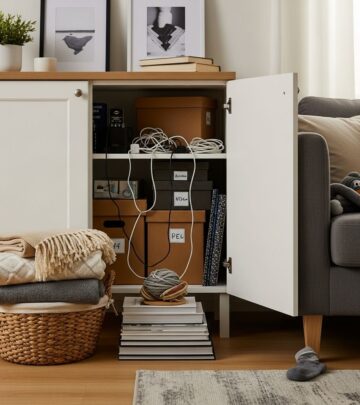
- Cable management tools: Use clips, cord sleeves, or under-desk trays to keep chargers, power strips, and cords from becoming a tangled mess.
When setting up a home office, create a small, dedicated area for incoming paper and a weekly habit of clearing it out. The products you choose should support that routine, not just look tidy for a day.
Small-Space Solutions: Go Vertical and Multi-Functional
In apartments and compact homes, every inch counts. The best problem-solving products for small spaces make use of vertical surfaces and furniture that serves multiple purposes.
Maximizing Space with Smart Products
- Over-the-door organizers: Use the back of doors for shoes, snacks, cleaning supplies, or accessories rather than cluttering floors or shelves.
- Wall-mounted shelves and pegboards: Lift items like tools, craft supplies, or kitchen utensils off counters and into organized, visible zones.
- Under-bed storage: Use low bins or rolling drawers for off-season clothes, extra linens, or bulky items you do not need daily access to.
- Foldable baskets and bins: Collapse them when not in use to avoid storing empty containers in already-tight spaces.
Always measure before buying space-saving products. A well-fitted organizer can transform a tiny area, whereas the wrong size becomes more clutter.
How to Choose the Right Organizing Products
Not every trendy organizer will suit your home or habits. Thoughtful selection prevents wasted money and abandoned products that become clutter themselves.
Key Questions to Ask Before You Buy
- Where will this live long term? If you cannot name a specific spot, the product may not be necessary.
- Does this match how I naturally put things away? If you usually toss rather than fold, opt for open bins instead of intricate folding systems.
- Is it easy to clean and maintain? Smooth surfaces and wipeable materials tend to last longer in busy households.
- Can this product adapt if my needs change? Adjustable dividers, modular bins, and expandable shelves grow with you.
The best organizing product is the one you will actually use consistently. Simplicity almost always beats complexity in the long run.
Common Organizing Mistakes to Avoid
- Buying containers before decluttering: Always reduce what you own before investing in storage, or you will simply organize excess.
- Over-labeling tiny spaces: Labels are helpful, but too many can become visual noise and are unnecessary for very small categories.
- Choosing form over function: Beautiful baskets that are too tall or too narrow will frustrate you and end up unused.
- Ignoring kids’ and partners’ habits: Systems only work if everyone can follow them easily, without extra steps or complicated rules.
When in doubt, observe how your household naturally uses a space for a week. Then choose products that support those patterns instead of fighting them.
Maintenance Tips: Make Your Systems Stick
Organizing once is helpful; maintaining your systems is where the real payoff lives. A few simple habits keep your home from sliding back into chaos.
Small Habits, Big Impact
- Do a five-minute reset each evening, returning items to their assigned bins, hooks, and shelves.
- Use the “one in, one out” rule for clothing, toys, and decor: when something new comes in, donate or discard a similar item.
- Review high-traffic zones monthly and adjust product placement if you find yourself constantly ignoring a system.
- Keep a small donation box somewhere accessible and drop items in as you notice you no longer use them.
Remember that organizing is not a one-time event but an evolving process. As your life changes, your systems and products should change with you.
FAQs: Problem-Solving Organizing Products
Do I need to buy organizers before I declutter?
Answer: It is better to declutter first, then measure and buy products that fit what remains. This prevents overspending and ensures every organizer has a clear purpose.
How can I organize on a small budget?
Answer: Start by reusing items you already own: shoeboxes, jars, tins, and baskets can serve as temporary organizers. Focus on a few high-impact purchases like hooks, basic bins, or drawer dividers and expand gradually.
Are clear containers always the best choice?
Answer: Clear containers are helpful when you need visual reminders of what you own, such as pantry staples or craft supplies. For items you do not want to see—like cleaning rags or cords—opaque bins may reduce visual clutter better.
What should I do if my family does not follow the system?
Answer: Simplify further. Use larger categories, fewer steps, and more open storage. Involve family members in choosing products and locations so the systems feel natural to them.
How often should I update my organizing products?
Answer: Review your systems at least once or twice a year, or whenever you experience a major life change such as moving, welcoming a baby, or changing jobs. Replace or repurpose products that no longer earn their keep.
Final Thoughts
Problem-solving organizing products are not about achieving a picture-perfect home; they are about making daily life easier. When every item has a logical, easy-to-reach place, tidying becomes quick, stress fades, and your home begins to feel more peaceful and efficient.
Start small—one drawer, one shelf, or one corner at a time—and choose products that solve a specific problem you face every day. Over time, those small improvements add up to a home that supports you instead of working against you.
Similar Articles






Read full bio of Sneha Tete