The Smart Gardener’s Guide to Expandable Hoses
Lightweight, space-saving, and surprisingly powerful—here’s how to choose the right expandable garden hose for your yard.
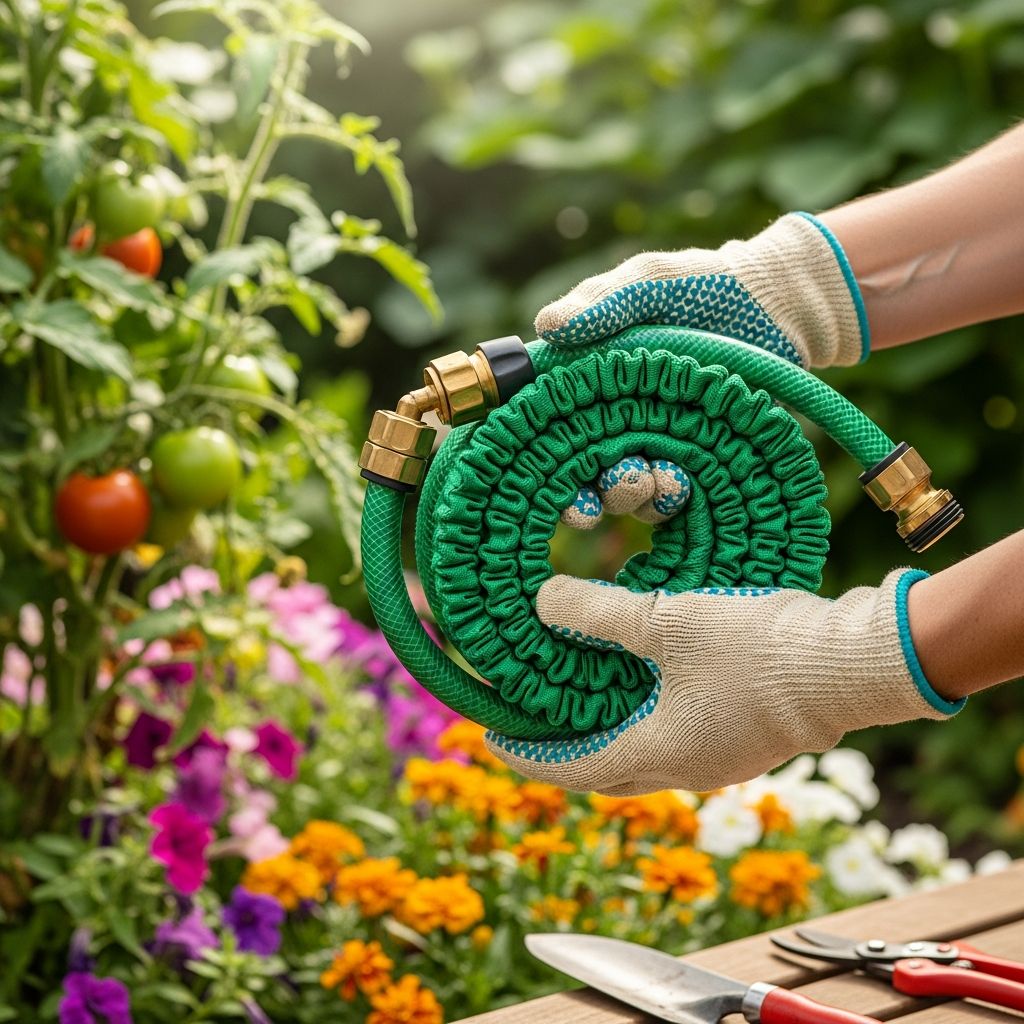
Expandable garden hoses have changed the way many homeowners water lawns, wash cars, and clean patios by offering powerful performance in a lightweight, compact package. This guide explains how they work, why they are so popular, what to watch out for, and how to choose and care for one that actually lasts.
What Exactly Is an Expandable Hose?
An expandable hose is a flexible water hose designed to lengthen dramatically when pressurized and then shrink back down when the water is turned off. Typically, it consists of an inner elastic tube protected by a durable outer fabric sheath, allowing it to stretch several times its stored length and then recoil for easy storage.
Most models are significantly lighter than conventional rubber or vinyl hoses and take up only a fraction of the space in a shed, garage, or on a hose hanger. This combination of compact storage and full-length reach makes them especially appealing for small yards, patios, and users who prefer hassle-free tools.
How Expandable Hoses Work
When you open the faucet, water pressure flows into the hose’s inner core, which is usually made of latex, TPE, or another stretchable material. As the pressure builds, this core elongates and the outer fabric sleeve stretches with it, transforming a short, limp hose into a long, usable line.
Once you shut off the water at the spigot and release the pressure by squeezing the nozzle, the elastic core contracts and pulls the fabric back into a compact form. This automatic shrinking eliminates the need to wrestle with heavy coils and makes cleanup quick and simple.
Key Advantages of Expandable Garden Hoses
Expandable hoses offer several real-world benefits that make them attractive to everyday gardeners, renters, and even RV owners. While they are not perfect for every situation, their strengths match the needs of many typical home users extremely well.
- Lightweight handling: The materials used in expandable hoses keep weight low, making them easier to carry, drag around obstacles, and move between outdoor faucets.
- Minimal kinks and tangles: The flexible construction and expanding core reduce the sharp bends that usually cause kinking in traditional hoses, leading to more consistent water flow.
- Space-saving storage: Because the hose contracts when depressurized, it can be stored in small buckets, compact hose pots, or on a simple hook rather than a bulky reel.
- Easier setup and takedown: The hose extends itself under pressure and returns to a smaller size afterward, reducing the wrestling match many people experience with stiff rubber hoses.
- Comfort for users with limited strength: Older gardeners or anyone with back or joint issues often find expandable hoses more comfortable to manage than comparable-length conventional hoses.
Potential Drawbacks and Limitations
Despite their benefits, expandable hoses are not the perfect choice for every yard or task. Understanding their limitations will help you decide where they fit in your outdoor setup and how to avoid premature failure.
- Durability concerns: The elastic inner tube and woven outer layer can be more prone to punctures, abrasion, and damage from sharp edges than thick rubber hoses if dragged over rough surfaces.
- Sensitivity to pressure and heat: Excessively high water pressure or leaving the hose pressurized in the sun for long periods can stress the materials and shorten the hose’s lifespan.
- Less ideal for heavy-duty use: Frequent use with high-pressure nozzles, pressure washers, or commercial applications may be better served by a conventional, heavy-duty rubber or hybrid hose.
- Requires some care in storage: These hoses benefit from being fully drained, kept out of freezing conditions, and protected from prolonged UV exposure, which adds a small maintenance step.
Expandable vs. Traditional Garden Hoses
Choosing between an expandable hose and a standard rubber or vinyl hose often comes down to how and where you plan to use it. The table below highlights some practical differences to consider when deciding which style is better for your home.
| Feature | Expandable Hose | Traditional Hose |
|---|---|---|
| Weight | Very light; easy to carry and drag around the yard. | Heavier; can be tiring to move, especially in long lengths. |
| Storage space | Contracts when not in use; fits in small containers or on a simple hook. | Remains full length; often requires a reel or large hanger. |
| Tendency to kink | Generally resists kinks and tangles when pressurized. | More prone to kinks, especially if coiled poorly. |
| Durability | Can be vulnerable to punctures and abrasion from rough surfaces. | Typically tougher against dragging, crushing, and rough use. |
| Best use cases | Small to medium yards, patios, light washing, and quick chores. | Large lawns, high-pressure applications, and frequent heavy-duty tasks. |
For many homeowners with modest watering needs, an expandable hose can replace a bulky traditional hose completely. Those with very large properties or heavy equipment may prefer to keep both types on hand for different tasks.
Important Buying Factors to Consider
Not all expandable hoses are created equal, and paying attention to a few technical details can dramatically increase your chances of getting a hose that lasts more than one season. Use the following factors as a checklist when comparing options online or in a store.
- Length (expanded vs. stored): Most models list their length when fully extended, such as 25, 50, 75, or 100 feet. Consider the distance from your outdoor faucet to the farthest point you need to reach, and remember that the hose will appear much shorter when depressurized.
- Number of core layers: Inner tubes often use two or more layers of latex or equivalent material. Multiple layers can improve resistance to leaks and bursts, though they may add slightly to the hose’s weight.
- Outer fabric quality: A tightly woven, abrasion-resistant fabric sleeve protects the core from scuffs, punctures, and UV exposure. Look for reinforced stitching around the hose ends where stress is greatest.
- Fittings and connectors: Brass or other metal fittings are usually more durable than plastic connectors and less likely to cross-thread or crack. Built-in shutoff valves at the hose end add convenience when changing attachments.
- Stated pressure rating: Many hoses list a maximum or “burst” pressure. Choosing a model with a comfortable margin above your local water pressure can help prevent failures.
- Nozzle compatibility: Some hoses include a multi-pattern spray nozzle, while others are sold alone. Decide whether you want an all-in-one kit or prefer to use a favorite nozzle you already own.
- Warranty and support: A clear warranty and responsive customer service can provide peace of mind, especially if this is your first experience with an expandable design.
Who Benefits Most from an Expandable Hose?
While nearly anyone can appreciate a lighter, more compact hose, certain situations and lifestyles gain particular value from the expandable style. Thinking about how you actually use water outdoors can help you decide if it is the right fit.
- Urban and small-space gardeners: If you mainly water container plants, balcony gardens, or a compact backyard, a full-size conventional hose and reel often feels excessive, while an expandable hose tucks neatly into a corner.
- Renters and frequent movers: People who change homes more often may prefer a hose that is easy to pack, lightweight, and less of a hassle to transport from one property to another.
- Older adults and those with mobility challenges: The reduced weight and lower resistance when pulling the hose make basic outdoor chores less physically demanding.
- RV owners and travelers: Expandable hoses can provide full-sized reach at campsites while collapsing small enough to fit into tight storage bays.
Practical Tips for Using an Expandable Hose
Good habits during setup and daily use will help your hose perform reliably. These steps require only a few extra seconds each time but can significantly reduce stress on the hose’s materials.
- Attach the hose to the faucet securely and ensure the end nozzle or shutoff valve is closed before turning on the water.
- Open the faucet gradually so the hose can expand smoothly instead of being shocked by a sudden pressure surge.
- Allow the hose to fully extend before walking far or pulling sharply around corners, which can strain fittings.
- Avoid dragging the hose across sharp gravel, metal edges, or thorns that could puncture the outer sleeve.
- When finished, close the faucet, open the nozzle, and let the remaining water drain out as the hose contracts.
- Coil the contracted hose loosely or place it in a storage container rather than wrapping it very tightly, which can create pressure points.
How to Store and Maintain Your Expandable Hose
Proper care extends the life of any garden hose, but it is especially important for expandable models that rely on flexible inner cores. Fortunately, maintenance is simple and mainly involves protecting the hose from extreme conditions.
- Keep it out of prolonged sun: Long-term UV exposure can weaken fabrics and elastic materials, so storing the hose in a shaded area or indoors when not in use is beneficial.
- Avoid freezing with water inside: In cold climates, always drain the hose completely and store it in a place where it will not freeze, since ice can damage the inner tube and fittings.
- Inspect ends and connections: Periodically check the couplings and attachment points for signs of wear, seepage, or loosened parts, tightening or replacing components as needed.
- Clean lightly if dirty: If mud or debris builds up on the outer fabric, a quick rinse and gentle brush can prevent grit from wearing into the weave.
With these simple steps, many users can enjoy their expandable hose for multiple seasons, making the purchase more economical over time.
Basic Safety and Troubleshooting
Although expandable hoses are straightforward tools, a few safety-minded habits and simple fixes can prevent most common problems. Paying attention to early signs of trouble helps you address issues before they turn into full failures.
- Do not exceed recommended pressure: If your property has very high water pressure, consider using a pressure regulator at the spigot to protect the hose.
- Watch for bulges or soft spots: Areas that look unusually swollen or excessively soft may indicate internal damage and should be monitored or the hose replaced.
- Check for drips at fittings: If you notice water leaking where the hose connects, verify that the gasket is in place and in good condition, and hand-tighten the fitting.
- Retire severely damaged hoses: Large splits in the inner tube or heavily frayed fabric sleeves often signal that it is time for a replacement rather than repeated patching.
FAQs About Expandable Garden Hoses
Do expandable hoses really last?
Longevity depends heavily on material quality and user habits. Higher-quality hoses with reinforced cores and strong outer fabric, combined with careful use and proper storage, can last for several seasons, while bargain options or poorly maintained hoses may fail much sooner.
Can an expandable hose be used with a pressure washer?
Most manufacturers design expandable hoses for typical household spigot pressures rather than for direct connection to pressure washers. To avoid ruptures or voiding warranties, it is usually better to use a traditional high-pressure hose between the washer and the water source.
Why does my hose not expand fully?
Insufficient water pressure, partially closed valves, or restrictions in the line can prevent the hose from reaching its advertised length. Check that the faucet is fully open, the nozzle is closed during expansion, and there are no kinks or obstructions along the hose path.
Is drinking water from an expandable hose safe?
Unless the product is clearly labeled as safe for potable water, it is best not to drink from any garden hose. Many hoses are intended only for irrigation or cleaning, and using a certified drinking-water-safe hose is the safer choice for filling pet bowls or children’s pools.
Can I repair a small leak in an expandable hose?
Minor leaks near the fittings may be fixable by replacing washers or trimming and reattaching the end with a new connector. However, punctures in the middle of the hose or damage to the inner core are more difficult to repair reliably, and replacing the hose is often the better long-term solution.
Final Thoughts for Smart Buyers
An expandable garden hose offers a compelling mix of convenience, comfort, and space savings that suits many modern households. By understanding how these hoses work, where they shine, and where they fall short, you can select a model that turns watering and outdoor cleanup into faster, easier tasks rather than frustrating chores.
If you match hose length to your yard, look for quality materials and fittings, and follow a few simple care practices, an expandable hose can be one of the most useful – and surprisingly enjoyable – tools in your entire outdoor toolkit.
Similar Articles






Read full bio of medha deb