Smart Guide to Easy-to-Assemble Furniture: Style, Simplicity and Stress-Free Setup
Turn flat packs into fabulous rooms with less stress, less time and more style.
Smart Guide to Easy-to-Assemble Furniture
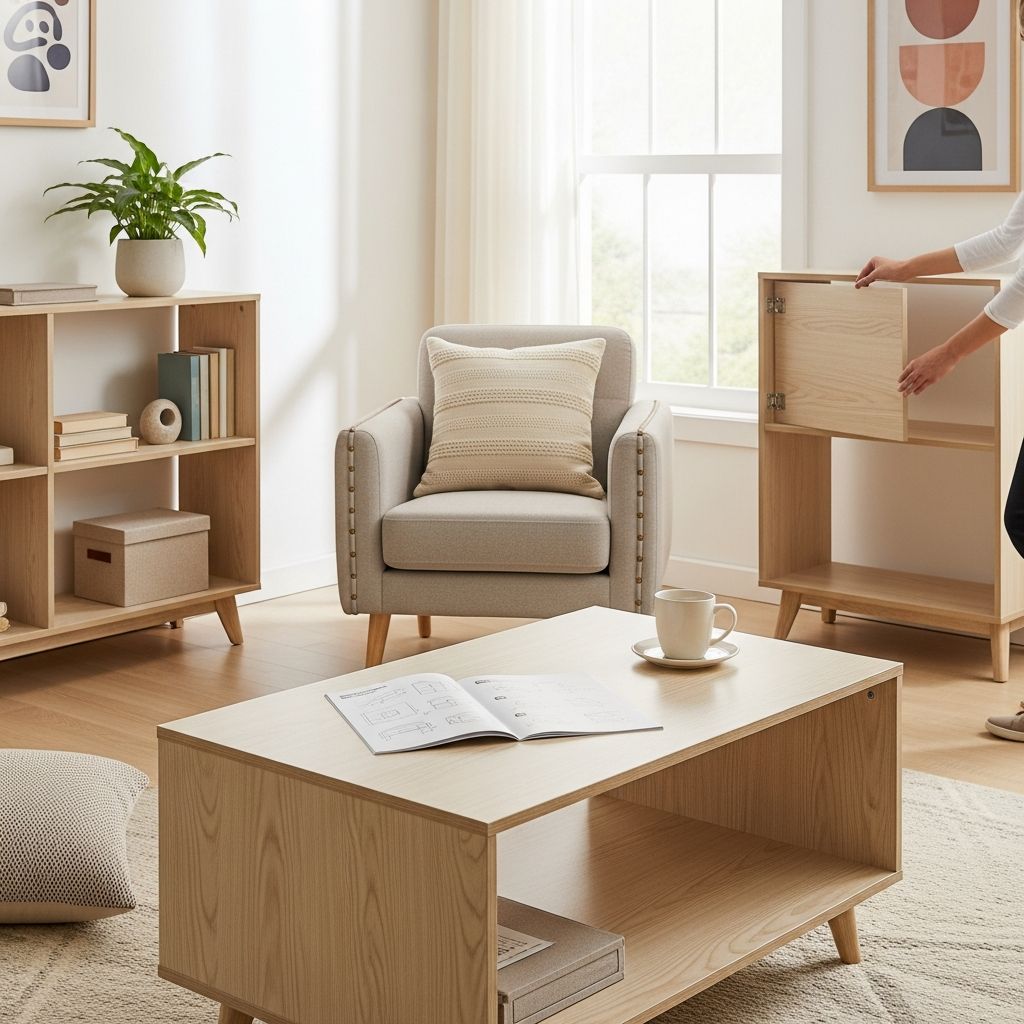
Easy-to-assemble furniture makes it possible to transform a room in an afternoon instead of over a full weekend. With the right strategy, you can enjoy the savings and flexibility of flat packs without the usual frustration of confusing instructions and missing screws.
Why Easy-to-Assemble Furniture Fits Modern Life
Homes are changing faster than ever: people move more often, live in smaller spaces and want flexible rooms that can adapt from work to relaxation. Easy-to-assemble furniture fits this lifestyle because it arrives compact, is usually more affordable and can be reconfigured or moved when your needs change.
Instead of committing to heavy, permanent pieces, you gain the freedom to experiment with layouts, swap items between rooms and refresh your style without hiring a delivery crew or a carpenter each time.
- Ideal for renters, students and first-time homeowners.
- Helps small homes feel larger through smart, modular designs.
- Reduces upfront costs so you can furnish more rooms on a budget.
Main Types of Easy-to-Assemble Furniture
Not all self-assembly furniture is created equal. Understanding the main categories helps you pick pieces that match your skills, time and long-term plans for the space.
Flat-Pack Essentials
Flat-pack furniture arrives in slim boxes with panels, hardware and an instruction booklet. It is popular because it is compact to ship and usually cheaper than fully assembled options.
- Shelving and bookcases: Often the simplest category, great for beginners.
- TV stands and media units: Slightly more complex because of cable openings and doors.
- Wardrobes and large cabinets: Space-saving but heavier, often best assembled near their final position.
Tool-Free and Click-Together Systems
Some brands now offer systems that slide, click or twist together with minimal tools. These designs are especially helpful for people with limited DIY experience or strength.
- Pieces lock together via hidden clips or tracks.
- Assembly often takes minutes instead of hours.
- Ideal for temporary setups such as dorm rooms, short-term rentals or home offices that might move.
Hybrid Designs with Partial Assembly
Hybrid designs arrive largely built but require a few final steps, such as attaching legs, handles or shelves. These pieces balance sturdiness with easier shipping.
- Common for sofas, armchairs and upholstered storage benches.
- Great for people who want quality but cannot fit full-size items through narrow hallways or staircases.
Key Benefits at a Glance
The table below summarizes the main advantages of easy-to-assemble furniture compared with traditional, fully assembled pieces.
| Benefit | What It Means for You | Best Use Cases |
|---|---|---|
| Lower upfront cost | Pay less because you take on some assembly instead of paying for factory labor and bulk shipping. | Furnishing first apartment, kids’ rooms, guest rooms. |
| Compact packaging | Boxes fit in small cars and elevators and can be stored until you are ready to build. | High-rise apartments, city living, shared houses. |
| Flexible layouts | Many pieces are modular or stackable, so you can rearrange as life changes. | Home offices, multipurpose rooms, growing families. |
| DIY satisfaction | Completing a build can feel rewarding and encourage more home projects. | People who enjoy hands-on tasks and weekend projects. |
How to Choose Furniture That Is Truly Easy to Assemble
The phrase “easy to assemble” appears on many boxes, but some designs are much simpler than others. A few key checks before purchase can save hours of confusion later.
Study the Product Details
Most good retailers share the expected assembly time, number of boxes and whether extra tools are required. Take those estimates seriously and compare them across similar items before you buy.
- Look for clear indications such as “one-person assembly” or “no power tools required.”
- Avoid products that list a long set of advanced tools unless you are comfortable using them.
- Check whether anti-tip restraints or wall anchors are included for tall pieces.
Evaluate Instructions and Support
Bad instructions turn simple projects into stressful marathons. When possible, preview the manual or user photos to gauge clarity.
- Choose brands known for visual step-by-step diagrams.
- Check if video tutorials or QR-code guides are available.
- Prefer companies with responsive customer service and easy access to replacement parts.
Check Materials and Hardware
Quality hardware and materials make assembly smoother and the final piece sturdier. Particleboard is common, but weight, finish and hardware design vary widely.
- Metal cams, bolts and dowels are usually more reliable than thin plastic connectors.
- Pre-drilled holes should look clean and centered, not torn or chipped.
- Consider weight capacity, especially for bookcases, beds and desks.
Room-by-Room Ideas for Easy-to-Assemble Furniture
Strategic choices in each room can dramatically reduce clutter and improve function, especially in small spaces. Think in terms of multi-use pieces and vertical storage rather than just filling floor area.
Living Room Solutions
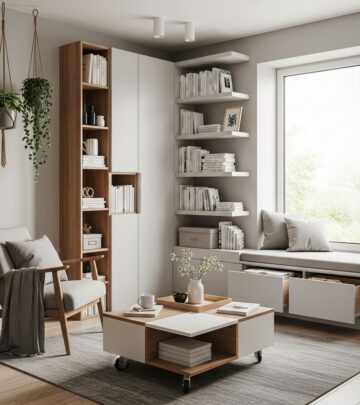
The living room should feel inviting but not crowded. Use easy-to-assemble pieces that add storage and seating without overwhelming the space.
- Choose a TV stand with closed storage to hide cables, remotes and game consoles.
- Pick nesting tables or a coffee table with built-in shelves instead of large side tables.
- Opt for modular cube shelves to display decor and baskets for hidden storage.
Bedroom Space-Savers
Bedroom furniture often looks bulky, but many flat-pack designs solve storage problems with clever lift-up platforms and drawers.
- Select a bed frame with drawers or under-bed bins to replace a separate dresser in tight rooms.
- Use wall-mounted shelves or narrow bookcases as nightstands in very small rooms.
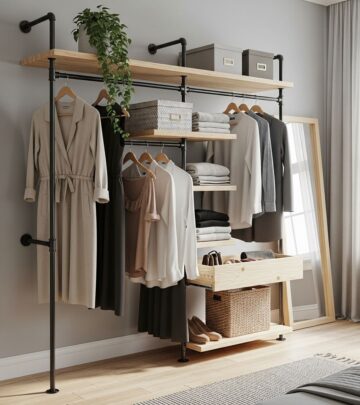
- Try an open wardrobe rack with shelves for renters who cannot install built-in closets.
Home Office and Study Corners
Easy-to-assemble office furniture is ideal for hybrid workers and students who need functional work zones that can disappear after hours.
- Look for folding or wall-mounted desks that take minimal floor space.
- Choose storage carts on wheels that move between desk, living room and craft areas.
- Combine a simple desk with an adjustable monitor stand and cable tray for ergonomic comfort.
Assembly Day: Practical Step-by-Step Strategy
A bit of planning turns assembly from a dreaded task into a manageable project. Follow this simple sequence for a smoother experience.
- Prepare the space. Clear a larger area than you think you need, protecting floors with a rug, blanket or cardboard.
- Gather tools first. Common helpful tools include a screwdriver set, rubber mallet, tape measure and a small bowl for screws.
- Unpack and sort. Lay out panels by number or letter and keep hardware in labeled piles to prevent mix-ups.
- Read fully once. Scan the instructions from start to finish before touching any screws or cams.
- Follow each step slowly. Only tighten bolts fully after a section is complete, which makes corrections easier.
- Check wobble and square angles. Before final tightening, ensure pieces sit straight and level.
Common Mistakes and How to Avoid Them
Most assembly frustrations come from a small set of predictable mistakes. Learning them now helps you sidestep damage and wasted time.
- Skipping inventory checks: Failing to count parts before starting can lead to discovering a missing piece halfway through.
- Using the wrong screws: Screws that are slightly longer than required can poke through surfaces or weaken joints.
- Over-tightening hardware: Turning cams or screws with too much force can strip threads or crush particleboard.
- Building far from the final location: Large wardrobes or desks may not fit through doorways once assembled.
- Ignoring wall anchors: Tall units without anti-tip restraints pose a safety risk, especially in homes with children or pets.
Making Flat-Pack Furniture Look High-End
Well-styled, easy-to-assemble furniture can look custom and expensive. Small upgrades transform basic pieces into something special without major cost.
Hardware and Finish Upgrades
Swapping standard hardware for stylish pieces creates an instant design upgrade. Paint and contact paper can also help unify mismatched units.
- Replace plastic knobs with metal pulls in a finish that matches your lighting and faucets.
- Add peel-and-stick wallpaper to the back panel of bookcases for depth and pattern.
- Use furniture touch-up markers to disguise small chips or exposed edges.
Styling Tips for a Cohesive Look
Thoughtful styling disguises any budget roots and helps the room feel intentional. Aim for balance, breathing room and repeated colors or materials.
- Group decor in odd numbers, mixing heights and textures.
- Limit open shelving to a few favorite items and use baskets to hide everyday clutter.
- Repeat one or two key colors across pillows, art and accessories to tie pieces together.
Maintenance and Longevity Tips
Easy-to-assemble furniture can last for years when treated well. A bit of maintenance protects finishes and keeps joints from loosening.
- Dust regularly and wipe spills quickly to avoid swelling or staining on particleboard surfaces.
- Every six to twelve months, check and gently tighten screws and cams, especially on frequently used items.
- Use felt pads under legs to prevent scratches on hard floors and to make rearranging furniture easier.
- Avoid dragging heavy units; move them slowly with help or sliders to protect both joints and floors.
Quick Checklist Before You Click “Add to Cart”
Use this brief checklist to evaluate whether a piece of easy-to-assemble furniture is right for your home and skill level.
- Dimensions suit your room and can fit through doors, halls and staircases.
- Estimated assembly time and difficulty match your patience and schedule.
- Materials, finish and weight capacity are appropriate for how you plan to use it.
- Clear instructions, videos or support are available if you get stuck.
- Style, color and storage features complement at least two other items you already own.
FAQs About Easy-to-Assemble Furniture
Is easy-to-assemble furniture strong enough for long-term use?
Strength depends more on materials and design than on the fact that something arrives flat-packed. Sturdy connectors, good-quality particleboard or solid wood components and proper assembly all contribute to longevity. If you follow the instructions carefully and avoid overloading shelves or drawers, many pieces hold up well for years.
Can one person handle assembly, or is a second person necessary?
Smaller items such as nightstands, side tables and basic shelving can usually be assembled by one person. Larger wardrobes, beds and corner desks often require a second person to hold panels upright, ensure alignment and prevent strain or damage.
What tools should I always keep on hand for furniture assembly?
A compact toolkit is often enough. A Phillips and flat-head screwdriver set, hex key set, rubber mallet, measuring tape and level cover most situations. Keeping painter’s tape, a pencil and a small step stool nearby also makes the process smoother.
How can I avoid losing screws and small hardware pieces?
Use bowls, resealable bags or a compartment organizer to sort screws, dowels and cams by step or size before you begin. Working over a rug or towel helps prevent small parts from bouncing away if dropped.
What should I do if a piece arrives damaged or with missing parts?
Stop assembly immediately and document the issue with clear photos of the damage, packaging and hardware. Contact the retailer or manufacturer with the product name, purchase details and part numbers from the instruction booklet; most will send replacement panels or hardware at no additional cost.
Bringing It All Together
Easy-to-assemble furniture offers a practical path to a stylish, functional home without the cost or commitment of custom pieces. By choosing well-designed items, organizing your tools and parts, and styling thoughtfully, you can enjoy the convenience of flat packs while creating rooms that feel polished and personal.
Similar Articles


Read full bio of Sneha Tete