Smart Home Cleaning Blueprint: A Complete Room-by-Room Strategy
Modern routines, practical tricks, and room-by-room tactics for a home that practically cleans itself.
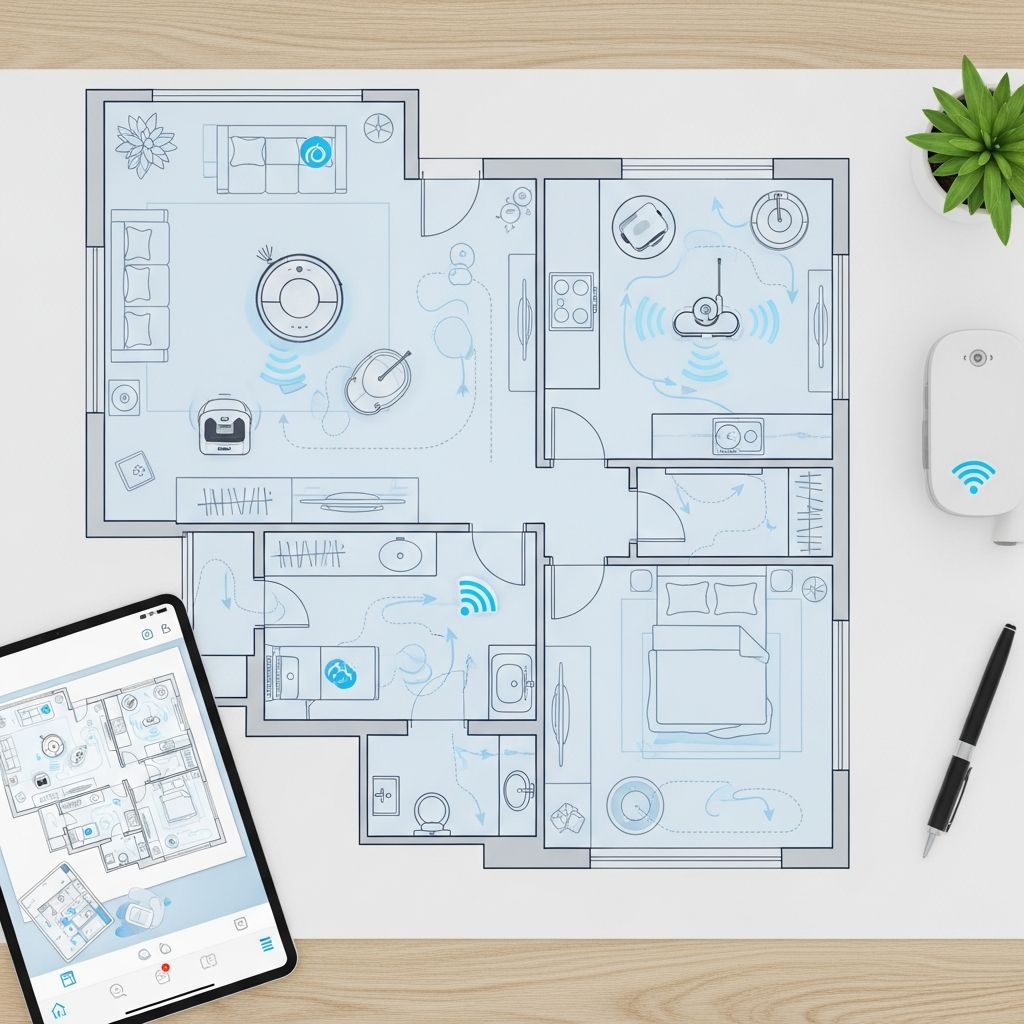
Keeping a home clean does not have to mean marathon scrubbing sessions or living with constant guilt about what you have not done yet. With a clear plan, a few smart habits, and room-specific tactics, you can create a home that looks cared for most of the time without sacrificing your entire weekend.
Why Cleaning Feels Overwhelming (And How To Fix It)
Most people feel buried by housework because everything is tackled at once and nothing has a clear “home” or schedule. The solution is to separate maintenance tasks from deep-cleaning projects and give each room a realistic standard instead of aiming for perfection everywhere, every day.
- Stop thinking of cleaning as a single giant job; think of it as several small routines.
- Match different tasks to different energy levels: quick wins for busy days, deep jobs for focused time.
- Accept that “good enough consistently” beats “perfect once in a while.”
Build Your Core Cleaning Routine
Before diving into each room, it helps to set up a simple structure that repeats every week. This creates predictability and makes it easier to keep track of what has and has not been done.
Daily Non-Negotiables
A few small daily actions keep your home from sliding into chaos. Focus on what guests would notice first and what affects your comfort the most.
- Make the bed and straighten bedroom surfaces.
- Clear and wipe kitchen counters after meals.
- Do a quick dish reset: either load the dishwasher or wash by hand.
- Reset living areas: put remotes, blankets, and cushions back in place.
- Handle visible trash and recycling so it never overflows.
Weekly Focus Tasks
Weekly tasks prevent dust and grime from building up. Assign them to specific days or group them into a single cleaning block, depending on your schedule.
- Vacuum and/or sweep all floors.
- Clean bathrooms: toilets, sinks, mirrors, and high-touch areas.
- Change bedding and wash frequently used towels.
- Dust flat surfaces, light fixtures you can reach safely, and baseboards in high-traffic rooms.
- Do a refrigerator check: toss old leftovers and wipe visible spills.
Monthly and Seasonal Deep Cleaning
Deep-cleaning does not need to be squeezed into a single weekend. Spread it across months and seasons so each room gets attention without exhausting you.
- Monthly: clean appliance interiors, vacuum upholstery, launder curtains or throw blankets.
- Quarterly: wash windows, purge closets, declutter storage spaces, and clean under large furniture.
- Twice a year: flip or rotate mattresses, deep-clean grout, and fully empty and reorganize key cabinets or closets.
Essential Cleaning Tools and Supplies
Having the right basic tools makes every task faster and more efficient. You do not need an overstuffed cupboard of specialty products; a small, well-chosen set works better.
| Category | Useful Items | Why They Matter |
|---|---|---|
| General tools | Vacuum, broom, dustpan, microfiber mop | Cover most floor types and quick messes without multiple gadgets. |
| Dusting & polishing | Microfiber cloths, extendable duster, furniture-safe polish | Trap dust instead of spreading it and reach high areas safely. |
| Scrubbing | Non-scratch sponges, scrub brushes, grout brush | Handle cooked-on food, soap scum, and textured surfaces efficiently. |
| Cleaning solutions | All-purpose cleaner, glass cleaner, bathroom cleaner, degreaser | Target specific grime types while keeping the product lineup simple. |
| Protective & support | Gloves, trash bags, caddy, old towels | Protect skin, speed up room-to-room movement, and contain mess. |
Kitchen Cleaning Game Plan
The kitchen collects grease, crumbs, and clutter faster than almost any other space. A layered approach—daily resets, weekly cleaning, and periodic deep-cleans—keeps it under control.
Daily Kitchen Reset
- Clear the sink: load the dishwasher or wash dishes after each meal.
- Wipe counters, the stove area, and the table with an appropriate cleaner.
- Check the floor for crumbs; sweep or spot-wipe sticky areas.
- Empty or at least tie off full trash and recycling bags.
Weekly Kitchen Tasks
- Clean the microwave interior with steam and wipe leftover splatters.
- Wipe cabinet doors and appliance fronts to remove fingerprints and grease.
- Sanitize handles, light switches, and high-touch surfaces.
- Mop or thoroughly clean the floor with a product safe for your flooring type.
Deep-Cleaning the Kitchen
Rotate deep-clean tasks instead of doing them all at once. Aim for one major job every week or two.
- Empty and clean the refrigerator and freezer, discarding expired items and wiping shelves.
- Take everything out of one cabinet or drawer, wipe the interior, and reorganize before moving on to the next over time.
- Clean oven racks and interior surfaces following the manufacturer’s recommendations.
- Pull appliances away from walls if possible and clean behind and under them.
Bathroom: Clean and Germ-Aware
Bathrooms require frequent attention because they combine moisture, high traffic, and many touchpoints. Small, consistent efforts prevent them from turning into daunting projects.
Bathroom Quick-Clean Routine
- Keep disinfecting wipes or a designated cloth and cleaner under the sink for fast wipe-downs.
- Wipe the sink, faucet, and countertop daily or every other day.
- Use a squeegee or towel on shower walls and doors after use to reduce soap scum.
- Empty the bathroom trash regularly to avoid odors and overflow.
Weekly Bathroom Refresh
- Scrub the toilet bowl and clean the exterior, including the handle.
- Clean the shower or tub walls and floor with a product suited to your surface.
- Polish mirrors and fixtures to remove water spots and fingerprints.
- Wash bath mats and swap out used towels for fresh ones.
Bathroom Deep-Clean Ideas
- Clean grout lines with a dedicated grout brush and cleaner or a mild solution compatible with your tile.
- Remove items from under-sink cabinets and drawers; declutter, wipe, and replace only what you use.
- Wash or replace shower curtains and liners, and clean the curtain rod and rings.
Living Room and Common Areas
Living rooms, family rooms, and entryways define how tidy your home feels overall. Focus more on visual order and dust control than on perfection in every corner.
Daily and Weekly Living Area Tasks
- Return blankets to baskets and straighten pillows at the end of each day.
- Clear surfaces like coffee tables and side tables of dishes, trash, and random items.
- Dust visible surfaces and screens weekly using microfiber cloths.
- Vacuum or sweep high-traffic zones, paying attention to entryways where dirt collects.
Periodic Deep-Clean for Shared Spaces
- Move smaller furniture to vacuum underneath and behind it.
- Wash slipcovers, pillow covers, and throws according to care labels.
- Clean light fixtures, lamp shades, and fan blades using safe methods and tools.
- Sort and reduce decor if surfaces feel crowded or hard to dust.
Bedrooms: Calm, Clean Retreats
Bedrooms set the tone for rest and recovery. A few simple habits can transform them from clutter zones into calm, easy-to-maintain spaces.
Everyday Bedroom Habits
- Make the bed shortly after waking; it instantly improves the room’s appearance.
- Use bedside trays or small organizers to keep books, chargers, and small items contained.
- Check floors for clothing and place items in a hamper or put them away immediately.
Weekly and Monthly Bedroom Care
- Change sheets and pillowcases weekly or as needed for comfort and hygiene.
- Dust furniture, headboards, and window sills.
- Vacuum or sweep under the bed and around furniture once a week or every other week.
- Once a month, wipe closet shelves and reorganize any expanding piles of clothing.
Closets, Drawers, and Hidden Storage
Hidden spaces often become catch-alls, making it hard to find what you need and easy for clutter to overflow into main areas. Regular small decluttering sessions are more effective than rare, dramatic overhauls.
Simple Decluttering Framework
- Work on one shelf, drawer, or section at a time.
- Create three categories: keep, donate/give away, and discard/recycle.
- Store the items you keep in containers or bins that suit the space rather than forcing everything into a single system.
Maintaining Organized Storage
- Label boxes or bins so you and others know what belongs where.
- Use vertical space: add hooks, over-the-door organizers, or extra shelving if needed.
- Schedule quick 10-minute tidy-ups for closets or drawers every few weeks.
Laundry: From Pile-Up to Predictable
Laundry can quietly overwhelm a household, not because washing is difficult but because folding and putting away often get postponed. Turning laundry into a predictable routine prevents mountain-sized piles.
Setting a Laundry Rhythm
- Choose specific laundry days or aim for one small load per day, depending on household size.
- Sort as you go using multiple hampers or labeled baskets.
- Commit to finishing the cycle: wash, dry, fold, and put away before starting another large task.
Making Folding Easier
- Fold in a pleasant space (living room with a show, music, or podcast) to reduce resistance.
- Use simple folding methods you can maintain instead of complicated systems.
- Assign each person a basket for clean folded clothes to be put away the same day.
Quick Cleaning Wins for Busy Days
Some days are too hectic for full routines. A few strategic “micro-cleaning” moves preserve order even when time is short.
- Set a 5- or 10-minute timer and focus only on visible clutter in one room.
- Carry a small caddy or basket to collect items that belong elsewhere, then return them in one lap around the home.
- Prioritize sinks, counters, and entryways, because these areas influence how the whole house feels.
Sample Weekly Cleaning Overview
Use the table below as inspiration to build your own schedule. Adjust it to your lifestyle, home size, and energy levels.
| Day | Main Focus Area | Key Tasks |
|---|---|---|
| Monday | Kitchen | Counters, sink, trash, quick floor clean, microwave wipe-down. |
| Tuesday | Bathrooms | Toilets, sinks, mirrors, switch plates, fresh towels. |
| Wednesday | Living areas | Dust, vacuum, declutter surfaces, reset decor. |
| Thursday | Bedrooms | Change sheets, tidy closets, vacuum or sweep. |
| Friday | Floors & laundry | Deep floor cleaning and catch-up laundry loads. |
| Saturday | Rotating deep-clean | Pick one big job: fridge, windows, closets, or storage. |
| Sunday | Light reset | Quick tidy, planning, and rest. |
FAQs About Home Cleaning Routines
How do I start if my home is very messy?
Begin with the spaces you see and use the most, such as the kitchen sink area and living room seating. Focus on removing trash, dirty dishes, and obvious clutter before worrying about deep-cleaning. Once main surfaces are clear, add small daily tasks like making the bed and doing a 10-minute evening tidy so you build momentum without feeling overwhelmed.
How often should I deep-clean each room?
There is no single schedule that works for every home, but a helpful guideline is to give each major room a deeper session every one to three months. Spread tasks out: one week you might clean the fridge thoroughly, another week you might focus on the shower, and later you might tackle windows or baseboards. This rotating approach keeps everything moving without requiring a full-house overhaul at once.
What if I do not have much storage space?
When storage is limited, prioritize vertical solutions like shelves and wall hooks and keep only what you truly use. Use multi-purpose containers (clear boxes, baskets, or under-bed storage) and avoid buying new organizers until you have finished decluttering, since reducing possessions often frees up more space than adding storage products.
How can I get other household members involved?
Assign age-appropriate, clearly defined tasks rather than vaguely asking for help. Short checklists, visual reminders, or shared digital notes help everyone know what to do and when. Celebrate small wins and be flexible about method as long as the result is acceptable, which encourages ongoing participation instead of resistance.
Is it better to clean a little every day or all at once?
For most people, a hybrid approach works best: a few small daily resets to maintain order, combined with one or two focused blocks of time each week for deeper work. Cleaning only in large bursts often leads to burnout, while doing only tiny tasks may never address built-up grime. Balance both so that your home feels consistently cared for without dominating your schedule.
Similar Articles





Read full bio of Sneha Tete